Artwork
Predigt Johannes d. Täufers
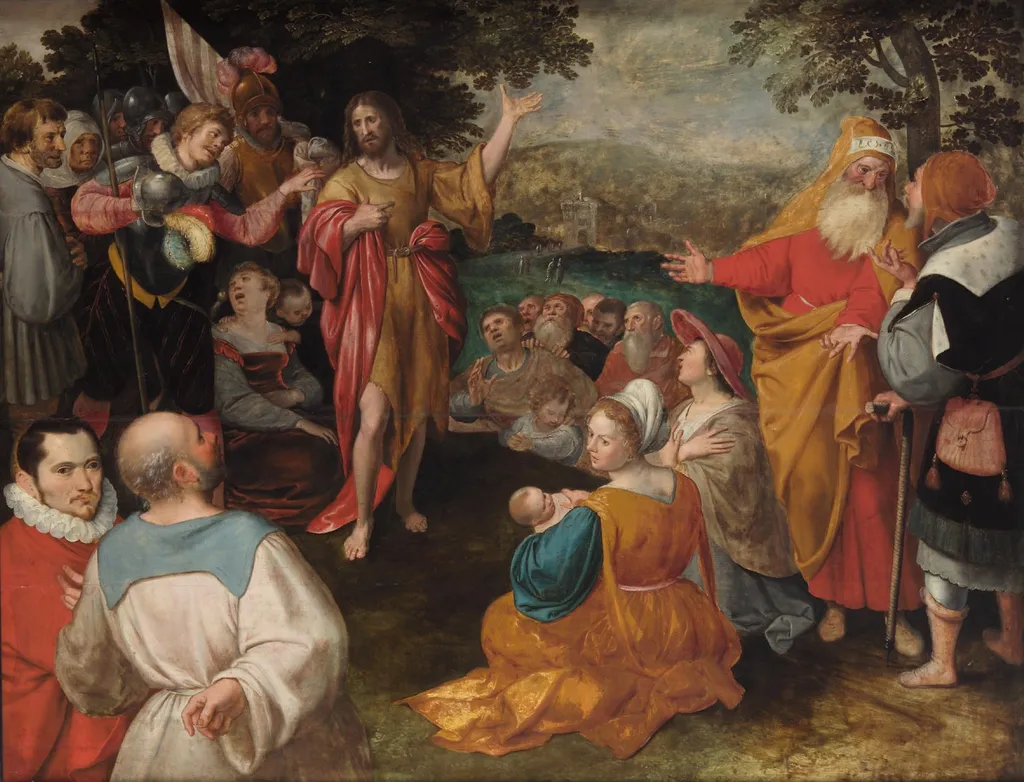
Predigt Johannes d. Täufers is an unspecified painting by the Dutch Golden Age artist Jacob de Gheyn II. It dates from 1607 and is held in the collection of the Kunsthistorisches Museum.
About this work
Overview
The composition captures a moment of public religious instruction, rendered with careful attention to naturalistic detail and atmospheric lighting.
Painted around 1607 by Jacob de Gheyn II, this work depicts the preaching of John the Baptist. Executed in oil on panel, it is part of the collection at the Kunsthistorisches Museum in Vienna. The composition captures a moment of public religious instruction, rendered with careful attention to naturalistic detail and atmospheric lighting. Its scale and setting suggest a narrative intended for contemplation rather than altar devotion.
Subject & Meaning
The central figure, John the Baptist, stands in a simple brown robe, arms outstretched as if delivering a sermon to a diverse crowd. Surrounding him are listeners of varying ages and social postures—some kneeling in reverence, others standing attentively, a few holding infants. The scene conveys the urgency of his message and the broad reach of his influence, emphasizing spiritual awakening among common people rather than elite figures.
Technique & Style
De Gheyn employs chiaroscuro to model forms and direct focus, with light falling selectively on faces and hands to heighten emotional expression. The palette favors warm earth tones—ochres, russets, and muted golds—balanced against cooler shadows. Brushwork is precise yet unobtrusive, allowing figures to emerge naturally from the landscape. The background town and trees are rendered with subtle detail, reinforcing spatial depth without distracting from the central narrative.
History & Provenance
The painting entered the Kunsthistorisches Museum’s collection in the 19th century, likely through imperial Habsburg acquisitions. Its documented history before that is limited, though its style aligns with Dutch and Flemish religious works of the early 17th century. It has remained in institutional care since its accession, with no record of significant restoration or relocation.
Context
Created during the early years of the Dutch Revolt, the painting reflects a period when religious imagery remained vital despite Protestant iconoclasm. De Gheyn, working in a region influenced by both Catholic traditions and emerging Calvinist sensibilities, chose a subject that resonated across confessional lines—John the Baptist as a moral voice calling for repentance, a theme universally recognized in Christian Europe.
Legacy
Though not widely reproduced or studied today, the painting exemplifies the quiet intensity of early 17th-century Northern European religious art. It demonstrates how artists like De Gheyn adapted biblical narratives to intimate, human-scale settings, prioritizing emotional authenticity over grandeur. Its preservation in a major museum ensures its continued role as a reference for the evolution of devotional painting beyond the Renaissance ideal.
Artist & collection

Artist
Jacob de Gheyn II was a Dutch painter and engraver, whose work shows the transition from Northern Mannerism to Dutch realism over the course of his career.

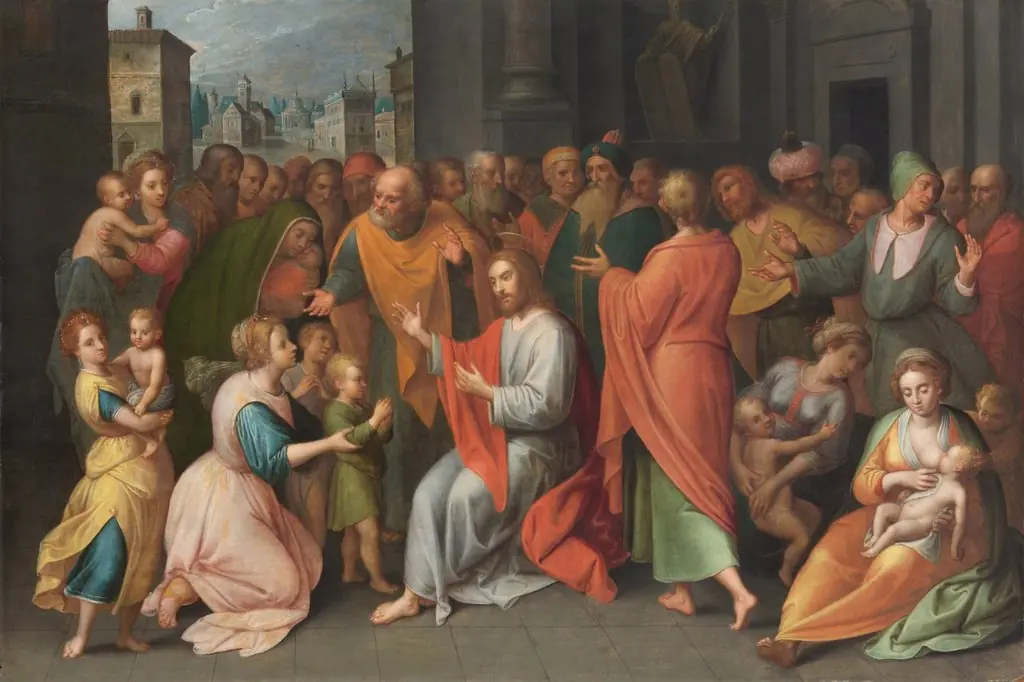 Christ blessing the children
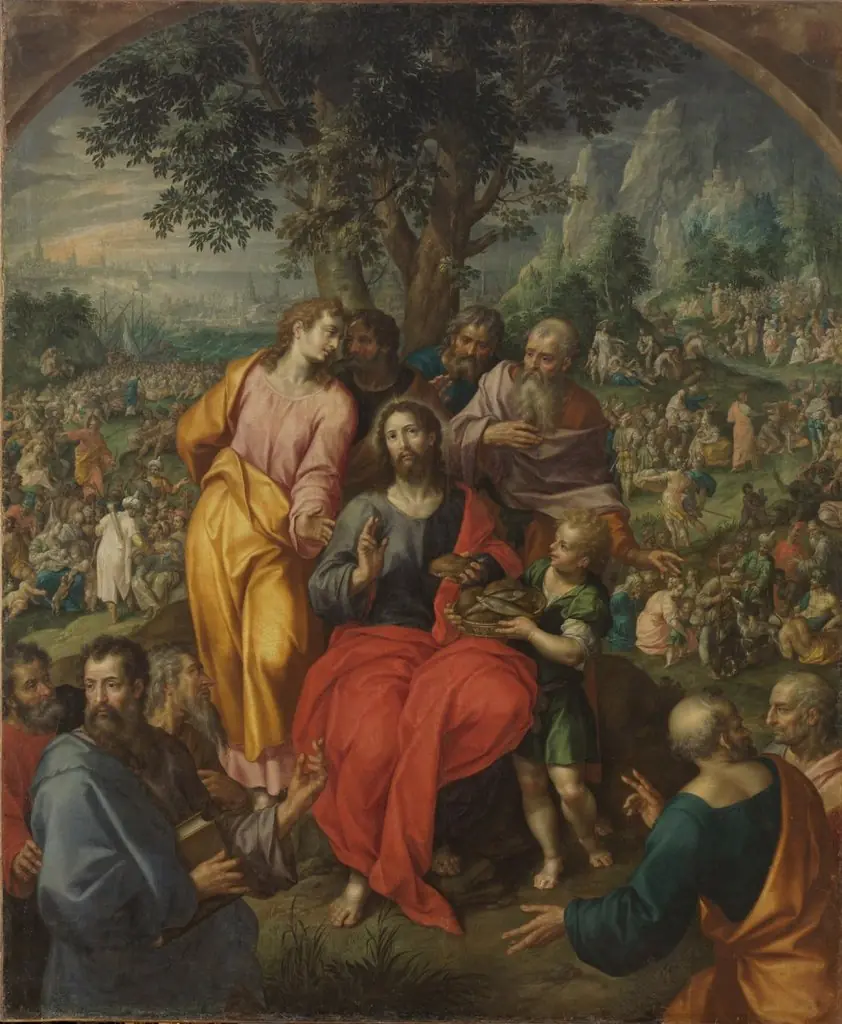 Feeding Of Five Thousand
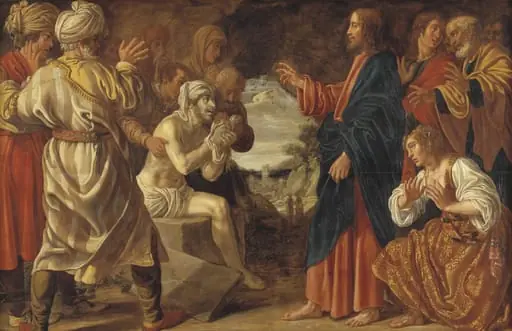 The Raising of Lazarus
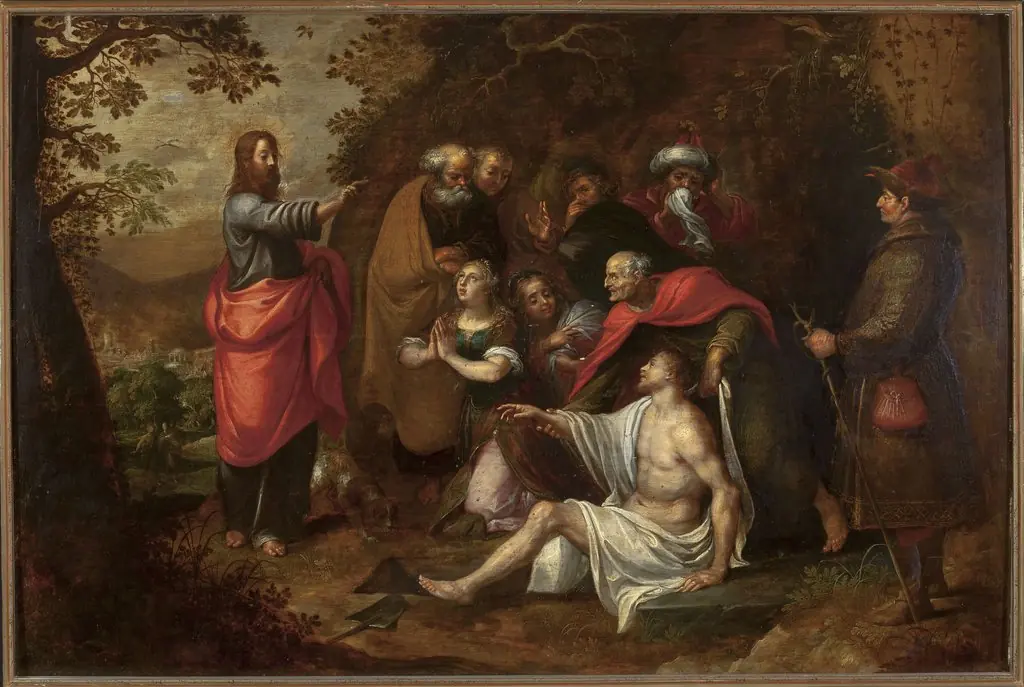 Raising o Lazarus
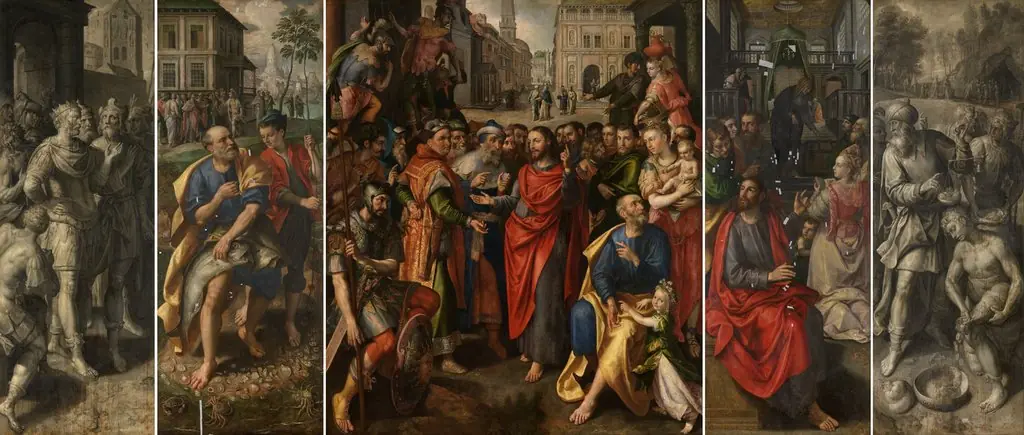 Altarpiece of the Guild of the Minters
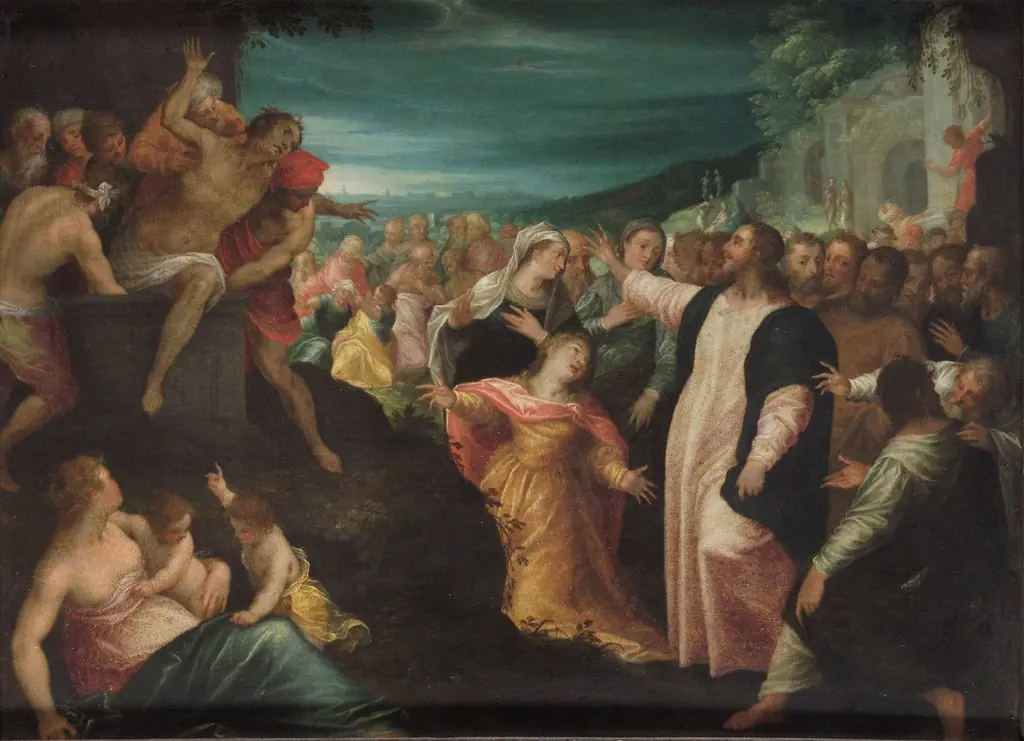 Resurrection of Lazarus
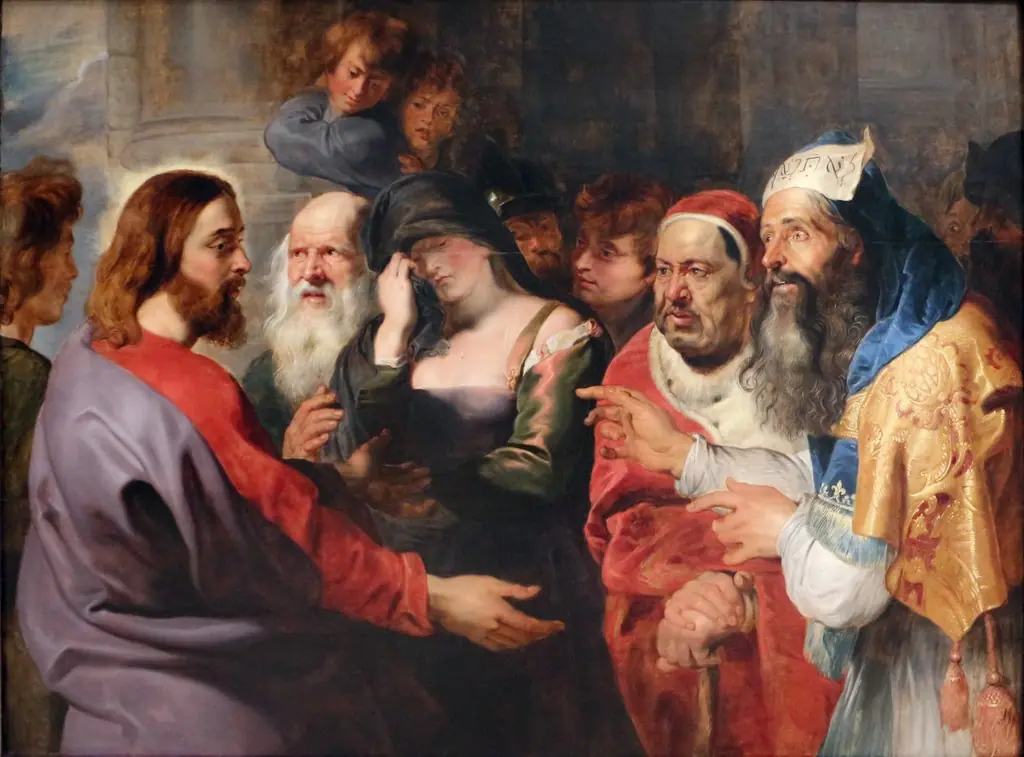 Christ and the Woman Taken in Adultery
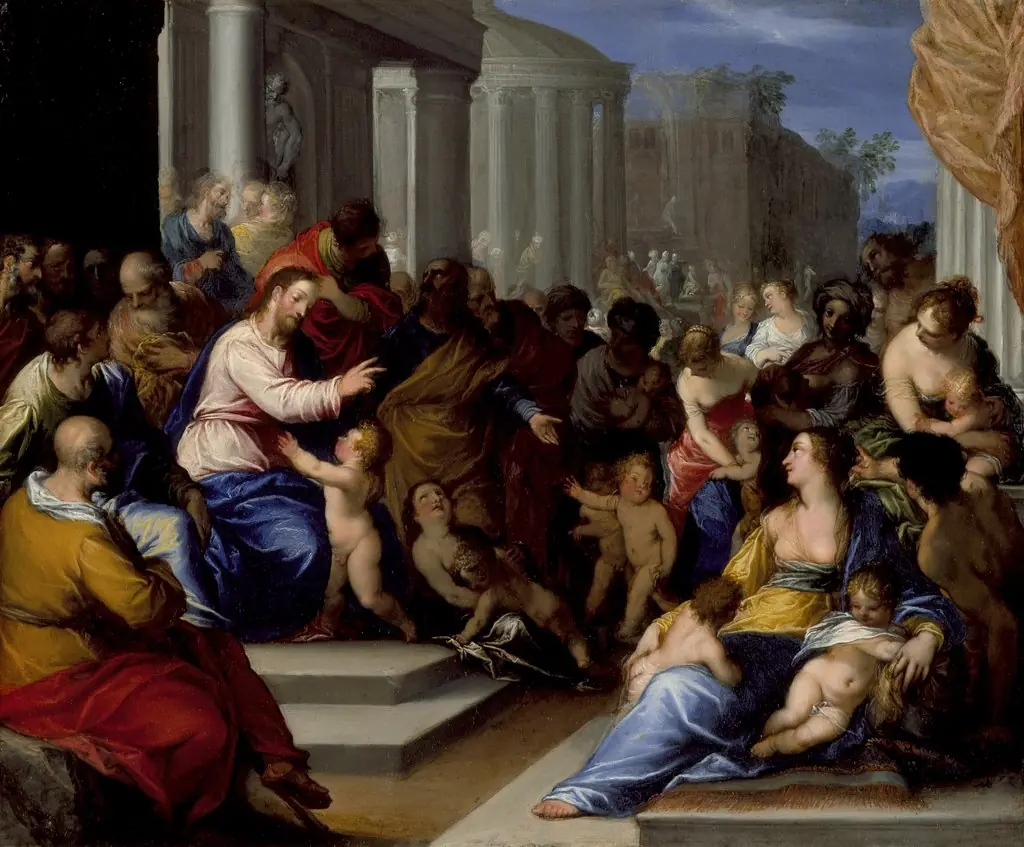 Suffer Little Children to Come Unto Me
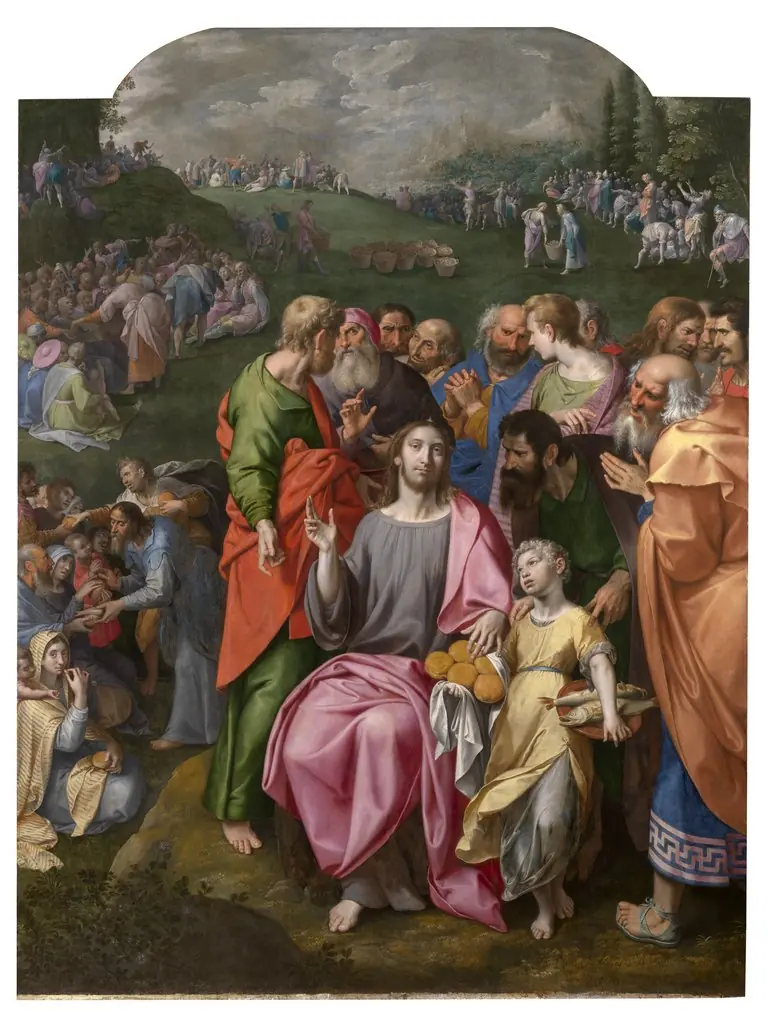 The Multiplication of Loaves and Fishes
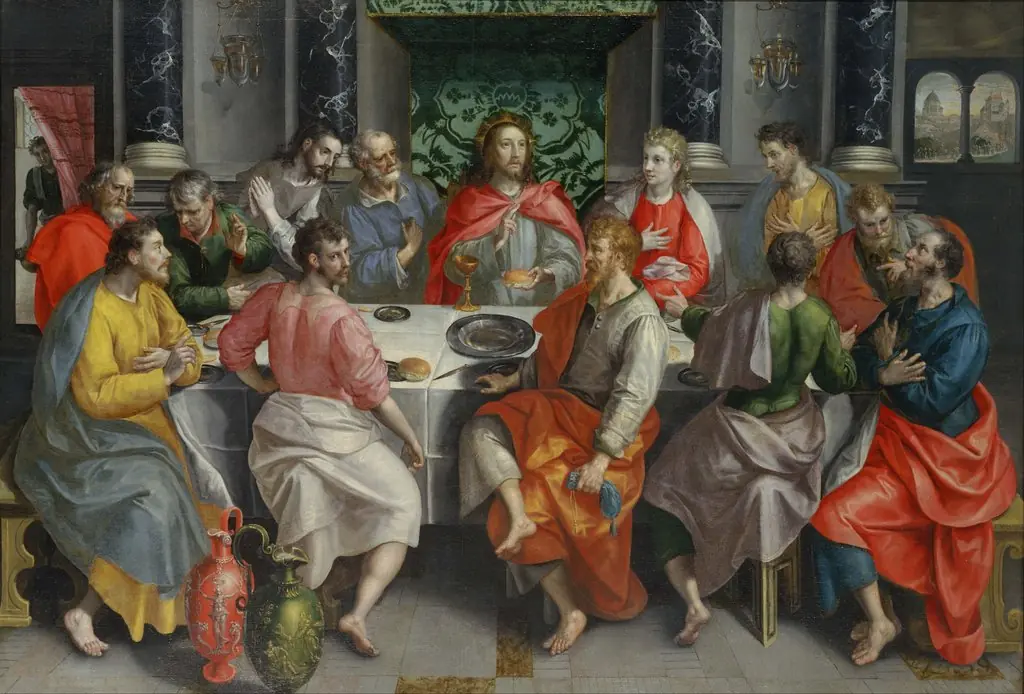 The Last Supper
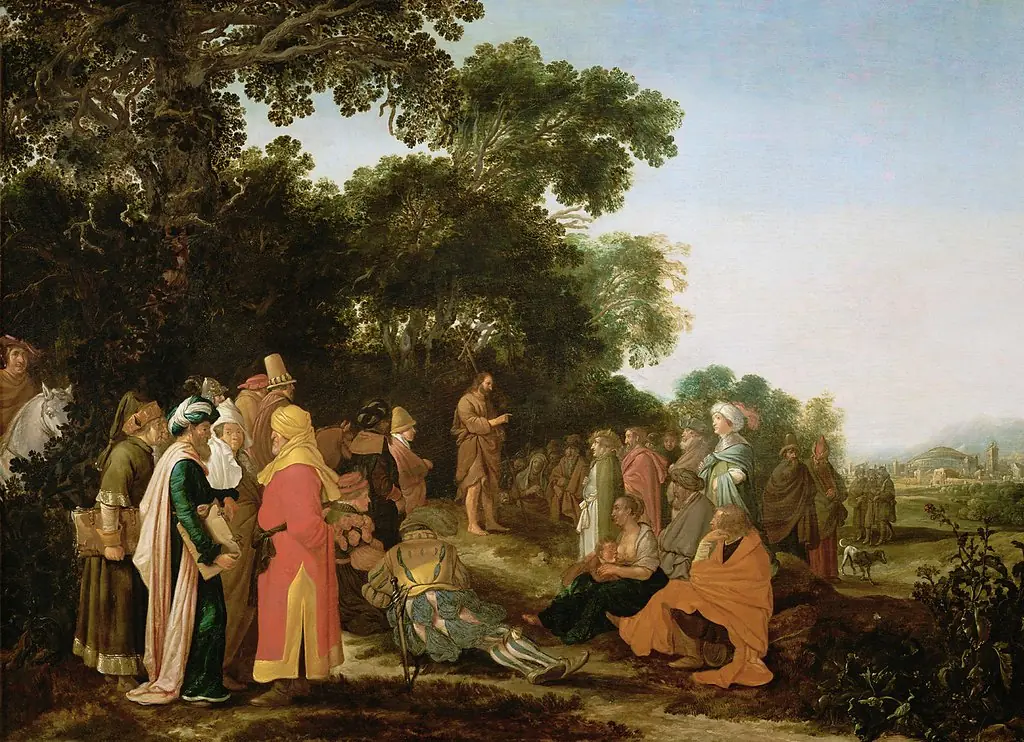 Predigt Johannes des Täufers
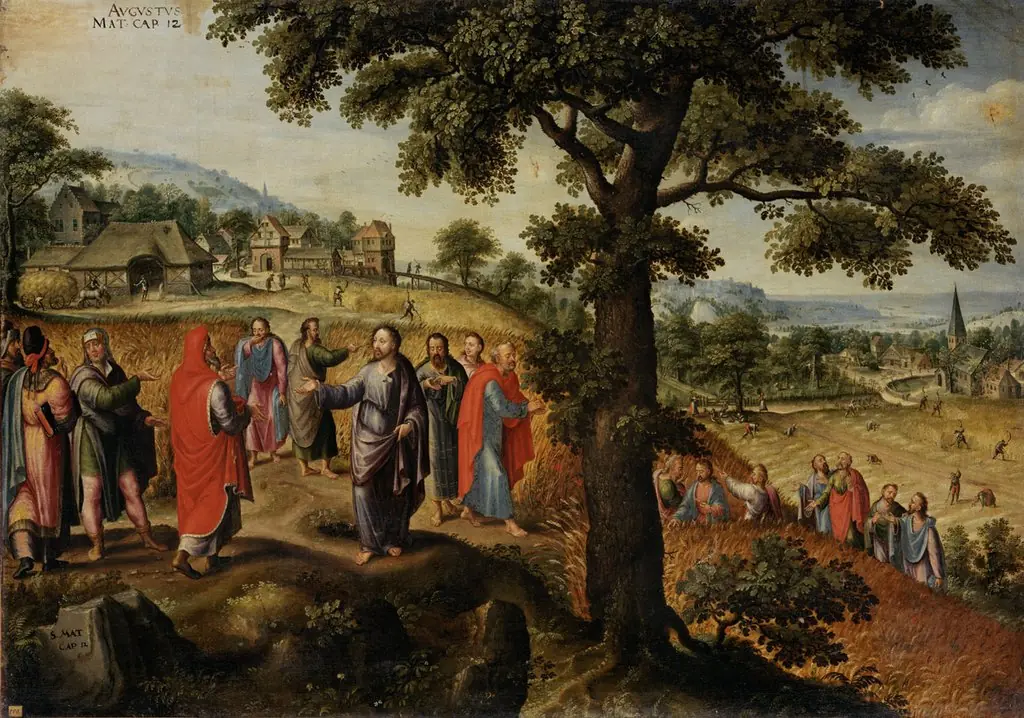 Christ defends the plucking of the ears of grain on the Sabbath (August)