Artwork
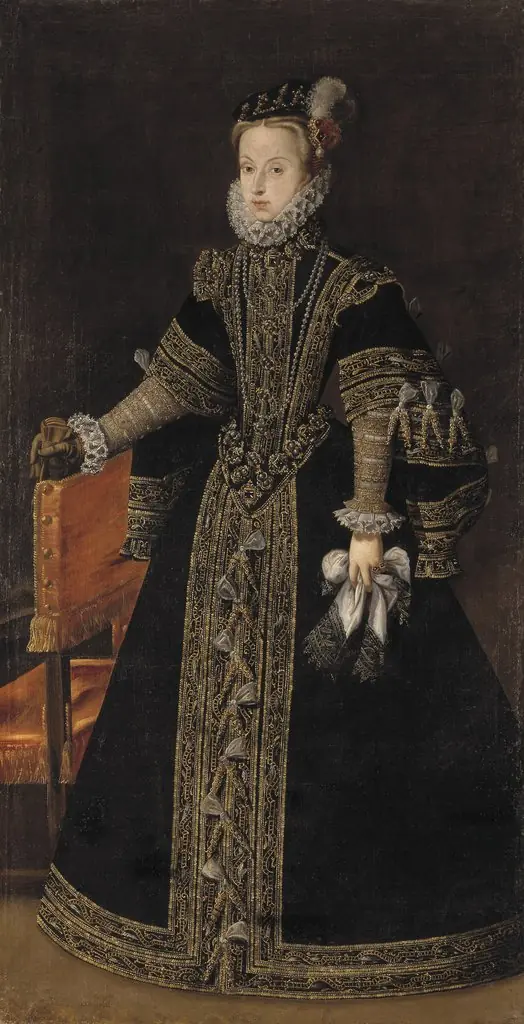
Maria (1551-1608), Herzogin in Bayern, Erzherzogin, im Alter von 13 Jahren
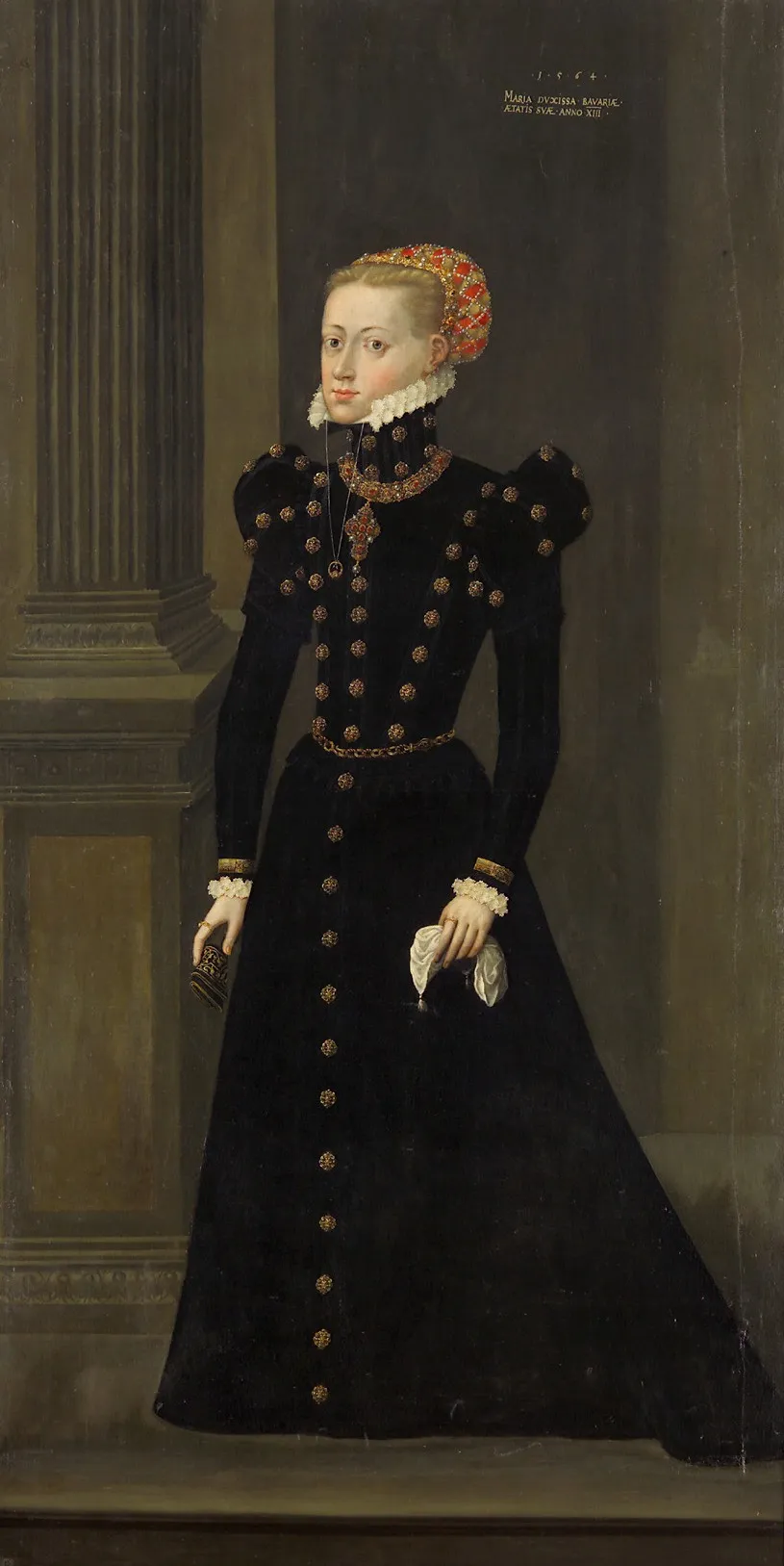
Maria (1551-1608), Herzogin in Bayern, Erzherzogin, im Alter von 13 Jahren is an oil painting by the Northern Renaissance artist Hans Schöpfer. It dates from 1564 and is held in the collection of the Kunsthistorisches Museum.
About this work
She wears a red-and-gold hat and stands against a dark background with a pillar behind her.
This painting shows a woman in a dark, fancy dress with gold buttons. Her sleeves are puffy and white at the wrists. She wears a red-and-gold hat and stands against a dark background with a pillar behind her. Her hands rest on a black fan, and she looks straight ahead with a calm face.
The gold buttons on her dress are arranged in neat rows, catching the light. The painting was made in 1564, as noted in the corner.
Next, look up chiaroscuro to see how light and shadow create depth in paintings.
Overview
Hans Schöpfer’s oil portrait, executed in 1564, depicts a young noblewoman in elaborate attire. The figure stands before a dark backdrop, a solitary pillar rising behind her, and holds a black fan in her hands. Her gaze is directed forward, presenting a composed and poised demeanor that reflects the conventions of mid‑sixteenth‑century court portraiture.
Subject & Meaning
The sitter is identified as Maria (1551‑1608), who later became Duchess of Bavaria and Archduchess, and was only thirteen at the time of the painting. The work emphasizes her aristocratic status through sumptuous dress and accessories, while the restrained expression suggests the ideals of youthful virtue and the responsibilities of her future role within the dynastic network.
Technique & Style
Schöpfer employs a restrained chiaroscuro, allowing the dark background to amplify the luminous quality of the garment’s gold buttons and the red‑gold hat. The painter’s handling of the fabric—particularly the puffed sleeves and white wrist detailing—demonstrates a careful observation of texture, while the smooth rendering of the face conveys a subtle, almost sculptural realism.
History & Provenance
Since its creation, the portrait has remained within the Austrian imperial collection, eventually entering the holdings of the Kunsthistorisches Museum in Vienna. The date of execution appears in the lower corner of the canvas, providing a clear chronological anchor for scholars tracing the artist’s output and the portrait’s movement through European collections.
Context
The painting belongs to a broader tradition of dynastic portraiture that flourished in the Holy Roman Empire during the 1560s. Such works served both as records of lineage and as visual affirmations of political alliances, reinforcing the status of the Bavarian ducal family within the intricate web of Habsburg and German princely relations.
Artist & collection

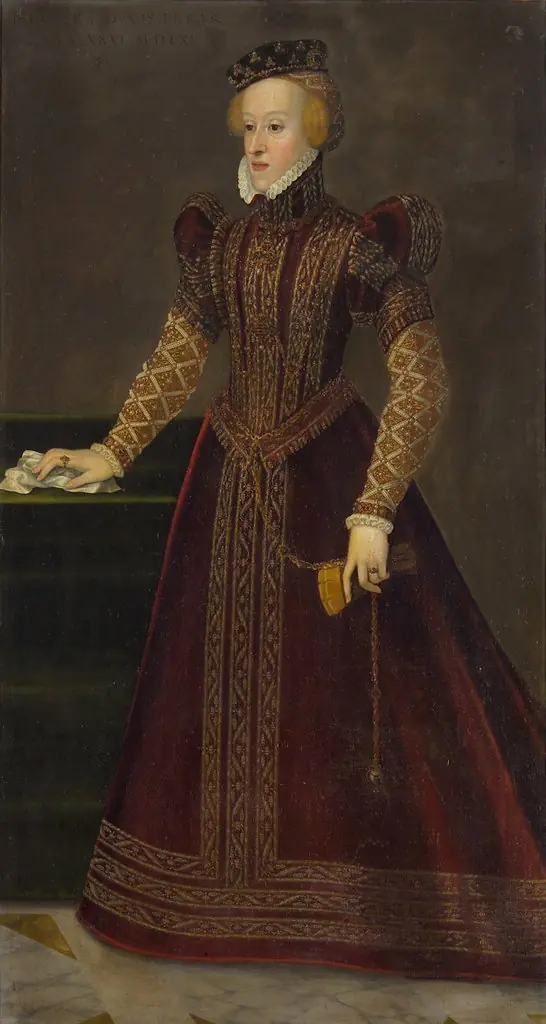 Erzherzogin Barbara (1539-1572), Herzogin von Ferrara in ganzer Figur
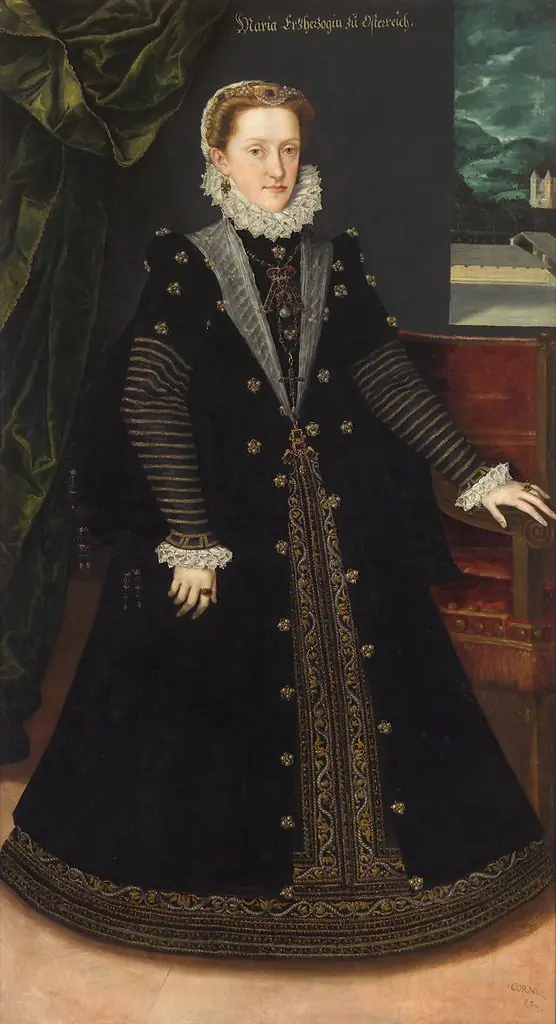 Portrait of Archduchess Mary Anna of Bavaria
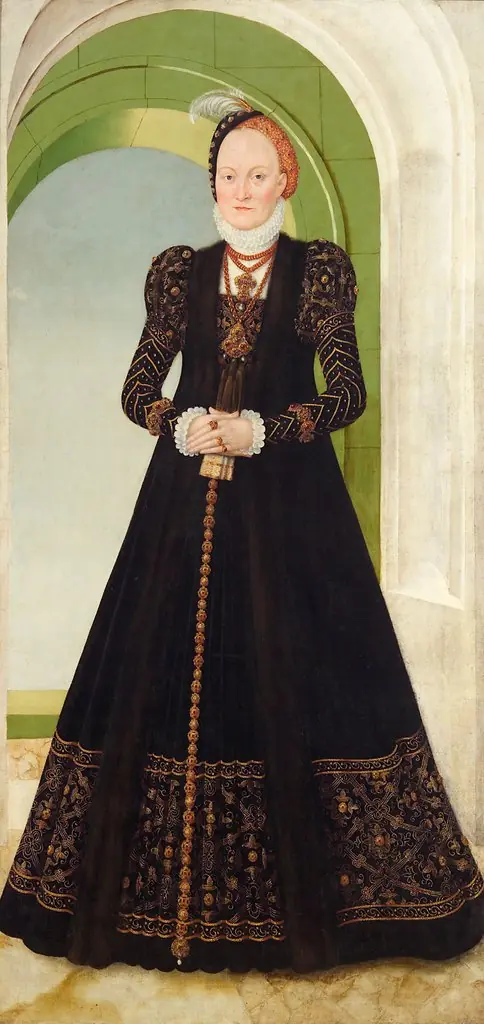 Anna of Denmark, Duchess of Saxony
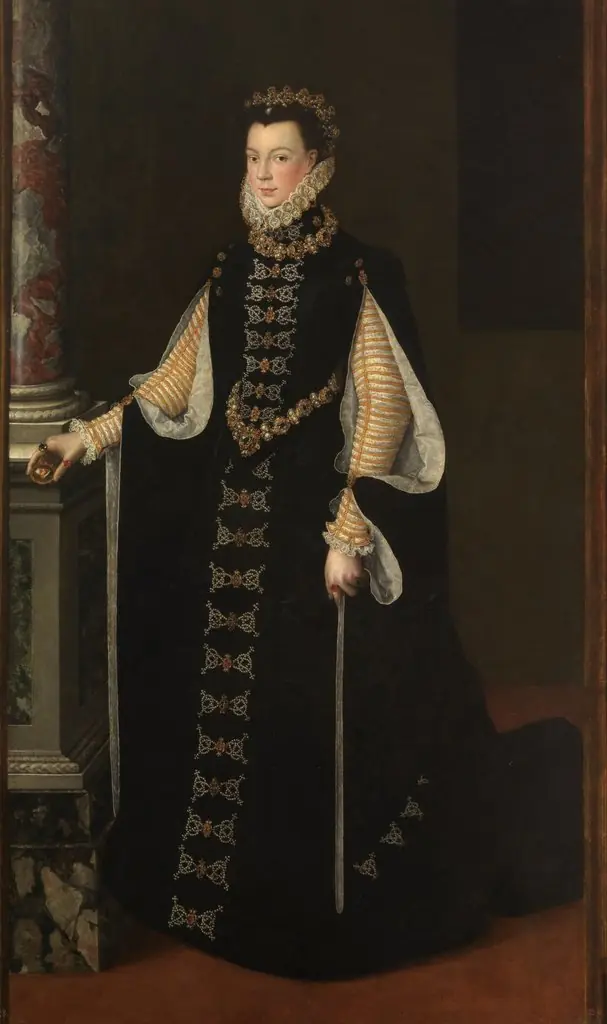 Portrait of Elisabeth of Valois
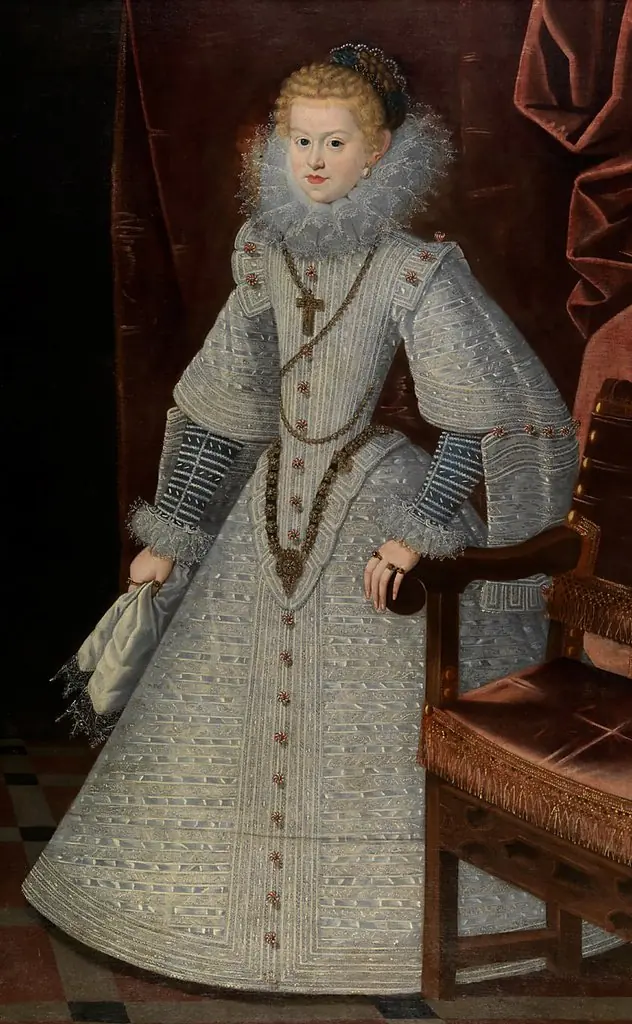 Infantin Maria Anna (1606-1646), Kaiserin, in ganzer Figur
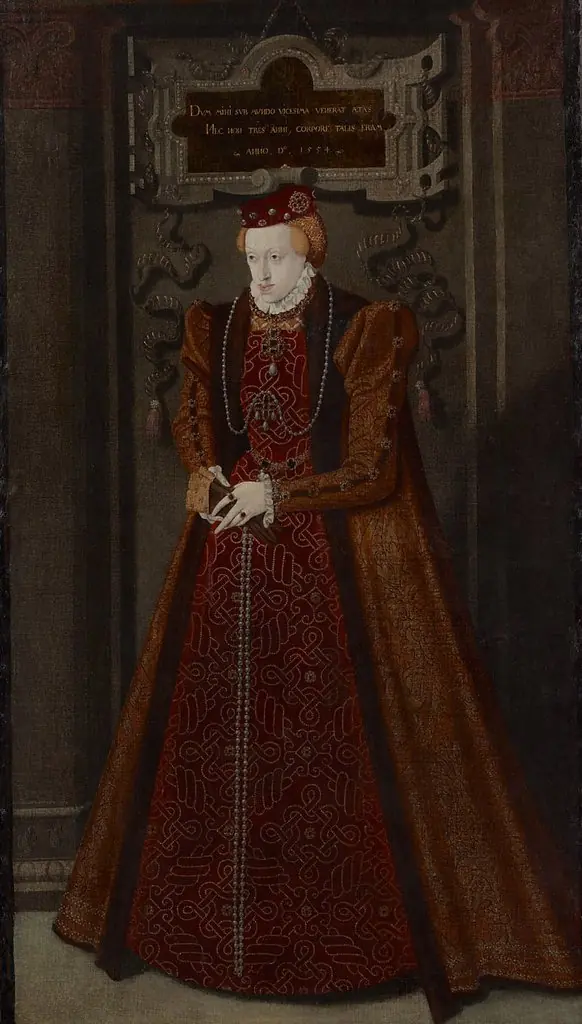 Erzherzogin Maria (1531-1581), Herzogin von Jülich - Cleve - Berg, Bildnis in ganzer Figur
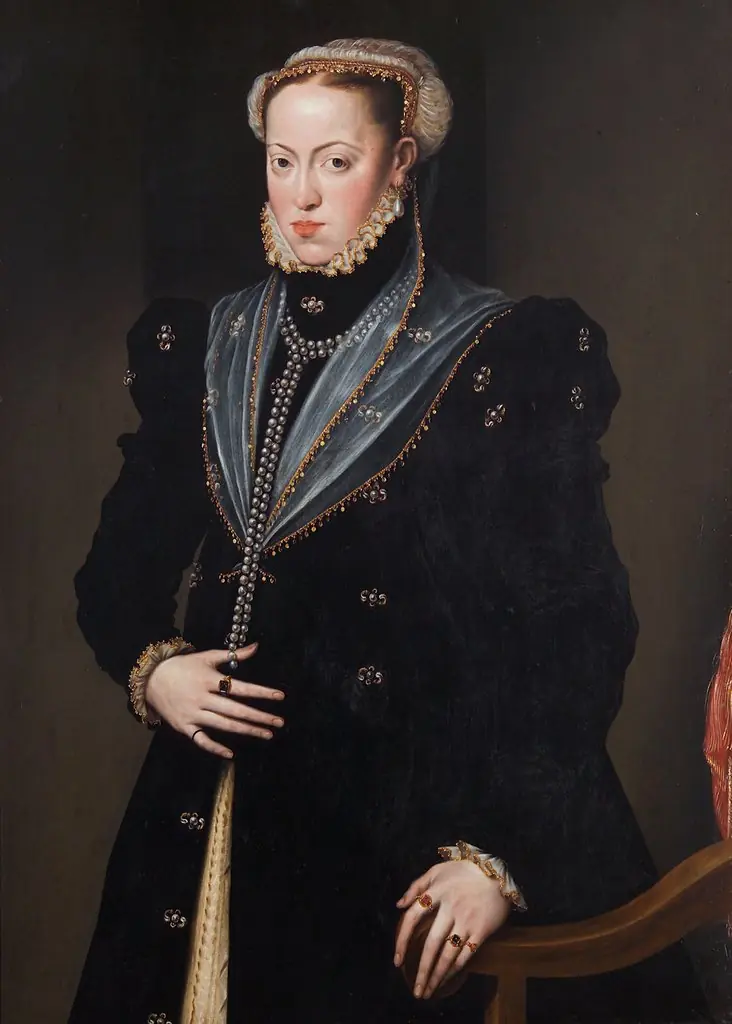 Infantin Maria (1528-1603), Kaiserin, Bildnis in halber Figur
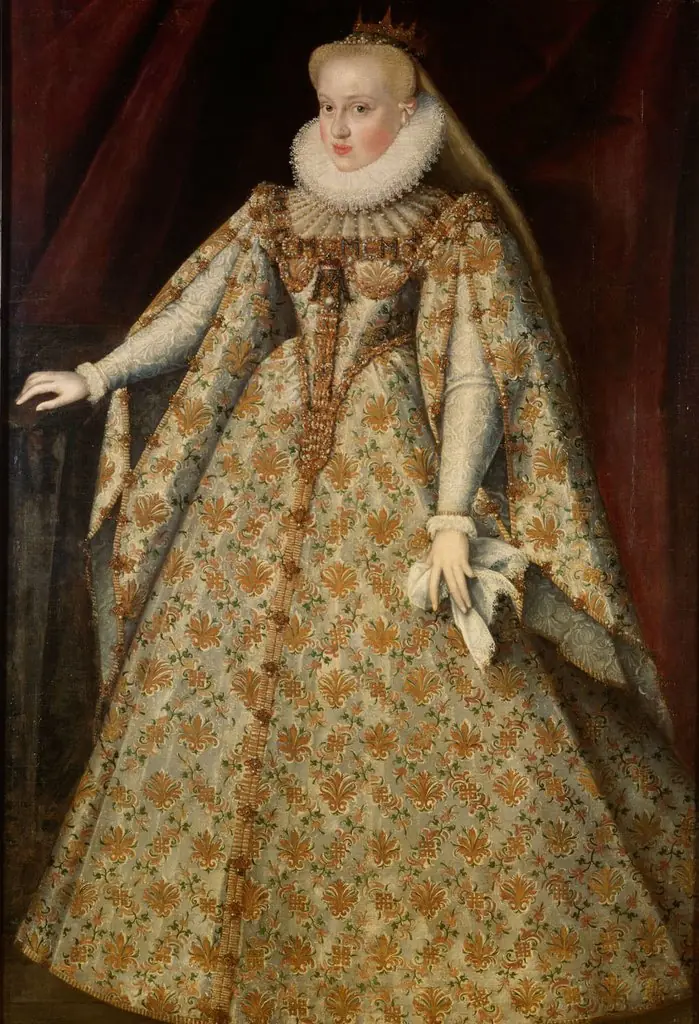 Portrait of Archduchess Maria Christina of Austria (1574–1621)
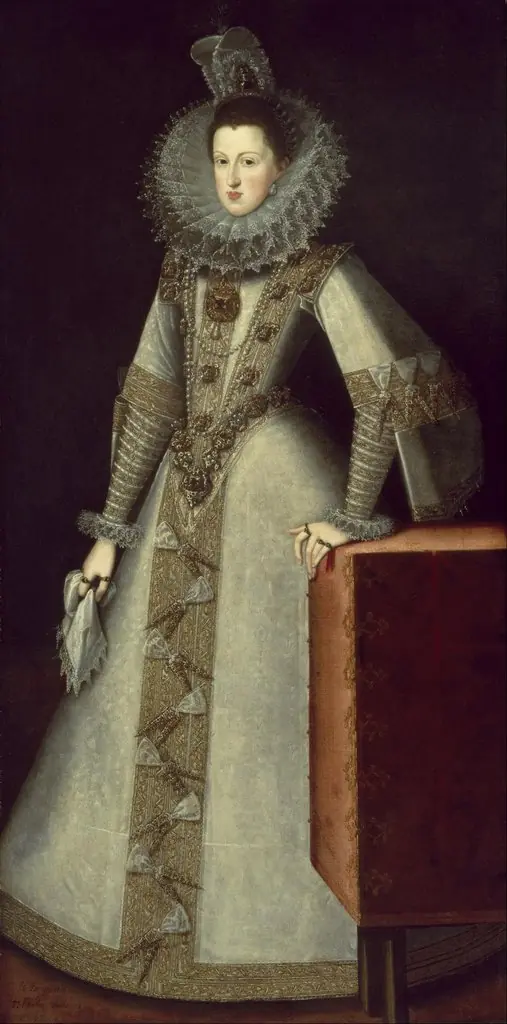 Margaret of Austria, Queen of Spain
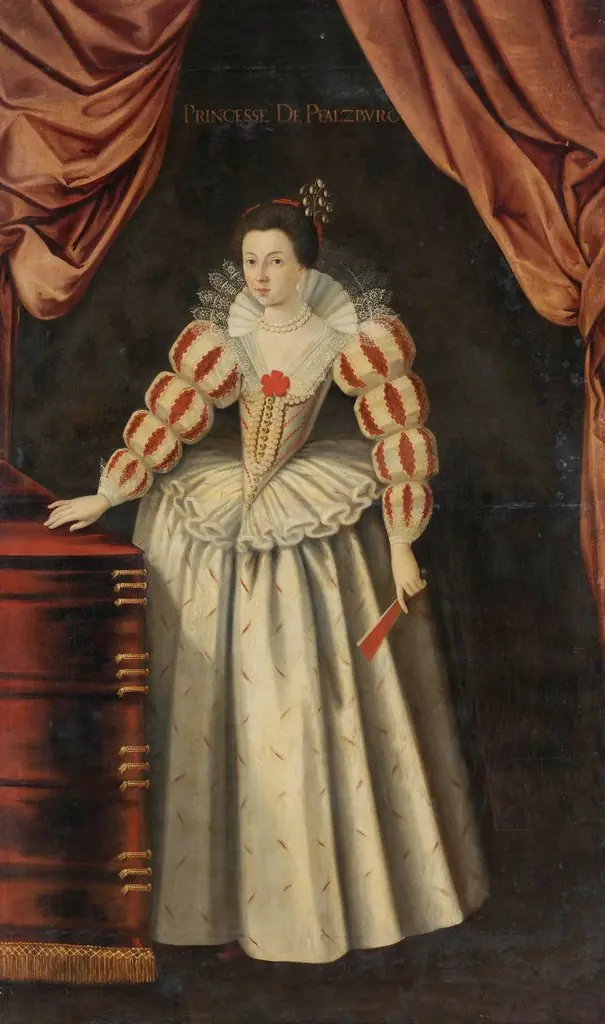 Henriette von Lothringen (1605-1660)
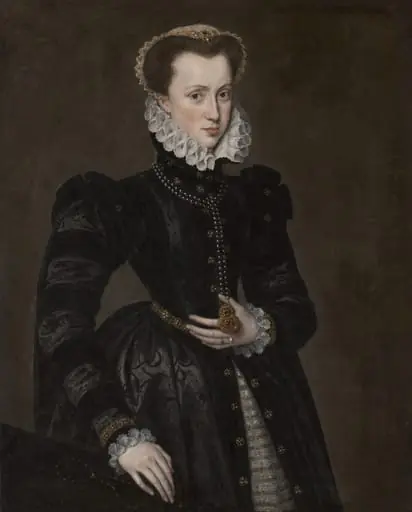 Portrait of a Court Lady
 Anna Maria, 1549-1580, ärkehertiginna