Artwork
St. Thomas
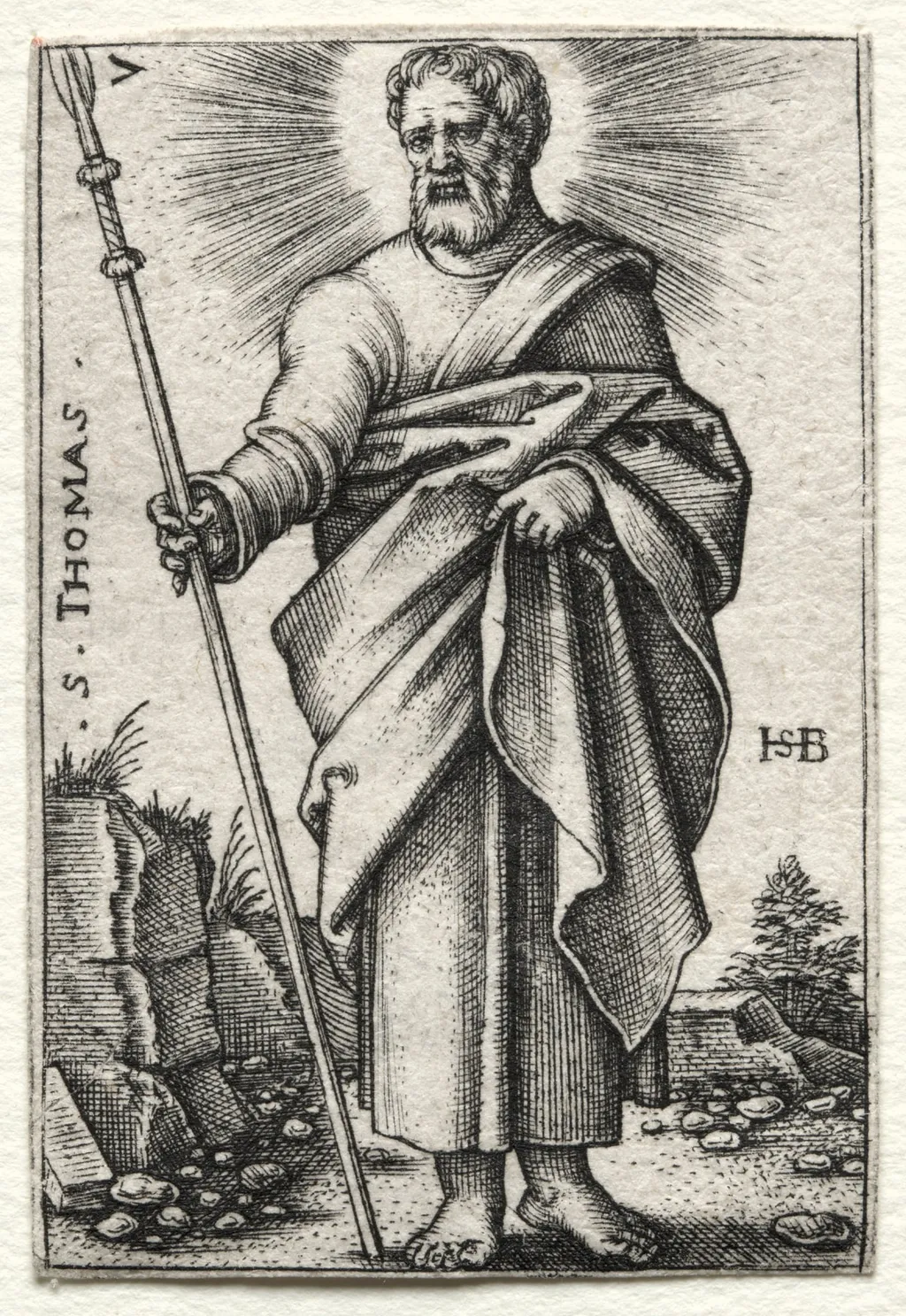
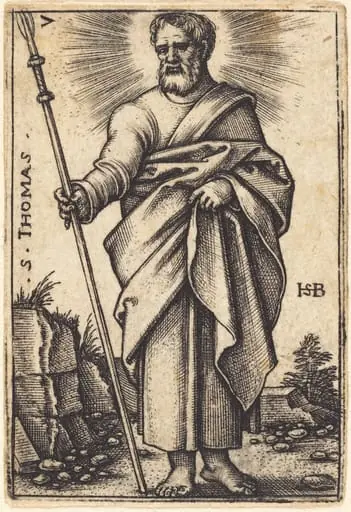
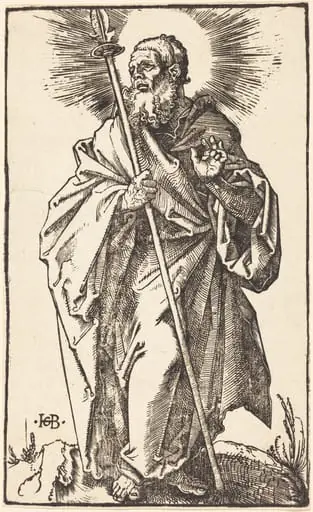
St. Thomas is a print by the Renaissance artist Sebald Beham. It dates from 1546 and is held in the collection of the Cleveland Museum of Art. St.
About this work
Overview
St. Thomas is a 1546 print by Hans Sebald Beham, a prominent German artist of the early 16th century. Characterized by intricate details, it exemplifies the work of the 'Little Masters,' a group of German printmakers who followed in the tradition of Albrecht Dürer.
Subject & Meaning
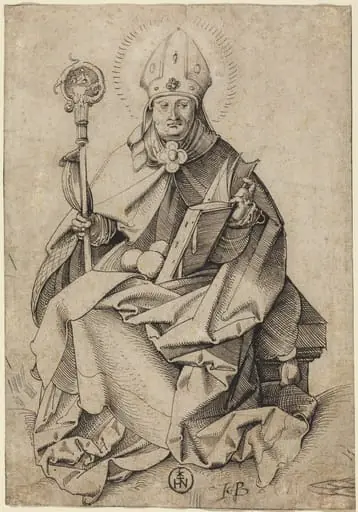
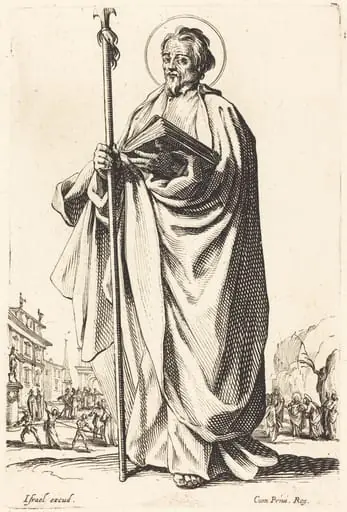
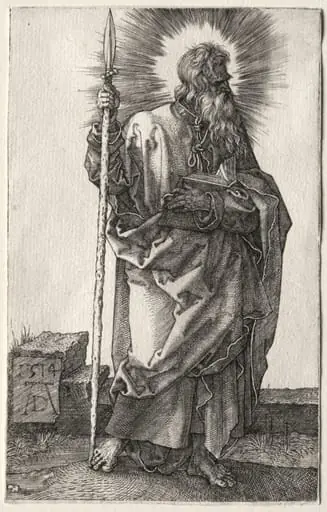
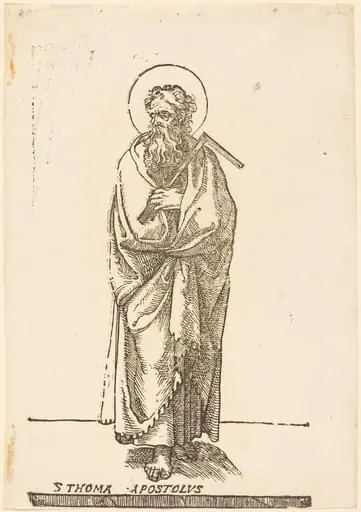
The print depicts St. Thomas, identifiable by his halo and traditional attire. He stands in a serene, rocky landscape, holding a staff wrapped with rope in one hand and a cloth in the other, conveying a sense of contemplation and spiritual authority.
Technique & Style
Executed in a style indicative of the Renaissance, St. Thomas showcases Beham's mastery of detailed printmaking, likely an engraving or etching given his known preferences. The level of intricacy aligns with the 'Little Masters' penchant for small-scale, highly detailed works.
History & Provenance
Created in 1546 by Hans Sebald Beham, the print is now part of the Cleveland Museum of Art's collection. Beham, active in Nuremberg and later Frankfurt, was renowned for his prolific output of woodcuts, engravings, and etchings.
Context
St. Thomas reflects the religious themes common in 16th-century German art, while its execution highlights the technical advancements and artistic preferences of the period, bridging the gap between Dürer's influence and the emerging styles of the time.
Legacy
As a work by a leading 'Little Master,' St. Thomas contributes to the understanding of the transition in German printmaking from Dürer's era to the later 16th century, showcasing the enduring influence of these artists on the development of European printmaking traditions.
Artist & collection
Artist
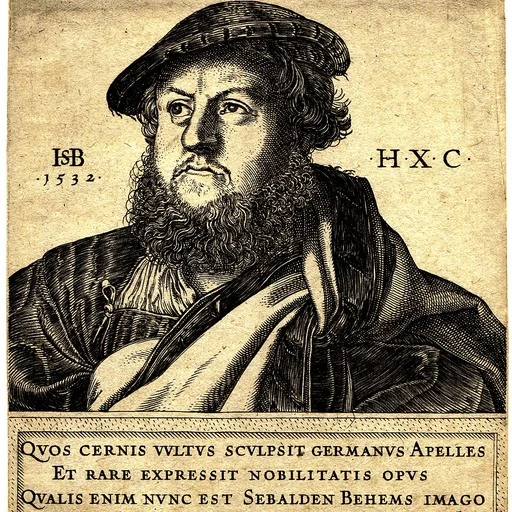
Sebald Beham (1500–1550) was a German painter and printmaker, mainly known for his very small engravings.