Artwork
Couple in a tavern
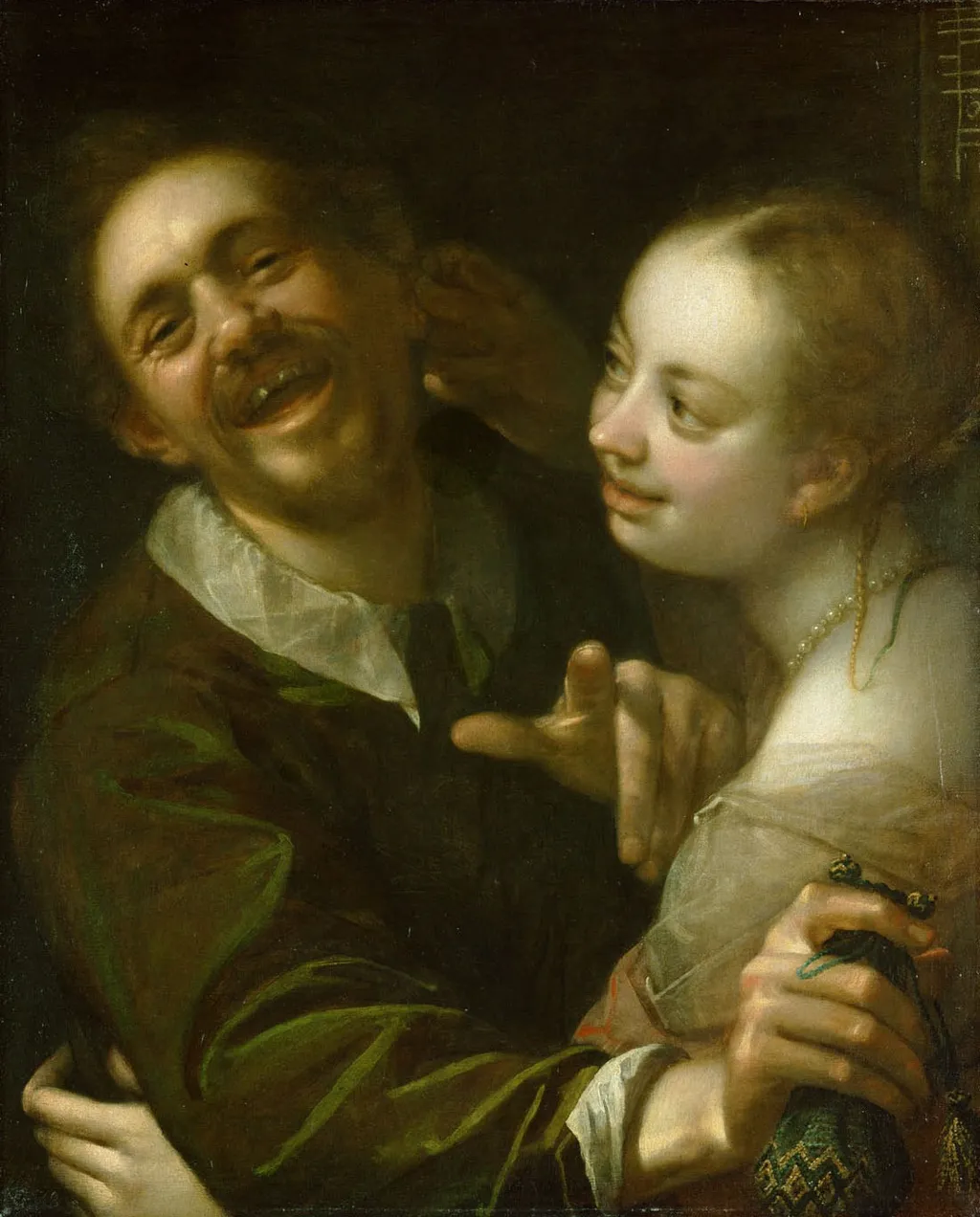
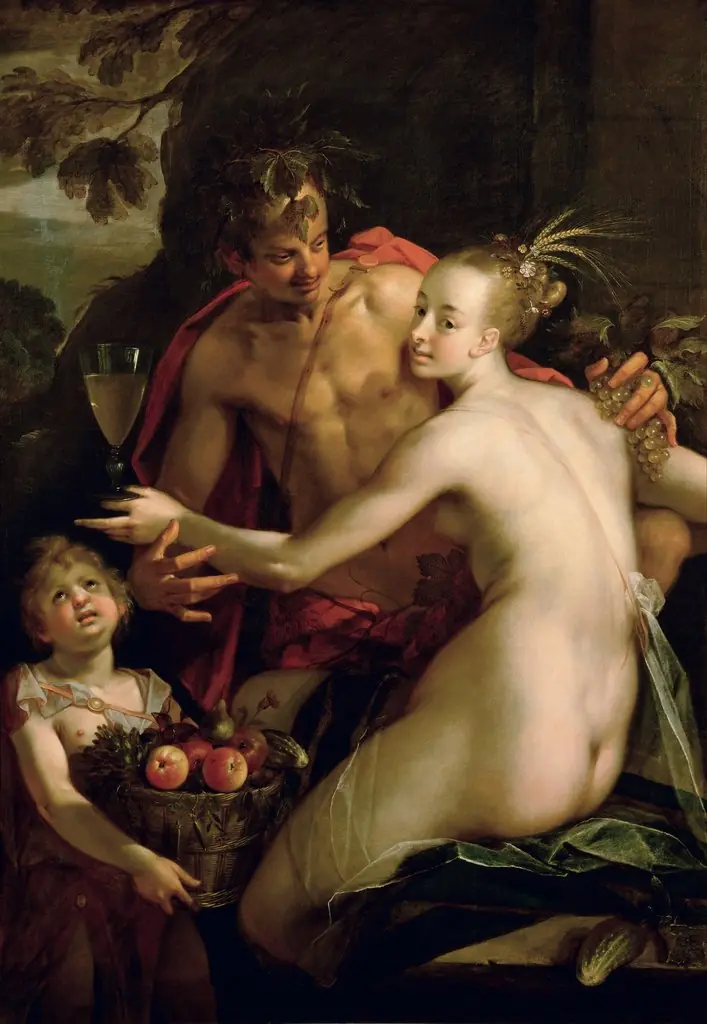
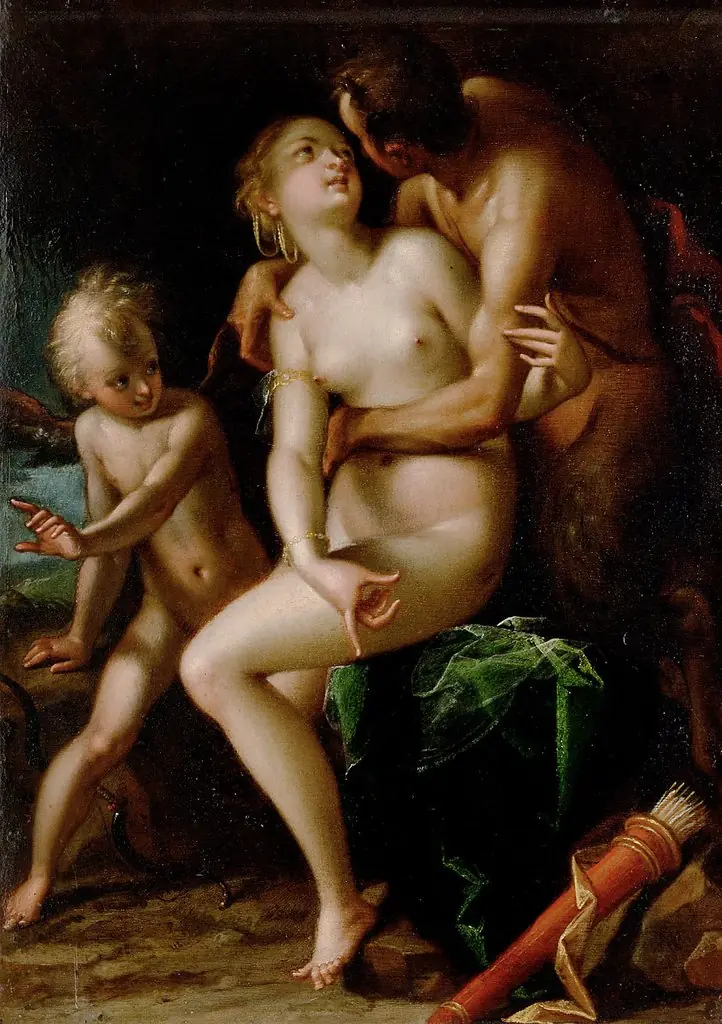
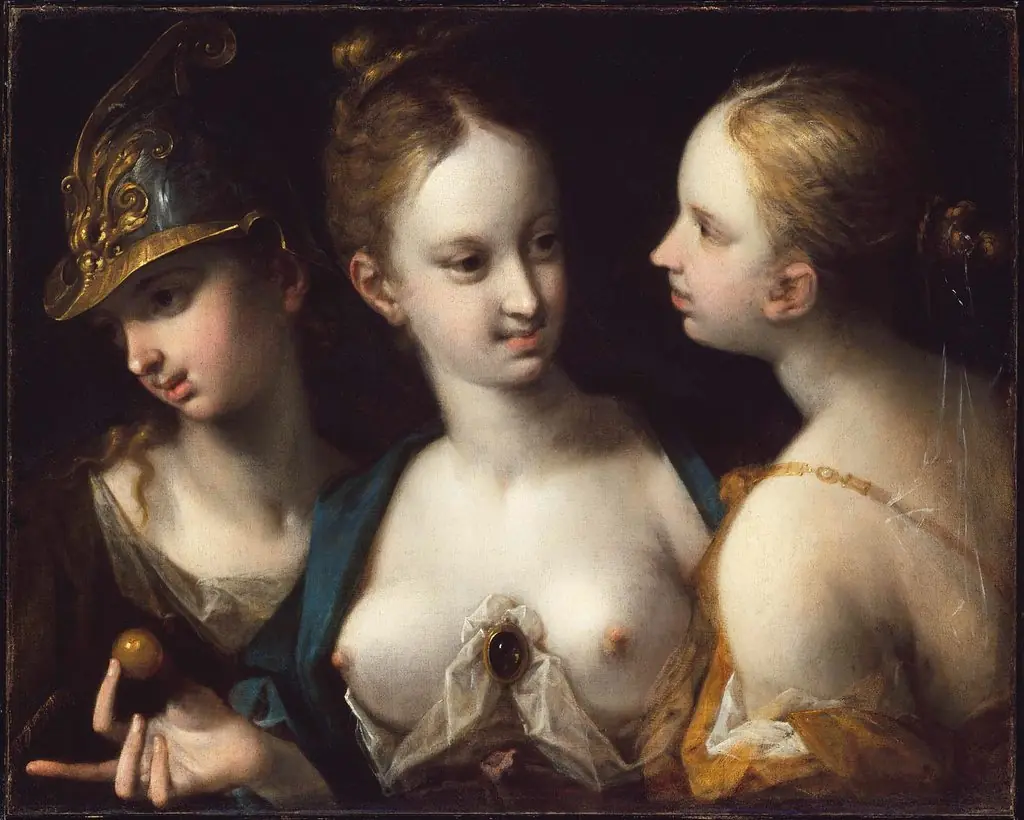
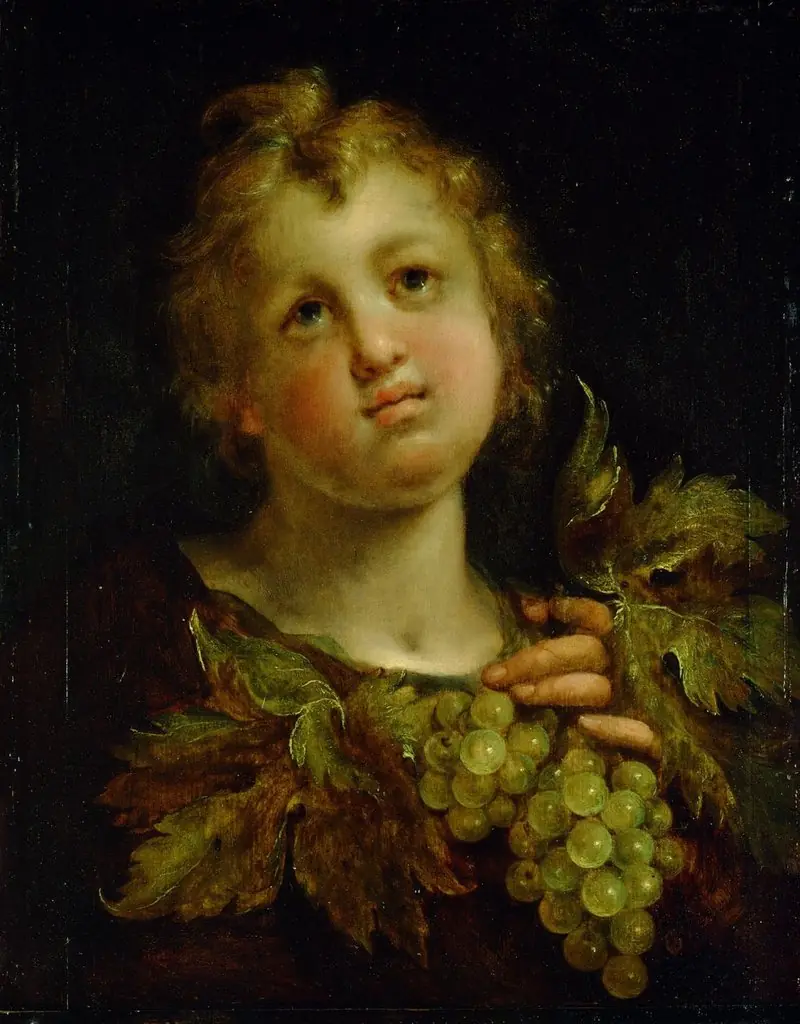
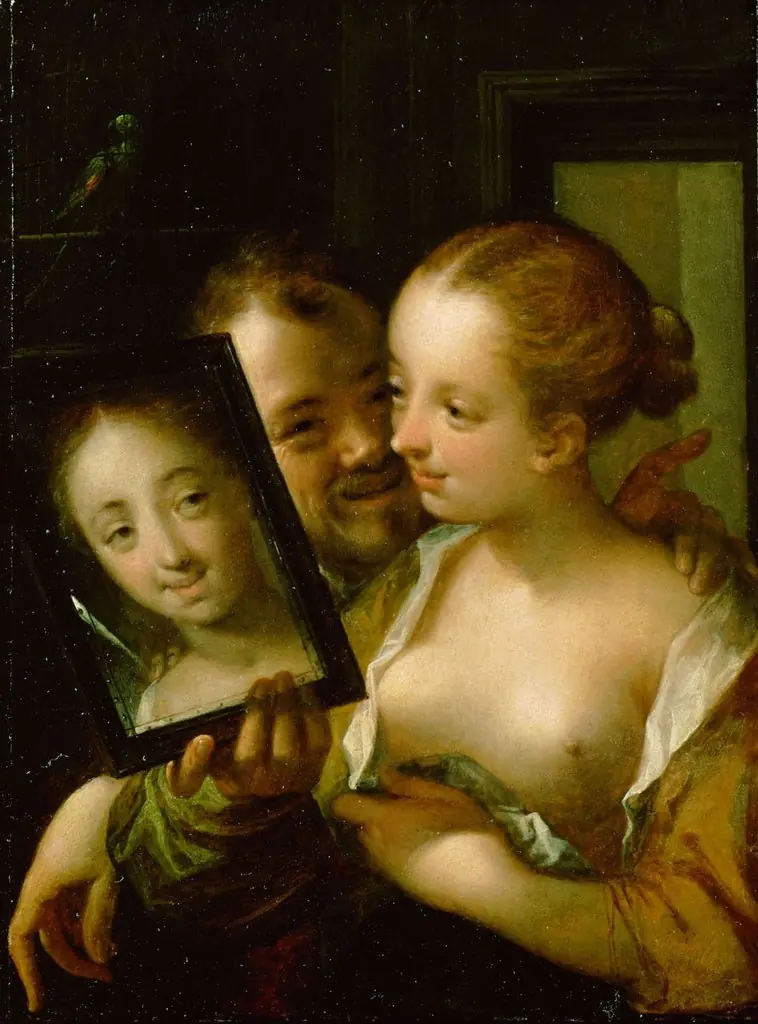
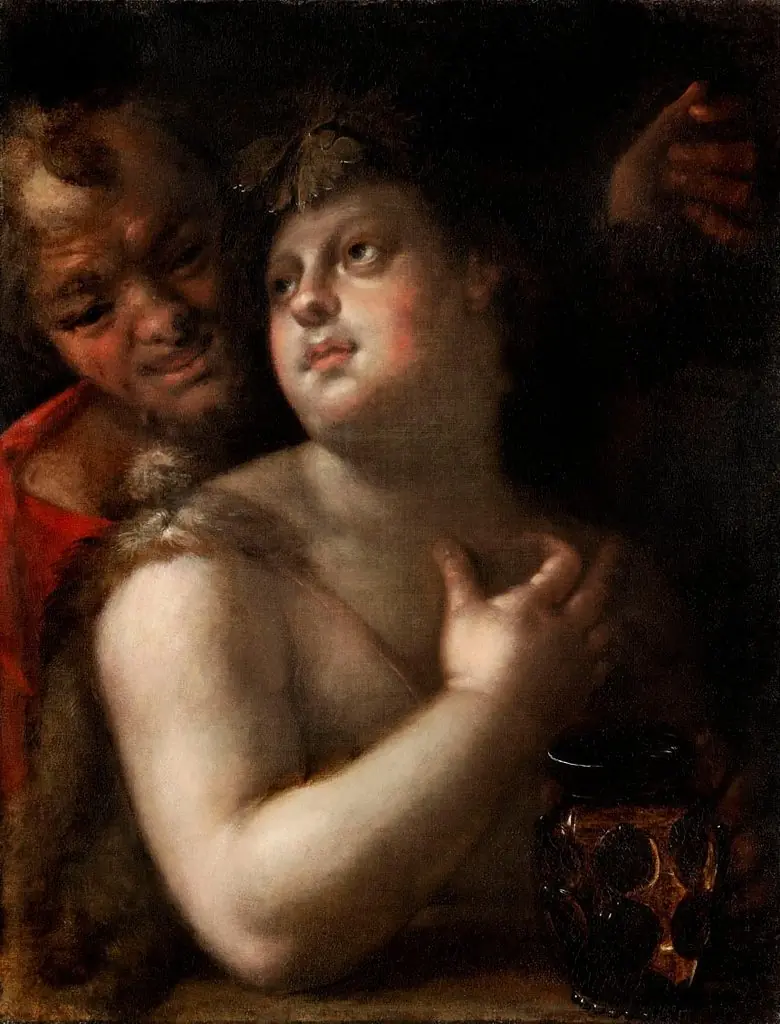
Couple in a tavern is a paint painting by the Mannerist artist Hans von Aachen. It dates from 1598 and is held in the collection of the Kunsthistorisches Museum.
About this work
Overview
Unlike his grand mythological works, this piece belongs to a smaller body of genre scenes, offering a glimpse into intimate, non-ritualized human interaction.
Painted in 1598 by Hans von Aachen, this oil on panel depicts a quiet moment between two figures in a dim interior. Unlike his grand mythological works, this piece belongs to a smaller body of genre scenes, offering a glimpse into intimate, non-ritualized human interaction. It reflects von Aachen’s ability to shift between courtly grandeur and unassuming domesticity, a flexibility that served his patrons in Prague’s imperial circle.
Subject & Meaning
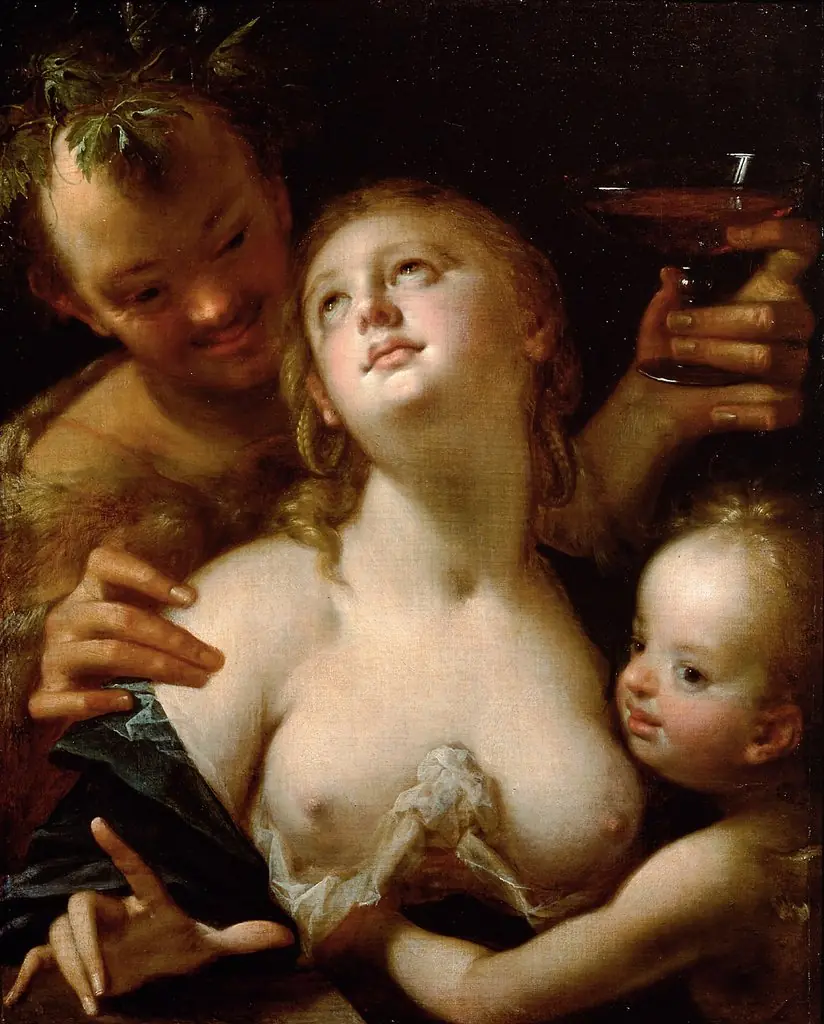
The figures—a man and woman—share a moment of unguarded amusement, their expressions suggesting familiarity and ease. The man’s broad grin and the woman’s restrained smile imply a private exchange, perhaps a shared joke or quiet flirtation. No narrative or moralizing context is provided; the scene’s value lies in its immediacy, capturing a transient emotional state rather than instructing or allegorizing.
Technique & Style
Von Aachen employs chiaroscuro to model the faces with soft, warm light, isolating them against a deep, shadowed background. The man’s skin glows subtly, while the woman’s gown flows in muted tones, enhancing the sense of intimacy. Brushwork is refined but not overly polished, preserving a tactile realism that grounds the scene in physical presence rather than idealized form.
History & Provenance
The painting entered the collection of the Kunsthistorisches Museum in Vienna, likely through the imperial holdings assembled under Rudolf II. As a favored court artist, von Aachen’s works were systematically collected by the emperor, and this piece may have been acquired directly from his studio. Its survival in good condition suggests it was preserved as a personal curiosity rather than a public display piece.
Context
In late 16th-century Prague, the imperial court fostered a fascination with both high allegory and the observation of everyday life. While von Aachen produced mythological cycles for ceremonial spaces, this tavern scene aligns with a broader European trend of genre painting gaining favor among elite collectors. It reveals how courtly taste could accommodate quiet, human moments alongside grander themes.
Legacy
Though less studied than his mythological works, this painting exemplifies von Aachen’s nuanced engagement with human expression. It stands as a quiet counterpoint to the exaggerated elegance of Northern Mannerism, offering a restrained, psychologically attuned vision of domestic life. Its preservation underscores the value placed on intimate observation within imperial collections of the period.
Artist & collection
Artist
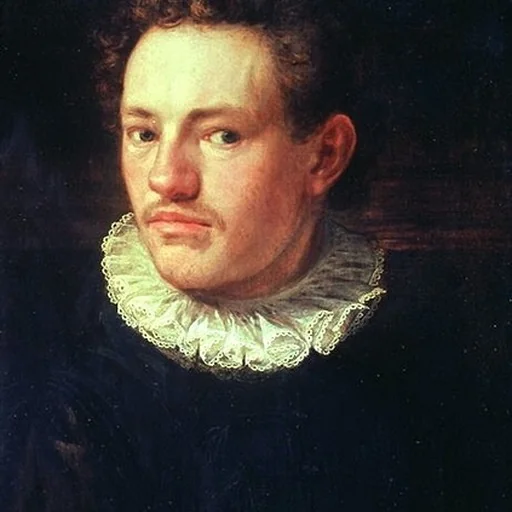
Hans von Aachen (1552 – 4 March 1615) was a German painter who was one of the leading representatives of Northern Mannerism.