Artwork
Tarquinius und Lukrezia
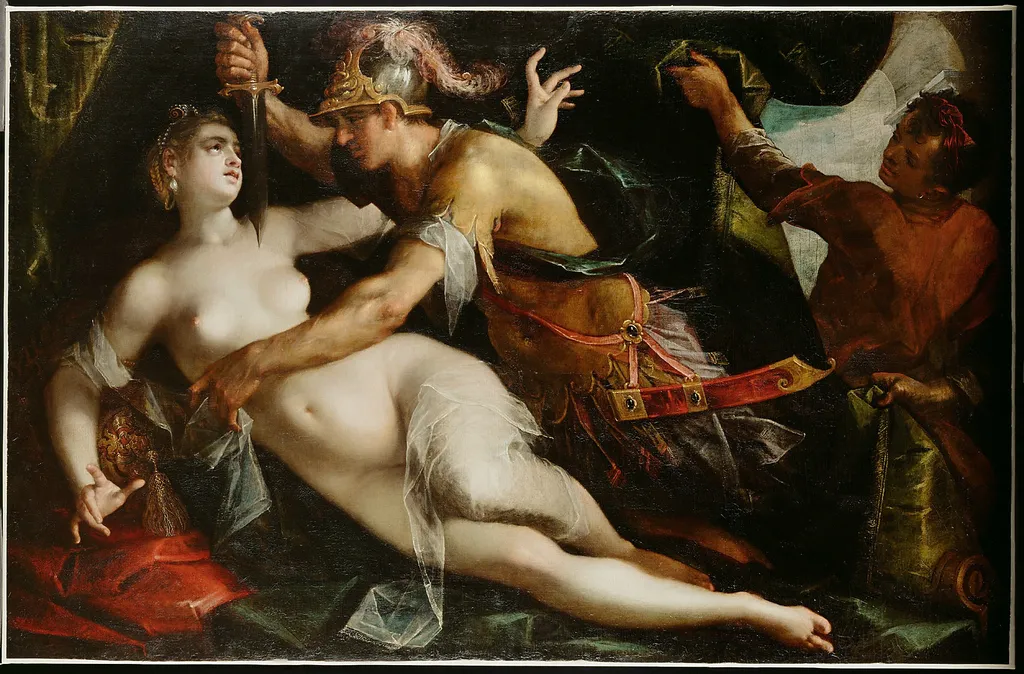
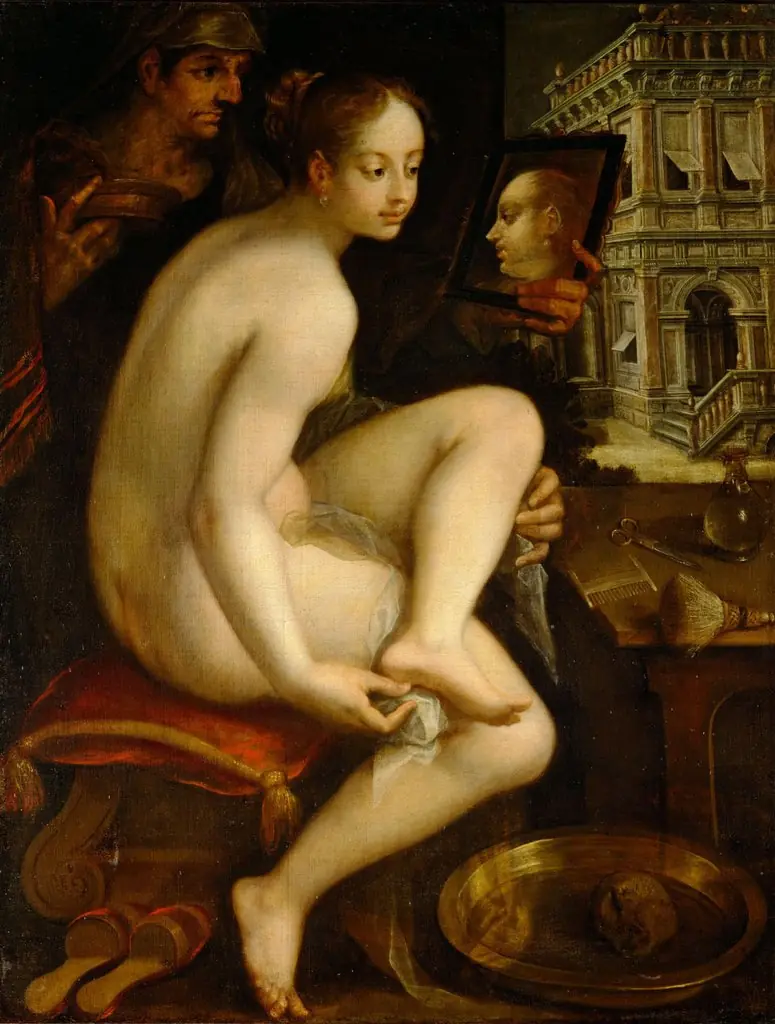
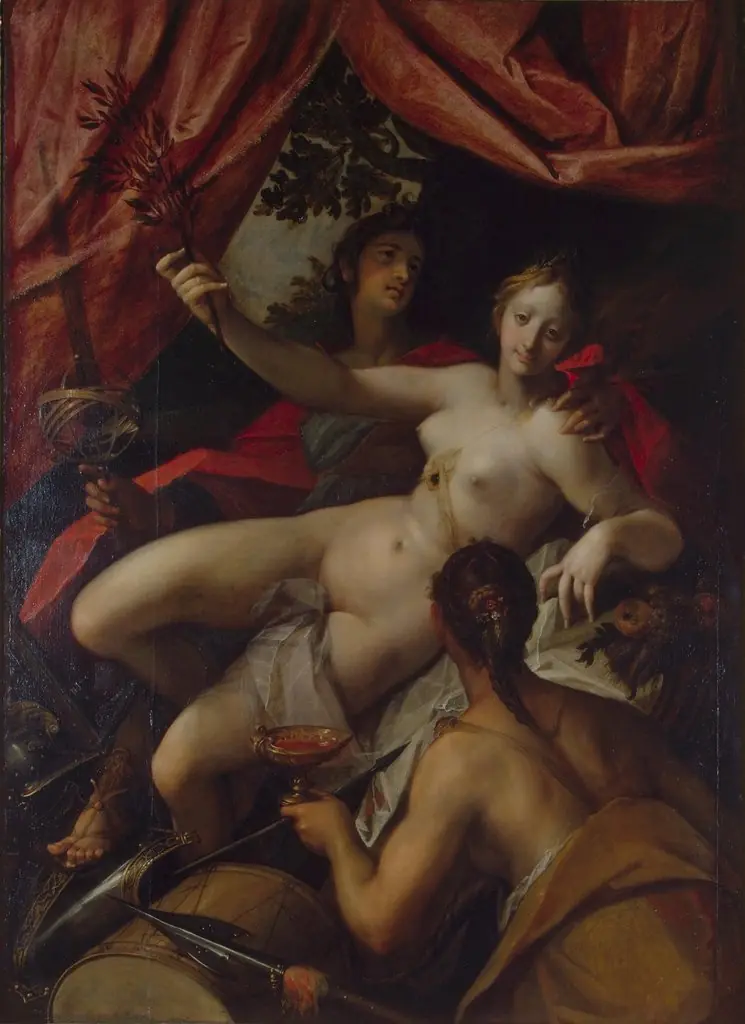
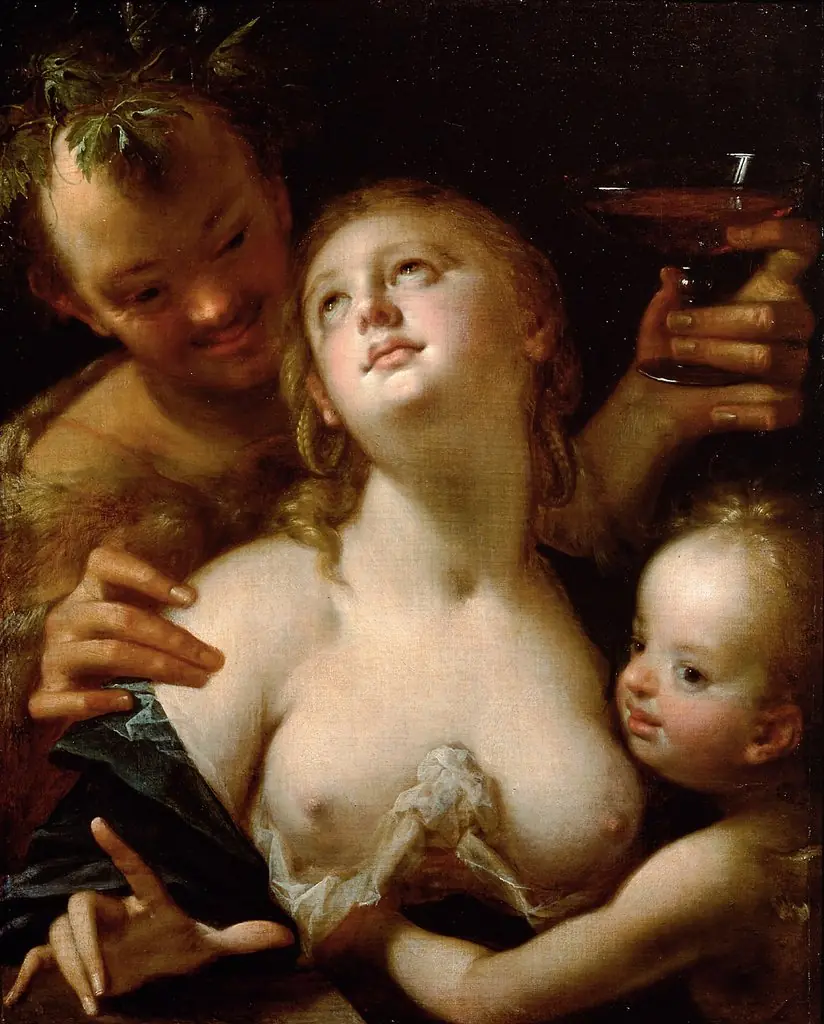
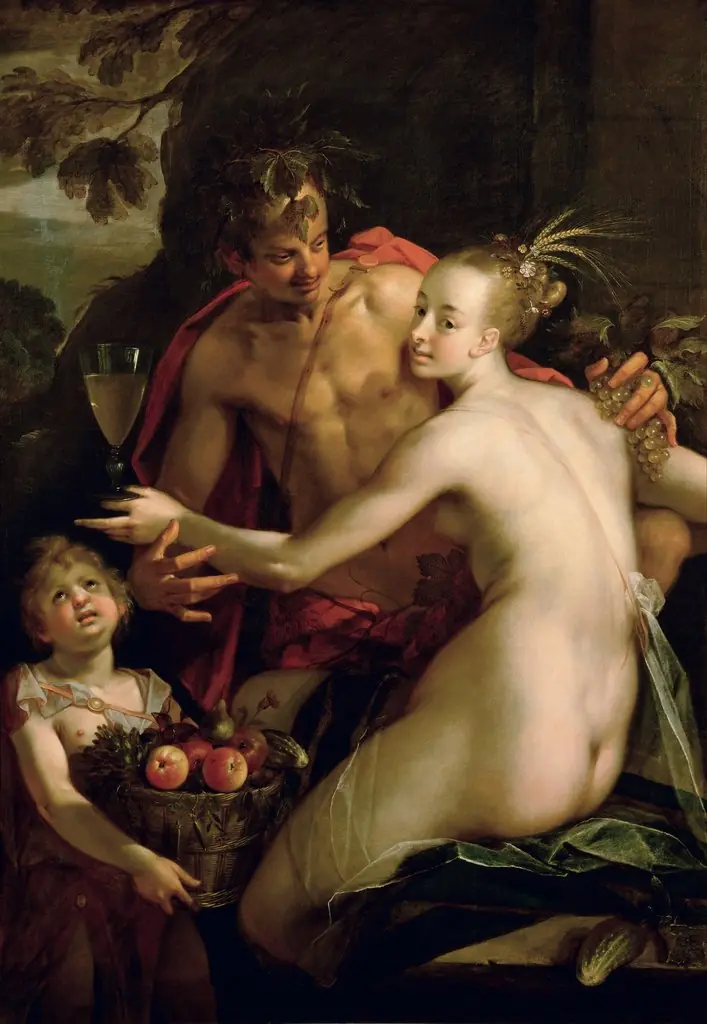
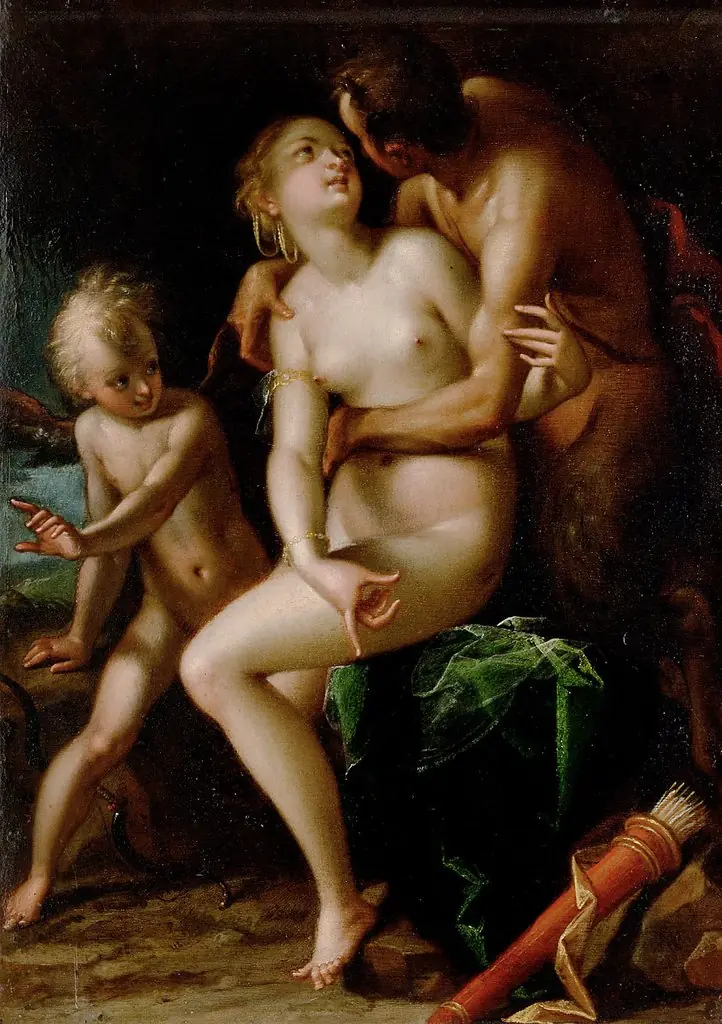
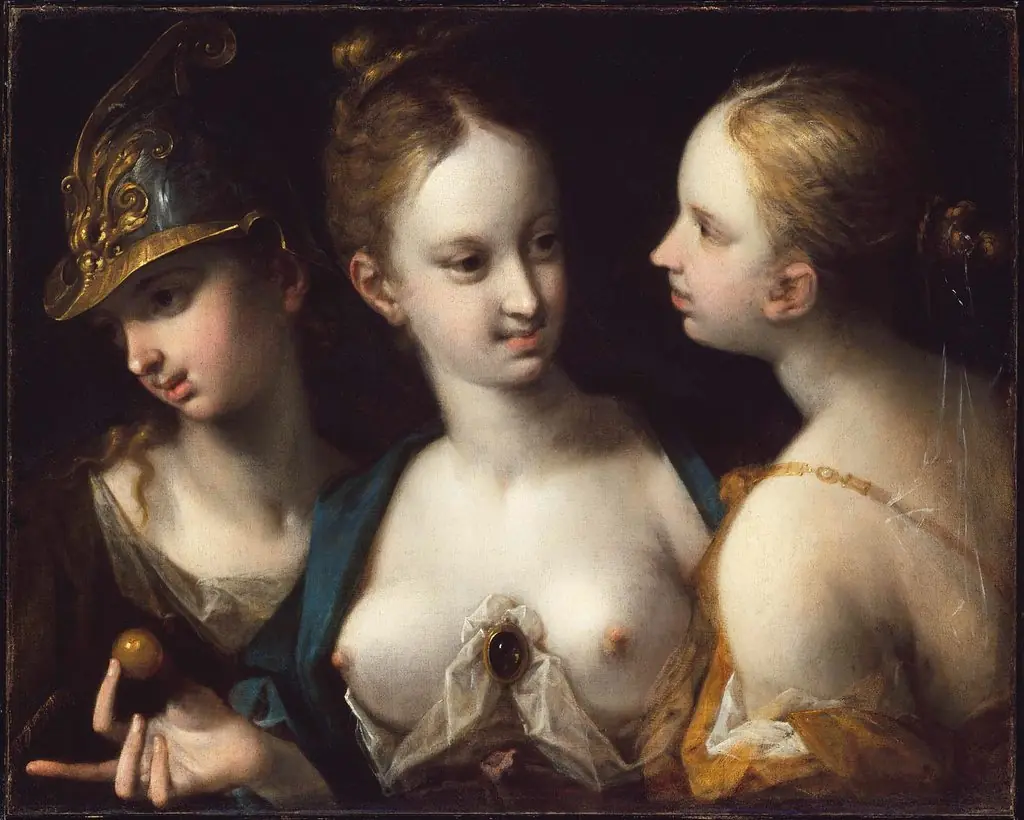
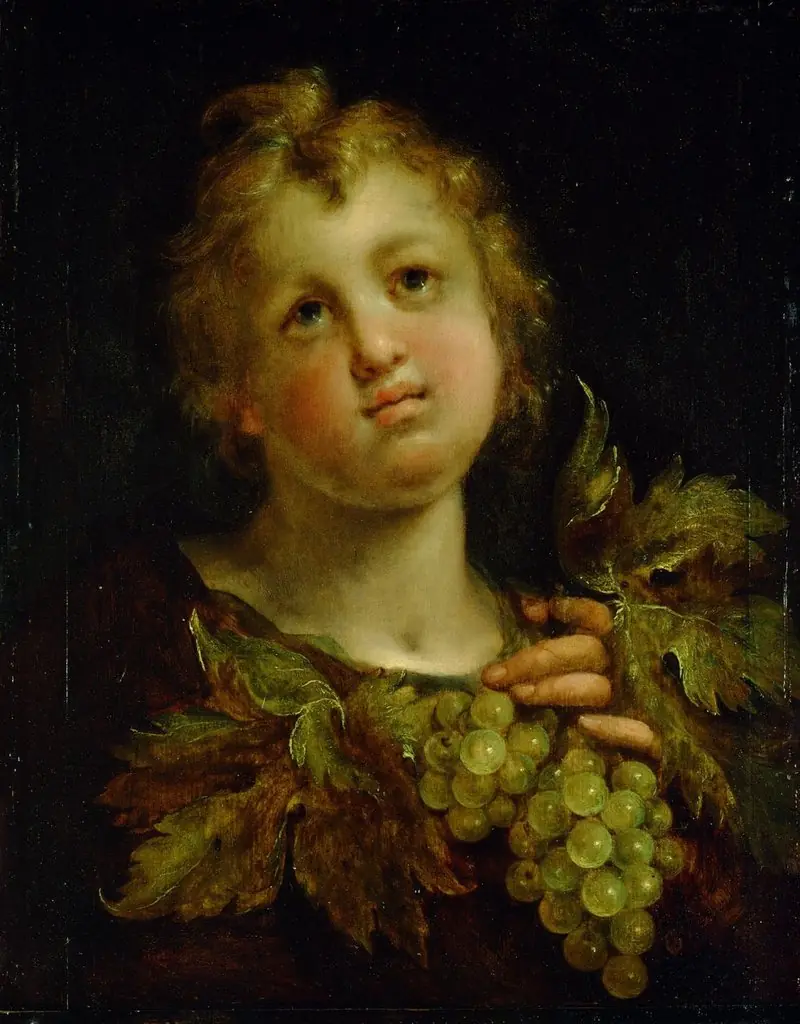
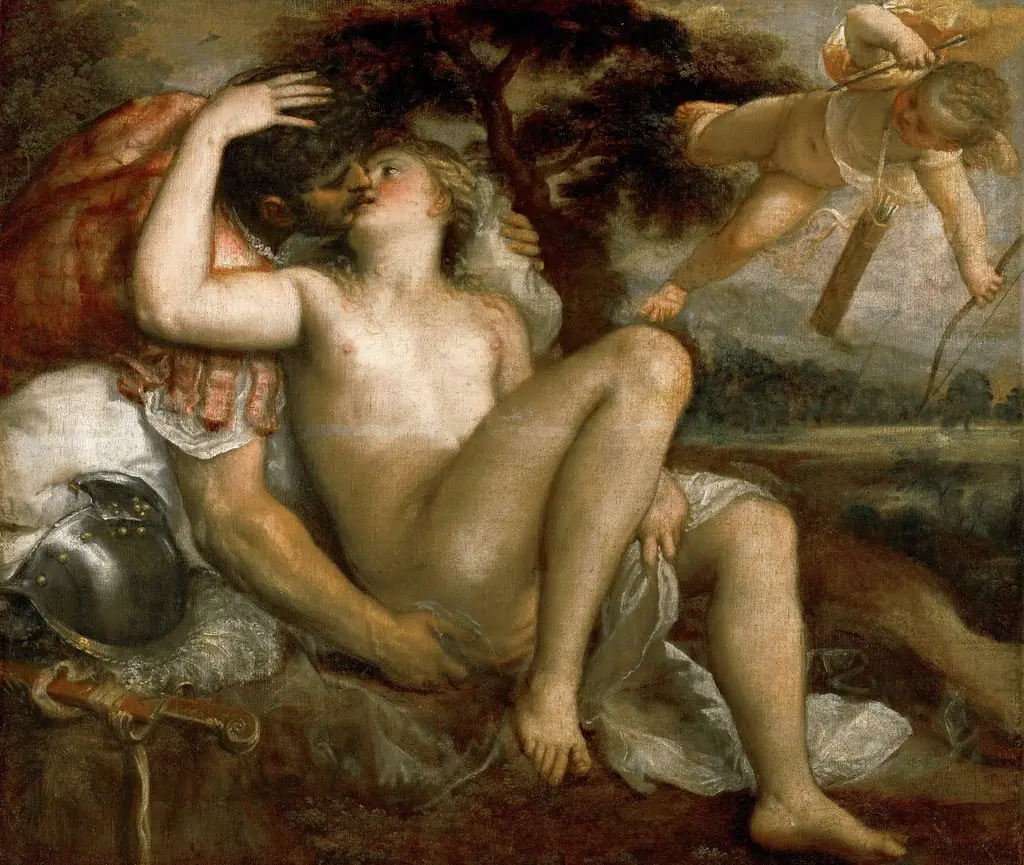
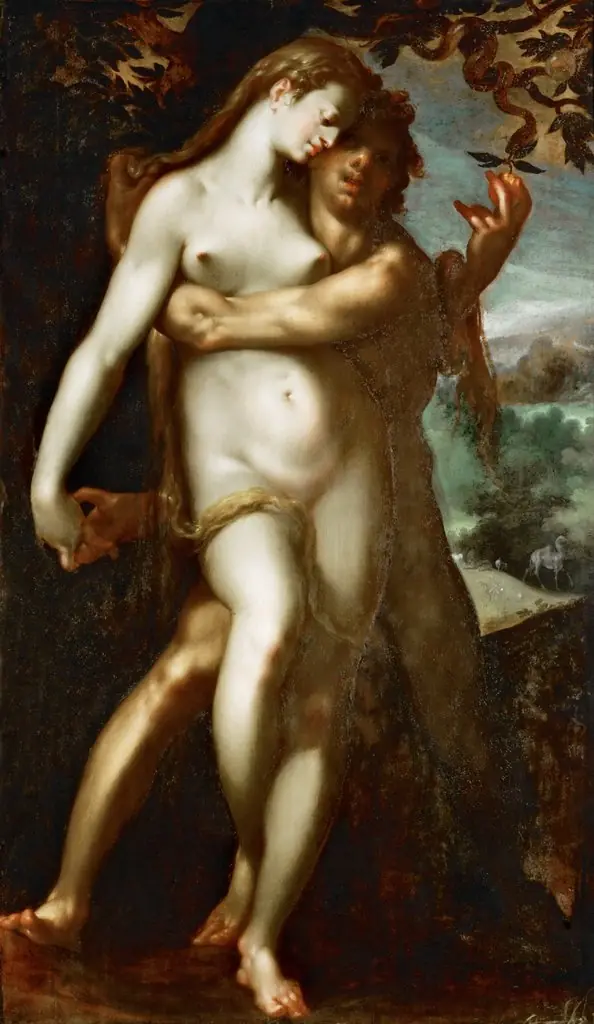
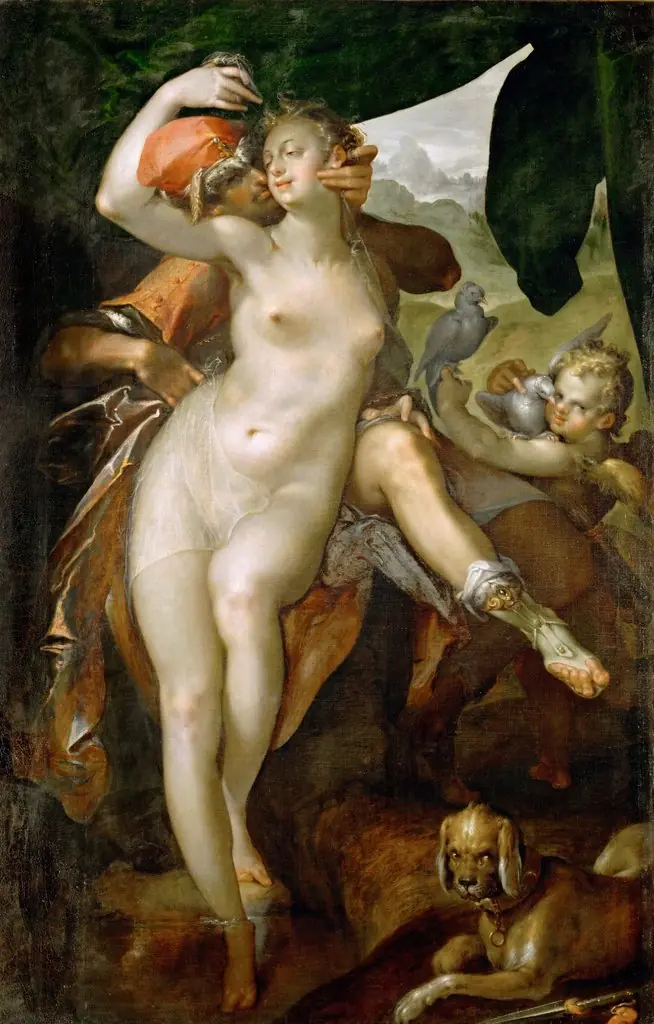
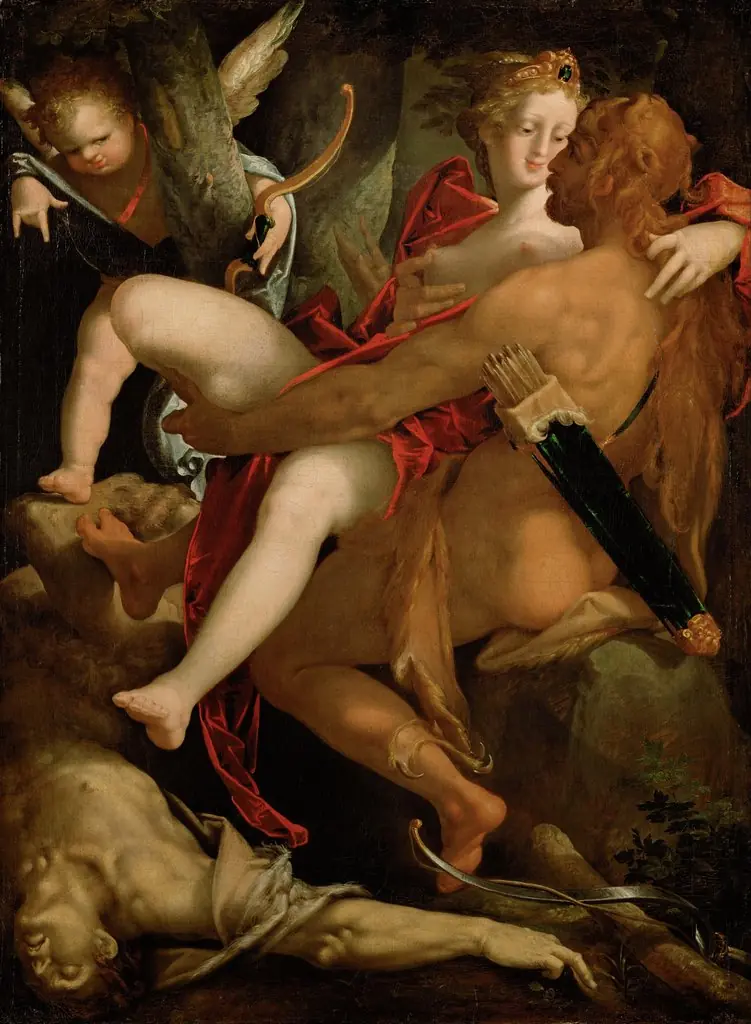
Tarquinius und Lukrezia is an unspecified painting by the Early Baroque Italian artist Hans von Aachen. It dates from 1600 and is held in the collection of the Kunsthistorisches Museum.
About this work
The painting is called Tarquinius und Lukrezia.
It was made by Hans von Aachen in 1600.
The Kunsthistorisches Museum holds this work, which is an allegory - that means it's a painting that uses symbols to convey a message, often a moral one.
You can learn more about the use of symbols in art by looking into the technique of sfumato.
Overview
Created circa 1600 by the German artist Hans von Aachen, *Tarquinius und Lukrezia* is an oil painting now held in Vienna’s Kunsthistorisches Museum. Executed during the early phase of the Italian Baroque, the work illustrates a classical Roman tale while employing the allegorical language typical of the period.
Subject & Meaning
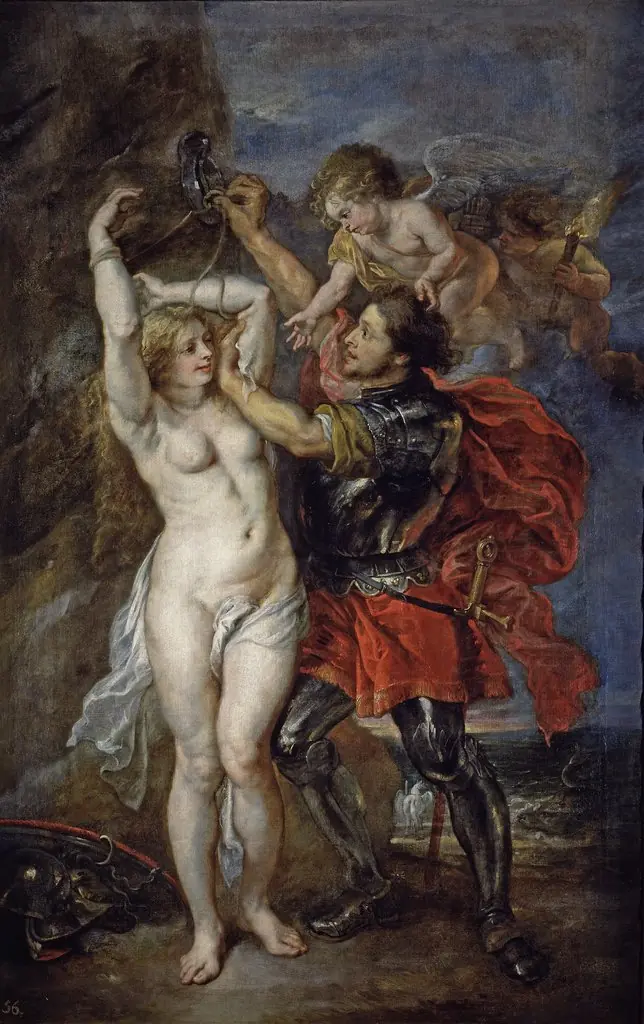
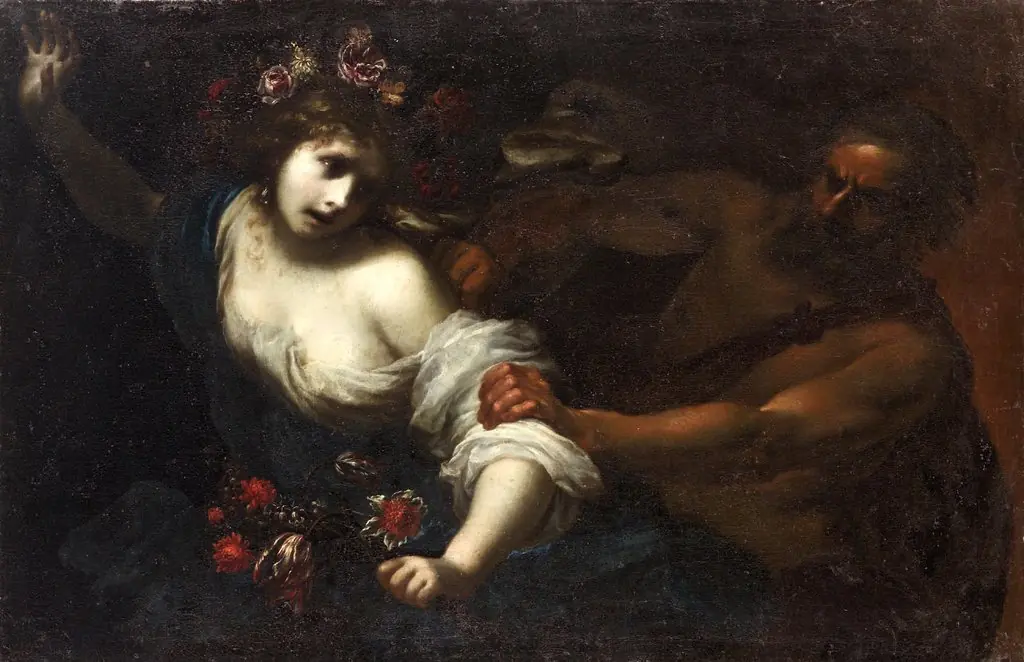
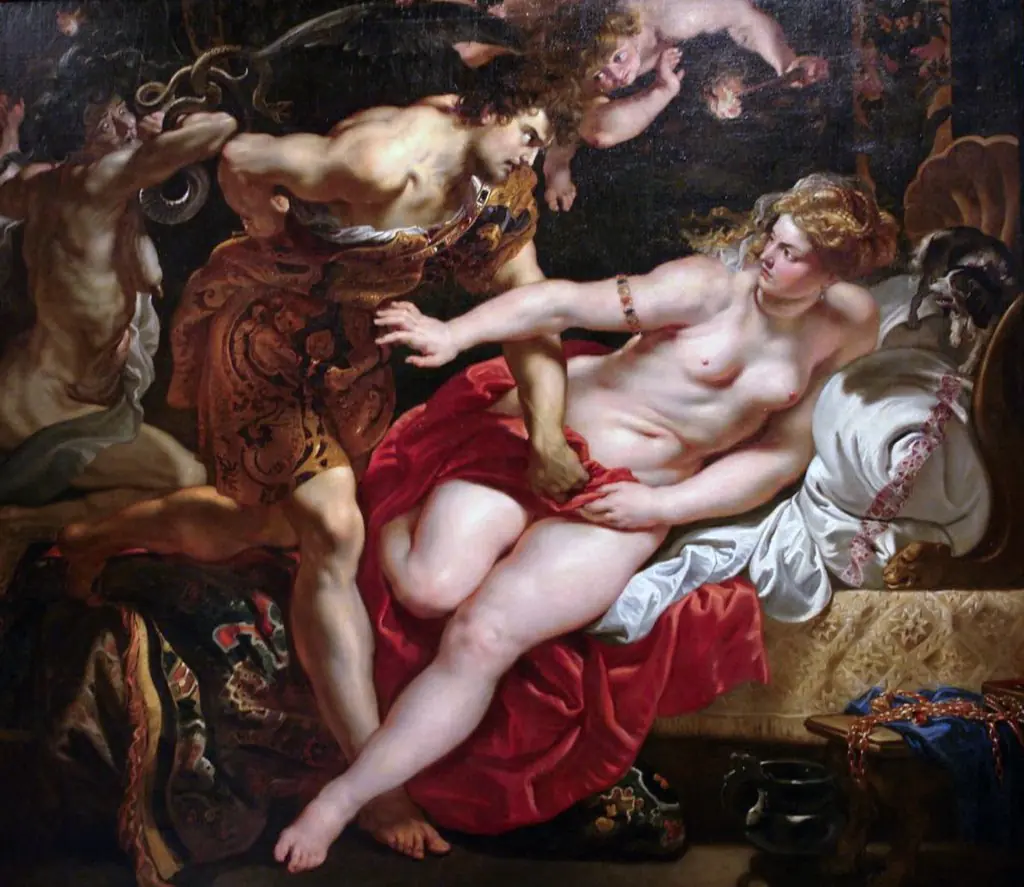
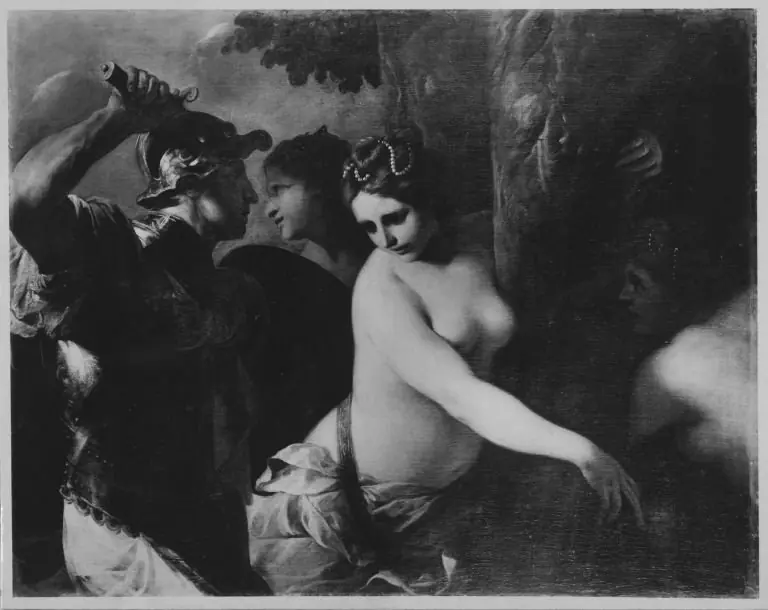
The composition visualises the story of Lucretia, the virtuous Roman woman whose forced dishonour by the son of King Tarquinius led to political upheaval. By presenting this narrative, the painting conveys themes of personal integrity, the consequences of tyranny, and the moral weight of chastity within a civic context.
Technique & Style
Von Aachen combines the soft transitions of sfumato with the dramatic chiaroscuro emerging in early Baroque art, giving the figures a three‑dimensional presence. The rendering of flesh is refined, reflecting his reputation for nude studies, while the surrounding symbols—such as the broken sword and fallen veil—function as visual cues to the story’s moral dimension.
History & Provenance
The work entered the imperial collection of Rudolf II, Holy Roman Emperor, who favored von Aachen’s eroticized mythological subjects. It later passed to the Habsburgs and was incorporated into the Kunsthistorisches Museum’s holdings in the 20th century, where it remains on public display.
Context
During the turn of the 17th century, artists across Europe were negotiating the shift from Mannerist elegance to Baroque dynamism. Von Aachen, trained in Italy and active in Prague, exemplifies this transition, merging Northern precision with Italian compositional vigor, and situating a Roman moral episode within a broader European visual discourse.
Artist & collection
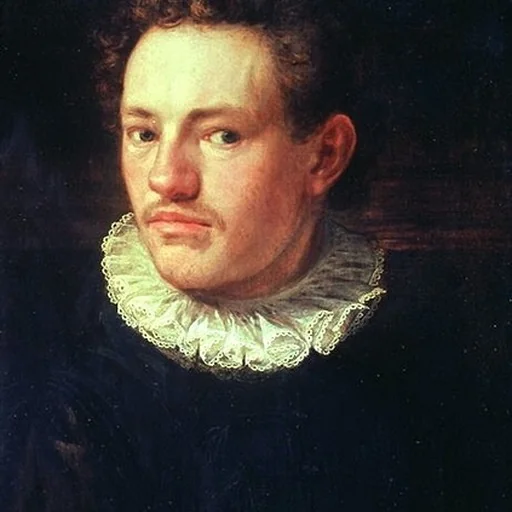
Artist
Hans von Aachen (1552 – 4 March 1615) was a German painter who was one of the leading representatives of Northern Mannerism.