Artwork
Pluto raupt Proserpina
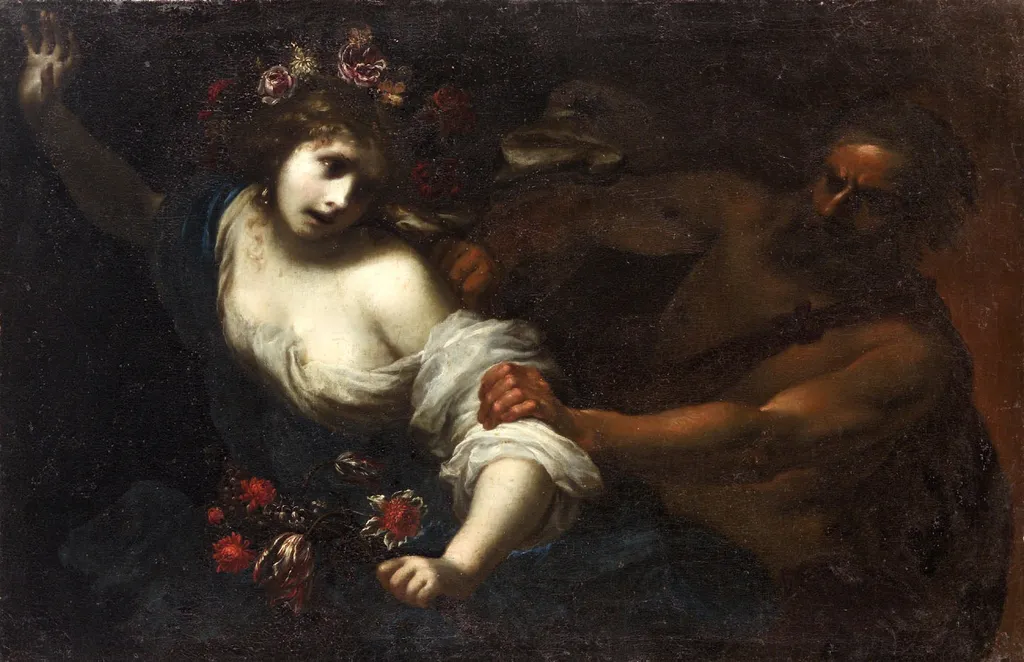
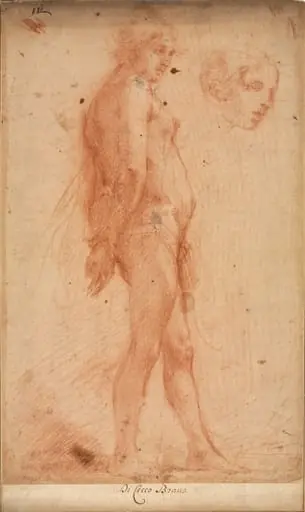
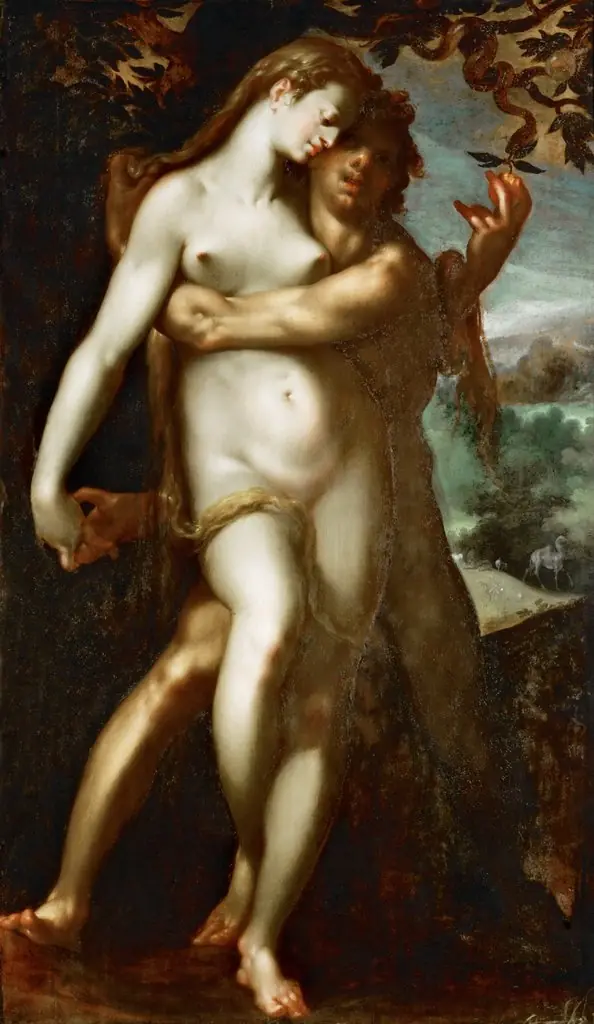
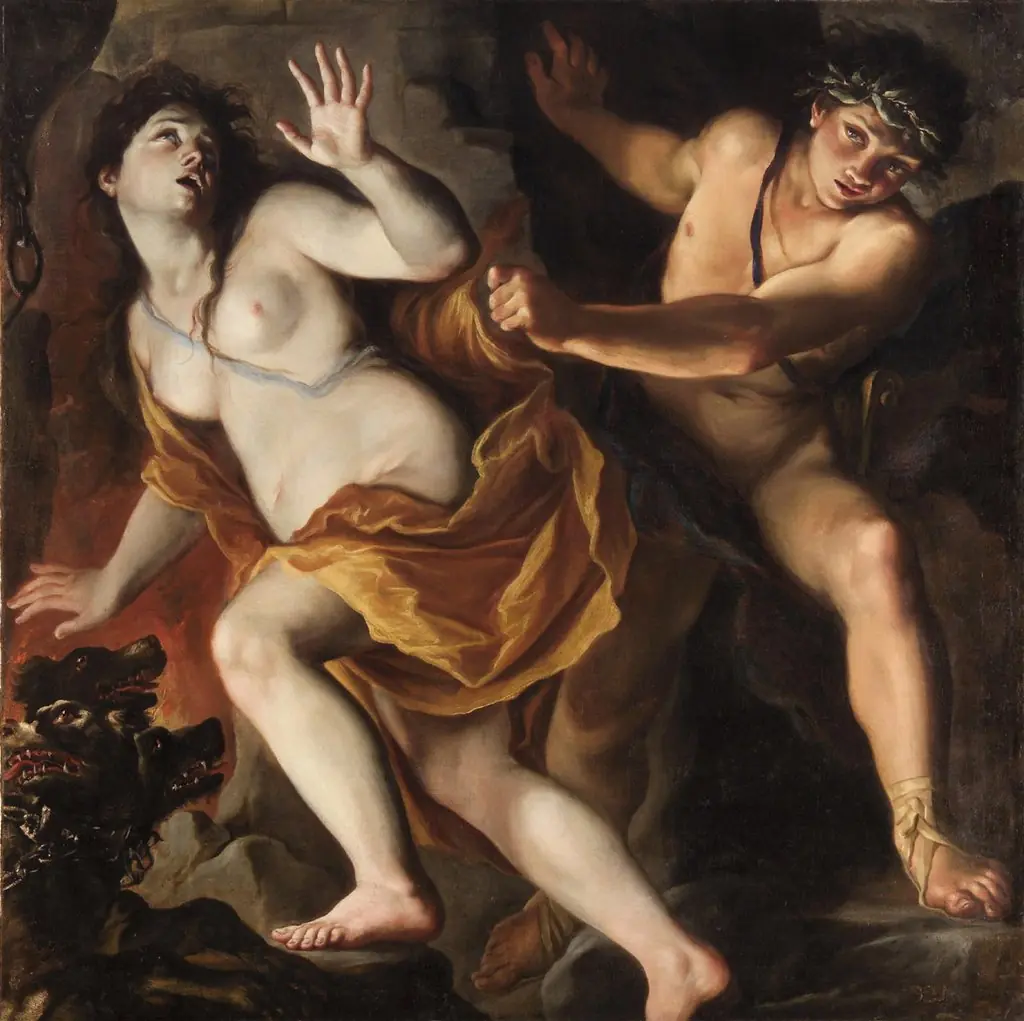
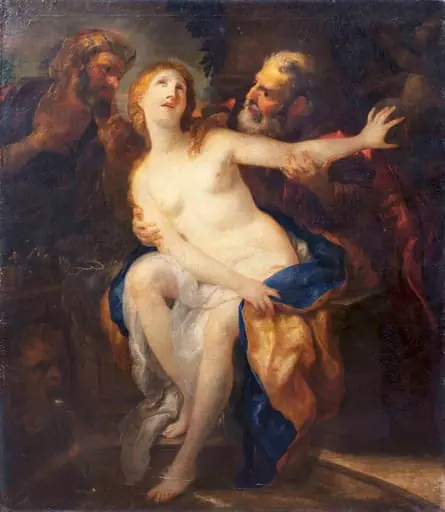
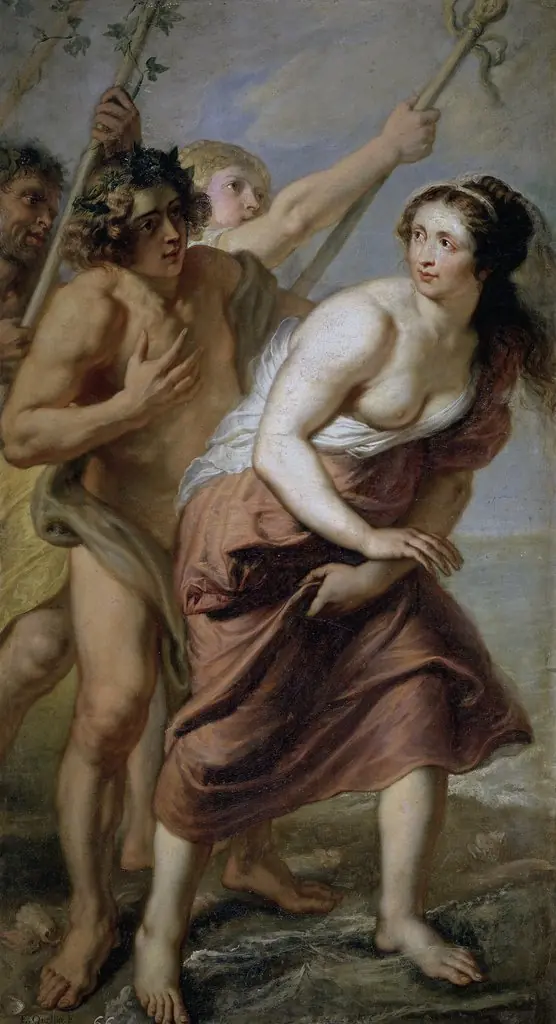
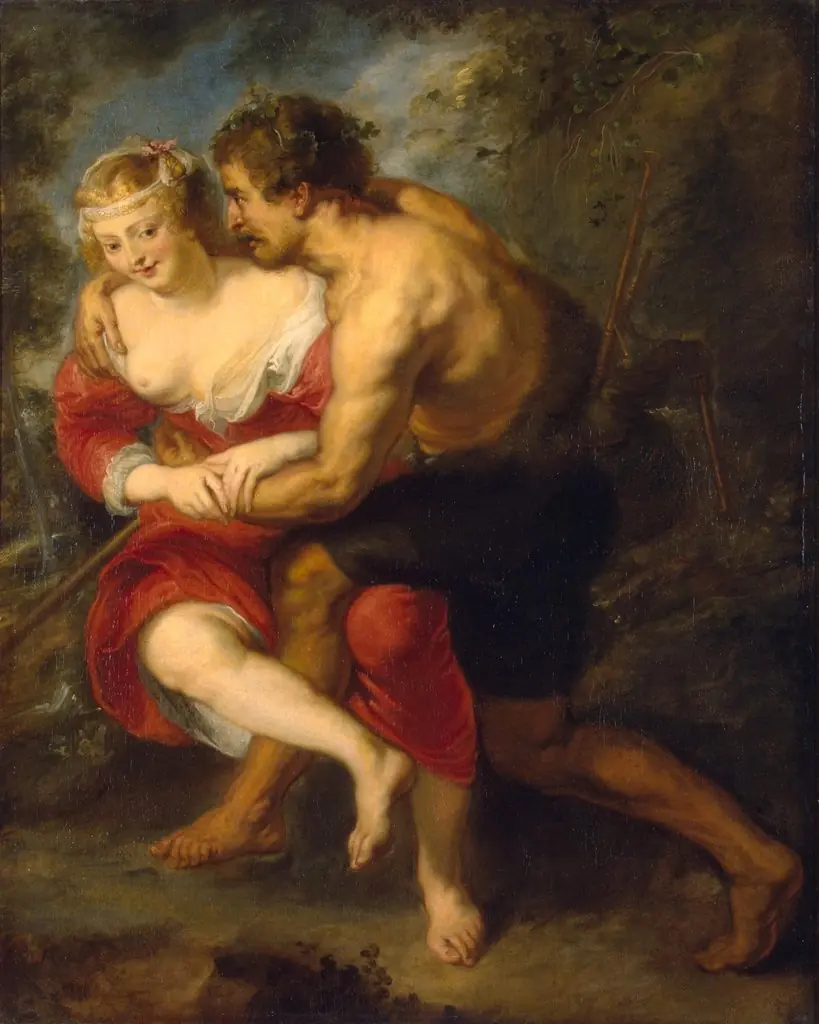
Pluto raupt Proserpina is an unspecified painting by the Barbizon school artist Cecco Bravo. It is held in the collection of the Kunsthistorisches Museum.
About this work
Overview
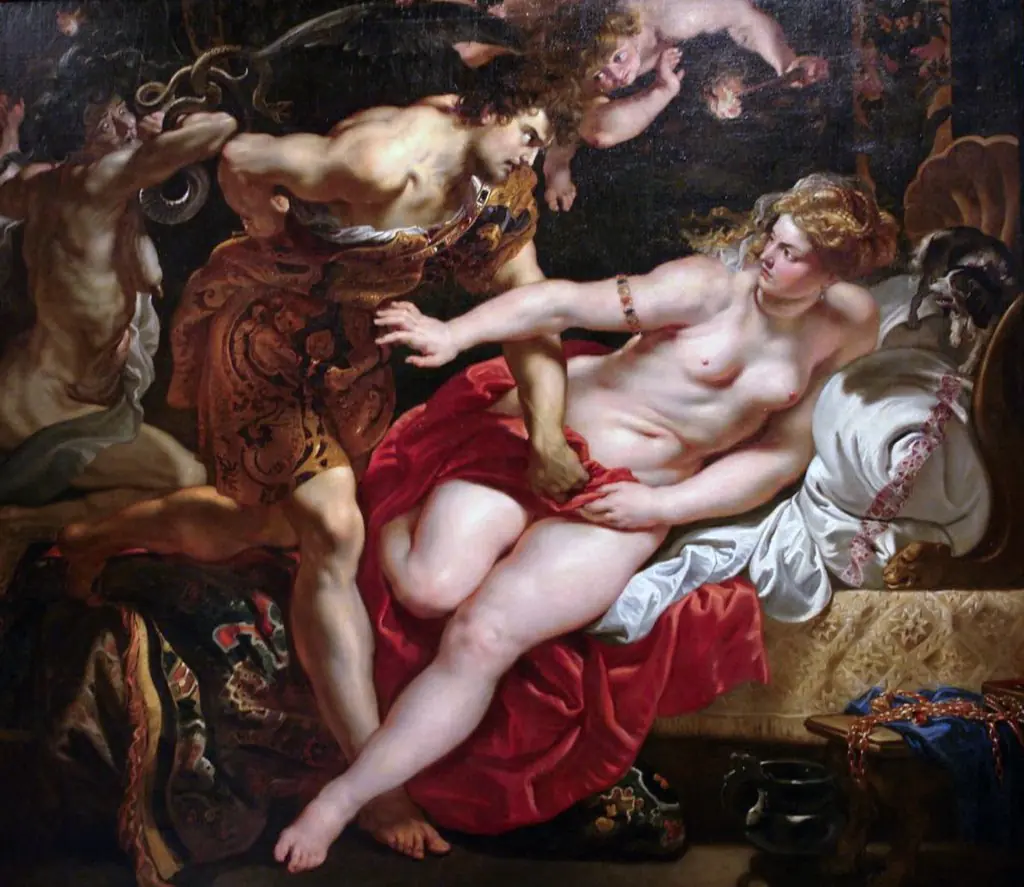
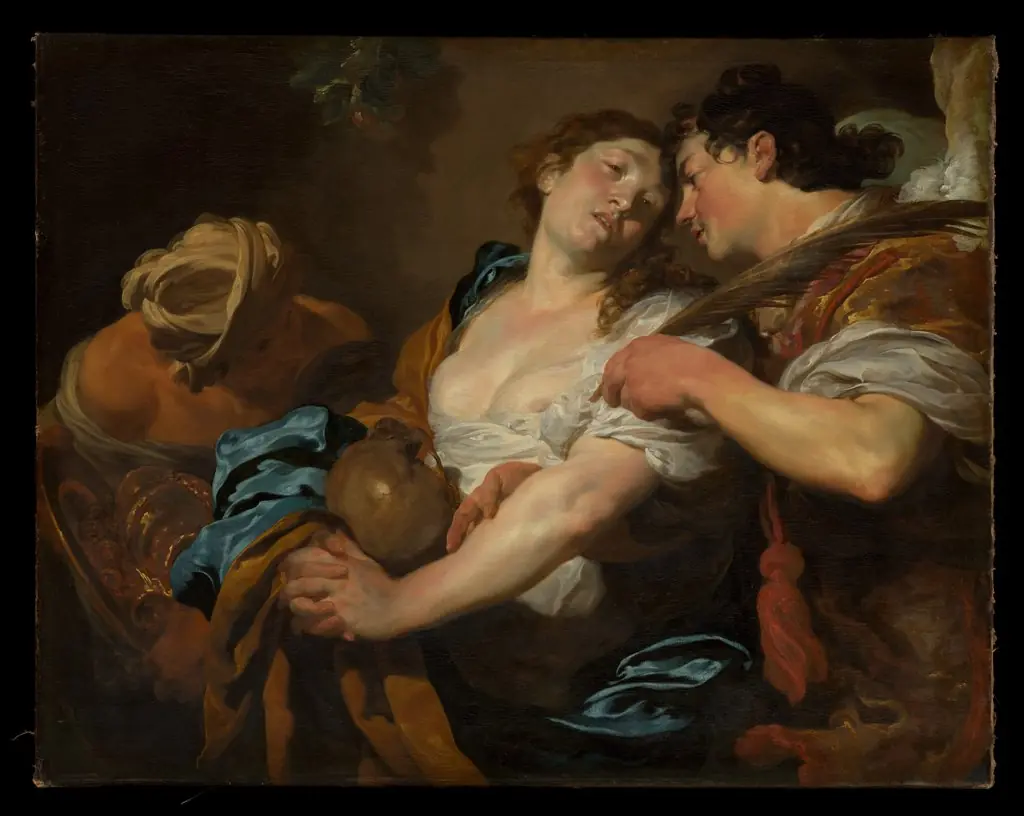
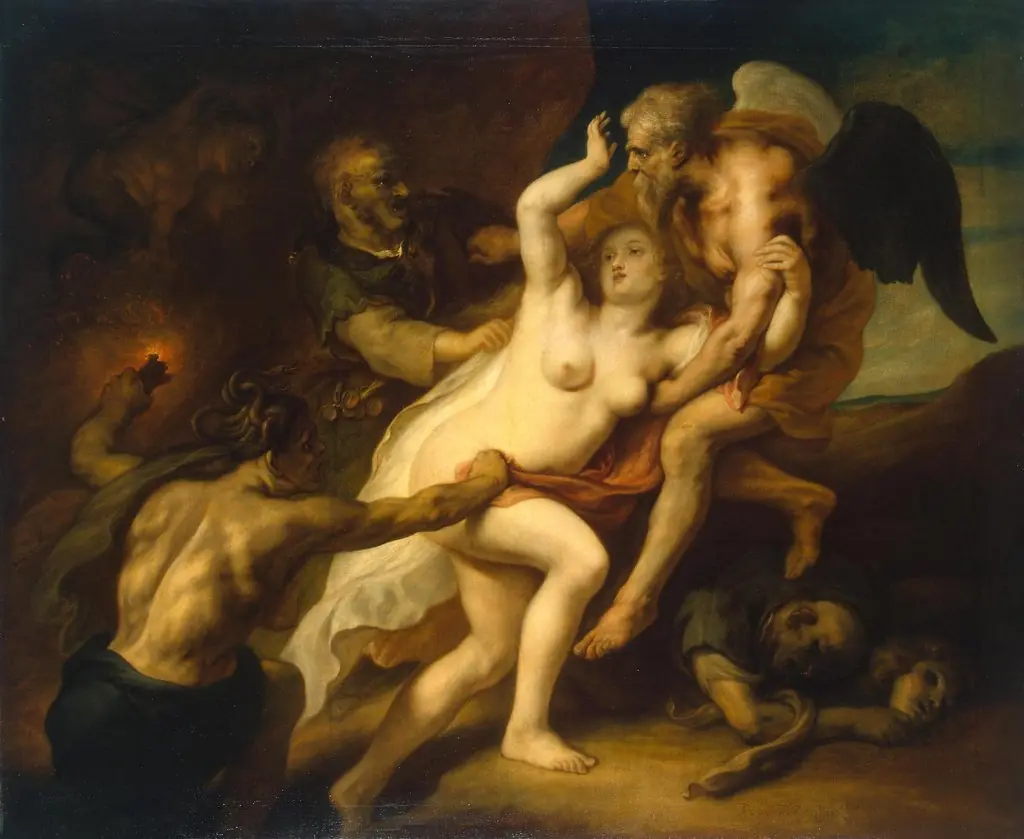
Created circa 1700 by the Florentine painter Francesco Montelatici, known as Cecco Bravo, *Pluto raupt Proserpina* is a mythological scene now in the collection of Vienna’s Kunsthistorisches Museum. Executed in the Baroque idiom of 17th‑century Florence, the work presents the dramatic abduction of the goddess Proserpina by the god Pluto, rendered with a strong emphasis on contrast and narrative tension.
Subject & Meaning
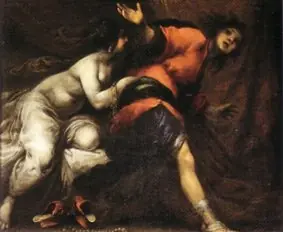
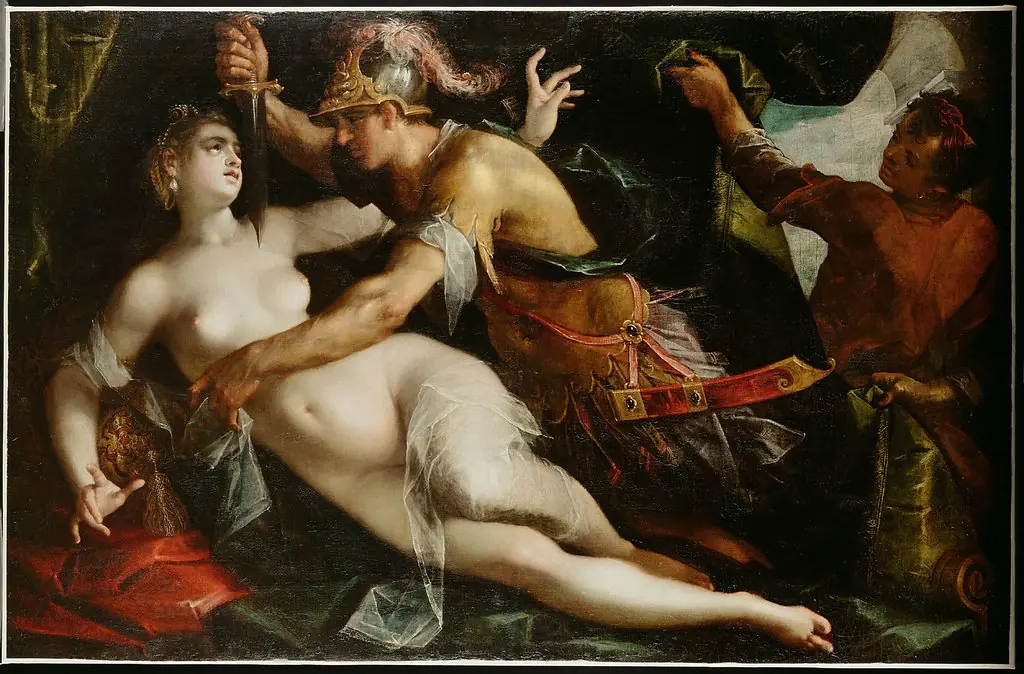
The goddess lies reclined, partially covered by a white drape, her expression subdued and melancholic, suggesting the loss of innocence.
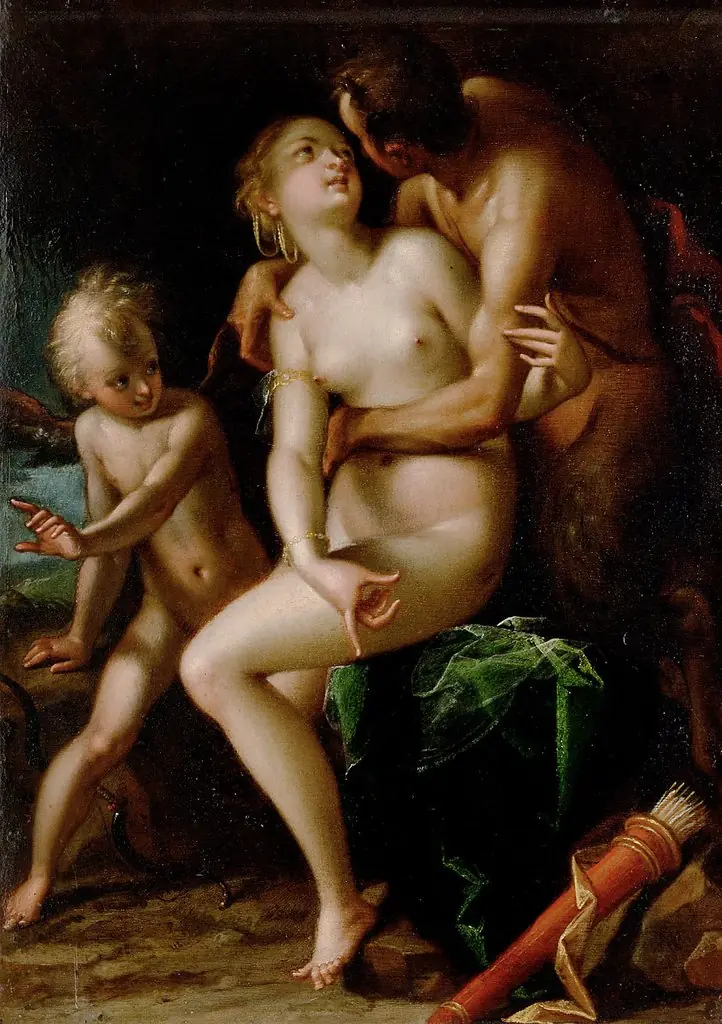
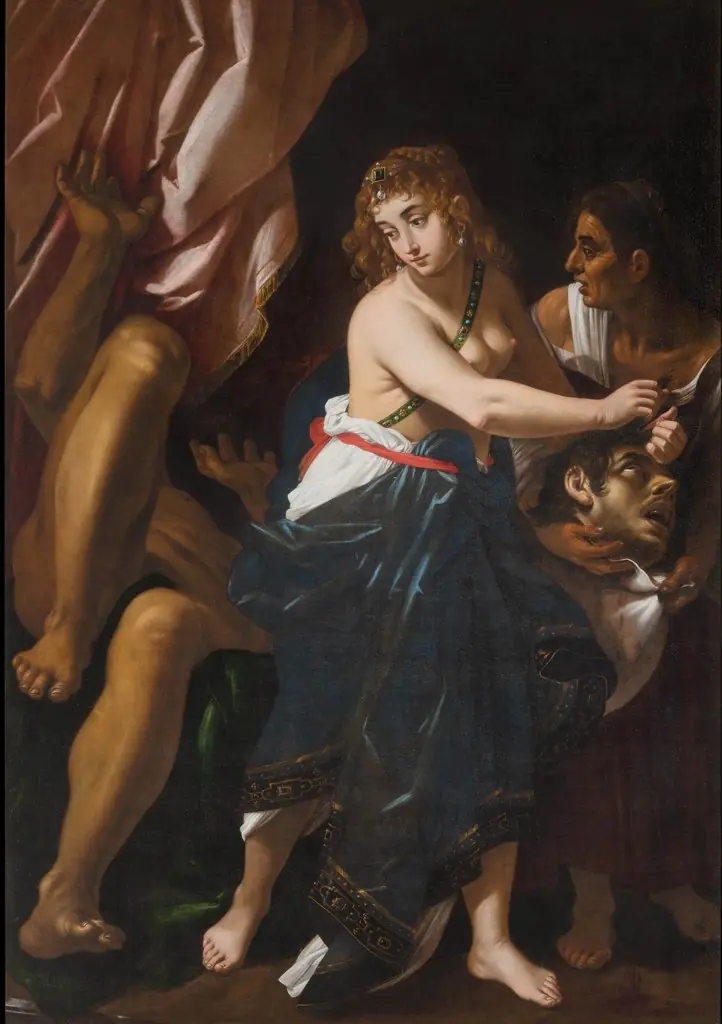
The composition visualizes the classical tale in which Pluto, ruler of the underworld, seizes Proserpina, daughter of Ceres. The goddess lies reclined, partially covered by a white drape, her expression subdued and melancholic, suggesting the loss of innocence. Pluto, depicted as a dark‑skinned figure, leans over her with a gentle hand, underscoring the complex interplay of power, desire, and vulnerability inherent in the myth.
Technique & Style
Bravo employs a pronounced chiaroscuro, allowing the illuminated figures to emerge from a tenebrous background. The stark juxtaposition of light and dark skin tones heightens the visual drama, while the soft focus on Proserpina’s face adds an ethereal, almost mournful atmosphere. Subtle details such as the bright flowers at her feet and the floral wreath above her head introduce a fleeting sense of life amid the surrounding gloom.
History & Provenance
After its execution in the early 18th century, the painting entered various private collections before being acquired by the Kunsthistorisches Museum, where it has been on display since the late 19th century. Documentation traces its ownership through Florentine dealers, confirming its attribution to Cecco Bravo and its consistent identification as a mythological genre work.
Context
While rooted in the Florentine Baroque tradition, the work reflects broader European interests in classical mythology as a vehicle for moral and allegorical commentary. Bravo’s handling of the scene aligns with contemporary Baroque concerns for theatricality and emotional intensity, positioning the painting within a lineage of narrative works that use myth to explore human experience.
Artist & collection
Artist
Cecco Bravo (15 November 1601 – December 1661) was an Italian painter of the Florentine Baroque school. His true name was Francesco Montelatici.