Artwork
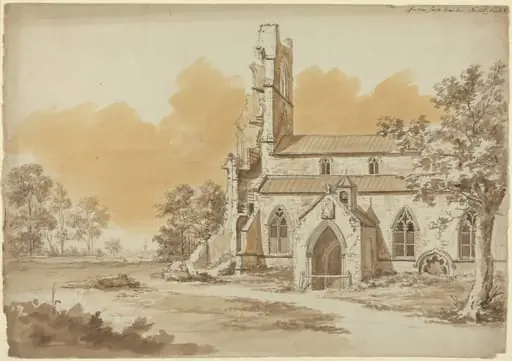
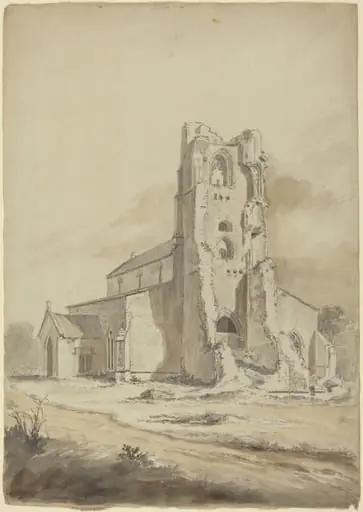
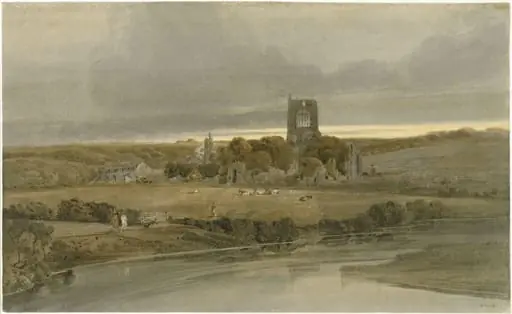
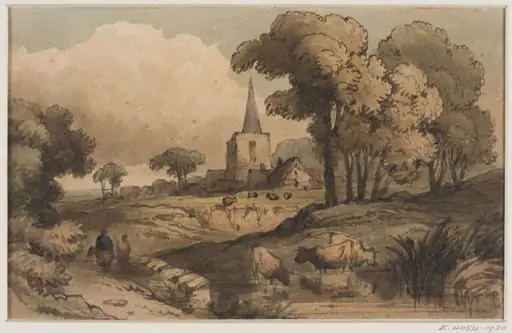
All Saints' Church, Morston
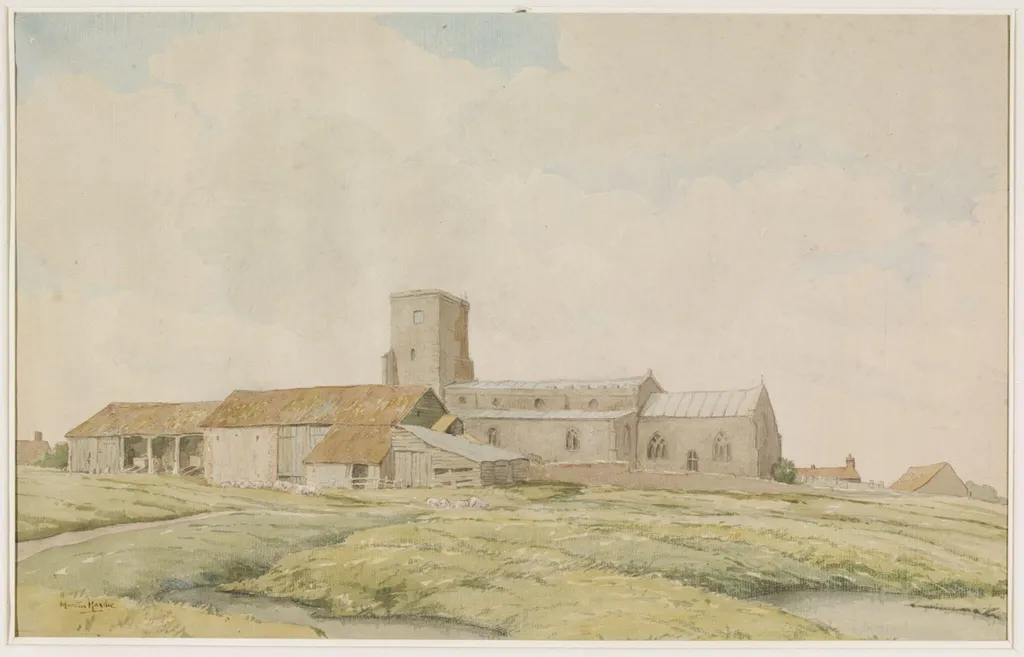
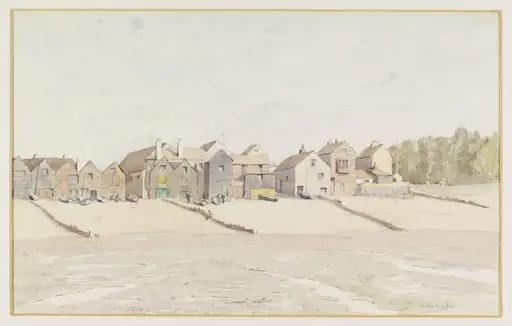
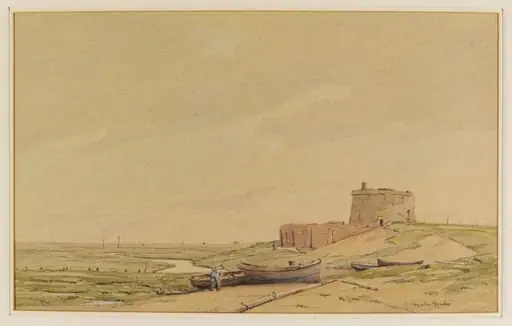
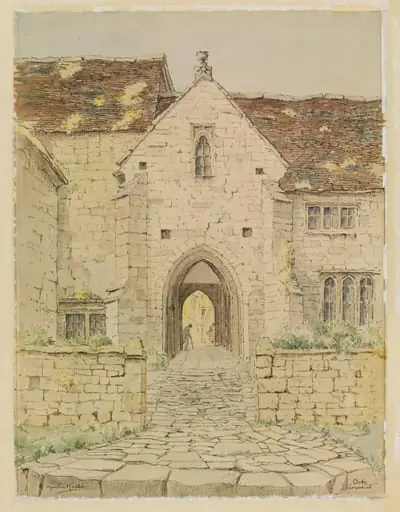
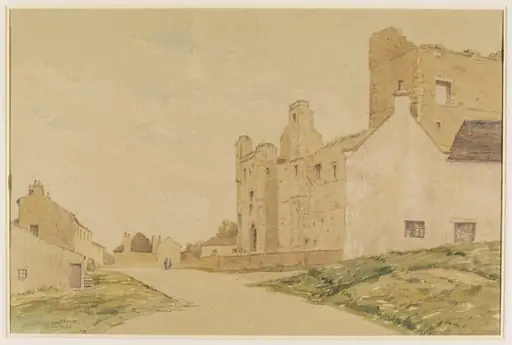
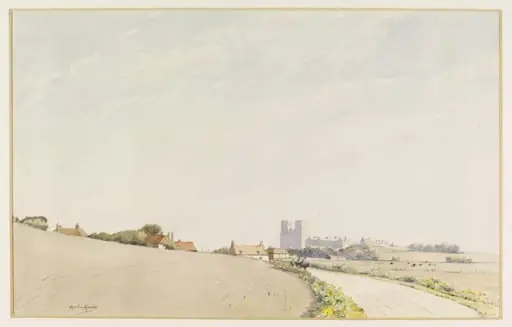
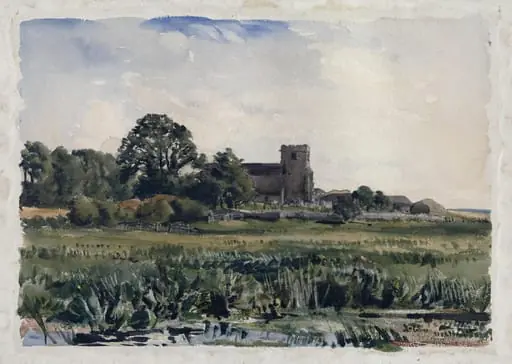
All Saints' Church, Morston is a watercolor work on paper by Hardie. It dates from 1940 and is held in the collection of the Victoria and Albert Museum. Created in 1940, this watercolour captures All Saints' Church in the village of Morston, Norfolk.
About this work
Overview
The work was commissioned through a scheme designed to sustain artists financially while preserving imagery of places deemed at risk from conflict or change.
Created in 1940, this watercolour captures All Saints' Church in the village of Morston, Norfolk. It was produced as part of the Recording Britain project, a government-backed initiative during the Second World War to visually document the nation’s architectural and rural heritage. The work was commissioned through a scheme designed to sustain artists financially while preserving imagery of places deemed at risk from conflict or change.
Subject & Meaning
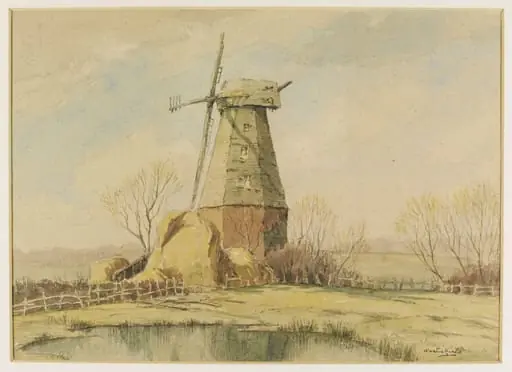
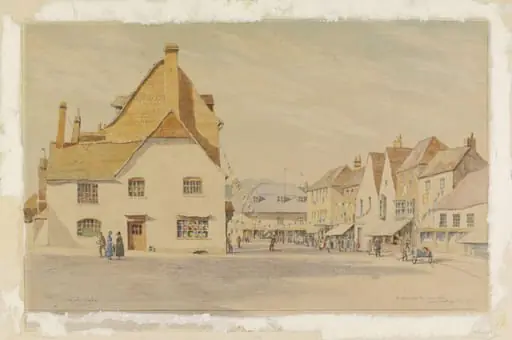
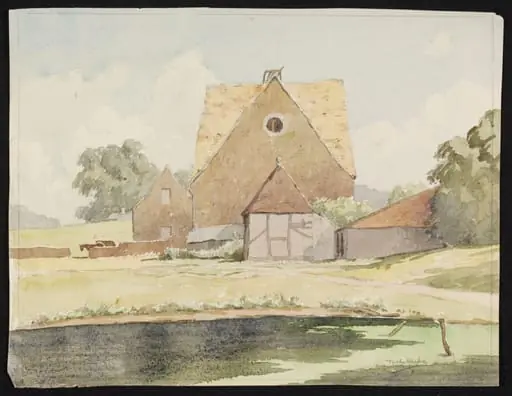
The scene centers on a modest stone church with a slightly leaning tower, framed by weathered wooden barns and grazing sheep. The quiet, unassuming composition reflects a deliberate focus on everyday rural life rather than grandeur. The church, enduring yet unpolished, symbolizes continuity amid uncertainty, while the pastoral elements evoke a sense of place rooted in tradition and quiet resilience.
Technique & Style
The artist employed soft, muted washes of green, brown, and gray to convey the subdued tones of the English countryside. Delicate brushwork renders the texture of weathered stone and timber, while the pale, clouded sky suggests a calm, overcast day. Subtle irregularities—the crooked tower, scattered sheep, and uneven grass—add authenticity, avoiding idealization in favor of observed detail.
History & Provenance
Commissioned under the Recording Britain project, the work was funded by the Pilgrim Trust and overseen by Sir Kenneth Clark. It entered the collection of the Victoria and Albert Museum alongside over 1,500 other works by 97 artists. The project’s archives remain a key resource for understanding Britain’s wartime cultural preservation efforts and the role of art in national memory.
Context
During the Second World War, fears of bombing and rapid modernization prompted efforts to record vanishing landscapes. Rural churches, cottages, and farmland were prioritized as symbols of enduring English identity. This watercolour reflects a broader cultural movement to safeguard visual records of places that might be lost, offering a counterpoint to the destruction and upheaval of the era.
Legacy
The Recording Britain collection endures as a significant archive of 20th-century British topographical art. This watercolour contributes to a broader understanding of how artists responded to wartime anxiety through quiet observation. Its presence in the V&A’s holdings ensures continued access for study and public reflection on heritage, memory, and the role of art in times of crisis.
Artist & collection
Artist
Hardie painted watercolours of quiet corners in 1930s and 1940s England, usually coastal or village scenes with buildings and daily life.