Artwork
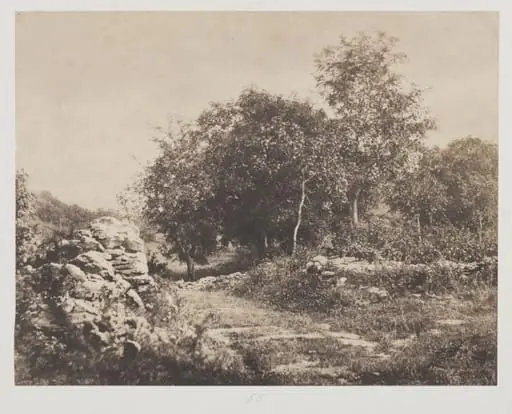
Dundrum Quarry
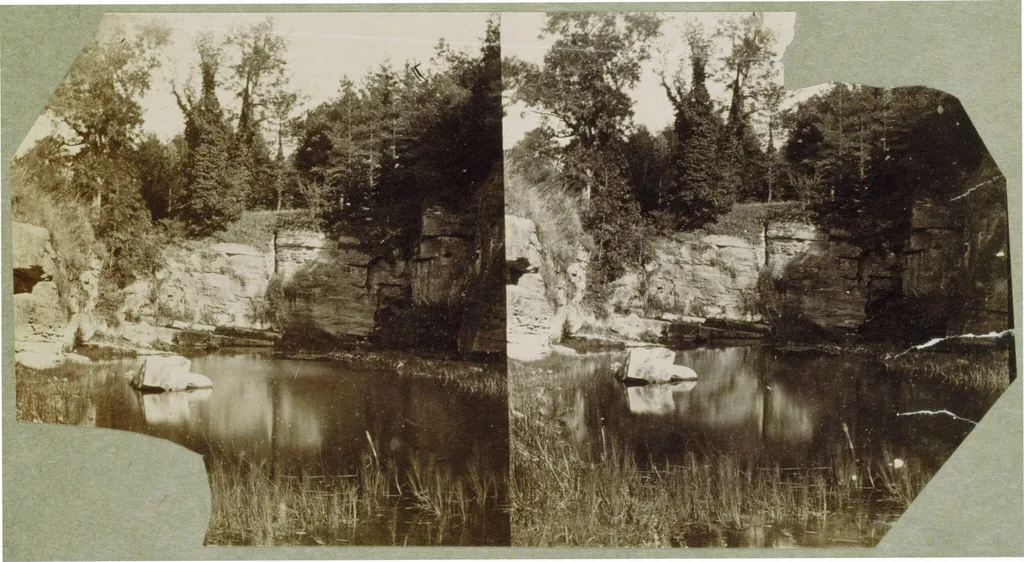
Dundrum Quarry is a photographic photography by the Impressionist artist Clementina Hawarden. It dates from 1858 and is held in the collection of the Victoria and Albert Museum.
About this work
Clementina Hawarden took this photo around 1857–1860. It shows a quiet quarry scene, typical of her outdoor work. The photo is printed on paper, not painted.
Stereoscopic photography was huge after 1851. It tricks your eyes to see real depth. When you look through the viewer, rocks pop out almost like you could touch them.
Try the stereoscope at the Victoria and Albert Museum.
Overview
Dundrum Quarry is a photograph taken by Clementina Hawarden between 1857 and 1860, exemplifying her outdoor work.
Technique & Style
The photograph is a stereoscopic image, a technique that creates a pronounced sense of depth when viewed through a stereoscope. This method was popularized after the Great Exhibition of 1851.
Subject & Meaning
The image depicts a serene quarry scene, with a rock formation in the water that, when viewed stereoscopically, appears as a three-dimensional object, anchoring the surrounding space.
History & Provenance
Hawarden's work was produced during a period when stereoscopic photography was a popular form of entertainment, both in exhibitions and as a family activity.
Artist & collection

Artist
Clementina Maude, Viscountess Hawarden, commonly known as Lady Clementina Hawarden, was a Scottish amateur portrait photographer of the Victorian era. She produced over 800 photographs mostly of her adolescent daughters.

![Photographic Study [Woodcock Grove, Dundrum], by Clementina Hawarden](https://artifactworldgallery.com/img/clementina-hawarden--photographic-study-woodcock-grove-dundrum--0d235f21d55179ce-w320.webp) Photographic Study [Woodcock Grove, Dundrum]
Photographic Study [Woodcock Grove, Dundrum]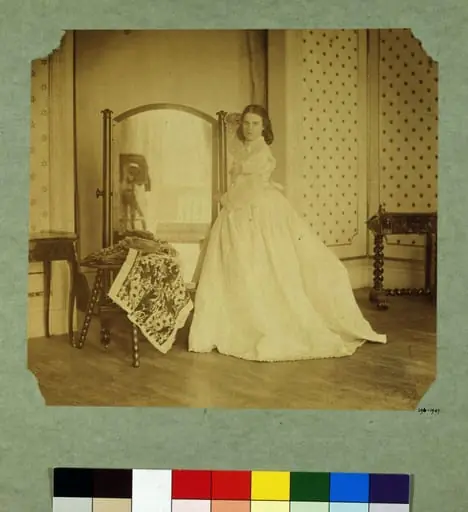 Clementina Maude, 5 Princes Gardens
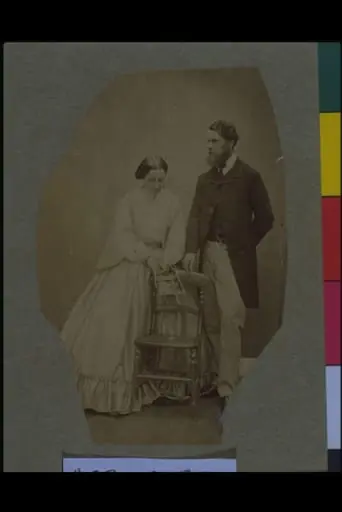 Clementina Hawarden or Anne Bontine with Donald Cameron of Lochiel, 5 Princes Gardens
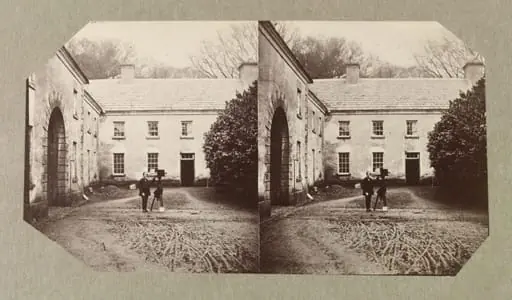 West Wing of Dundrum House with unidentified man with camera on tripod
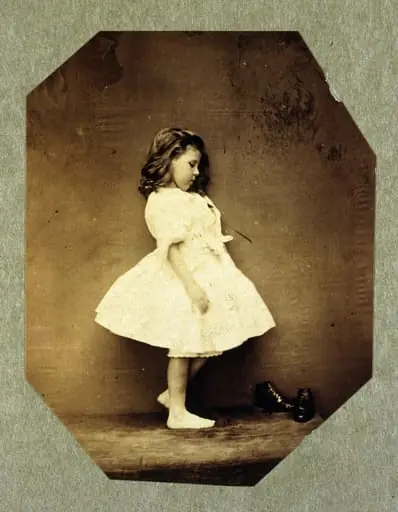 Elphinstone Agnes Maude barefoot
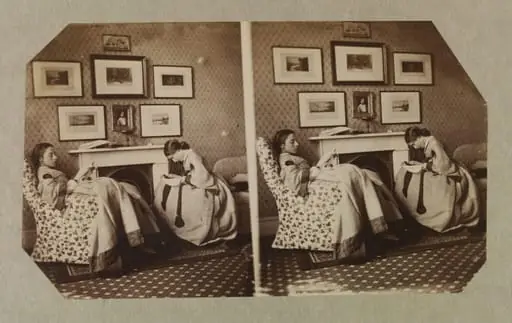 Isabella Grace Maude and Clementina Maude, 5 Princes Gardens
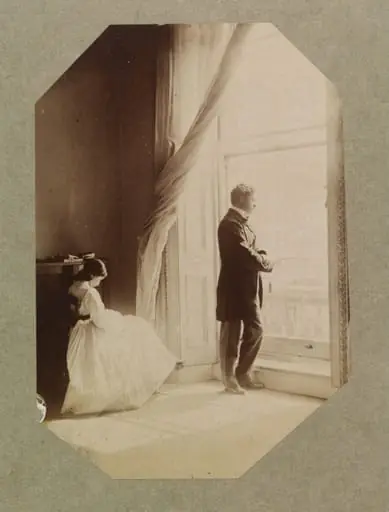 Photographic Study
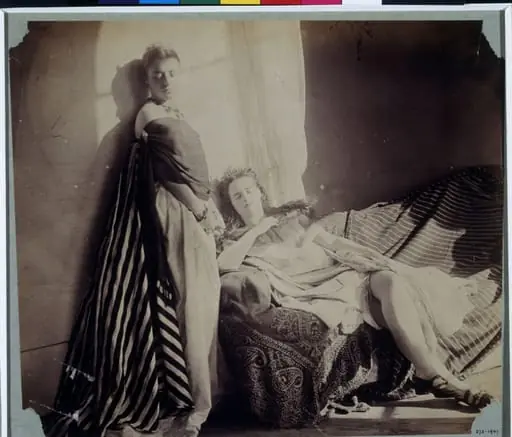 Isabella Grace and Clementina Maude, 5 Princes Gardens
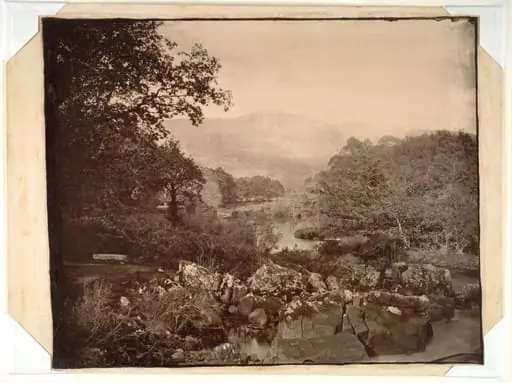 View from the Lawn, Dennicanniby
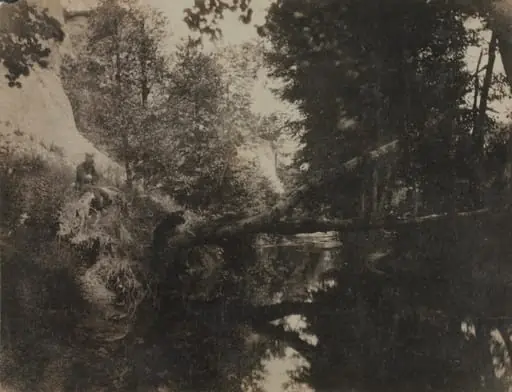 Landscape with Seated Figure on Stream Bank
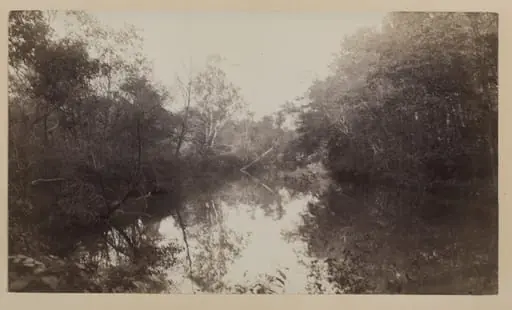 Avondale
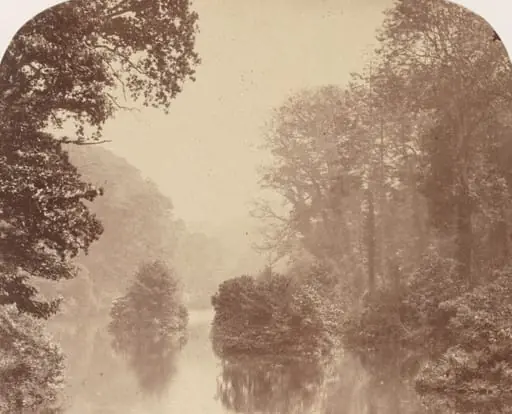 Evening
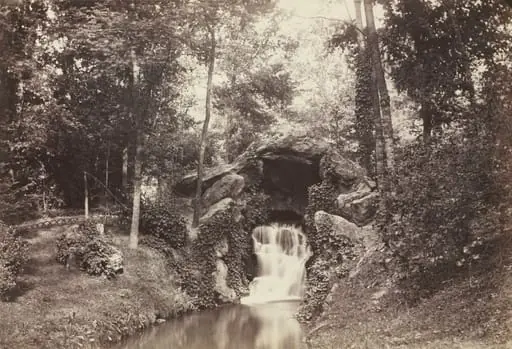 View of the Small Grotto toward the Deer Pond, Bois de Boulogne
![The Park at Sceaux [April 1925, 7a.m.], by Eugène Atget](https://artifactworldgallery.com/img/eugene-atget--the-park-at-sceaux-april-1925-7a-m--af61d3e0a0050a6f-w320.webp) The Park at Sceaux [April 1925, 7a.m.]
The Park at Sceaux [April 1925, 7a.m.]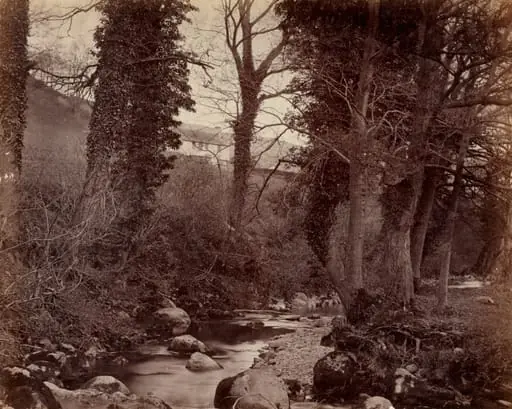 Untitled
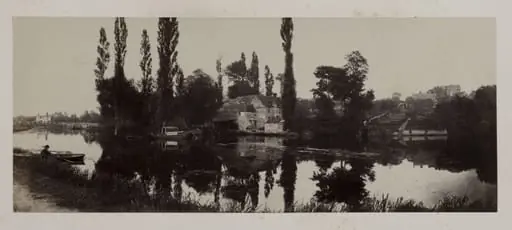 Iffley Mill
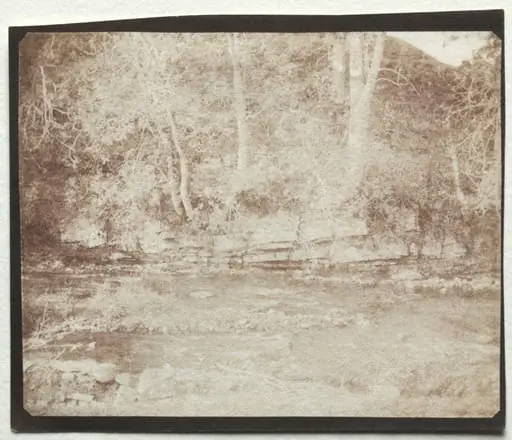 A Mountain Rivulet Which Flows at the Foot of Doune Castle
 Untitled (Scene of Fontainebleau)
 The Stream