Artwork
Landscape with Seated Figure on Stream Bank
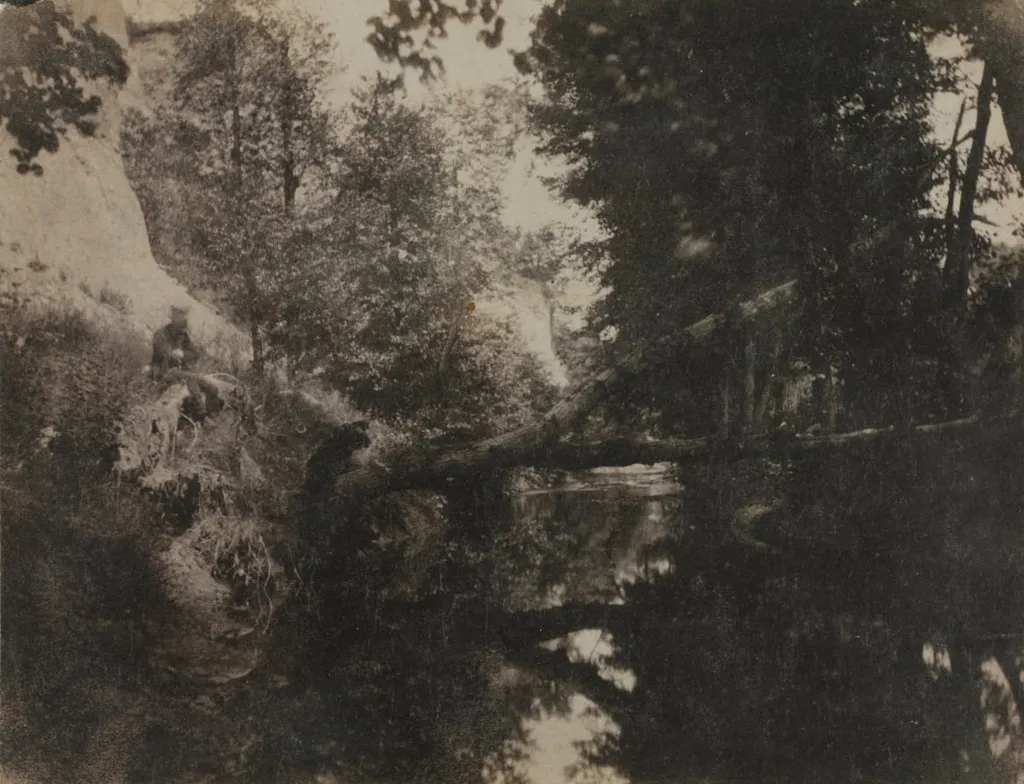
Landscape with Seated Figure on Stream Bank is a photography by the Impressionist artist Frank Chauvassaignes. It dates from 1856 and is held in the collection of the Cleveland Museum of Art.
About this work
Overview
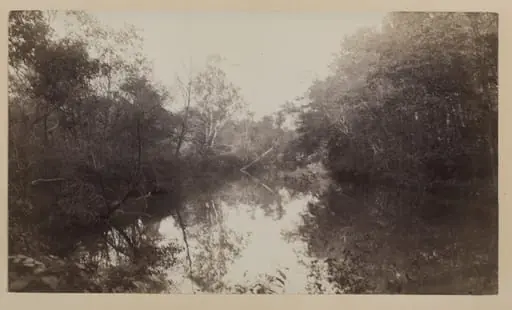
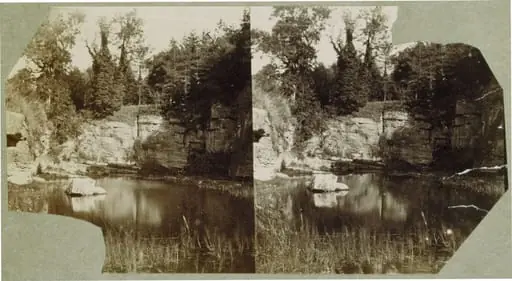
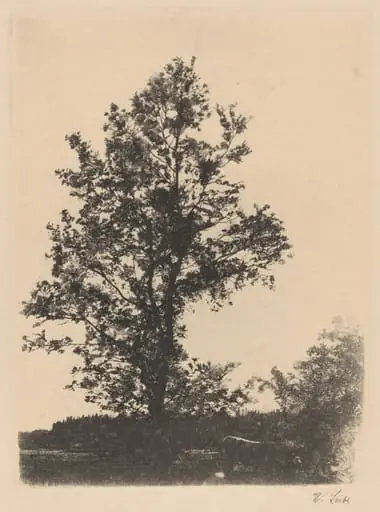
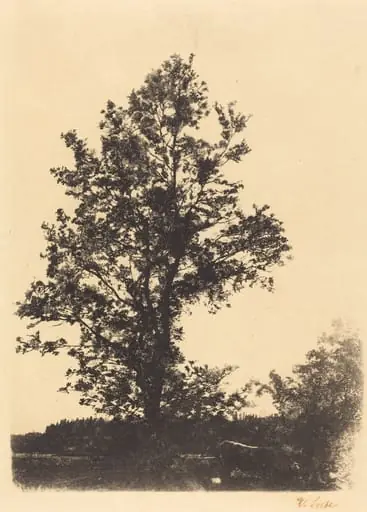
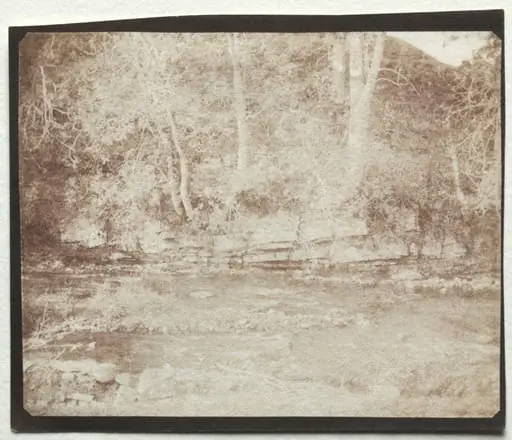
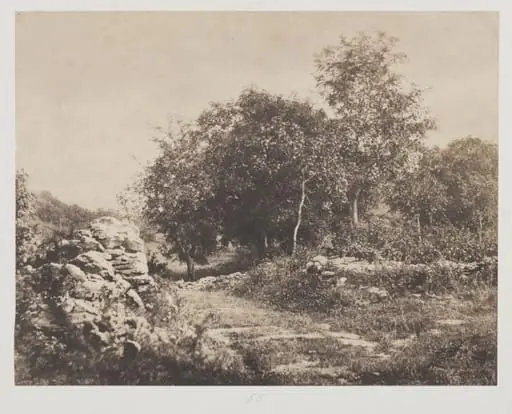
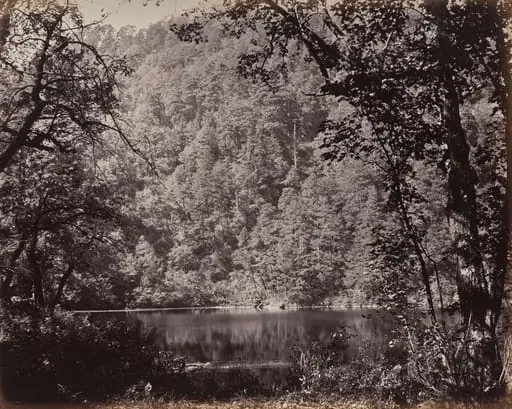
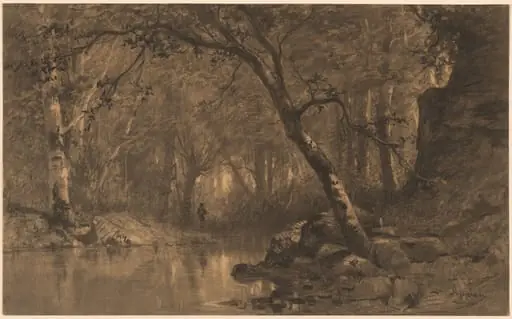
This photograph, attributed to the French artist Chauvassaignes, captures a quiet forest scene along a stream, where a solitary figure sits on the bank.
This photograph, attributed to the French artist Chauvassaignes, captures a quiet forest scene along a stream, where a solitary figure sits on the bank. The image balances intense illumination with dense shadow, creating a meditative atmosphere. Though little is known of the photographer’s life, the work demonstrates a refined command of the paper negative process, characteristic of early French landscape photography in the mid-1800s.
Subject & Meaning
The seated figure, unobtrusive and contemplative, anchors the composition without dominating it. The landscape, framed by overhanging trees and dappled light, suggests introspection and withdrawal from the world. The absence of narrative or action invites quiet observation, aligning the image with Romantic ideals of nature as a space for solitude and reflection.
Technique & Style
Chauvassaignes utilized the paper negative’s soft tonal range to suppress fine detail and heighten atmospheric effects. Light filters through foliage in flickering patterns, guiding the eye into the distance while deep shadows lend volume and depth. The composition echoes painterly traditions, particularly in its use of recession and framing, yet exploits photography’s unique capacity to capture transient light.
History & Provenance
The photograph is held by the Cleveland Museum of Art, though its early ownership and exhibition history remain undocumented. Chauvassaignes is otherwise unrecorded in major photographic archives, suggesting he may have worked independently or outside commercial networks. The work’s survival and preservation indicate its significance to early collectors of photographic art.
Context
In the 1850s–60s, French photographers increasingly turned to natural landscapes as subjects, influenced by Romantic painting and the growing appreciation for nature as a moral and aesthetic refuge. Chauvassaignes’ image aligns with this trend, using photography not merely to document but to evoke mood — a shift that helped establish the medium as a legitimate artistic form.
Legacy
Though Chauvassaignes left no known body of work beyond this piece, the photograph stands as a quiet example of early photographic artistry. Its sensitivity to light and composition reflects a broader movement in which photographers began to assert creative control over their medium, moving beyond mere recording toward expressive intent.
Artist & collection