Artwork
Avondale
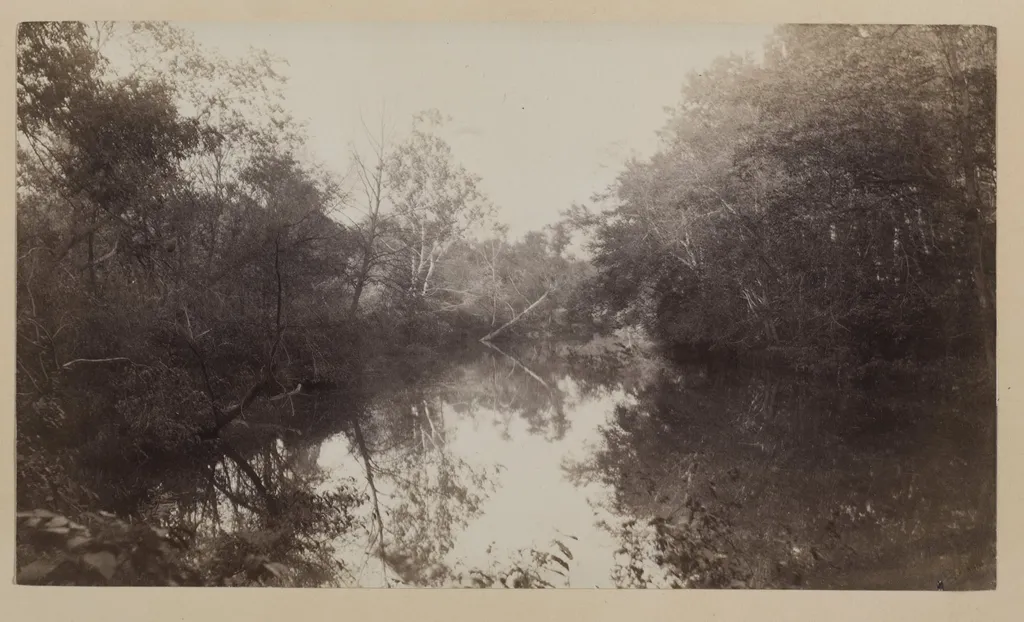
Avondale is a photography by the Impressionist artist Louise Deshong Woodbridge. It dates from 1885 and is held in the collection of the Cleveland Museum of Art.
About this work
Overview
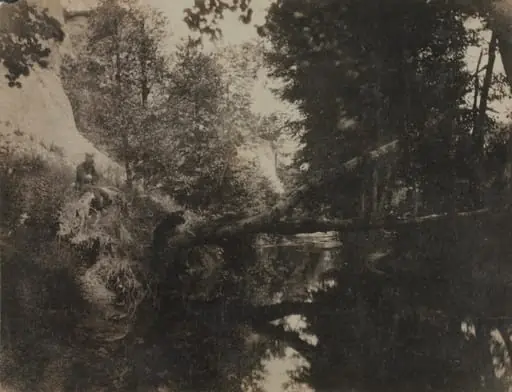
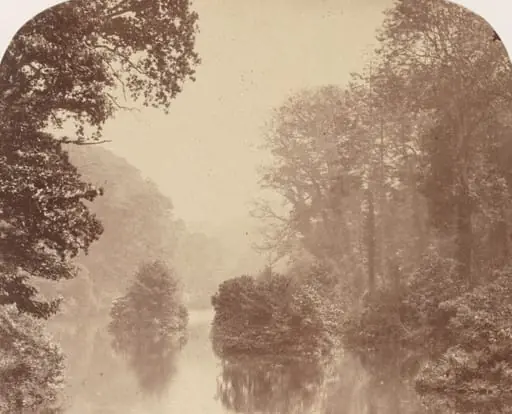
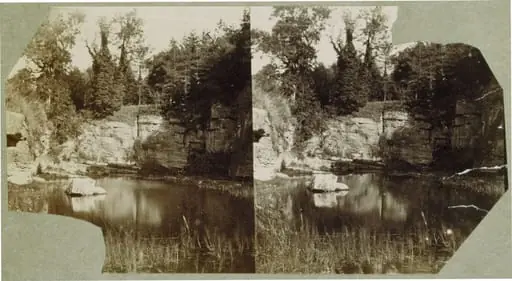
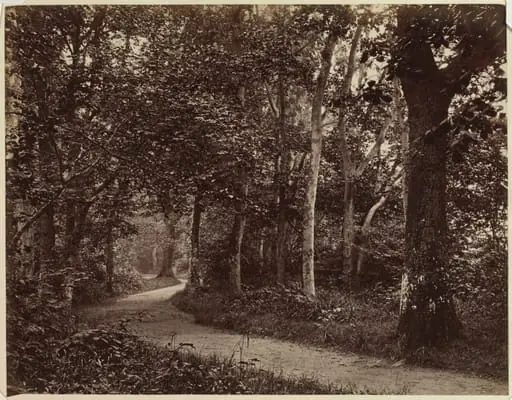
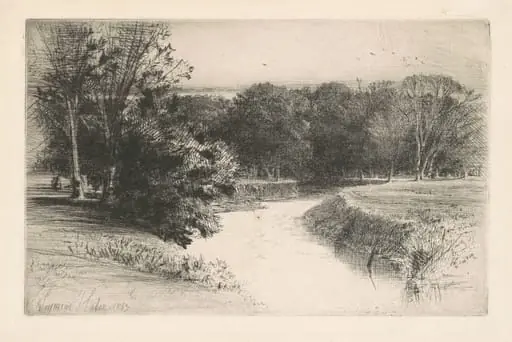
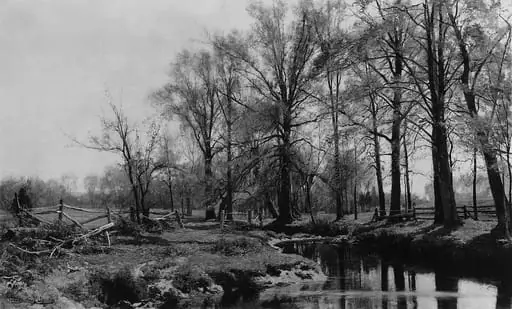
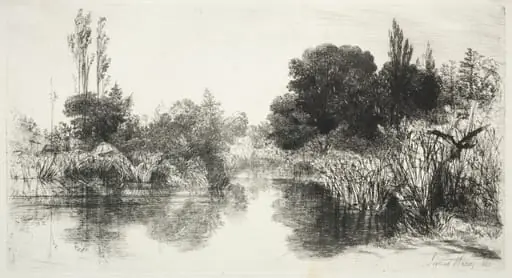
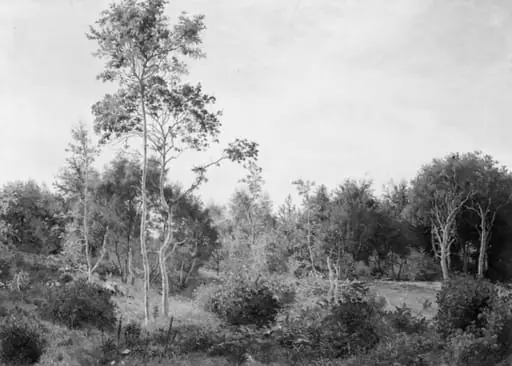
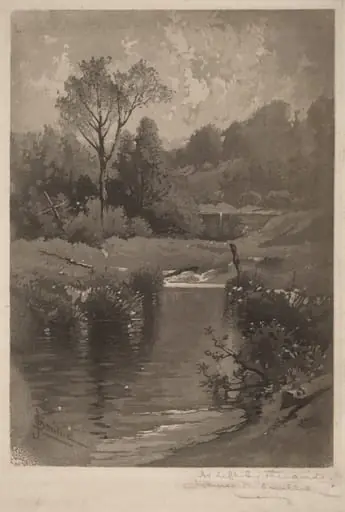
Avondale is a photographic work by Louise Deshong Woodbridge, dated around 1885. It is part of the collection at The Cleveland Museum of Art. The image captures a tranquil pond nestled within a wooded landscape, rendered with a quiet attention to natural light and form. The composition emphasizes stillness and subtle tonal variation rather than dramatic detail.
Subject & Meaning
The scene depicts a secluded pond surrounded by dense trees, their reflections breaking gently across the water’s surface. There is no human presence, and the absence of narrative suggests an emphasis on atmosphere over story. The image conveys a sense of solitude and quiet observation, inviting contemplation of nature’s unaltered state.
Technique & Style
Woodbridge employed a soft-focus approach, allowing tree branches to appear loosely defined and textures to blur at the edges. The contrast between dark foliage and pale sky and water creates a muted tonal harmony. The deliberate lack of sharp detail suggests an interest in capturing the fleeting impression of light and motion rather than precise representation.
History & Provenance
Created in the mid-1880s, Avondale emerged during a period when photography was increasingly used for artistic expression beyond documentation. The work entered The Cleveland Museum of Art’s collection through documented acquisition, though specific details of its early ownership remain unrecorded in public sources.
Context
In the late 19th century, photographers like Woodbridge explored natural landscapes as subjects worthy of aesthetic consideration, aligning with broader Realist and Pictorialist tendencies. Avondale reflects a shift away from staged compositions toward spontaneous, unidealized views of the environment, mirroring contemporary interests in authenticity and direct observation.
Legacy
Avondale stands as an early example of American women photographers engaging with landscape as a medium for personal expression. While not widely exhibited, it contributes to the understudied body of work by female practitioners who helped shape photography’s transition into an art form during the late 1800s.
Artist & collection