Artwork
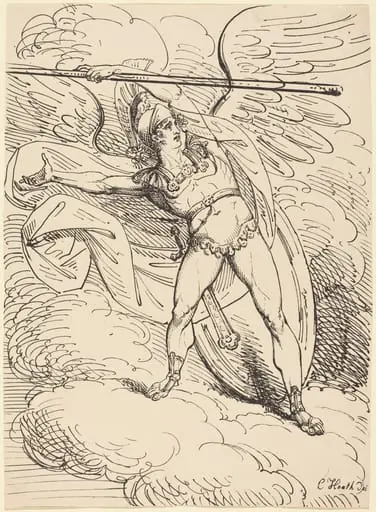
Illustration for Canto II
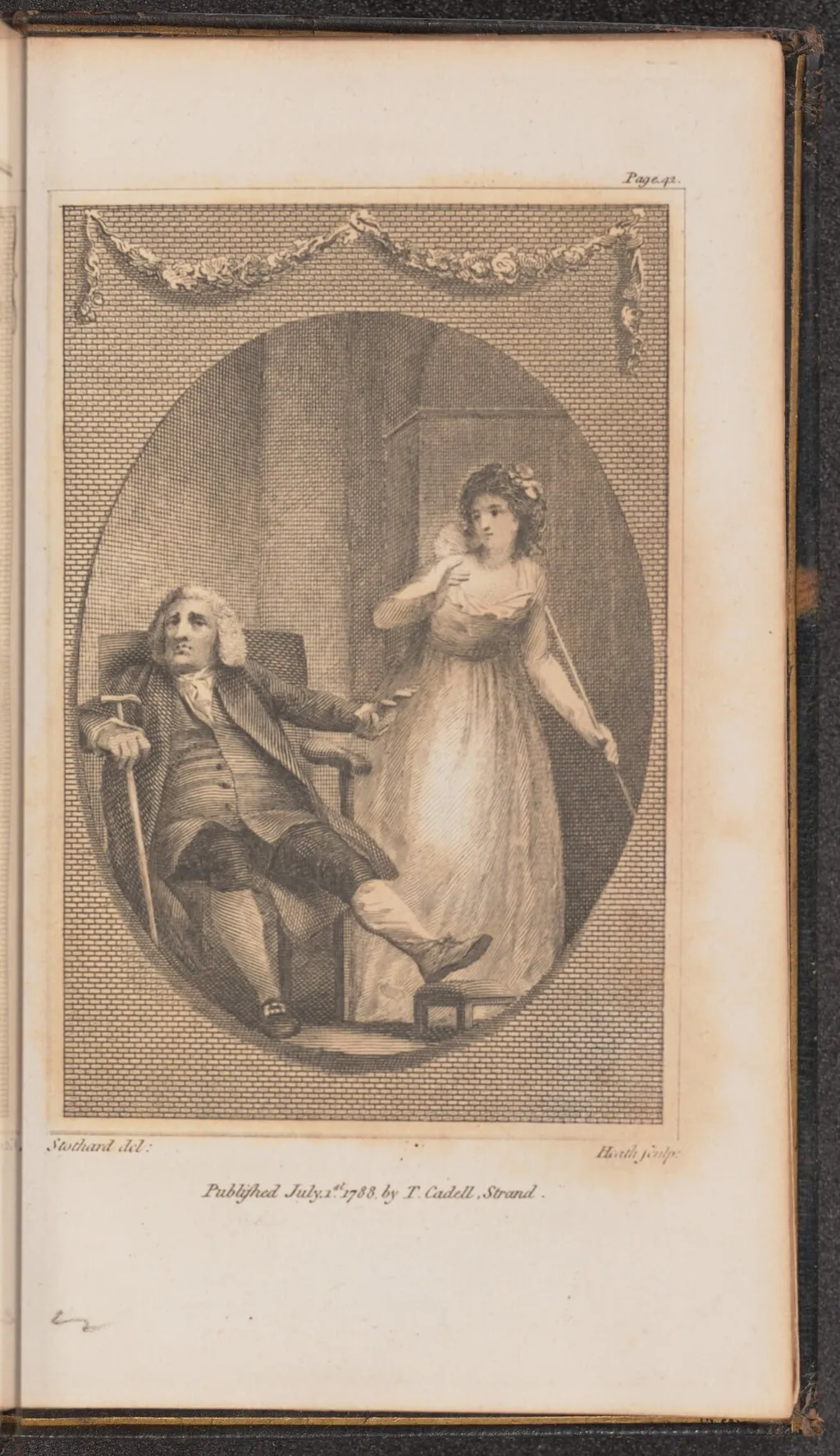
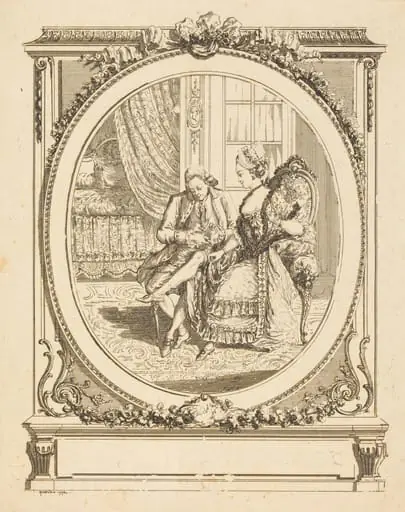
Illustration for Canto II is an ink print by the Romanticist artist Charles Heath. It dates from 1788 and is held in the collection of the National Gallery of Art.
About this work
Overview
The work measures the dimensions typical of book illustrations of its period and is catalogued as a print rather than a unique painting.
Charles Heath’s 1788 print, titled Illustration for Canto II, is an engraving executed on wove paper. The work measures the dimensions typical of book illustrations of its period and is catalogued as a print rather than a unique painting. It was produced as part of a series of visual accompaniments to a literary text, reflecting the collaborative nature of print culture in the late eighteenth century.
Subject & Meaning
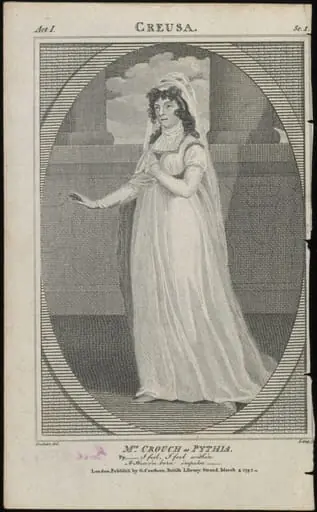
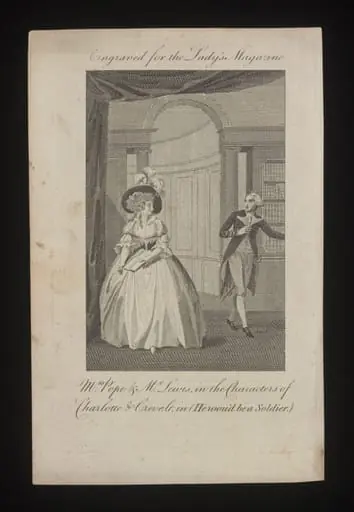
The image depicts an intimate interior scene in which a seated gentleman, cane in hand, gazes downward while a standing lady in a flowing gown raises her hand as if addressing him. A modest fireplace occupies the background, and a curtained window admits a gentle light, suggesting a tranquil domestic atmosphere that may correspond to the narrative moment illustrated in the accompanying canto.
Technique & Style
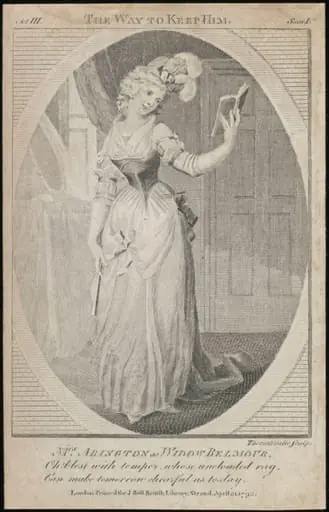
Heath employed a combination of etching and engraving, using fine, closely spaced lines to model shadows and convey the textures of fabric, wood, and skin. The border surrounding the central vignette is rendered to resemble woven material, adding a decorative frame that reinforces the print’s book‑illustration function. The subtle gradations of tone achieve a sense of depth within the limited scale of the sheet.
History & Provenance
Created in 1788, the print was likely issued as part of a limited run accompanying a published edition of the literary work from which the canto derives. Surviving copies are found in several European library collections, indicating its distribution among educated readers of the period. No record of a singular ownership history exists, as the work was intended for multiple copies rather than a unique commission.
Context
The late eighteenth century saw a surge in illustrated editions of poetry and prose, with engravers like Heath translating textual scenes into visual form. This print reflects contemporary tastes for domestic genre scenes and the technical advances in wove paper that allowed for finer detail and smoother tonal transitions compared with laid paper.
Legacy
While not widely reproduced in modern exhibitions, the illustration remains a representative example of collaborative book illustration practices in the pre‑Romantic era. Its precise line work and decorative border continue to be cited in studies of eighteenth‑century printmaking techniques and the visual culture surrounding literary publication.
Artist & collection