Artwork
Allegory of the Virtuous Life
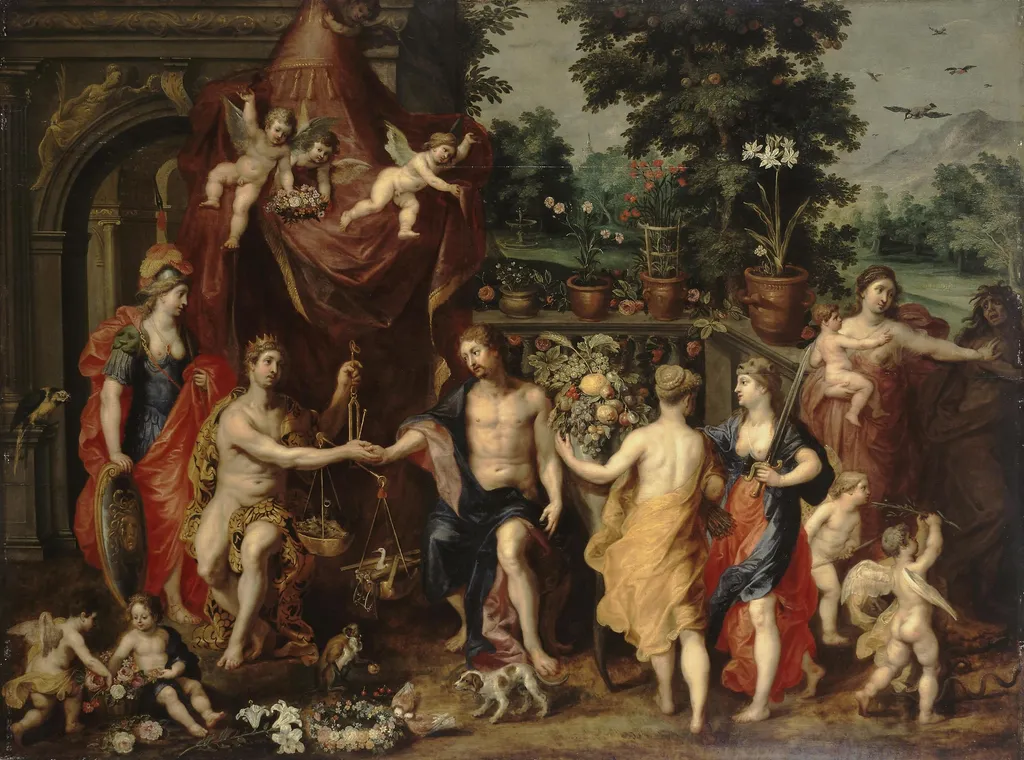
Allegory of the Virtuous Life is an oil painting by the Flemish Baroque painting artist Hendrick van Balen the Elder. It dates from 1625 and is held in the collection of the Hermitage Museum.
About this work
Overview
His work contributed to the revival of Flemish painting in the early 17th century, bridging Netherlandish precision with emerging Baroque sensibilities.
Hendrick van Balen the Elder completed this oil-on-copper painting in 1625, aligning with the Flemish Baroque tradition of intimate, detailed works. Known for his small-scale cabinet pictures, Van Balen specialized in allegorical scenes that combined moral instruction with refined technique. His work contributed to the revival of Flemish painting in the early 17th century, bridging Netherlandish precision with emerging Baroque sensibilities.
Subject & Meaning
The painting presents a symbolic vision of moral conduct through human figures and objects. A man holds a balance, suggesting justice or equilibrium, while a woman cradles flowers, evoking transience and virtue. Surrounding figures—children, animals, and other symbols—represent facets of ethical living: loyalty, temptation, and innocence. The composition invites contemplation of how daily actions reflect inner character.
Technique & Style
Van Balen employed fine brushwork on a copper support, allowing for crisp detail and luminous surface quality. The palette favors subdued earth tones—ochres, greens, and muted browns—creating a quiet, harmonious atmosphere. Figures are arranged in a balanced, almost choreographed group, with careful attention to gesture and spatial depth. The background’s soft landscape recedes gently, enhancing the intimacy of the foreground scene.
History & Provenance
Created during Van Balen’s mature period, the painting reflects his established reputation in Antwerp’s artistic circles. He was active as both a painter and a designer of stained glass, and his workshop trained notable artists, including Anthony van Dyck. While its early ownership is undocumented, the work’s survival in good condition suggests it was valued by private collectors who appreciated allegorical art for its intellectual and aesthetic qualities.
Context
In early 17th-century Flanders, allegorical painting flourished as a means of conveying moral and philosophical ideas amid religious and political upheaval. Van Balen’s work responded to a demand for refined, portable images suited to domestic settings. His use of classical symbolism aligned with humanist ideals circulating in Antwerp, where artists blended Northern detail with Italianate composition to elevate secular themes.
Legacy
Van Balen’s influence extended through his teaching and the dissemination of his compositional models. Though less widely known today than his pupils, his dedication to allegory helped sustain a tradition of moral narrative in Flemish art. His small-scale works on copper remain valued for their technical finesse and quiet intellectual depth, offering insight into the private contemplative culture of the period.
Own this work as a print
Artist & collection
Artist
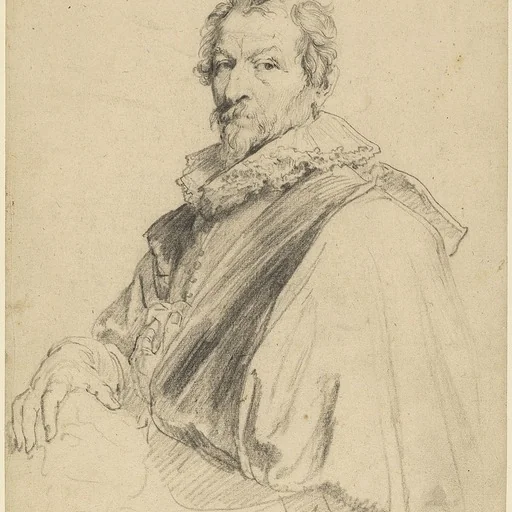
Hendrick van Balen or Hendrick van Balen I (c. 1573–1575 – 17 July 1632) was a Flemish Baroque painter and stained glass designer. Hendrick van Balen specialised in small cabinet pictures often painted on a copper…

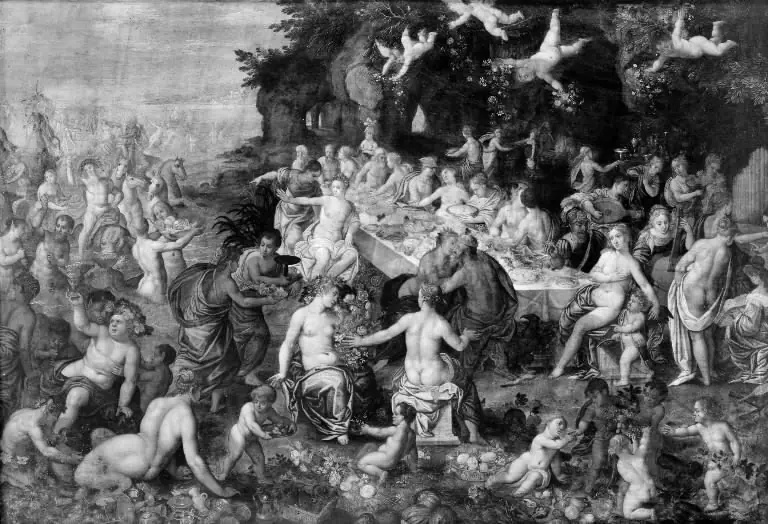 The Banquet of the Gods. The Wedding of Peleus and Thetis
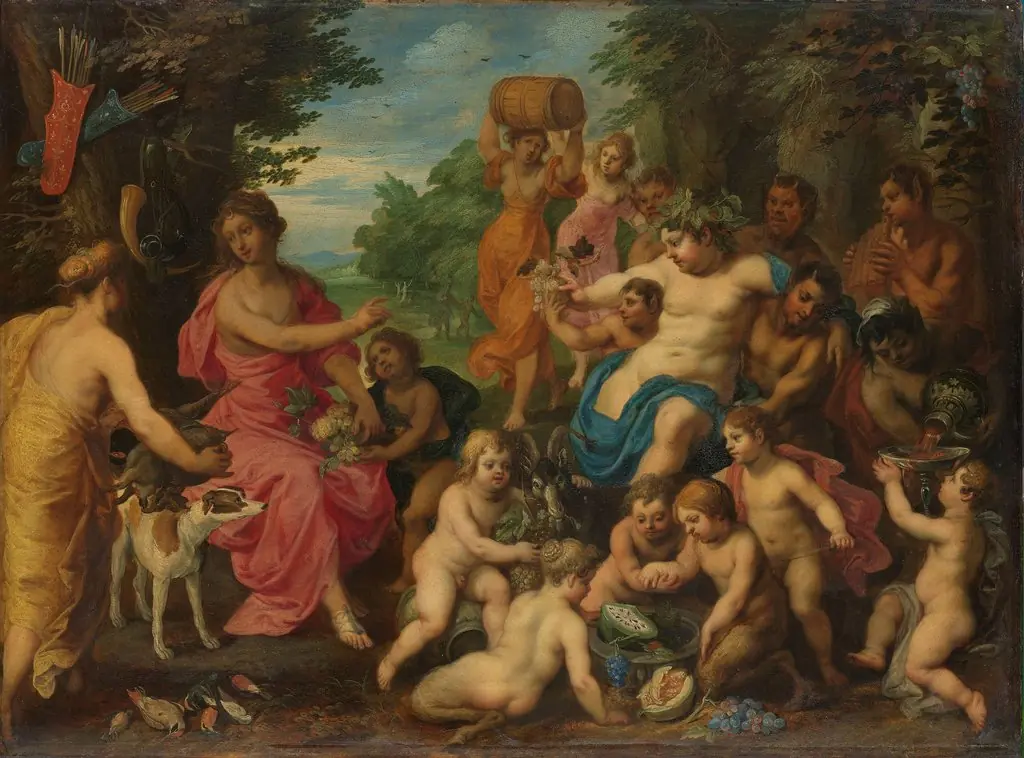 Diana Offered Wine and Fruit by the Young Bacchus and his Retinue
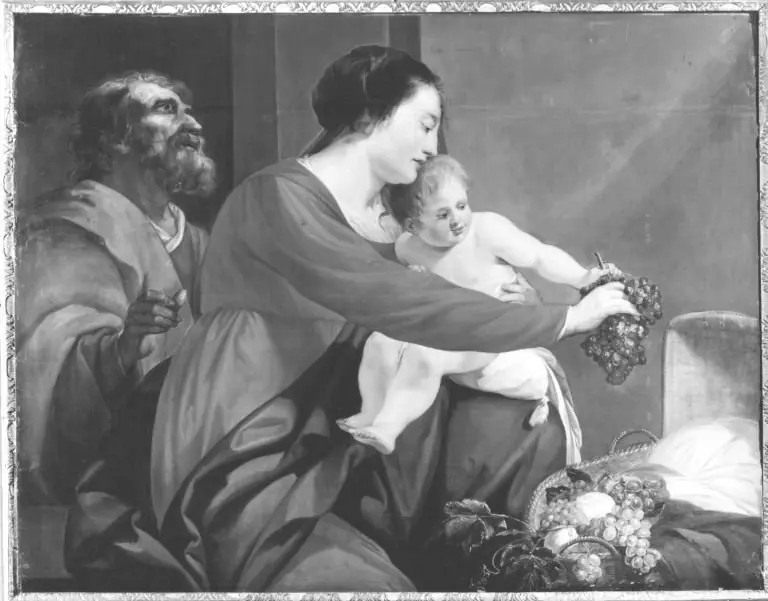 The Holy Family
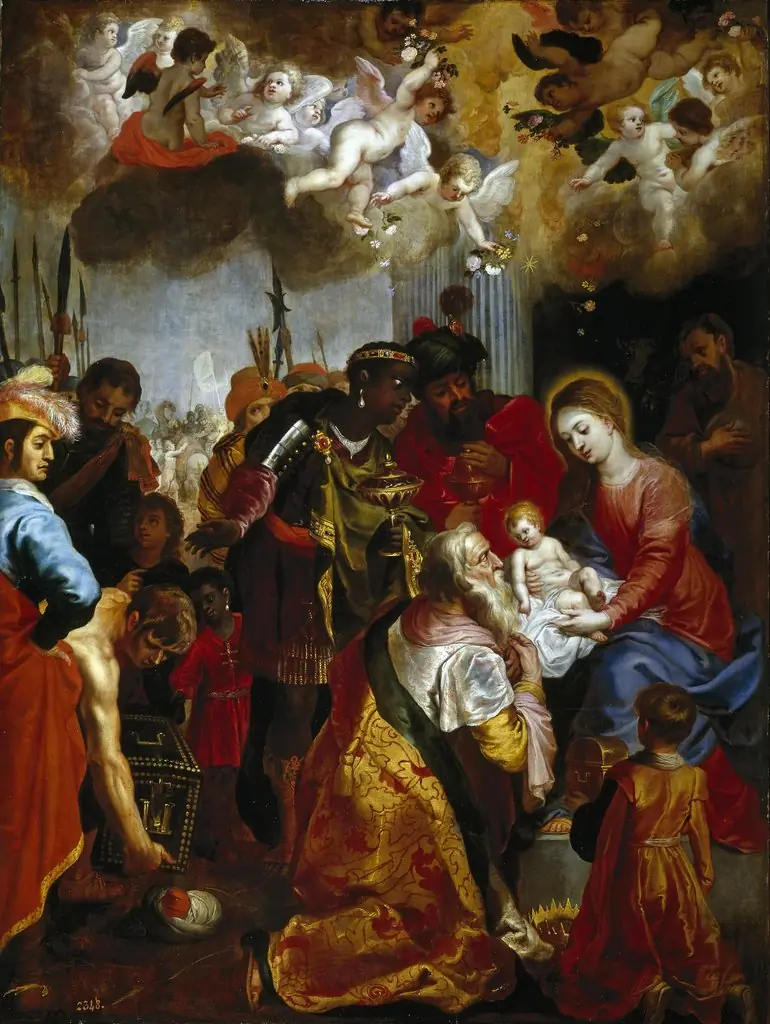 Adoration of the Magi
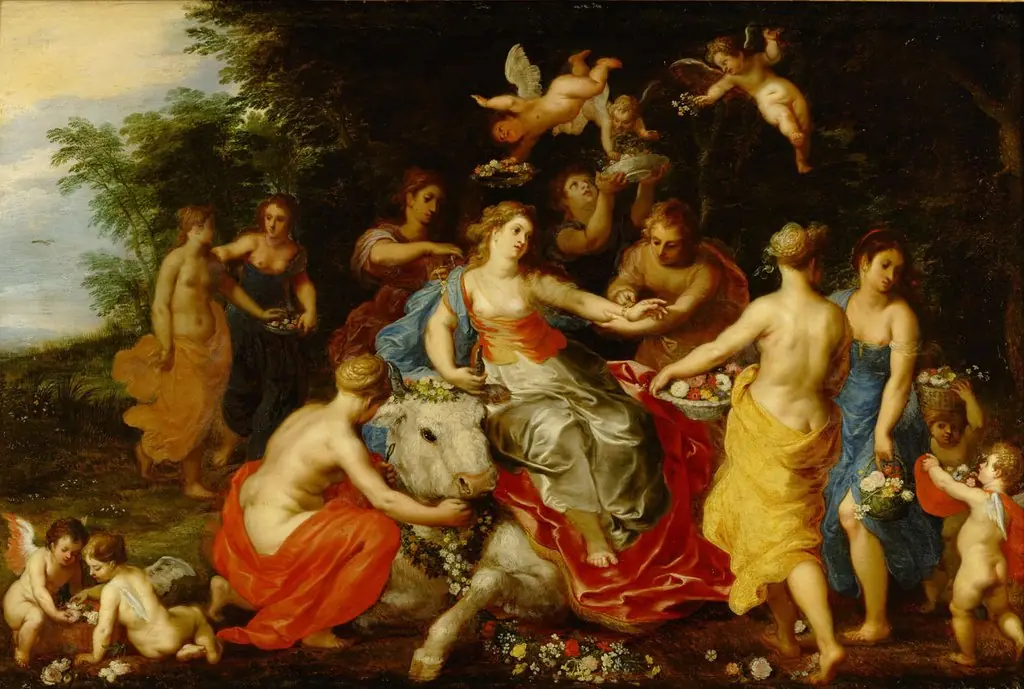 Europa riding the bull
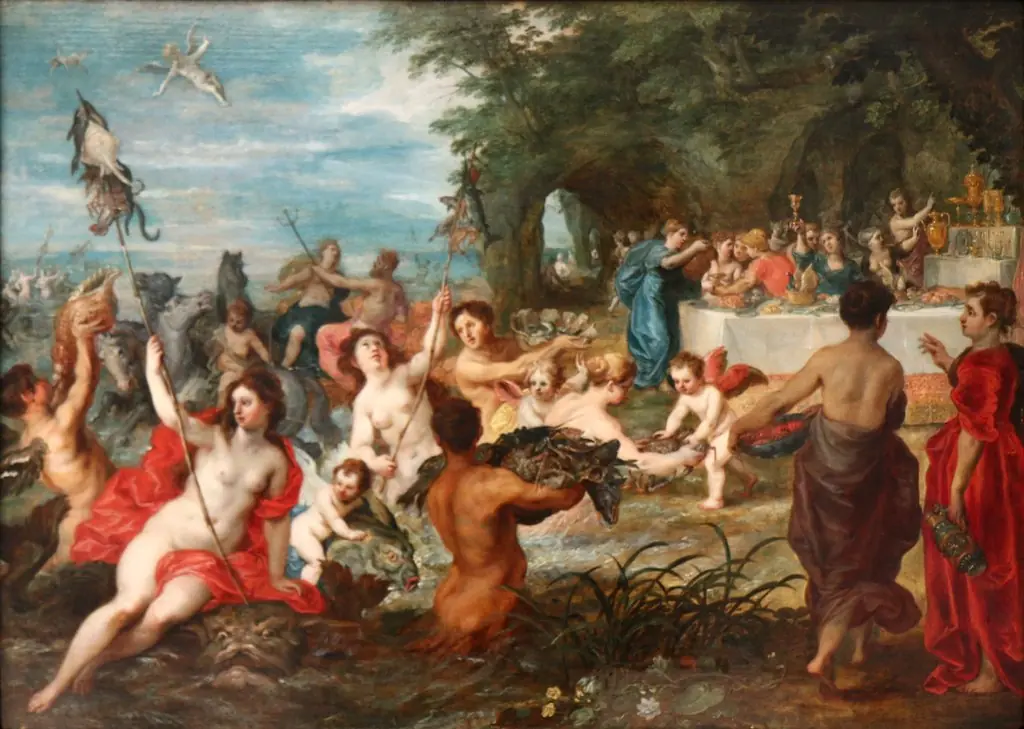 The wedding of Thetis and Peleus
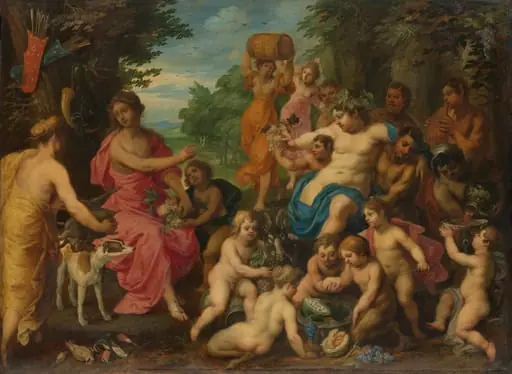 Diana Offered Wine and Fruit by Bacchus and his Retinue
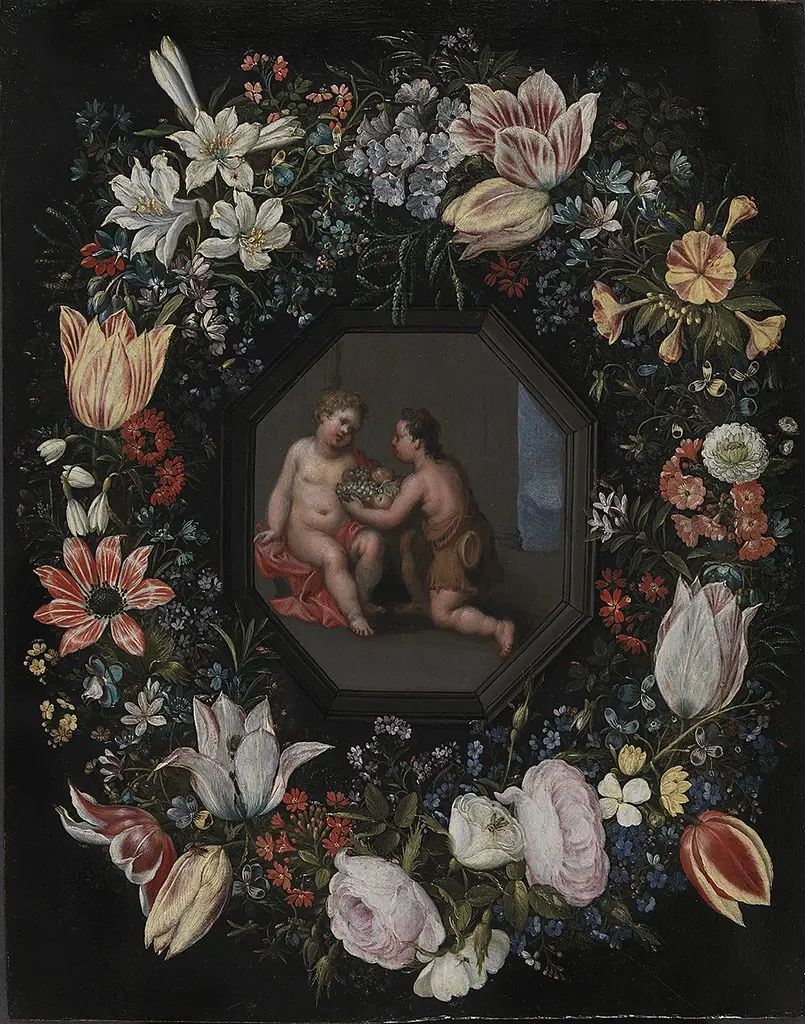 Blomsterkrans med Jesus og Johannes
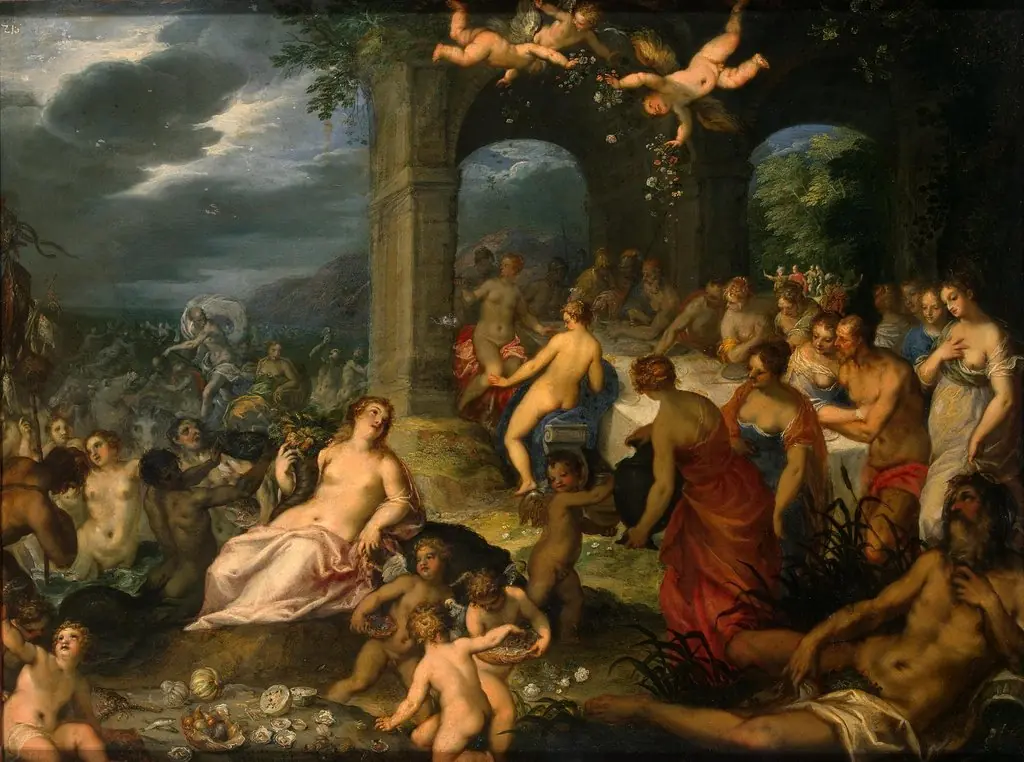 Feast of the Gods (The Marriage of Peleus and Thetis)
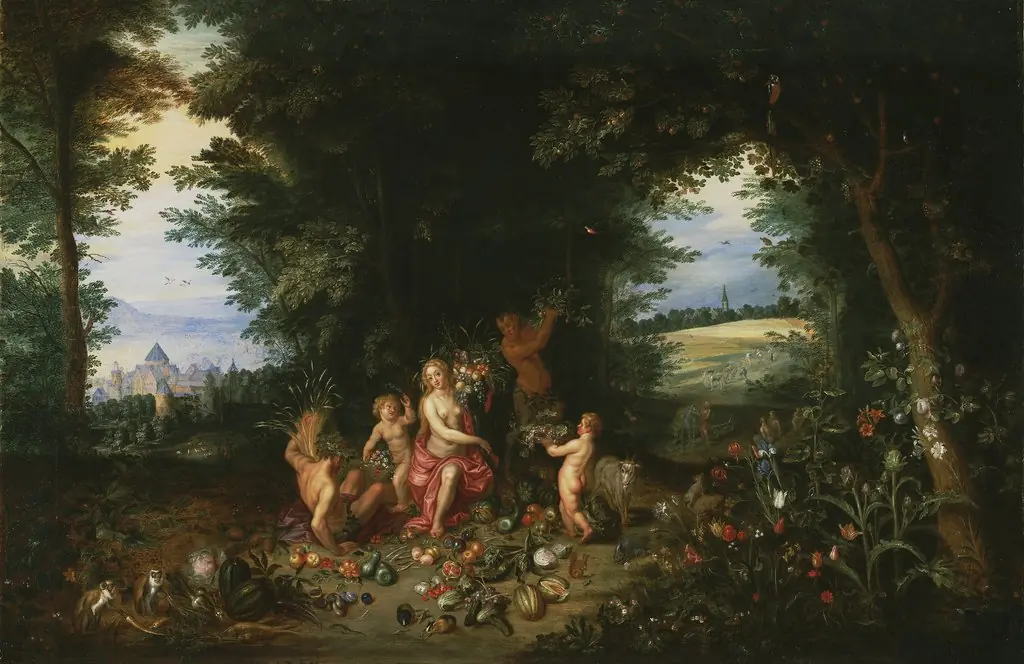 Landscape with Ceres (Allegory of Earth)
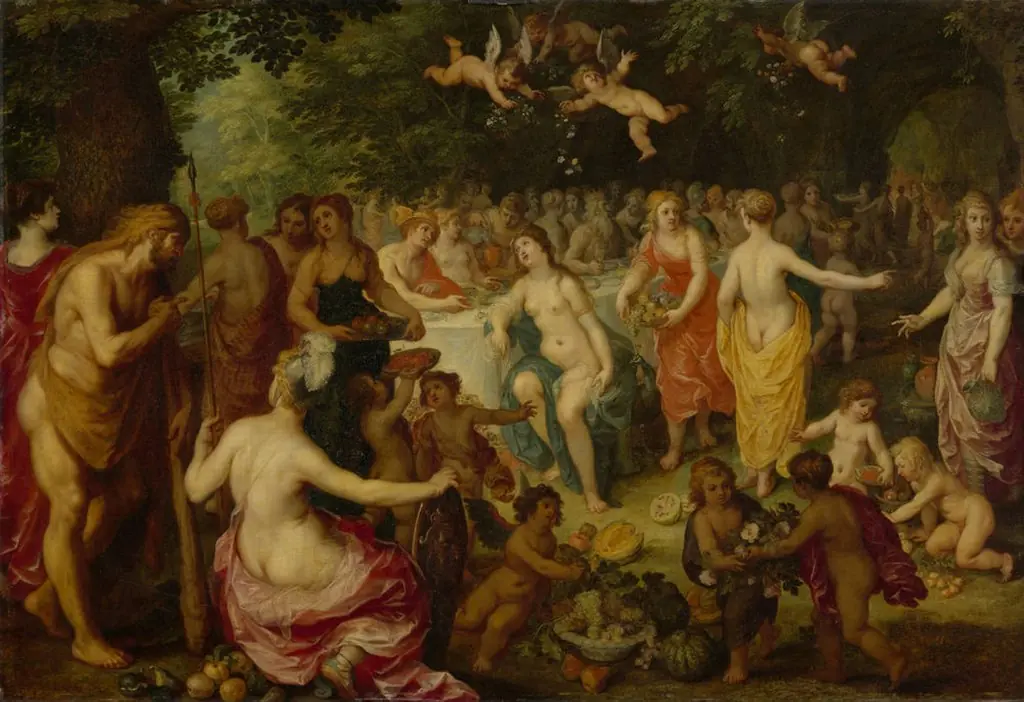 The Feast of the Gods
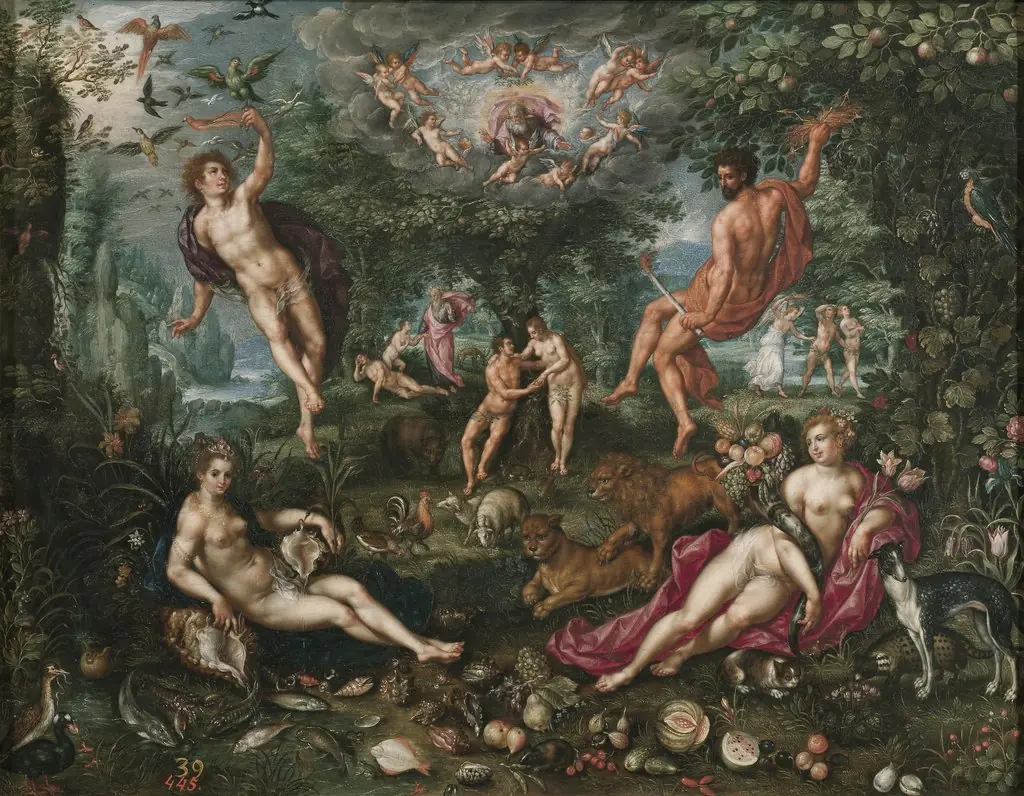 Paradise with the Four Elements
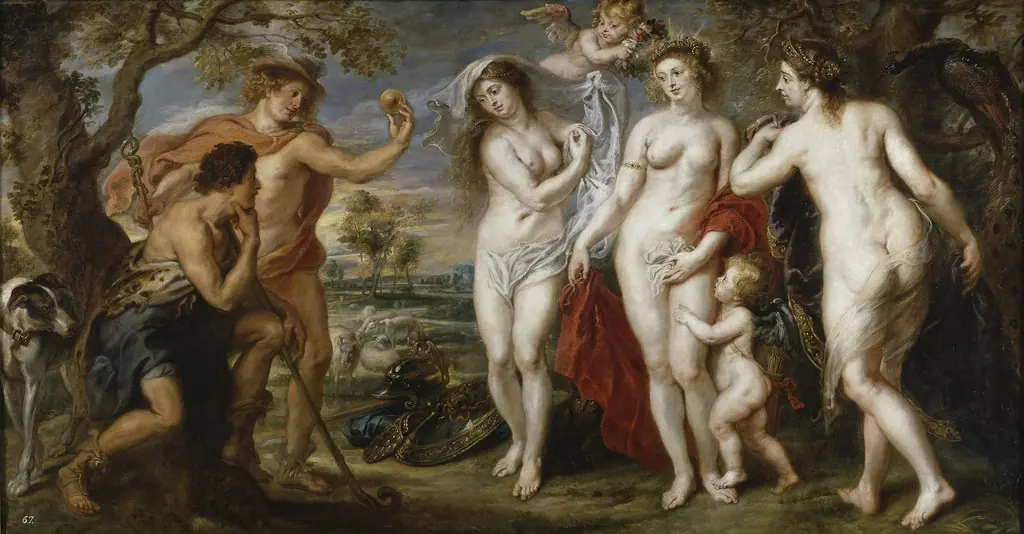 The Judgement of Paris
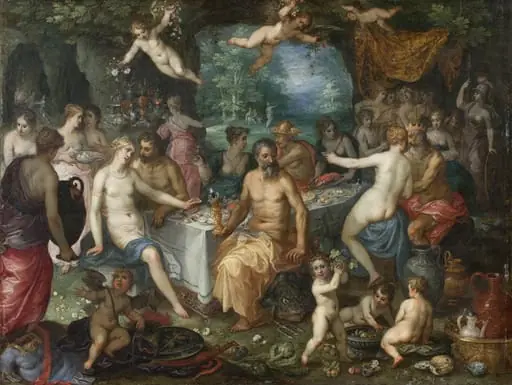 The Feast of the Gods. The Wedding of Peleus and Thetis
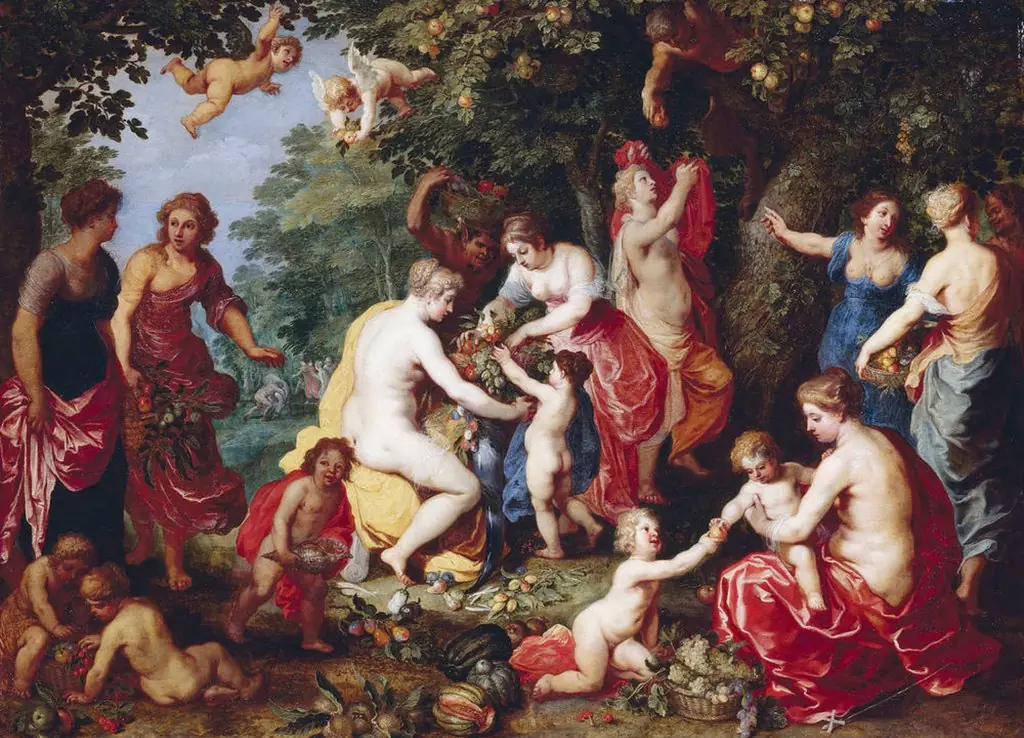 Nymphs and children under fruit trees (Naiads fill the cornucopia)
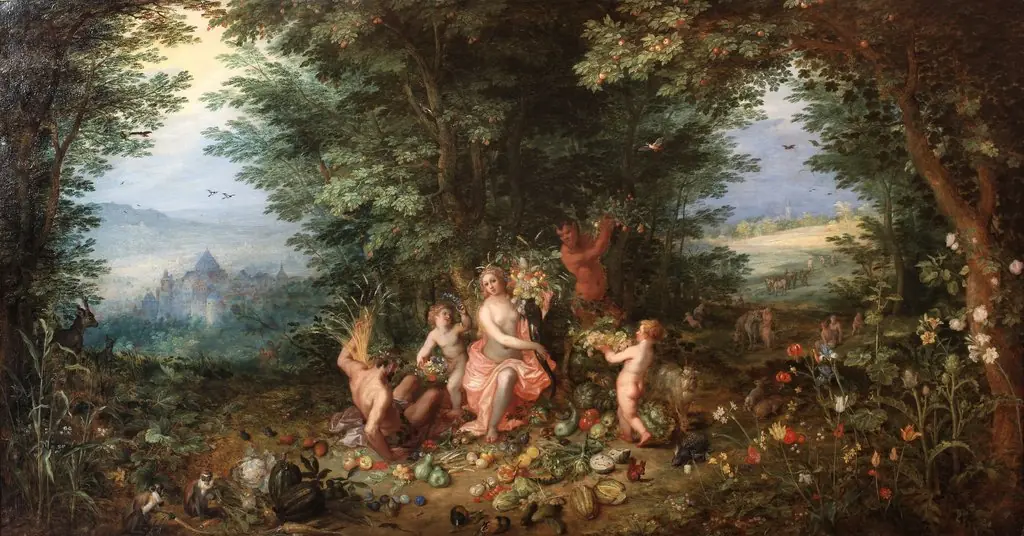 Earth
Earth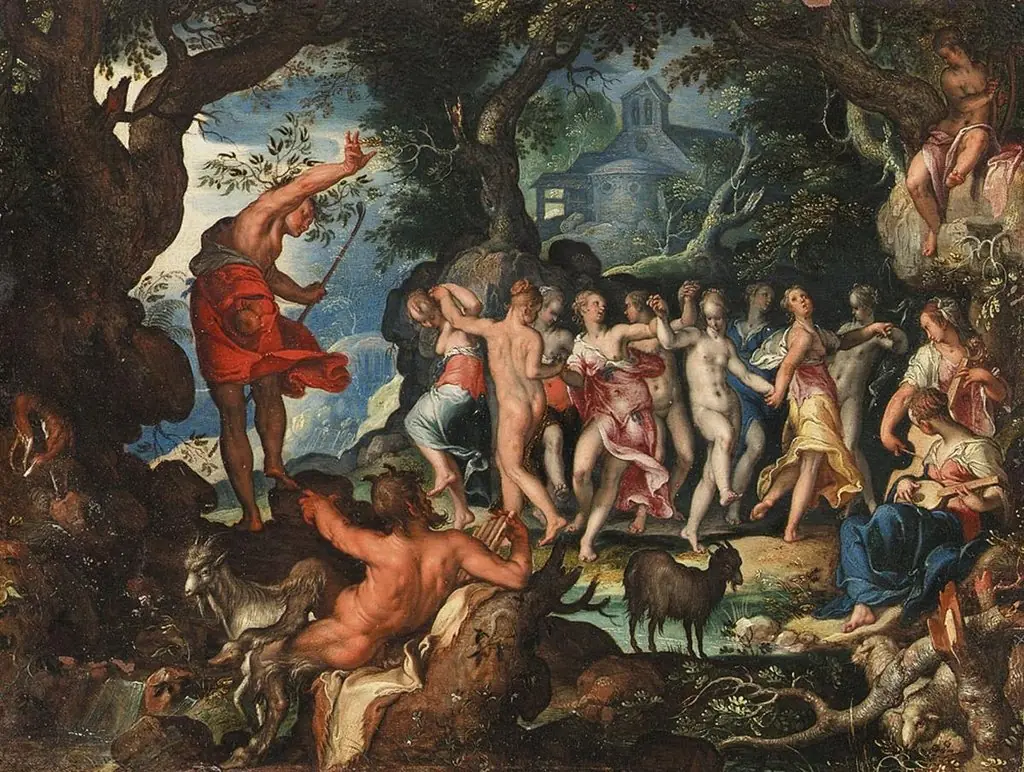 The Apulian Shepherd