Artwork
Gothic Church Interior
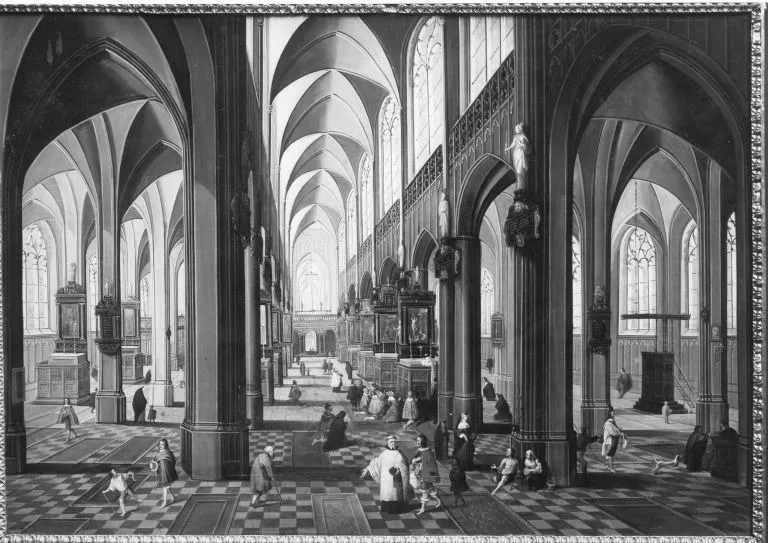
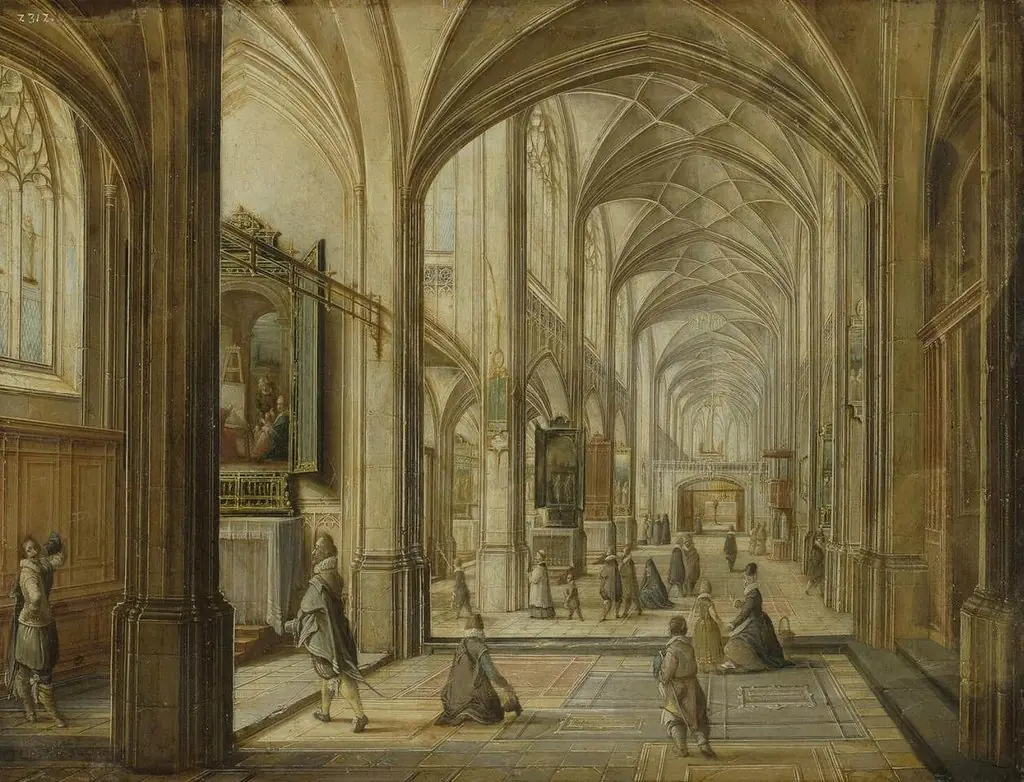
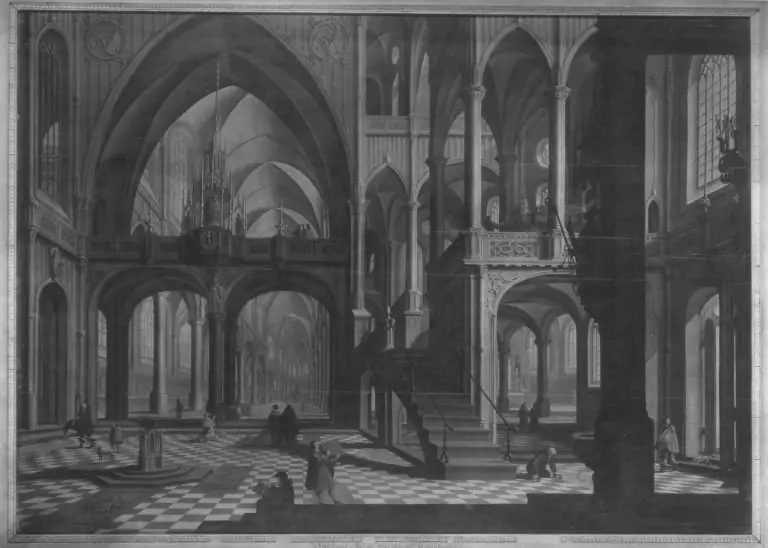
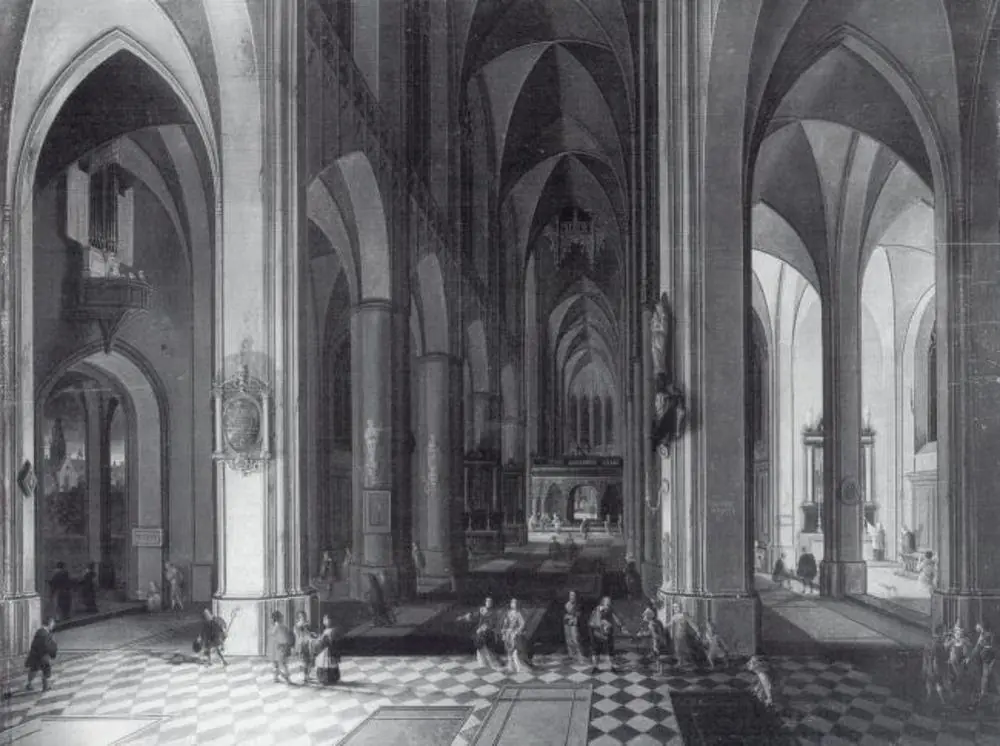
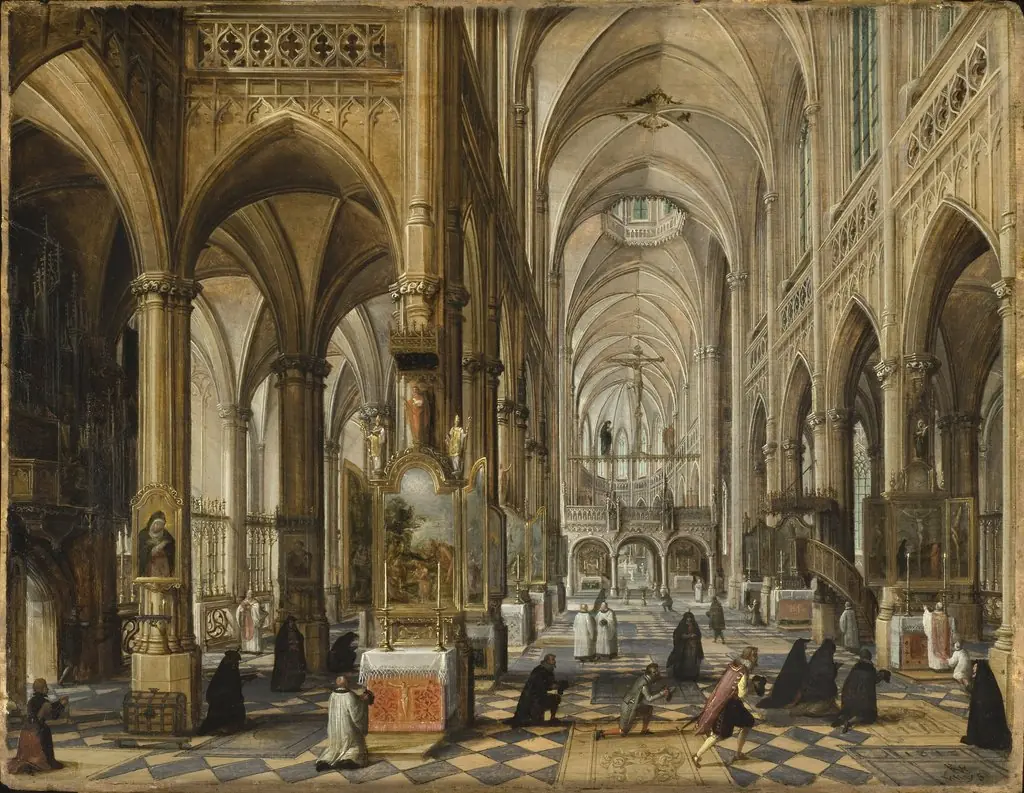
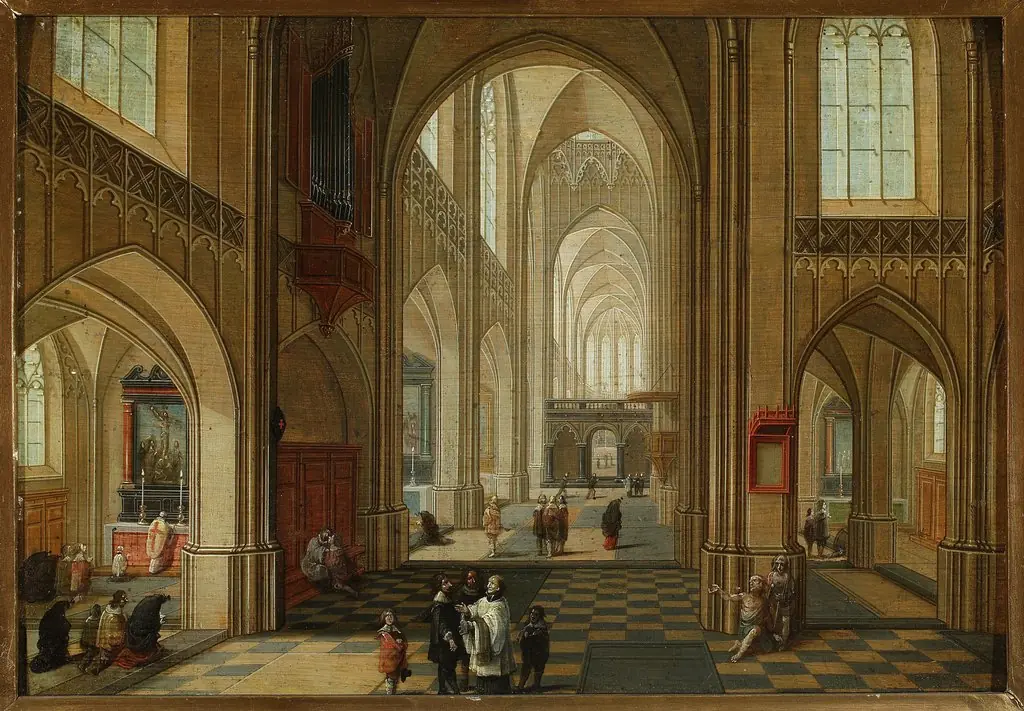
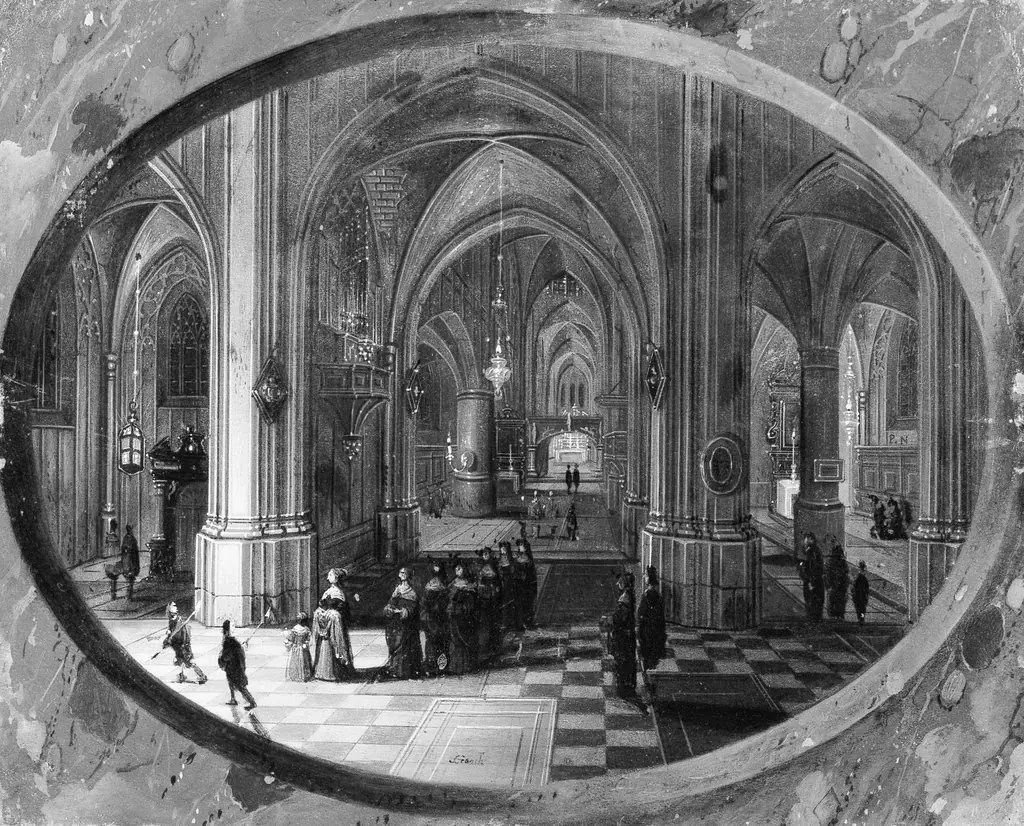
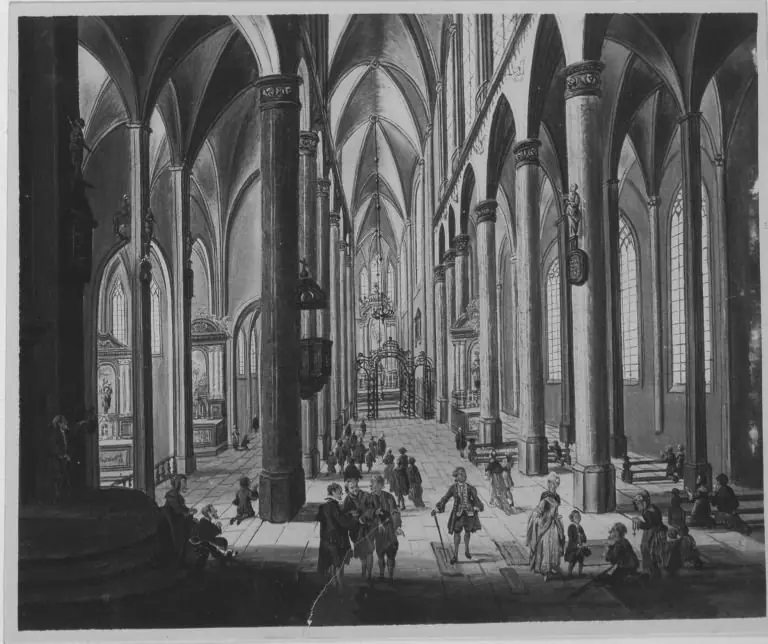
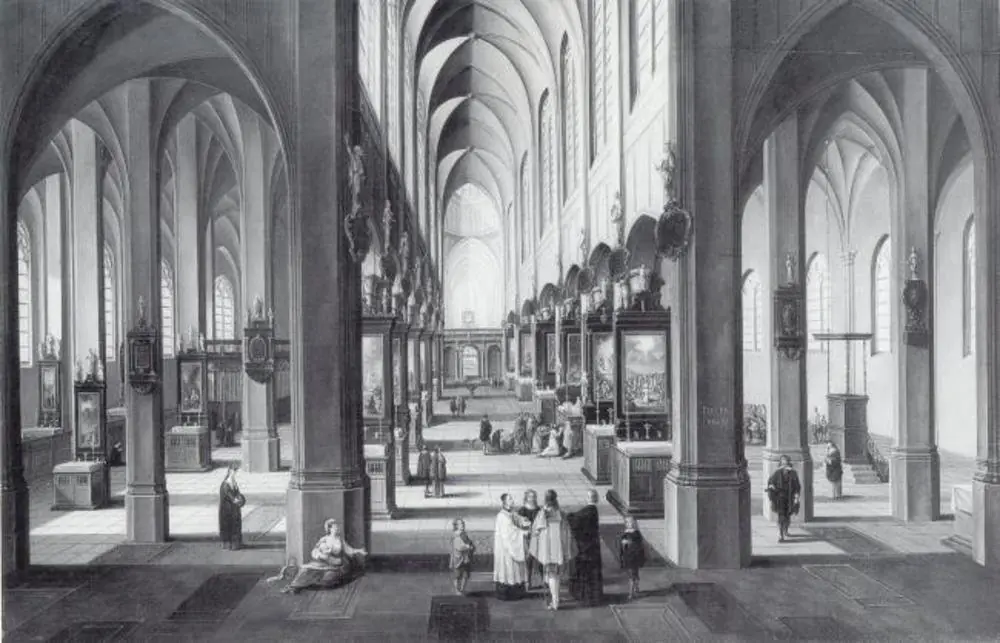
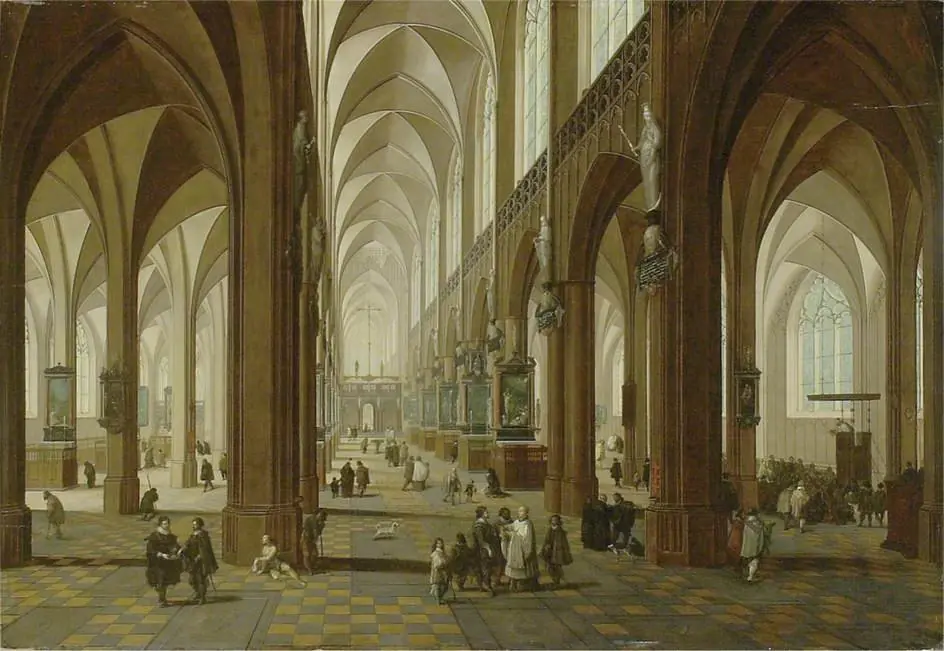
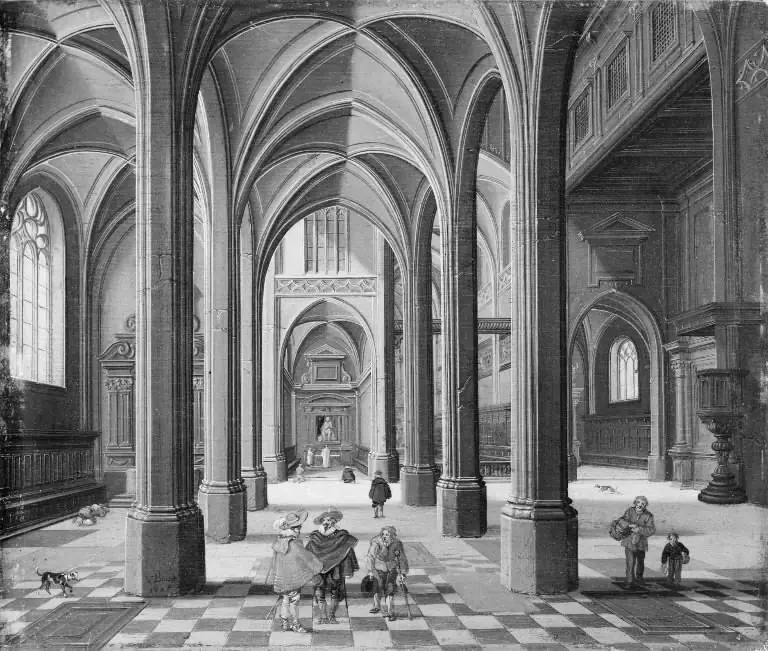
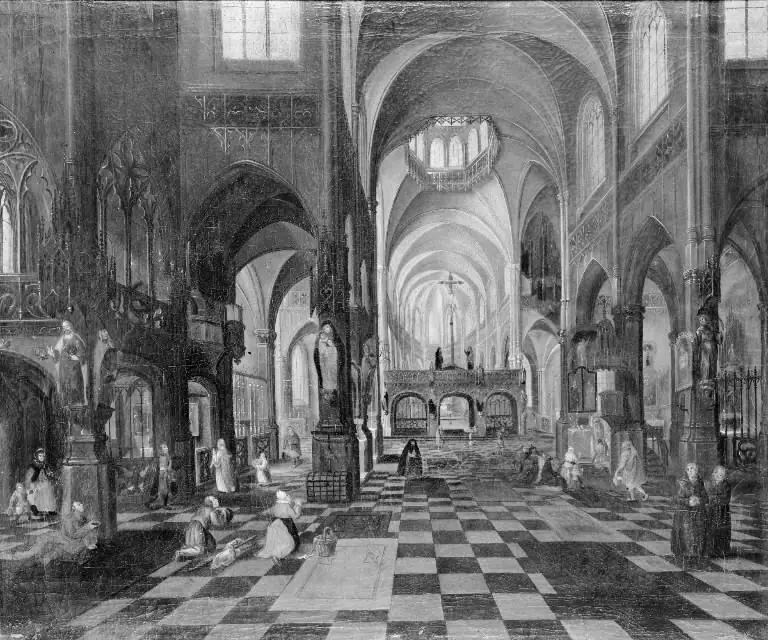
Gothic Church Interior is an unspecified painting by Hendrik Janssens. It dates from 1676 and is held in the collection of the Bavarian State Painting Collections.
About this work
Overview
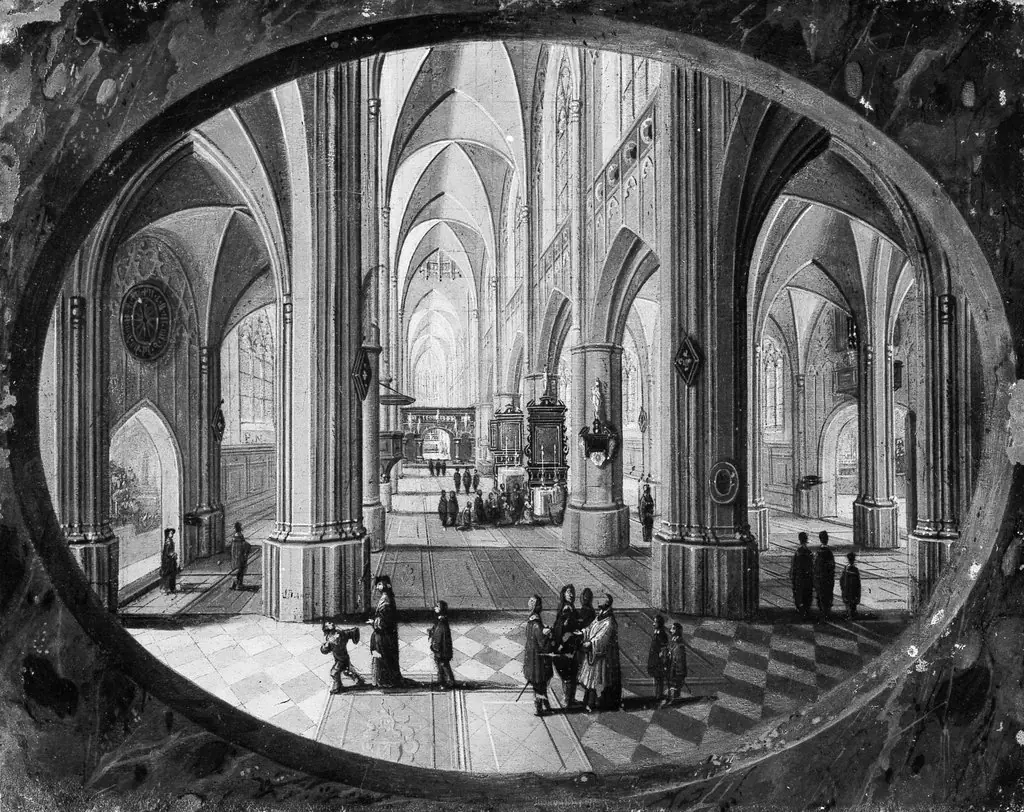
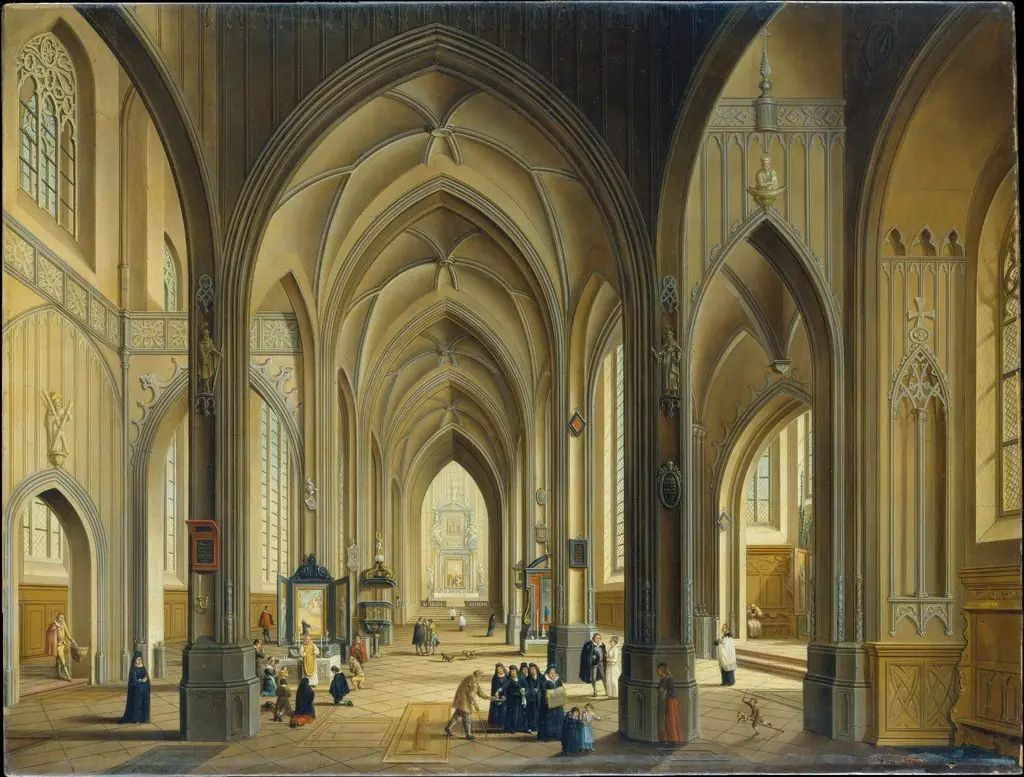
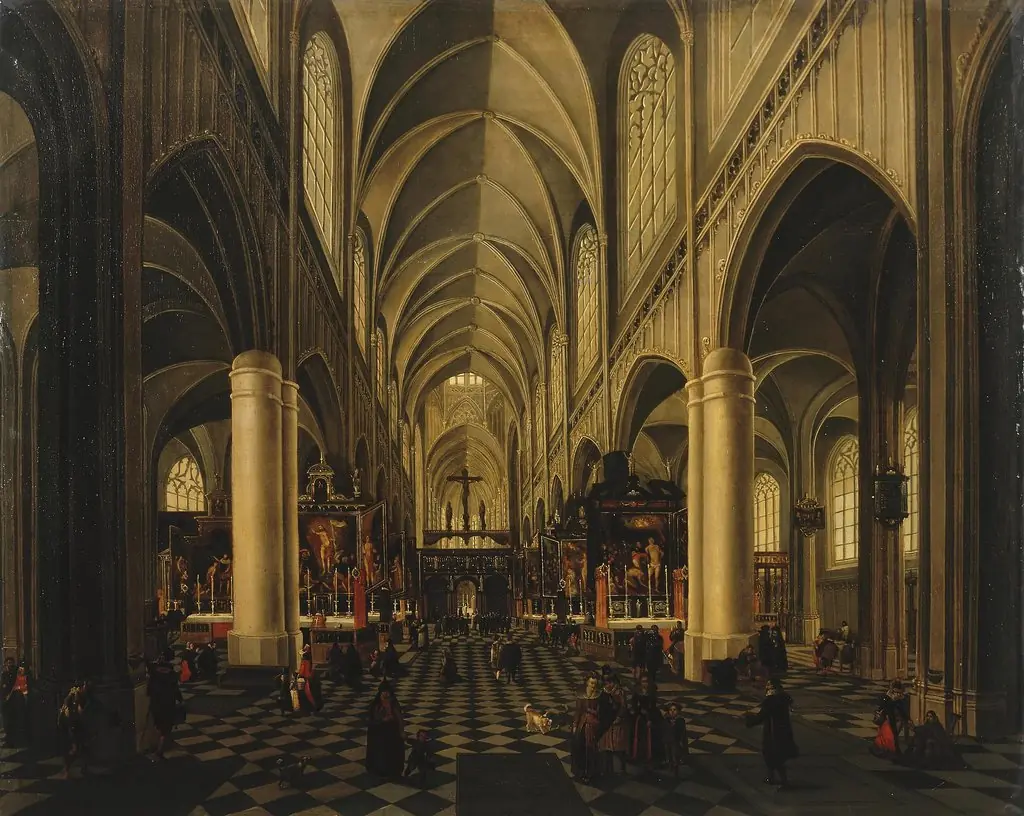
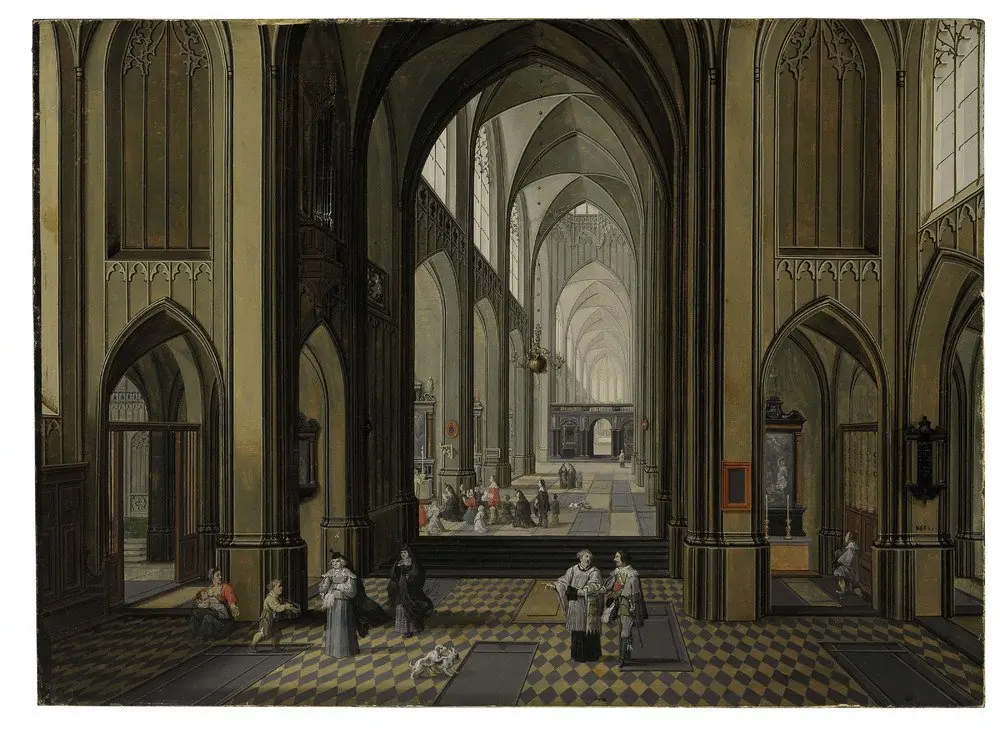
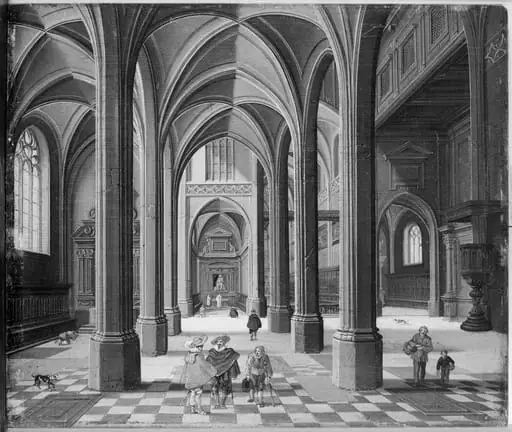
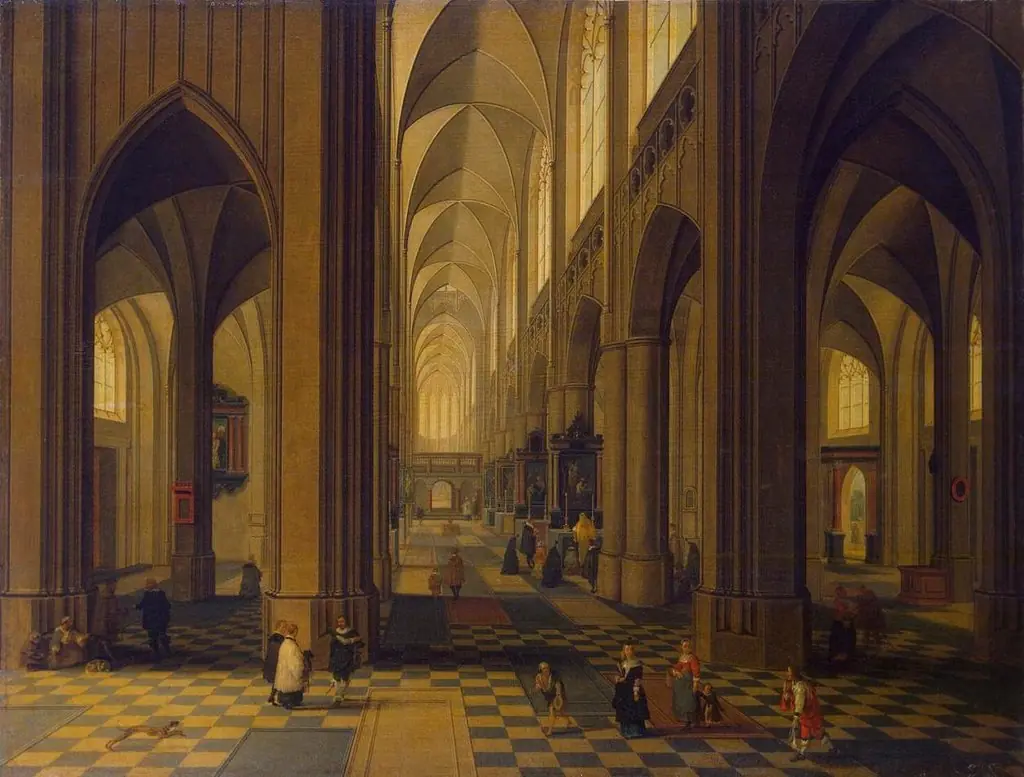
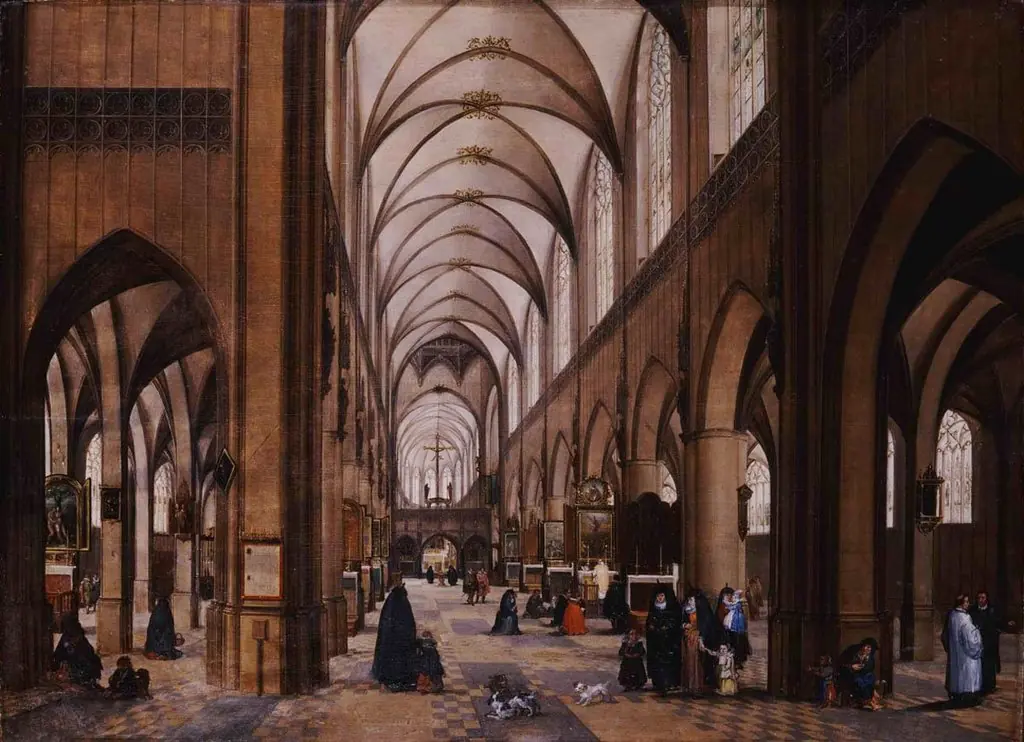
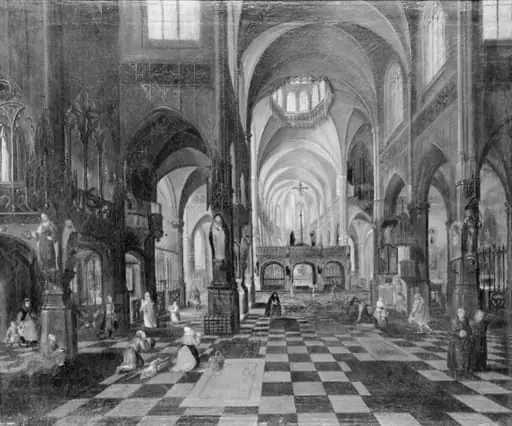
Painted around 1676, this oil on canvas depicts an interior of a Gothic church, attributed to Hendrik Janssens. The work is part of the collection at the Alte Pinakothek in Munich, where it is preserved as an example of 17th-century Dutch architectural painting. Its scale and detail reflect a growing interest in sacred spaces as subjects for quiet, contemplative imagery during the period.
Subject & Meaning
The stillness and symmetry evoke a sense of reverence, aligning with Protestant sensibilities that favored simplicity in worship environments.
The painting presents an empty, vaulted nave bathed in soft, diffused light, emphasizing the architecture over human presence. No figures or altars dominate the scene, suggesting a focus on the spiritual atmosphere of the space rather than liturgical activity. The stillness and symmetry evoke a sense of reverence, aligning with Protestant sensibilities that favored simplicity in worship environments.
Technique & Style
Janssens employs precise linear perspective to guide the eye toward the distant choir, enhancing the sense of depth. Brushwork is controlled and meticulous, with subtle gradations of tone modeling stone surfaces and stained glass. Light enters through high windows, casting delicate shadows that animate the stone tracery without dramatic contrast, reflecting a restrained, observational approach to interior space.
History & Provenance
The painting entered the Alte Pinakothek’s collection in the 19th century, likely acquired during the expansion of its Dutch and Flemish holdings. Its attribution to Hendrik Janssens is based on stylistic comparison with other signed works, though documentation of its early ownership remains limited. It has been consistently displayed as a representative example of Dutch church interiors from the late 17th century.
Context
During the 1670s, Dutch artists increasingly turned to architectural interiors as subjects, influenced by both religious reform and the rise of secular patronage. While Catholic regions emphasized ornate altarpieces, Protestant areas favored depictions of empty churches as symbols of spiritual purity. Janssens’ work aligns with this trend, capturing the quiet dignity of a space stripped of ritual ornament.
Legacy
Though not widely known outside specialist circles, Janssens’ painting contributes to a broader corpus of Dutch architectural interiors that influenced later topographical and ecclesiastical painting. Its emphasis on spatial harmony and subdued light anticipates 18th-century approaches to interior representation, serving as a quiet bridge between Baroque grandeur and emerging neoclassical restraint.
Artist & collection