Artwork
Peasant in an outhouse
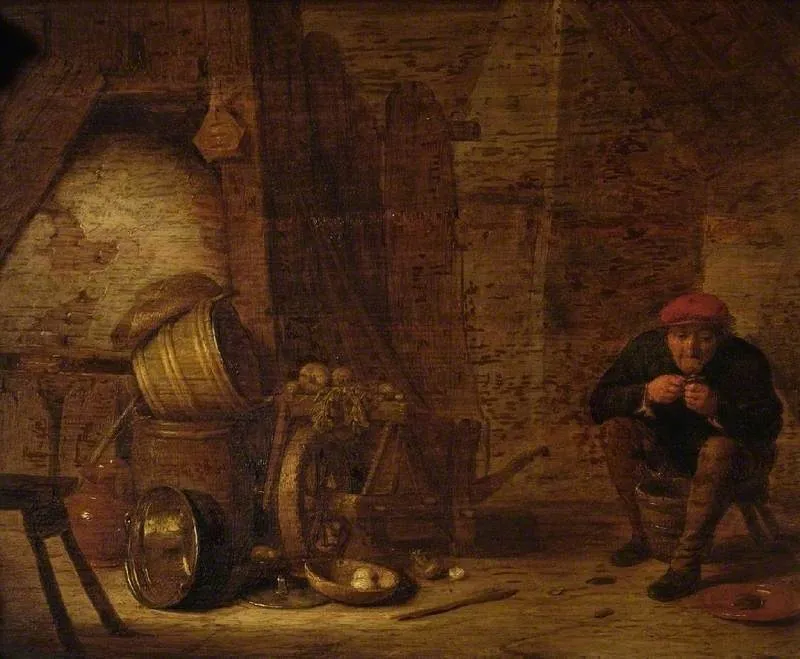
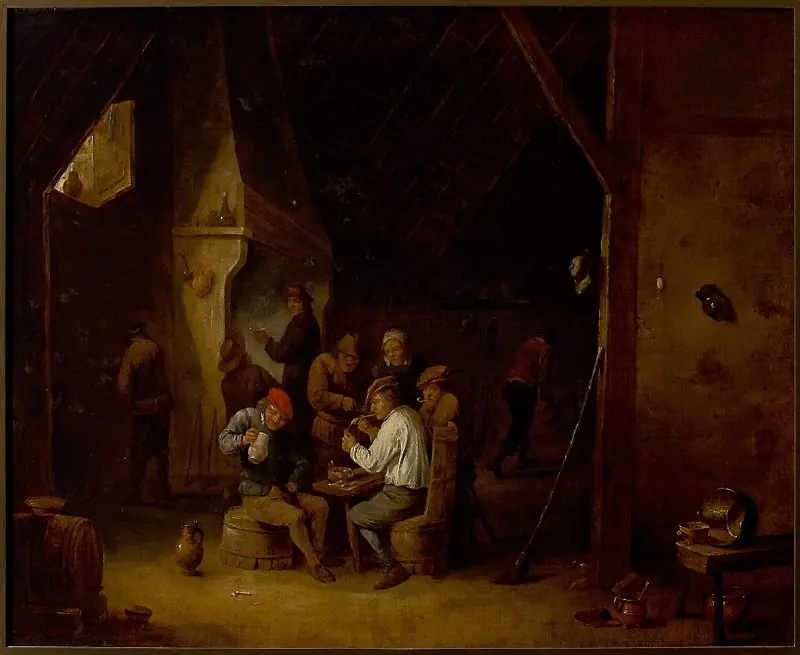
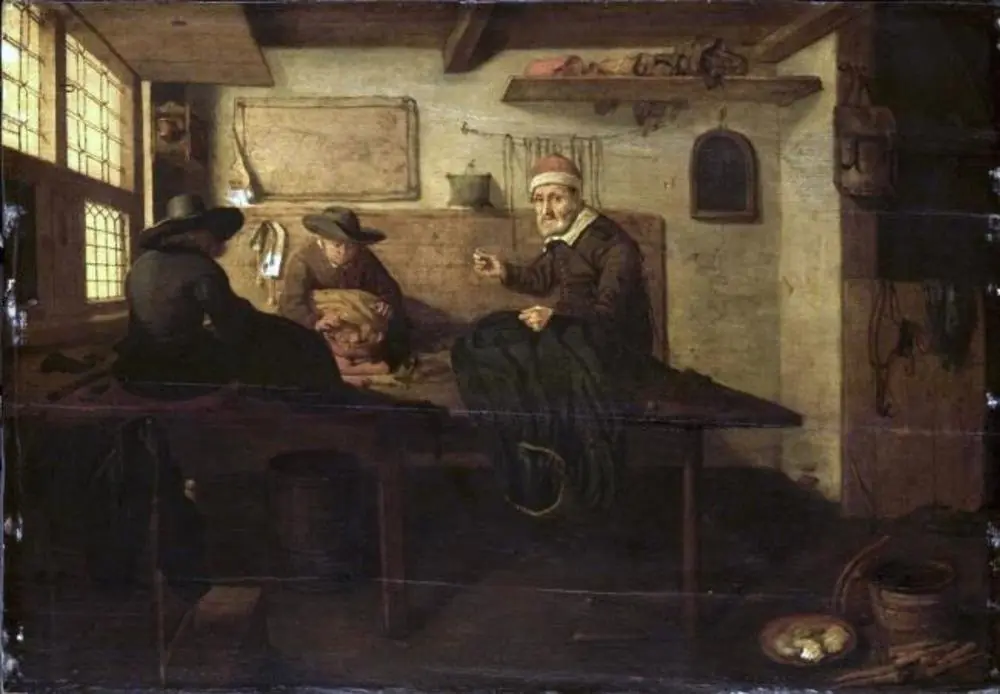
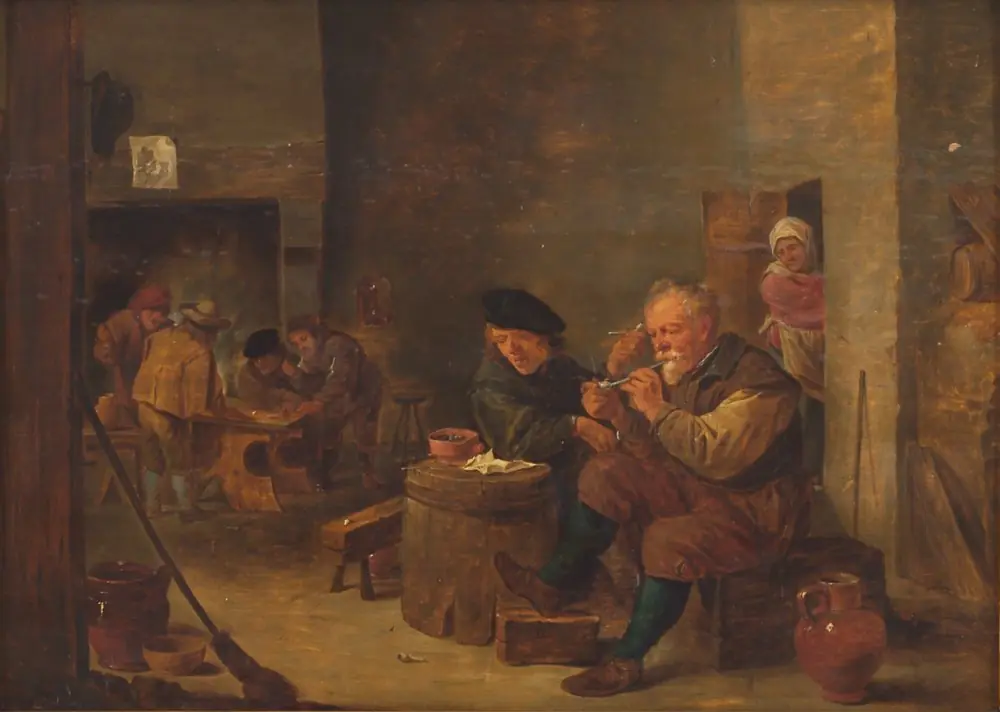
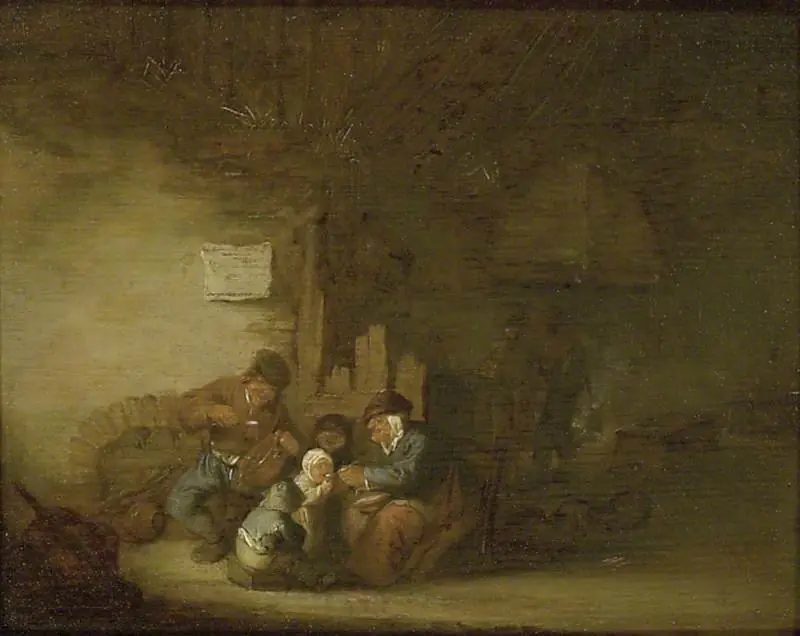
Peasant in an outhouse is an oil painting by Hendrik Martenszoon Sorgh. It dates from 1650 and is held in the collection of the Fitzwilliam Museum.
About this work
Overview
Painted around 1650 by Hendrik Martenszoon Sorgh, this oil on panel work depicts a solitary peasant in a modest outdoor privy. The scene is unadorned and grounded in everyday rural life, avoiding idealization. The painting resides in the Fitzwilliam Museum, Cambridge, where it is valued for its quiet observation of domestic routine rather than narrative drama.
Subject & Meaning
The figure, seated on a wooden seat, is absorbed in the act of smoking a pipe, a moment of private repose amid utilitarian surroundings.
The figure, seated on a wooden seat, is absorbed in the act of smoking a pipe, a moment of private repose amid utilitarian surroundings. His attire—a red cap, dark shirt, and brown trousers—suggests modest means. The setting, stripped of ornament, implies neither shame nor humor, but rather an unembellished record of ordinary human behavior, reflecting a broader Dutch interest in unvarnished daily life.
Technique & Style
Sorgh employs chiaroscuro to model the figure against the dim interior, enhancing volume and focus on the man’s face and hands. The rough wood walls and packed earth floor are rendered with textured brushwork, while the clutter of barrel, bucket, and broom is arranged without symmetry, suggesting spontaneity. Light falls selectively, guiding attention to the quiet intimacy of the moment rather than the surroundings.
History & Provenance
The painting entered the Fitzwilliam Museum’s collection in the 19th century, likely through a private acquisition. Its attribution to Sorgh, a Dutch genre painter active in the mid-17th century, is supported by stylistic parallels with his other works. No earlier documentation of its ownership is known, but its preservation suggests it was valued by collectors interested in Dutch realism.
Context
In mid-17th-century Holland, genre scenes of common life gained popularity among urban patrons. While many artists depicted bustling interiors or market scenes, Sorgh turned to solitary, intimate moments. This painting aligns with a trend that found dignity in the mundane, reflecting a cultural shift toward valuing private, unheroic experiences over grand historical or religious themes.
Legacy
Though not widely reproduced, the painting contributes to the understanding of Dutch genre painting’s diversity. It exemplifies how artists captured quiet, unremarkable acts with psychological nuance. Its endurance in a major museum collection underscores its role as a quiet testament to the artistic interest in ordinary existence during the Dutch Golden Age.
Artist & collection
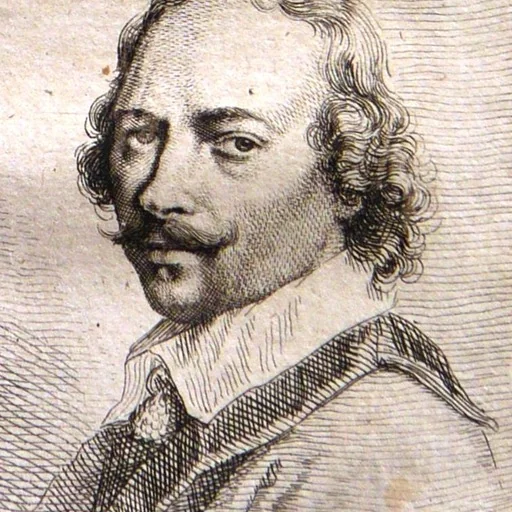
Artist
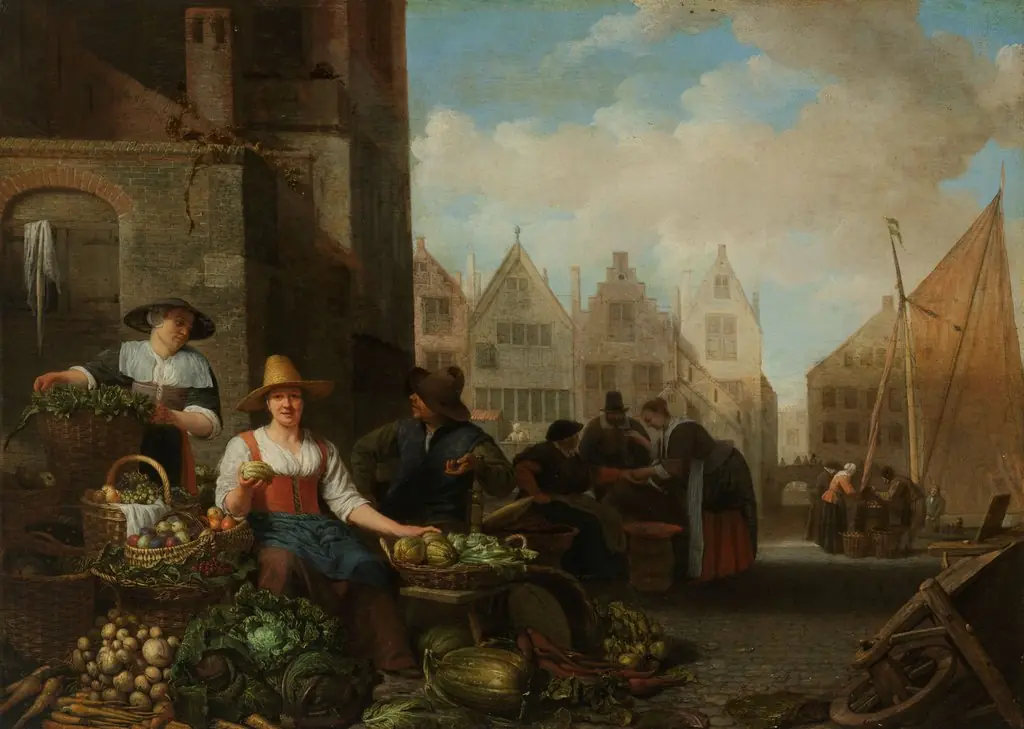
Hendrik Martenszoon Sorgh (1610–1670) was an artist, born in Rotterdam.