Artwork
Charles I (1600-1649) when Prince of Wales
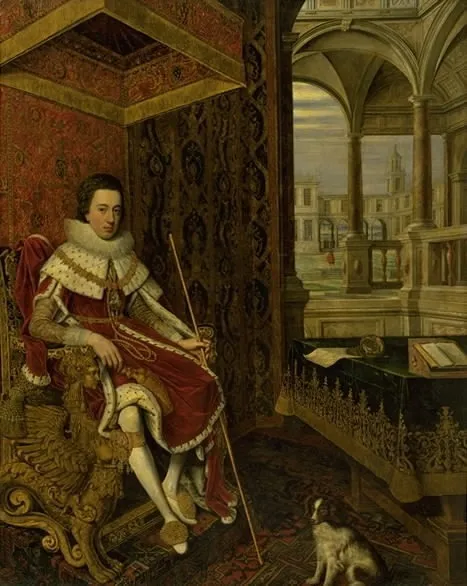
Charles I (1600-1649) when Prince of Wales is an unspecified painting by Hendrik van Steenwijk II. It dates from 1620 and is held in the collection of the Statens Museum for Kunst. The work, executed in 1620, portrays Charles I of England while he still bore the title Prince of Wales.
About this work
Overview
The work, executed in 1620, portrays Charles I of England while he still bore the title Prince of Wales. Rendered by Hendrik van van Steenwijck II, the canvas combines portraiture with the artist’s characteristic interior setting, situating the future monarch within a richly appointed space that opens onto an architectural courtyard.
Subject & Meaning
Charles is seated on an elaborately carved chair, dressed in a sumptuous red robe edged with white fur, a gold chain draped around his neck, and holding a rolled document and a walking stick. A small dog rests at his feet, a conventional symbol of loyalty. The composition emphasizes his status and the ceremonial aspects of his princely role.
Technique & Style
Van Steenwijck employs the Baroque chiaroscuro of his era, using strong directional light to make the red and gold fabrics glow against darker walls. The meticulous rendering of textures—fur trim, polished wood, and the gleam of metal—reflects his expertise in depicting interior spaces and material richness.
History & Provenance
Born in Antwerp around 1580 to the painter Hendrik van Steenwijck I, the artist inherited his father’s workshop and assumed control of a Frankfurt studio in 1603. Though chiefly known for architectural interiors, biblical scenes, and still‑lifes, he occasionally produced portraiture such as this piece, which entered collections of English royal portraiture in the 18th century.
Context
The portrait belongs to a broader genre of early‑17th‑century interior scenes that blend figure and setting, a hallmark of van Steenwijck’s output. By placing the prince within a domestic yet opulent environment, the work reflects contemporary interests in courtly display and the visual articulation of power through architecture.
Legacy
While van Steenwijck is primarily remembered for his architectural interiors, this portrait offers a rare glimpse of his approach to portraiture and contributes to the visual record of Charles I before his accession. It remains a reference point for scholars studying the intersection of Baroque interior painting and early modern royal imagery.
Artist & collection
Artist
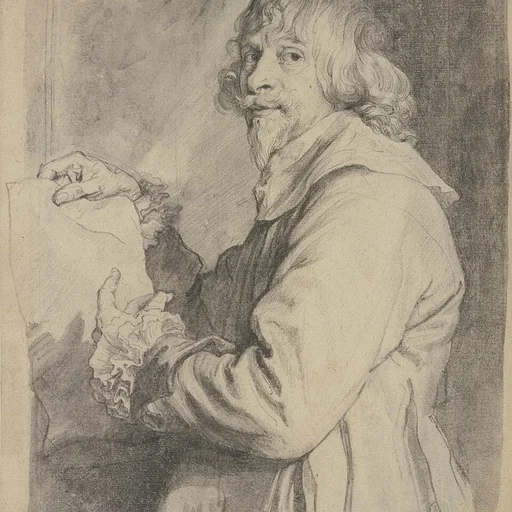
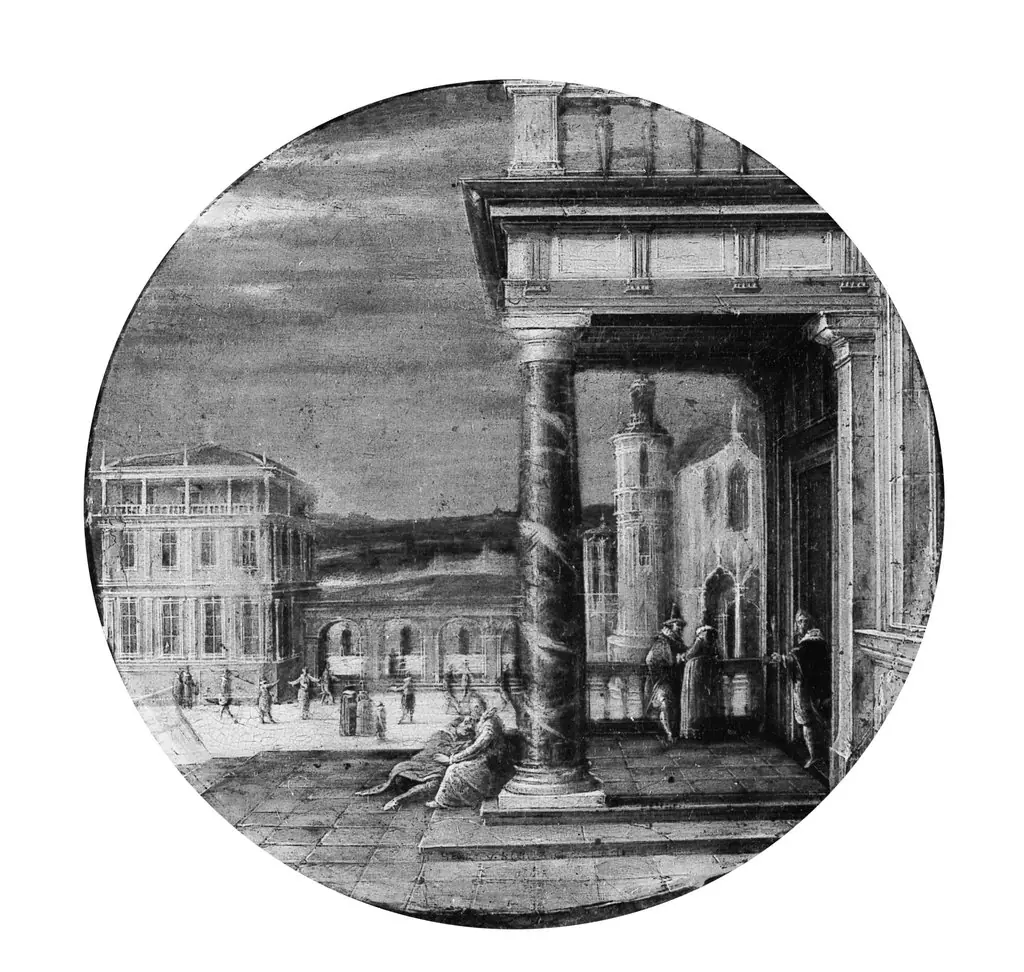
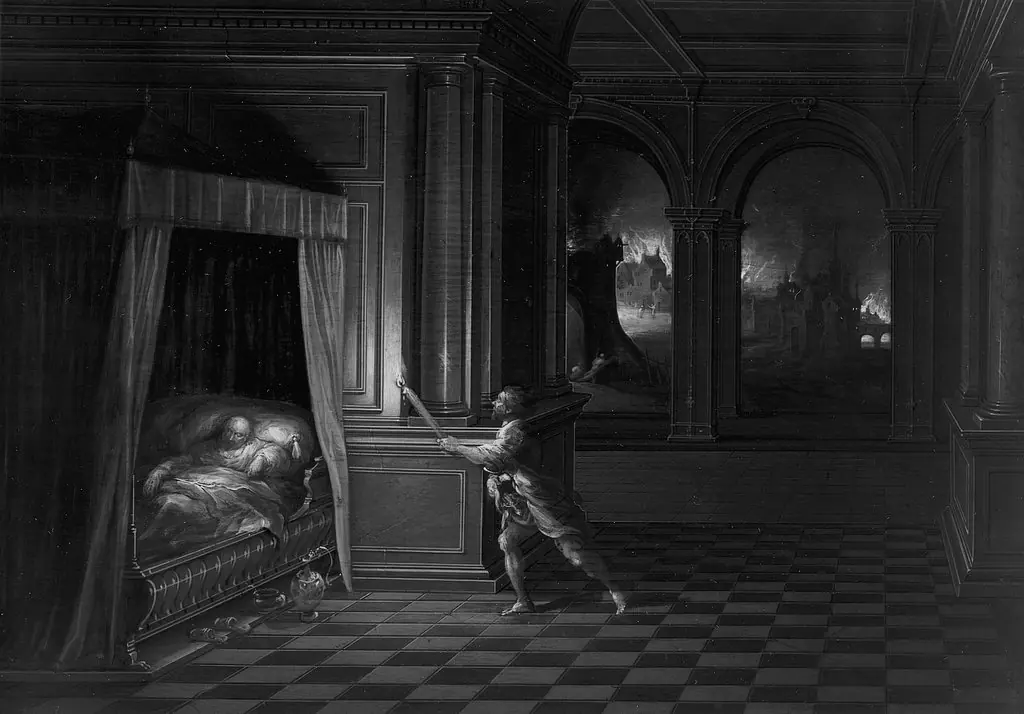
Hendrik van Steenwijck II (also Steenwyck, Steinwick) (c.1580–1640) was a Baroque painter mostly of architectural interiors, but also of biblical scenes and still lifes.

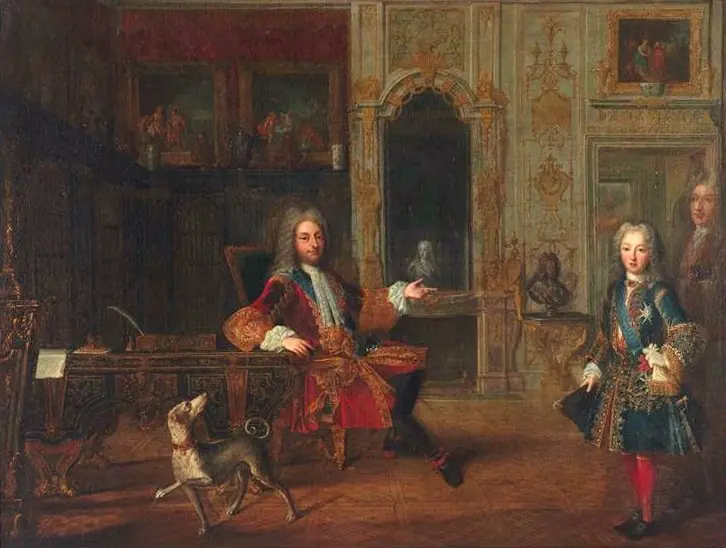 Philippe, duc d'Orléans, Régent, et son fils le duc de Chartres au château de Meudon
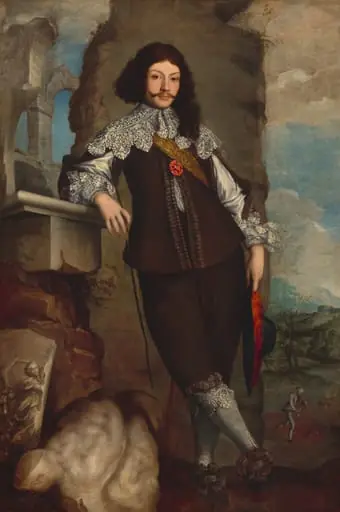 Lodovico Widmann
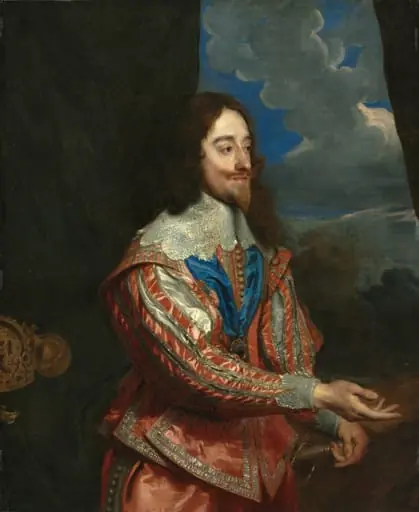 Portrait of Charles I (1600–1649)
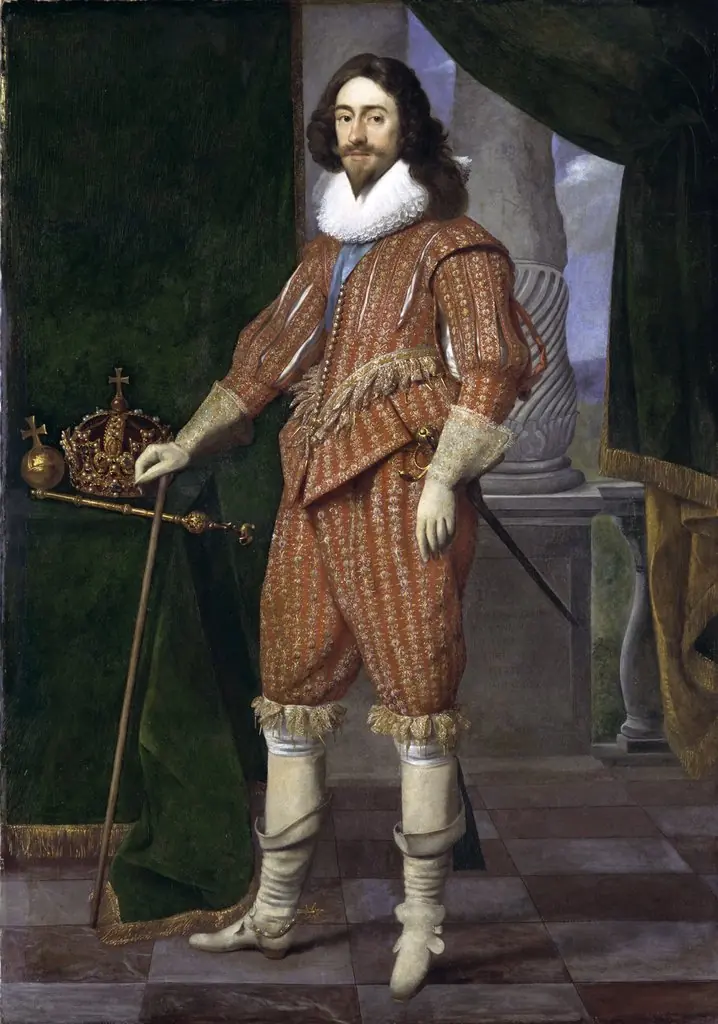 Portrait of Charles I of England
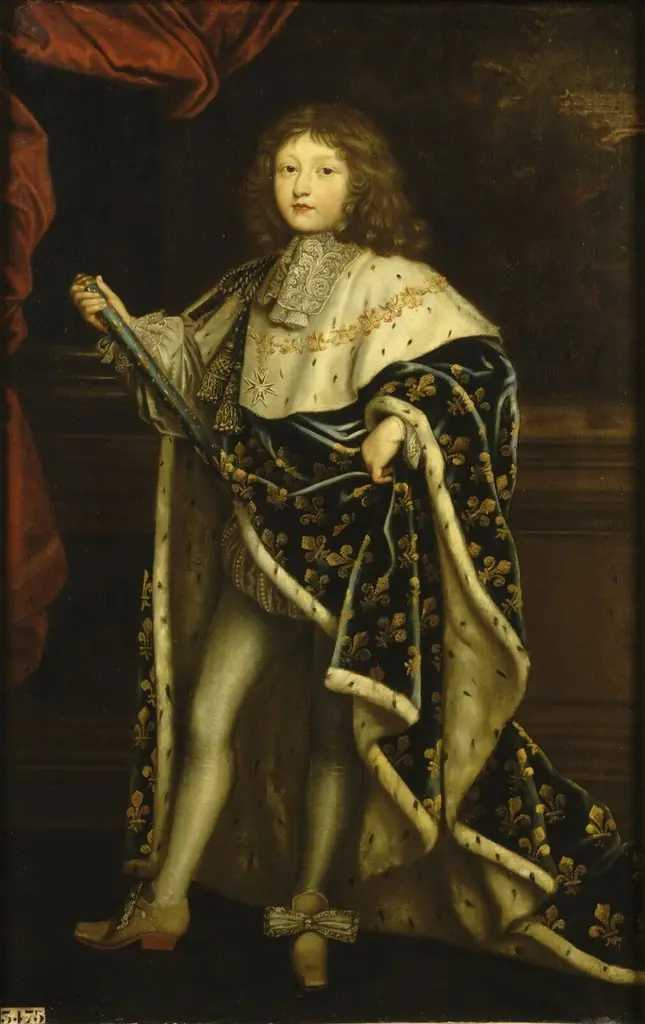 Louis XIV child in Coronation Robes
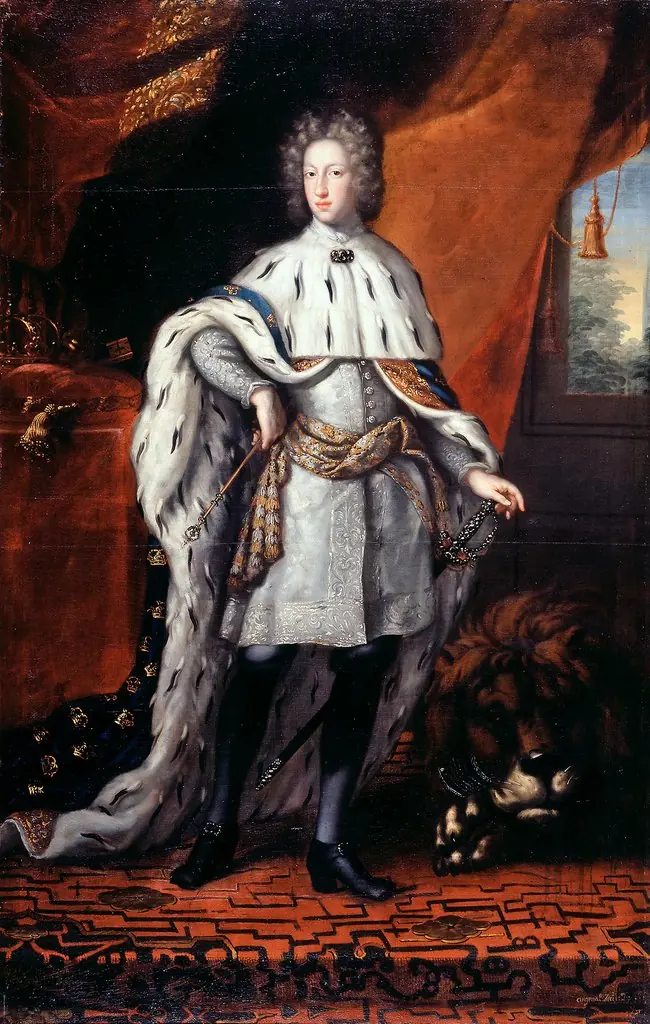 Karl XII
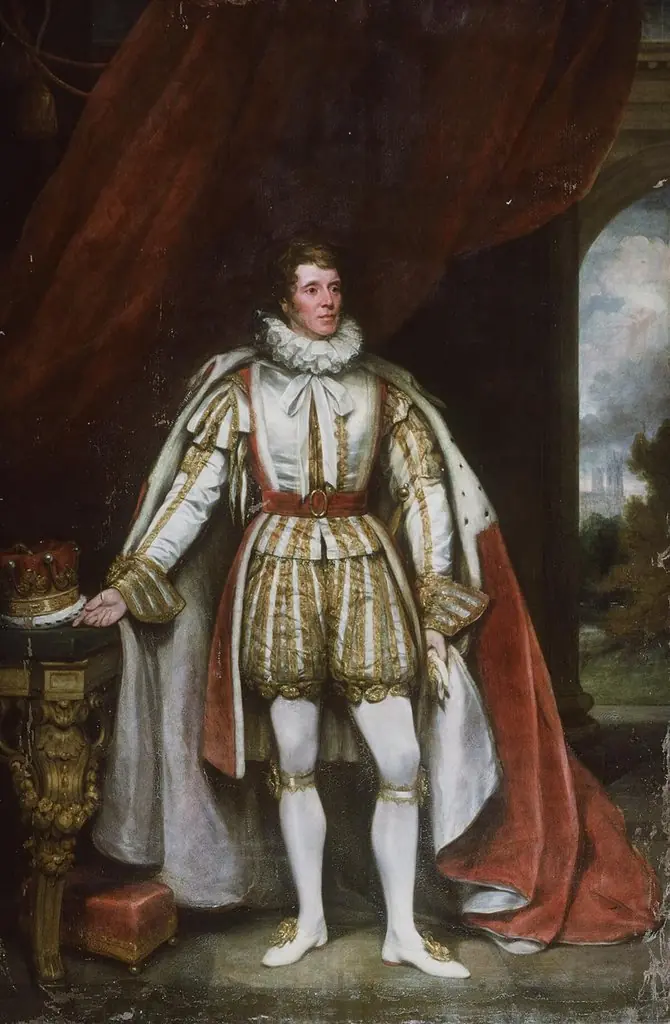 Henry Windham, 2nd Earl of Dunraven
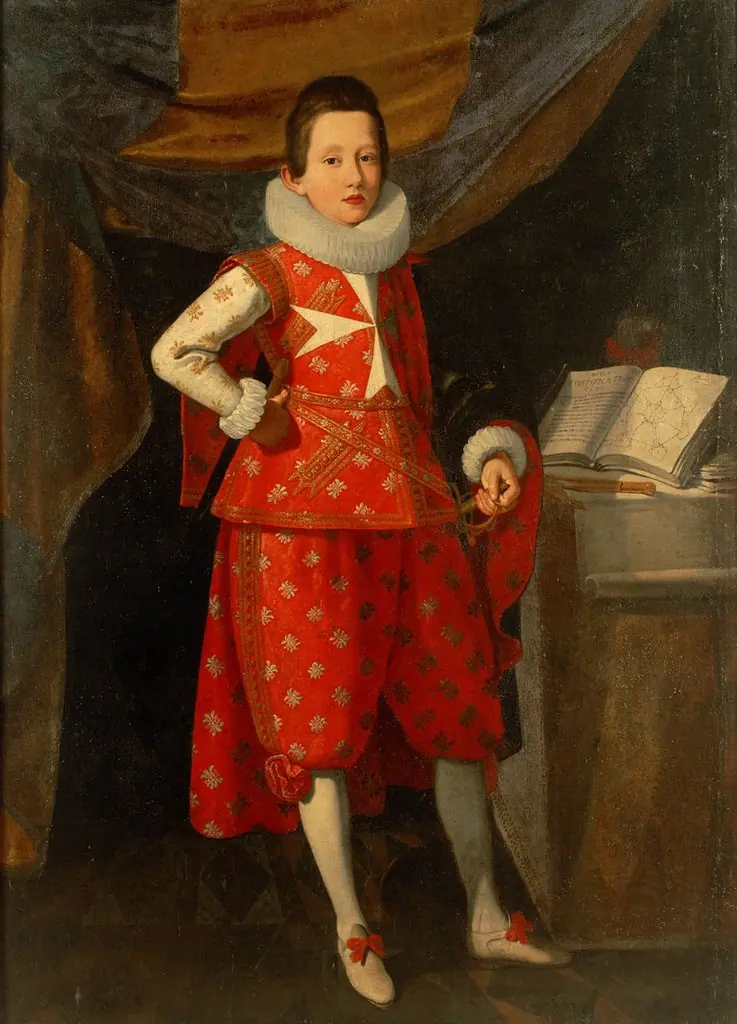 Giancarlo de' Medici (1611-1663), Cardinal, at the age of 10.
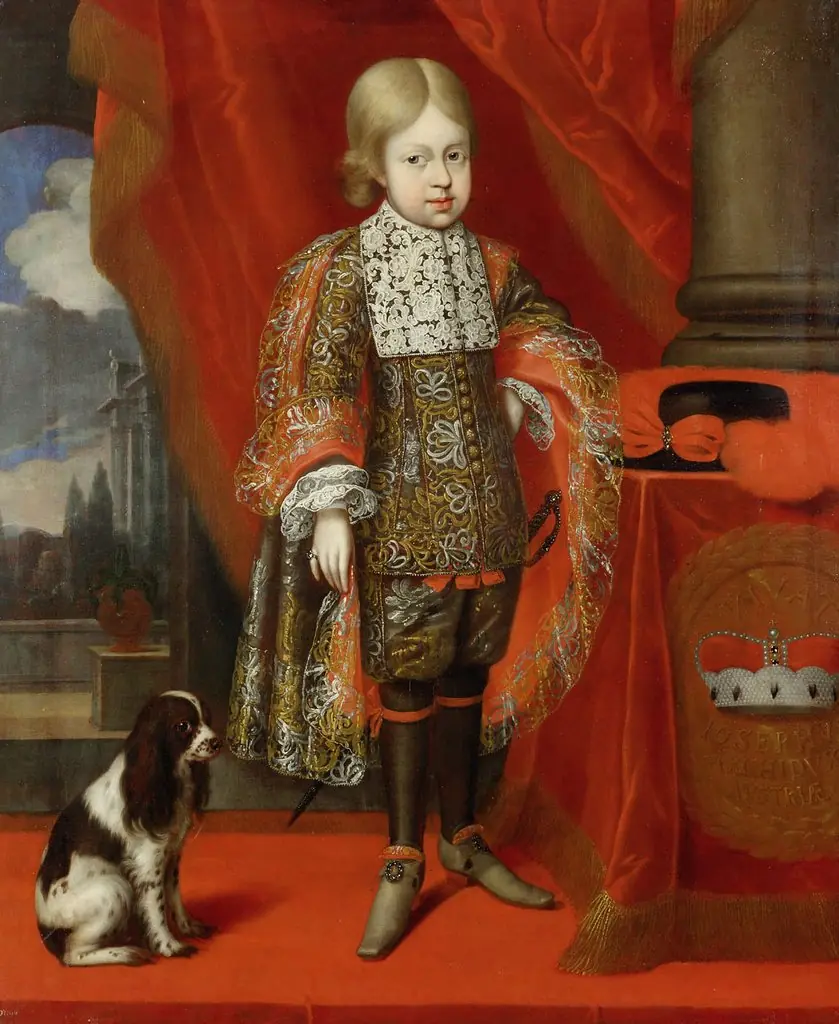 Portrait of Kaiser Joseph I. (1678-1711) at the age of six
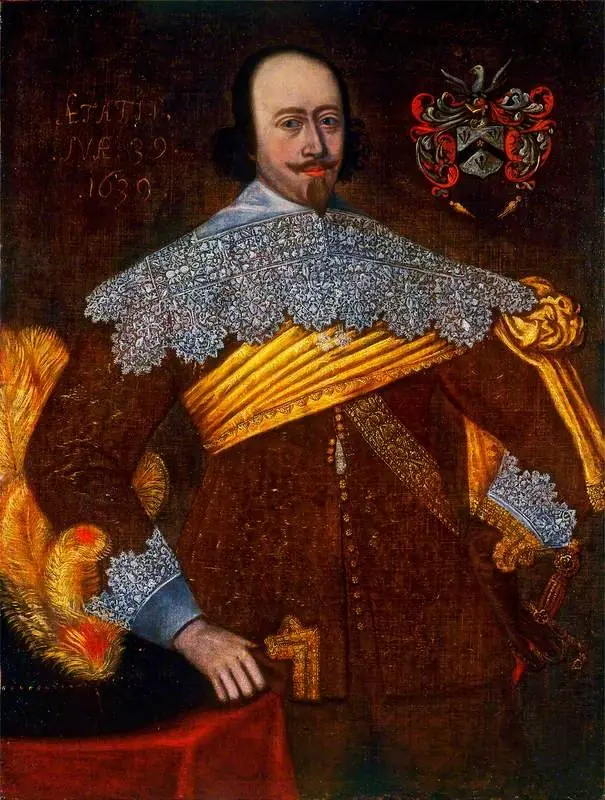 Captain Smart (b.1600)
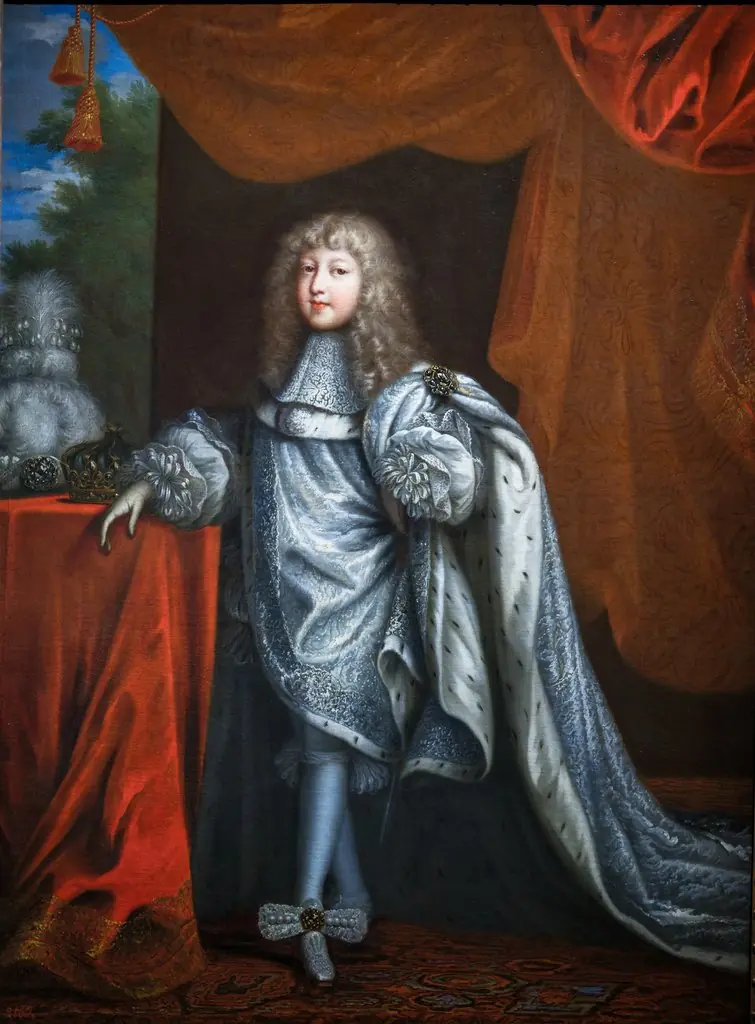 Louis of France, the Grand Dauphin
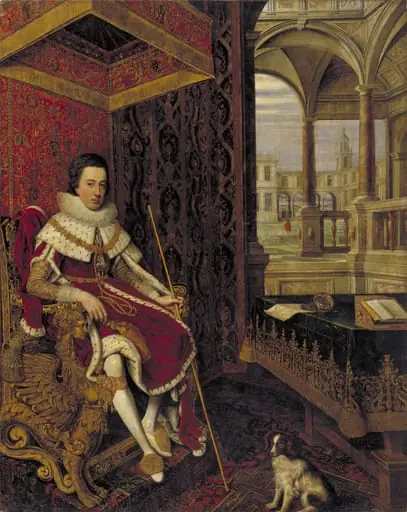 Charles I (1600-1649) when Prince of Wales