Artwork
Achilles and Patroclus
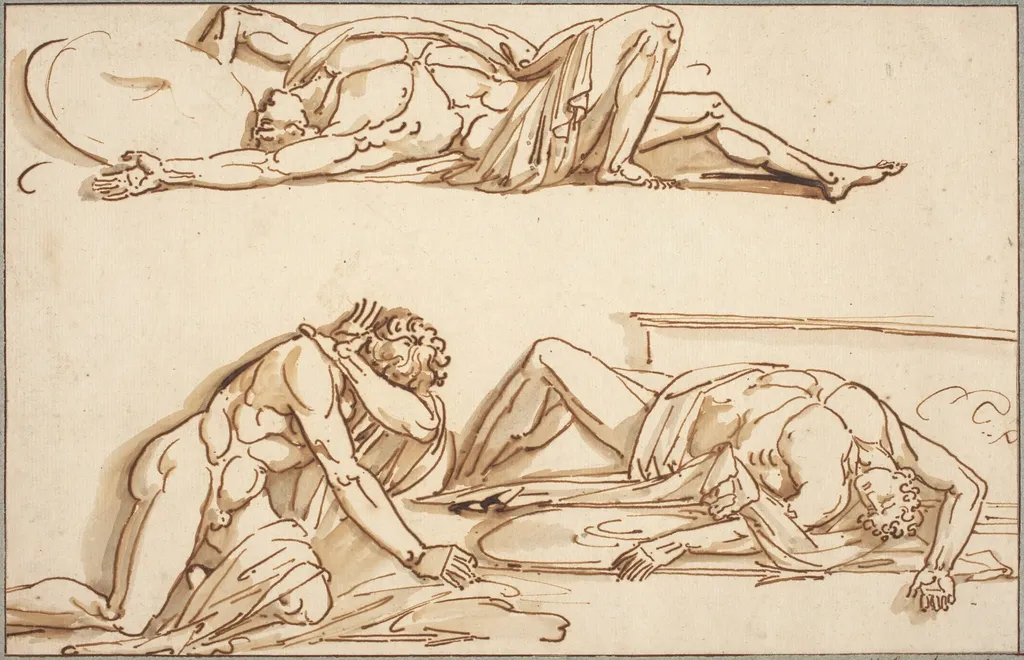
Achilles and Patroclus is an ink drawing by the Romanticist artist Philippe-Auguste Hennequin. It dates from 1786 and is held in the collection of the National Gallery of Art.
About this work
Overview
The composition conveys emotional intensity through simplified forms and fluid lines, characteristic of Hennequin’s approach to historical themes.
Created in 1786 by French artist Philippe-Auguste Hennequin, this drawing captures a moment from Greek myth using minimal materials: pen, brown ink, and wash on laid paper. Its sketchlike quality suggests it was made rapidly, possibly as a study or preparatory work. The composition conveys emotional intensity through simplified forms and fluid lines, characteristic of Hennequin’s approach to historical themes.
Subject & Meaning
The scene depicts Achilles and Patroclus, two central figures from Homer’s Iliad, in a moment of quiet tragedy. One lies motionless, limbs spread, while the other kneels in grief, head bowed. The posture implies death or collapse, evoking their profound bond. Hennequin avoids narrative detail, focusing instead on the raw physicality of sorrow, inviting contemplation of loss rather than recounting the myth.
Technique & Style
Hennequin employed loose, rapid pen strokes and subtle washes to suggest form and shadow without definition. Areas of brown-gray wash soften contours, while sparse cross-hatching builds depth in folds and musculature. The unfinished appearance enhances immediacy; the lack of polish emphasizes gesture over polish, turning the drawing into a visceral record of movement and emotion rather than a polished image.
History & Provenance
The work dates from Hennequin’s early career, a period when he was refining his approach to classical subjects. It likely served as a preparatory study for a larger painting or academic exercise, common among French artists trained at the Académie Royale. Its survival suggests it was valued for its expressive force, though its early ownership remains undocumented.
Context
In late 18th-century France, classical mythology remained a dominant subject for academic artists, especially those training in history painting. Hennequin’s focus on intimate, emotionally charged moments within these myths aligned with a broader shift toward psychological depth. This drawing reflects the tension between formal training and emerging interest in raw human expression.
Legacy
Though not widely exhibited, the drawing exemplifies how French draftsmen used ink and wash to explore emotional narratives with economy. Its unpolished vigor influenced later artists seeking authenticity over idealization. As a study, it reveals Hennequin’s ability to convey profound feeling through minimal means, contributing to the evolution of expressive drawing in academic circles.
Artist & collection
Artist
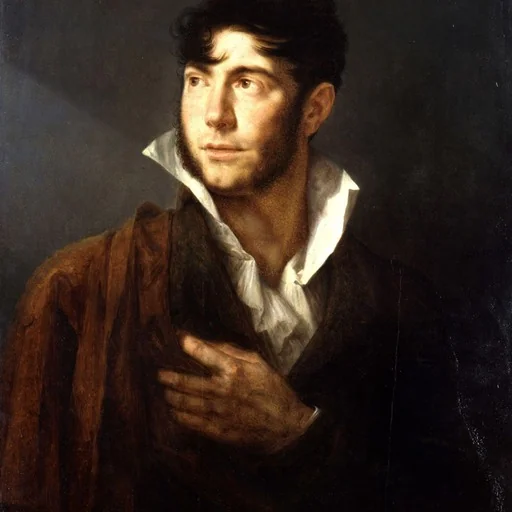
Philippe-Auguste Hennequin (10 August 1762 – 12 May 1833) was a French painter who specialised in history painting and portrait painting.

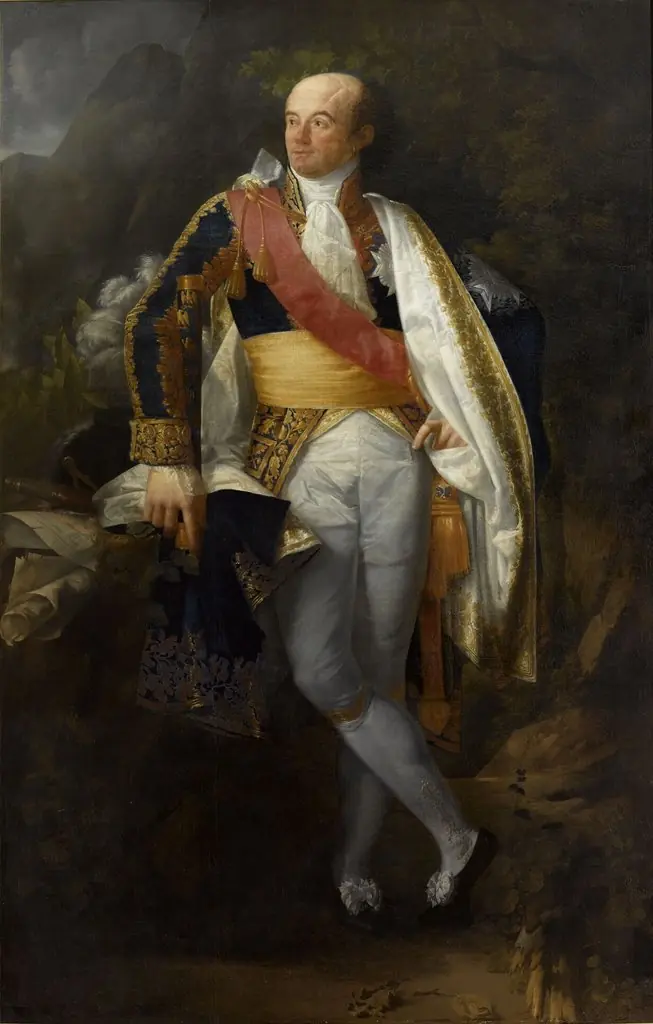 Dominique-Catherine, marquis Pérignon, maréchal de France (1754-1818)
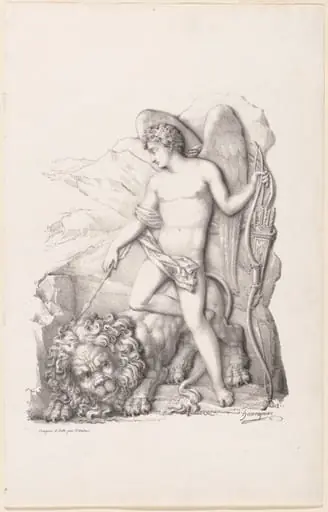 L’Amour terrassant un lion (Personification of Love Vanquishing a Lion)
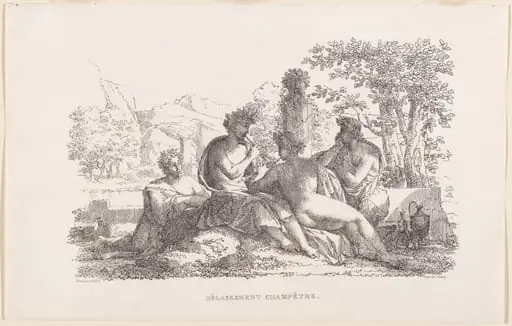 Délassement champêtre (Sylvan Leisure)
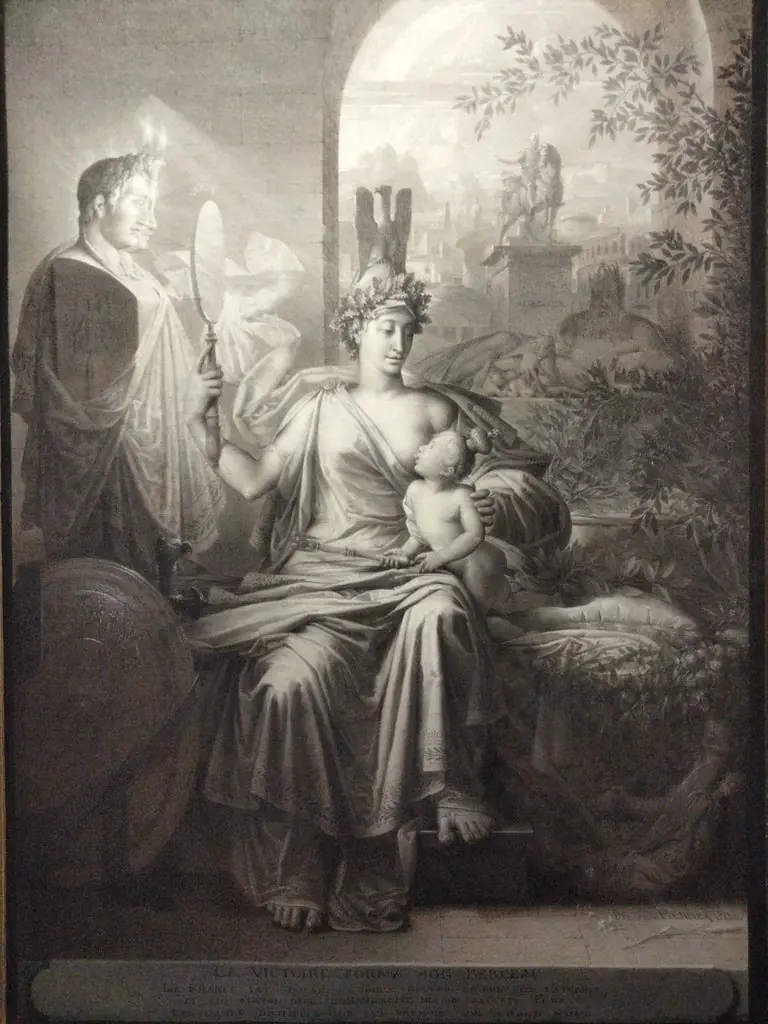 Allégorie de la naissance du roi de Rome
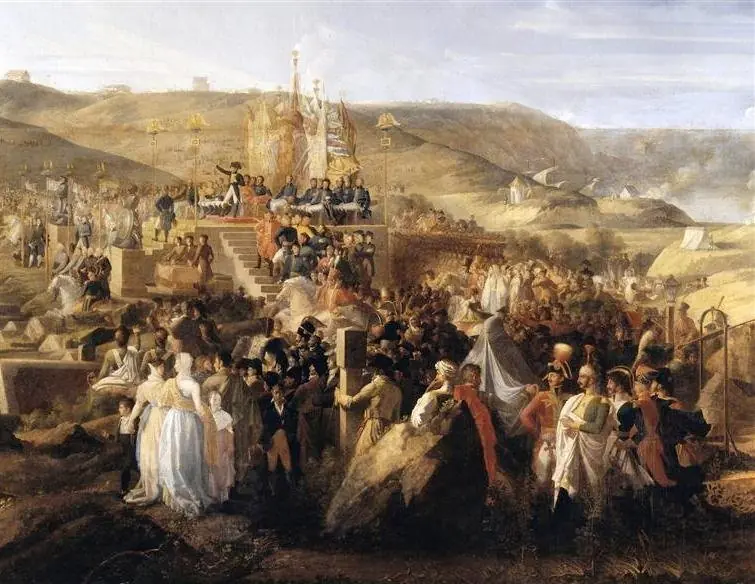 Napoleon I, at the Boulogne camp, distributes the crosses of the Legion of Honor, August 16, 1804
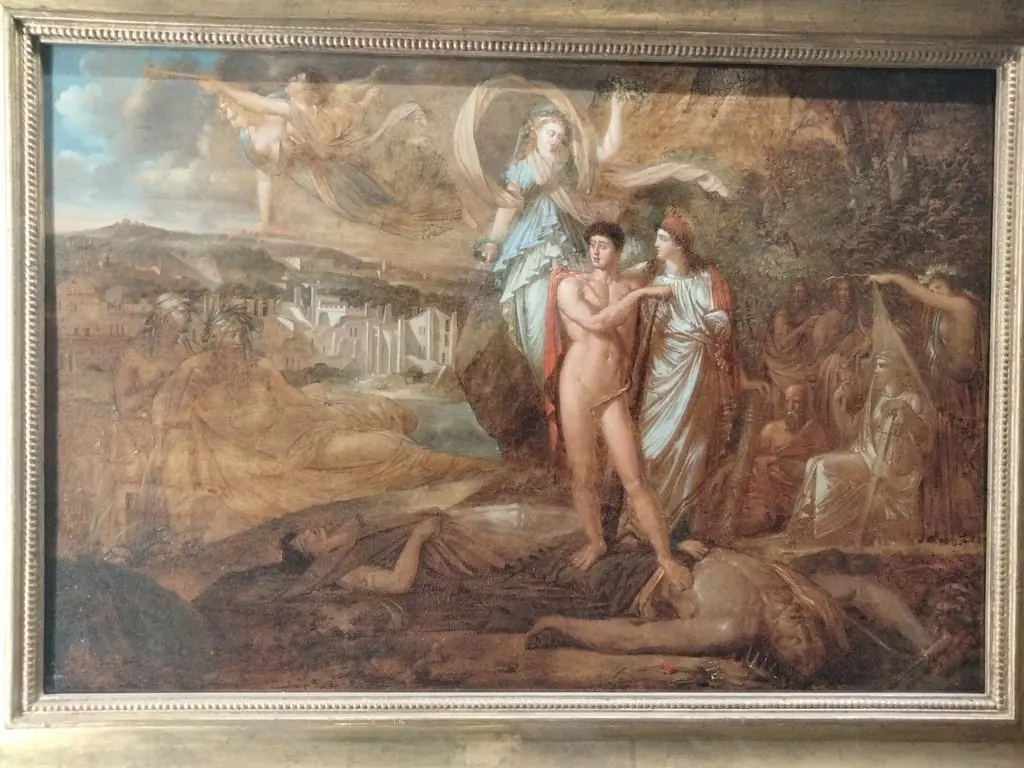 La Rébellion lyonnaise terrassée par le génie de la Liberté
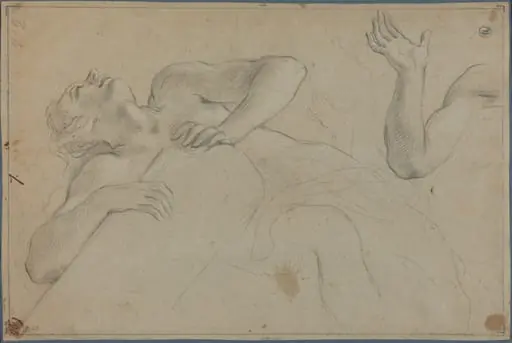 Satyr Leaning on a Column
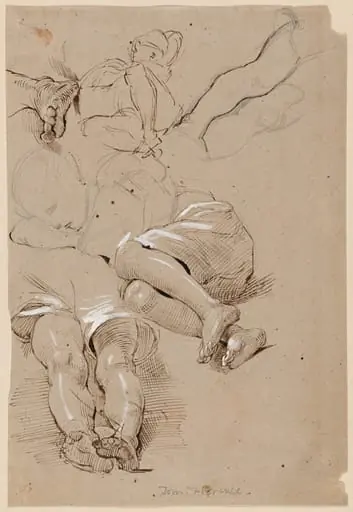 Tom -- Florence
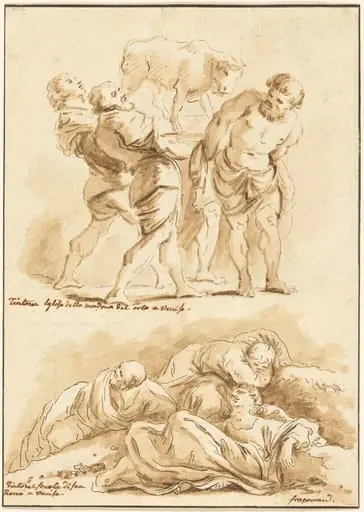 Worship of the Golden Calf and Christ on the Mount of Olives
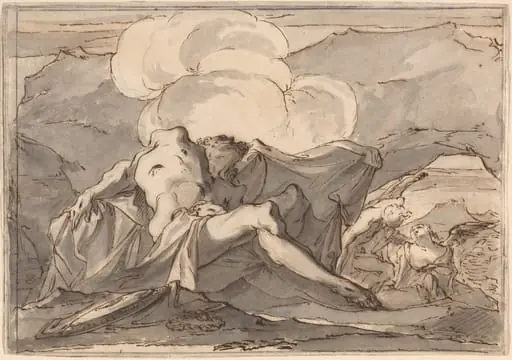 The Dead Christ with Angels
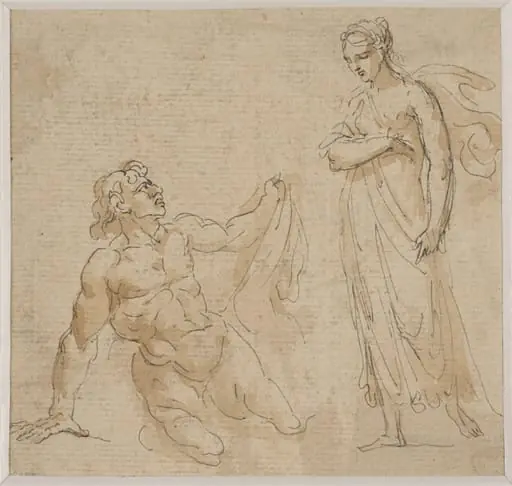 A woman approaching a kneeling man
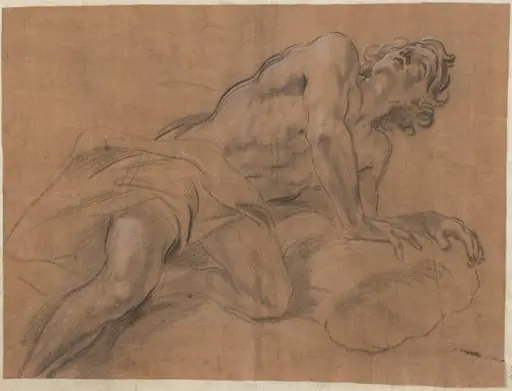 Nude Youth Leaning on a Cloud and Gazing Upward
![The Adoration of the Magi [recto], by Donato Creti](https://artifactworldgallery.com/img/donato-creti--the-adoration-of-the-magi-recto--2cfd5d76b55e821e-w320.webp) The Adoration of the Magi [recto]
The Adoration of the Magi [recto]![Two Studies of the Statue of Alexander and Bucephalus [verso], by Hubert Robert](https://artifactworldgallery.com/img/hubert-robert--two-studies-of-the-statue-of-alexander-and-bucephalus-verso--c8baec3f622cceea-w320.webp) Two Studies of the Statue of Alexander and Bucephalus [verso]
Two Studies of the Statue of Alexander and Bucephalus [verso]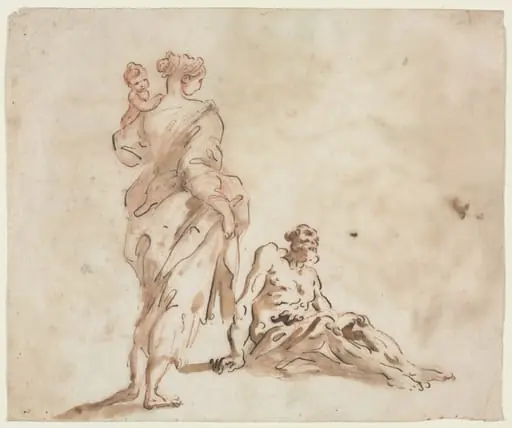 A Standing Woman Holding a Child, a Seated Male at her Feet
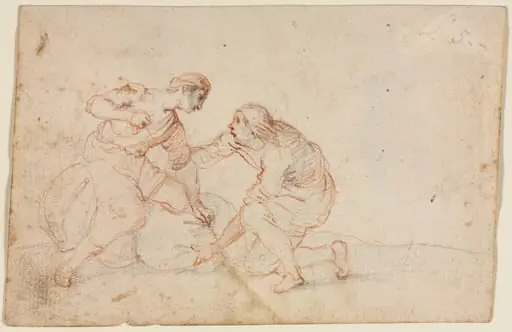 Two Men Tying a Bundle (recto)
 Studies of Angels (recto)
 Judith and Holofernes