Artwork
At the Moulin Rouge
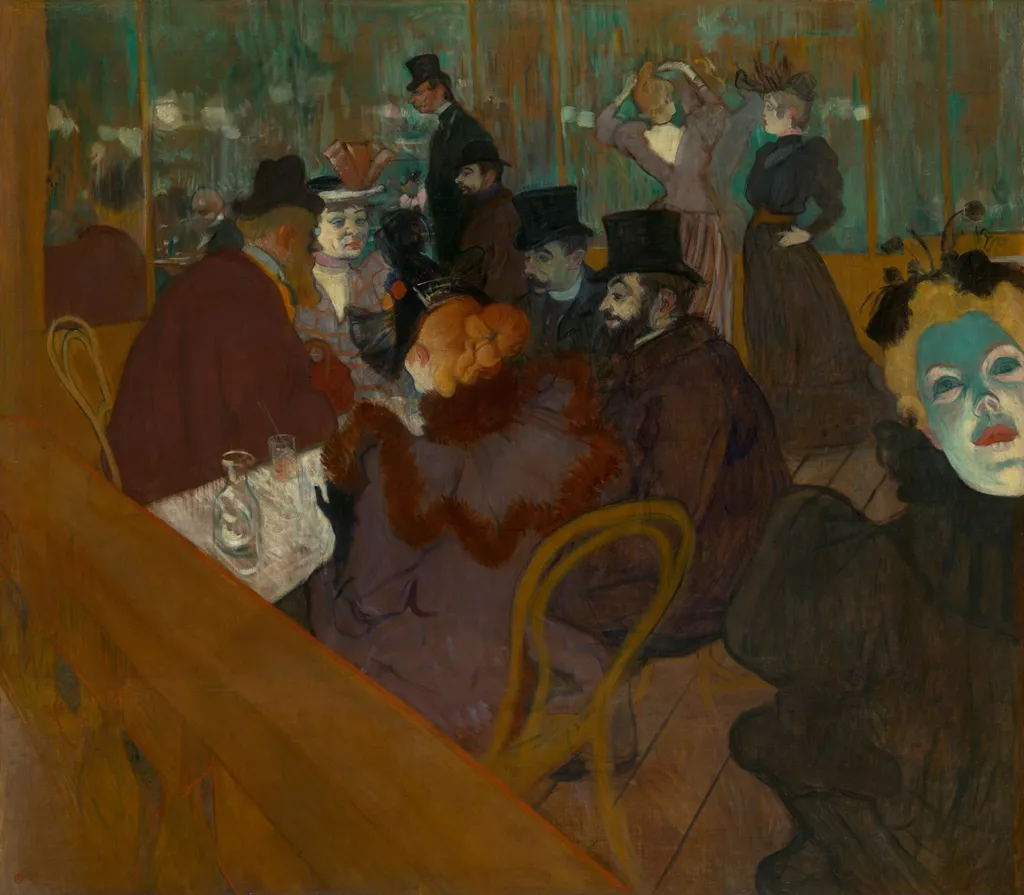
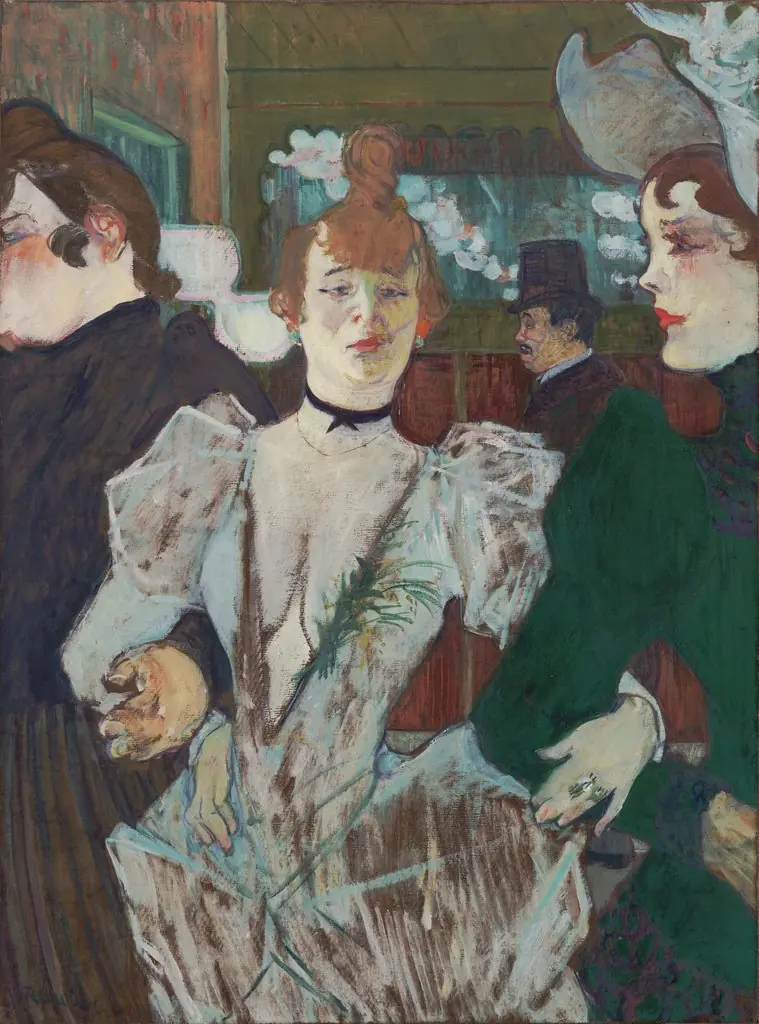
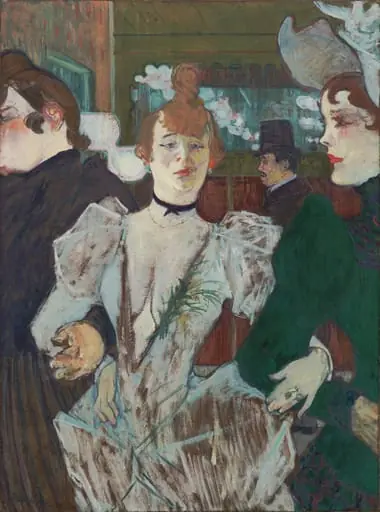
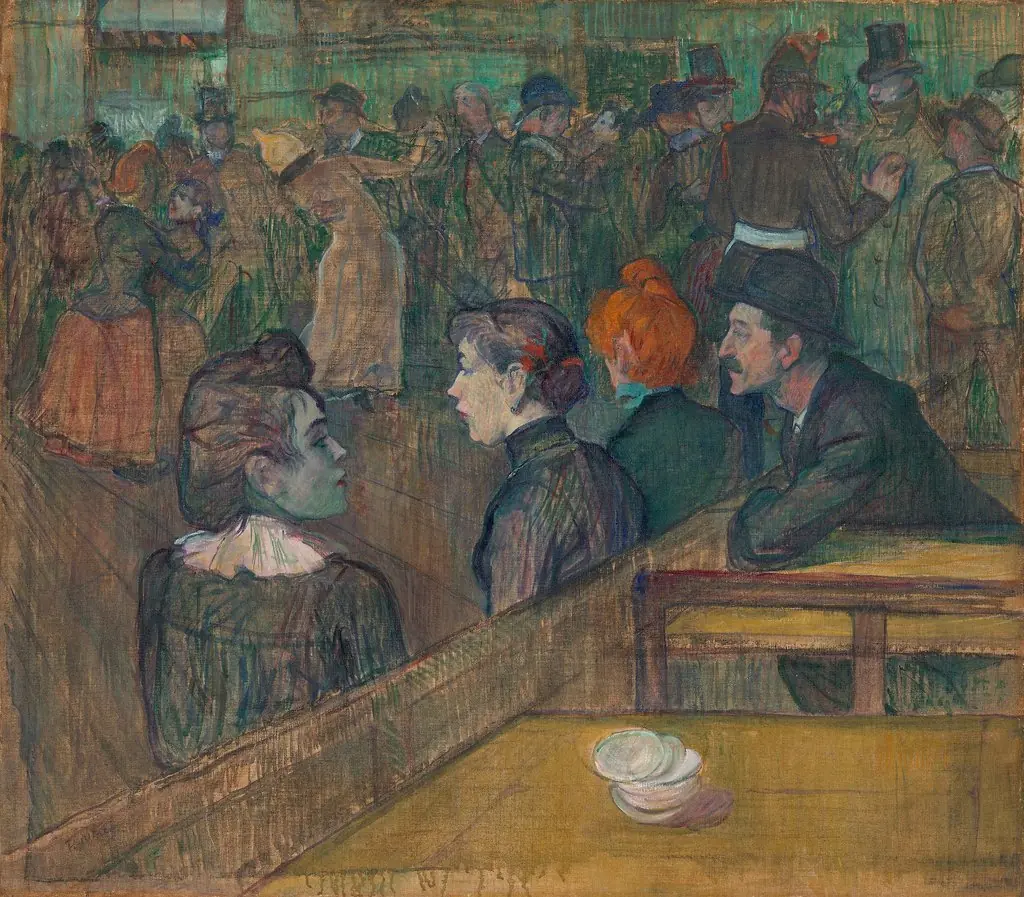
At the Moulin Rouge is an oil painting by the Impressionist artist Henri de Toulouse-Lautrec. It dates from 1894 and is held in the collection of the Art Institute of Chicago.
About this work
Overview
Henri de Toulouse-Lautrec’s oil painting At the Moulin Rouge captures a moment in one of Paris’s most notorious nightlife venues, opened in 1889.
Henri de Toulouse-Lautrec’s oil painting At the Moulin Rouge captures a moment in one of Paris’s most notorious nightlife venues, opened in 1889. A frequent visitor with a reserved table, the artist rendered the space not as a glamorous spectacle but as a candid study of its regulars. The scene unfolds under electric lighting, a novelty at the time, which Toulouse-Lautrec exploited to heighten contrasts and isolate figures in the dim, smoky atmosphere.
Subject & Meaning
The painting presents a constellation of performers and patrons from the Moulin Rouge’s underworld: dancers La Goulue and Jane Avril, photographer Paul Sescau, poet Édouard Dujardin, and vintner Maurice Guibert. May Milton’s face, sharply illuminated in unnatural green, stands out as a jarring focal point. Toulouse-Lautrec includes himself as a small, detached figure beside his tall cousin, suggesting both intimacy and alienation within the crowd he observed so closely.
Technique & Style
Toulouse-Lautrec employed bold outlines and flattened forms, influenced by Japanese woodblock prints and poster design. He used artificial lighting to sculpt faces and garments, creating stark tonal shifts that emphasize psychological presence over physical realism. The palette is restrained except for the jarring green of May Milton’s face, a deliberate choice to convey the disorienting effect of electric bulbs in the cabaret’s haze.
History & Provenance
The painting was completed in 1892–93 and remained in Toulouse-Lautrec’s possession until his death. It entered the Art Institute of Chicago’s collection in 1955. Earlier, the artist had painted Equestrienne for the Moulin Rouge’s lobby, commissioned by its owner. At the Moulin Rouge, however, was never intended as decoration—it was a personal record of the artist’s social world, kept private until later acquisition.
Context
Café-concerts like the Moulin Rouge blurred class boundaries, drawing together bohemians, performers, and middle-class patrons. They were sites of both entertainment and social transgression, where traditional norms were suspended after dark. Toulouse-Lautrec’s work reflects this fluidity, documenting figures often marginalized by polite society—dancers, drinkers, and outsiders—without romanticizing or condemning them.
Legacy
At the Moulin Rouge exemplifies Toulouse-Lautrec’s role as an observer of modern urban life. His unflinching depictions of nightlife influenced later generations of realist and expressionist painters. By focusing on the quiet, unglamorous moments within spectacle, he shifted the focus of modern art from idealized subjects to the authentic, often lonely, rhythms of everyday existence.
Own this work as a print
Artist & collection
Artist
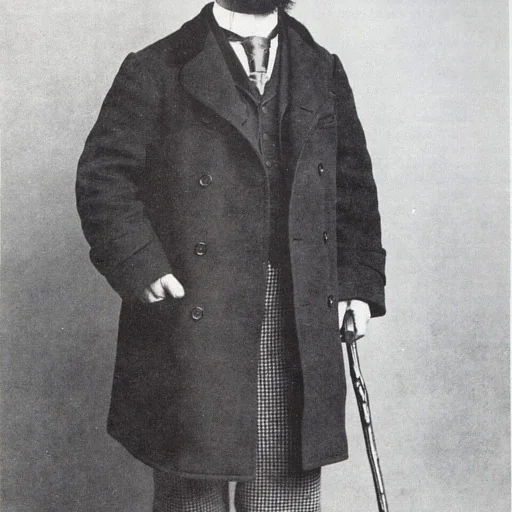
Comte Henri Marie Raymond de Toulouse-Lautrec-Montfa (24 November 1864 – 9 September 1901), known as Toulouse-Lautrec (French: ), was a French painter, printmaker, draughtsman, caricaturist, and illustrator.