Artwork
Untitled
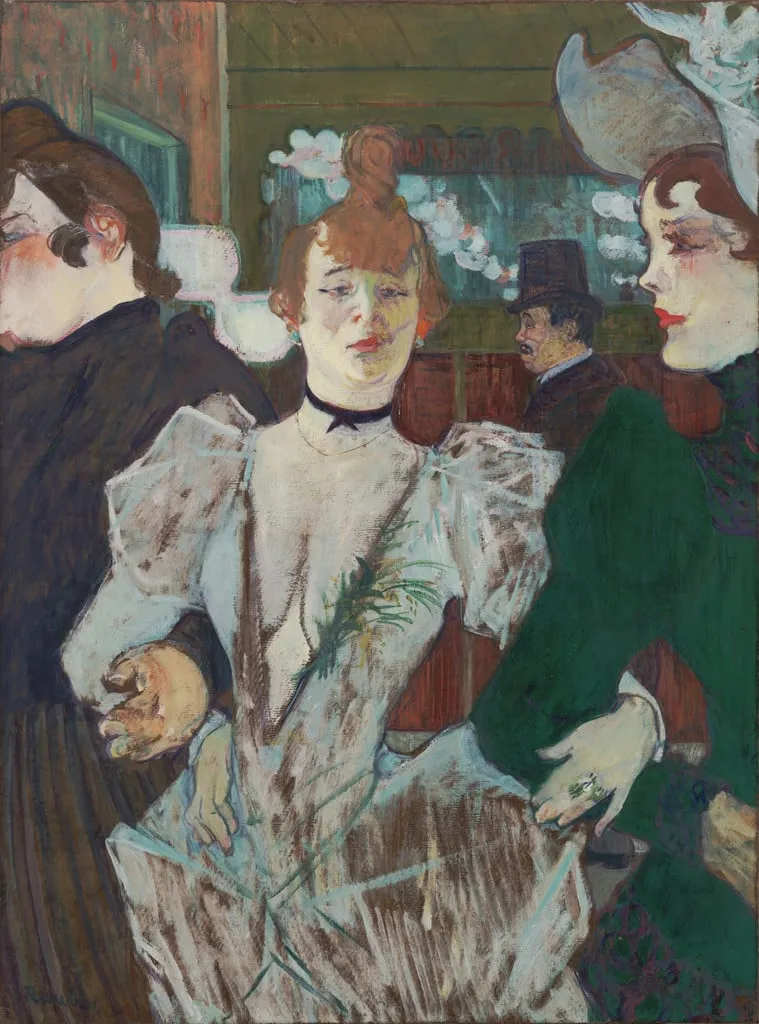
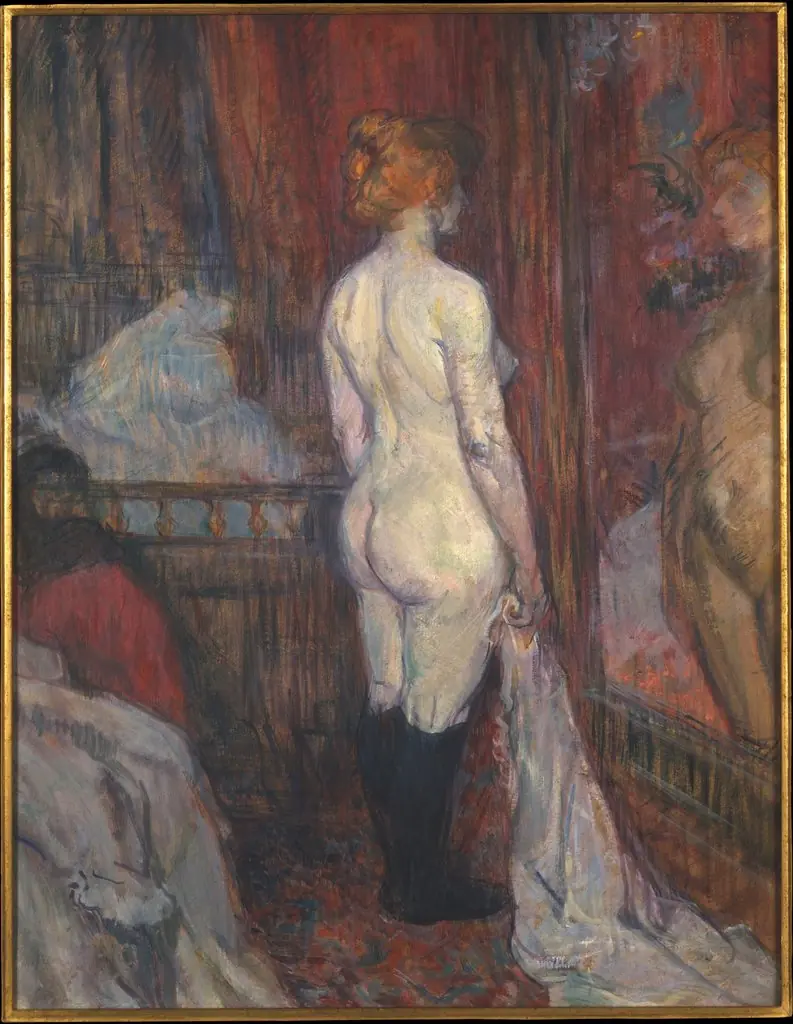
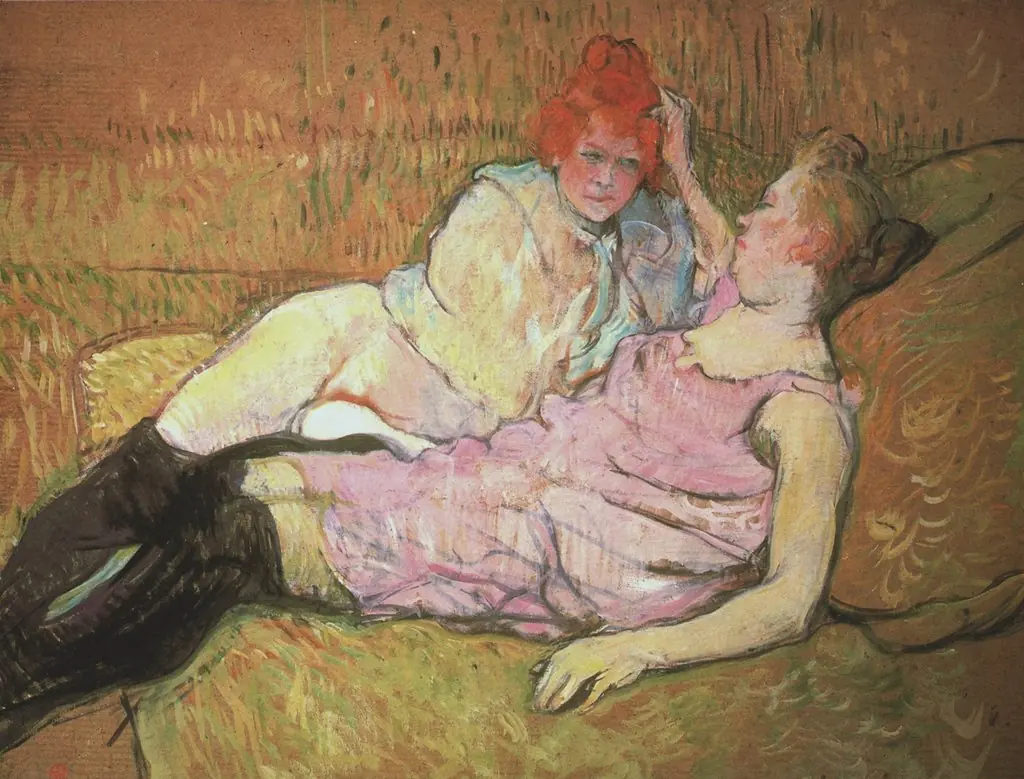
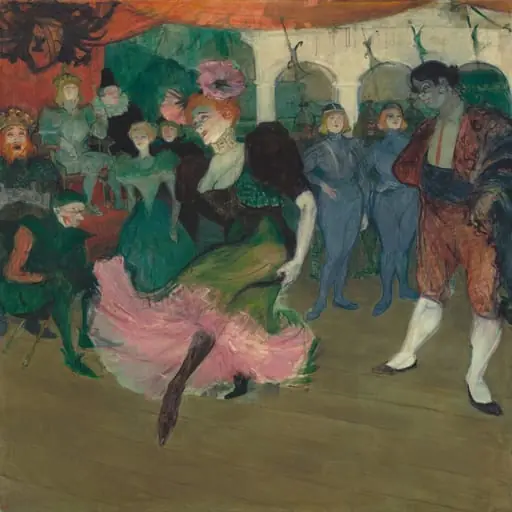
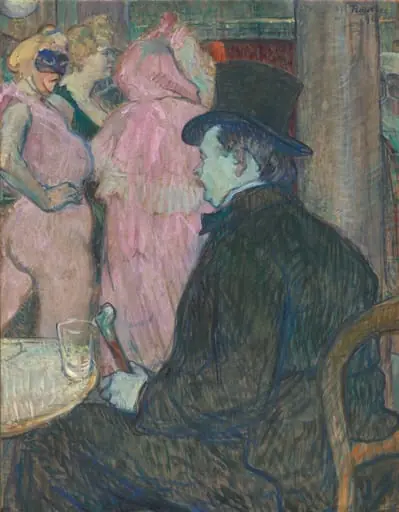
Untitled is an oil drawing by the Impressionist artist Henri de Toulouse-Lautrec. It dates from 1892 and is held in the collection of the Museum of Modern Art.
About this work
Overview
Though untitled, its composition and brushwork align with his broader focus on intimate, unidealized scenes from the city’s underbelly.
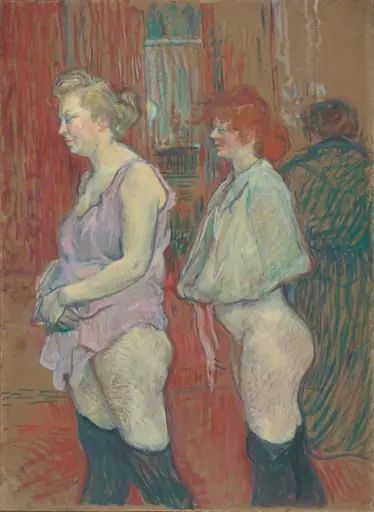
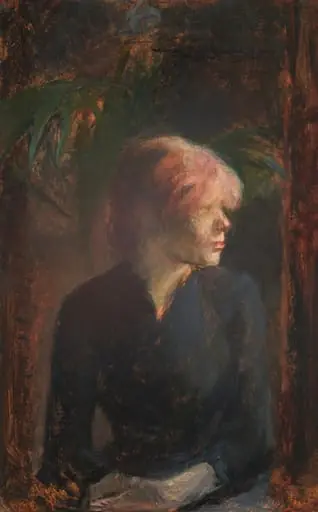
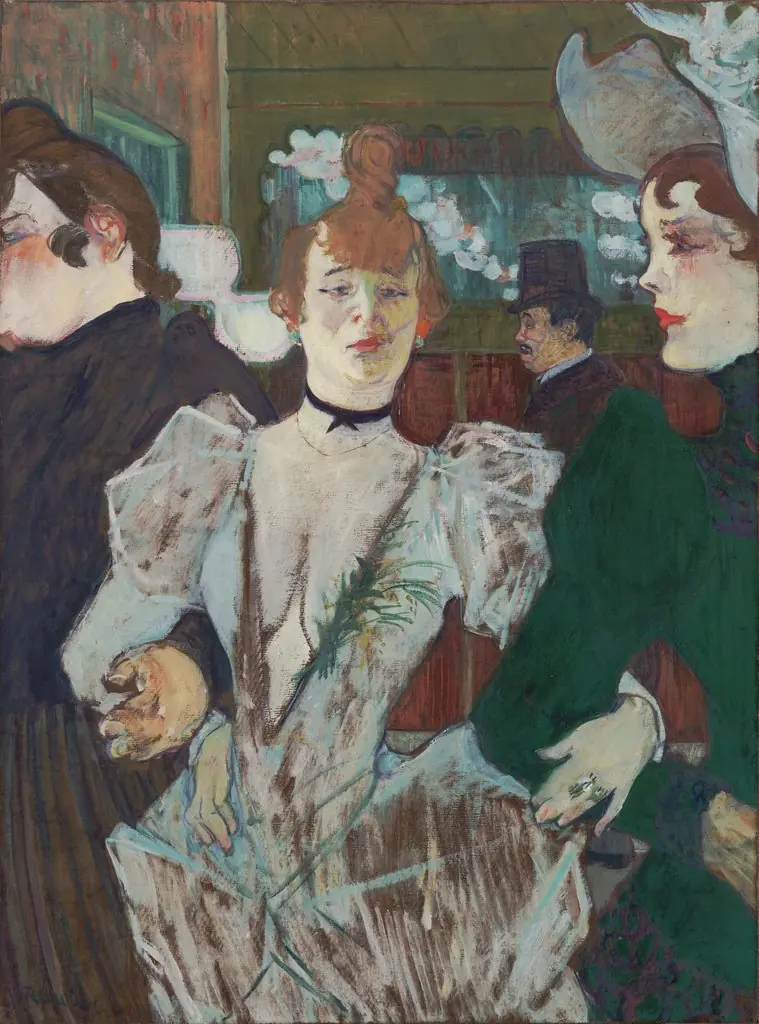
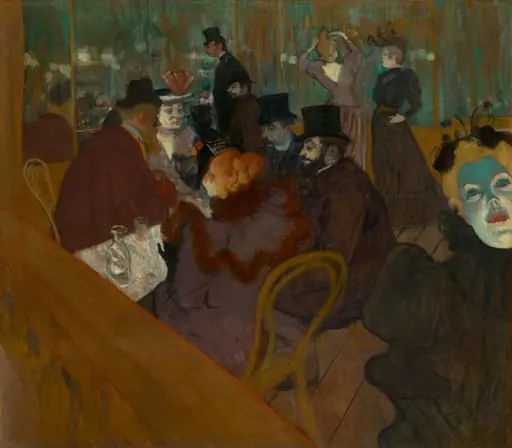
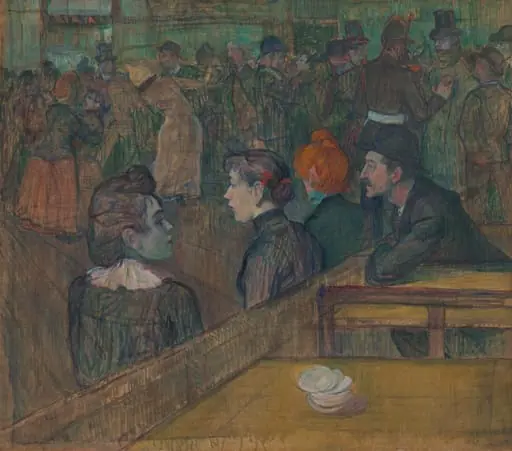
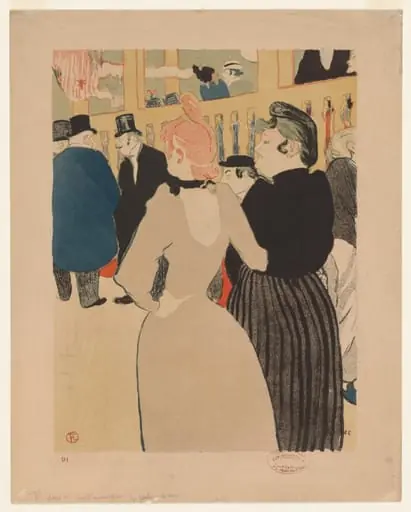
Painted in 1892, this oil on board work by Henri de Toulouse-Lautrec captures a quiet interior moment in Parisian nightlife. Though untitled, its composition and brushwork align with his broader focus on intimate, unidealized scenes from the city’s underbelly. The medium’s physicality—thickly applied pigment on a rigid support—reflects his preference for immediacy over polish, a hallmark of his approach to depicting transient social interactions.
Subject & Meaning
Three women occupy a dim interior, their postures and gazes suggesting unspoken tension or camaraderie. The central figure, in a light gray dress with a fan, appears poised yet detached; the woman to her left avoids eye contact, while the figure on the right meets the viewer’s gaze directly. This dynamic invites speculation about power, observation, and isolation within spaces where social roles were fluid and often performative.
Technique & Style
Toulouse-Lautrec employed impasto to build texture and rhythm, using heavy, visible brushstrokes to define form without fine detail. The background dissolves into blurred shapes and muted tones, isolating the figures in a shallow space. This technique prioritizes emotional resonance over realism, echoing the fleeting, fragmented nature of the moments he observed—often from the periphery of cabarets and brothels.
History & Provenance
Created during a period when Toulouse-Lautrec was deeply embedded in Montmartre’s entertainment scene, the work emerged from his habit of sketching and painting directly from life. Its survival as an oil on board—rather than a more conventional canvas—suggests a spontaneous, experimental approach. The piece’s early ownership remains undocumented, but its style places it firmly within his mature period of the early 1890s.
Context
In 1890s Paris, the boundaries between public spectacle and private life were porous, especially in venues frequented by artists and the working class. Toulouse-Lautrec, himself an outsider due to his physical condition and aristocratic lineage, found in these spaces a subject matter free from academic idealism. His focus on women in domestic or semi-private settings challenged conventional portrayals of femininity in art.
Legacy
This work exemplifies Toulouse-Lautrec’s contribution to modern visual language: his rejection of polished finish in favor of raw, observational energy influenced later generations of realist and expressionist painters. By elevating ordinary, overlooked moments into subject matter, he expanded the scope of what painting could document—prioritizing authenticity over narrative grandeur.
Artist & collection
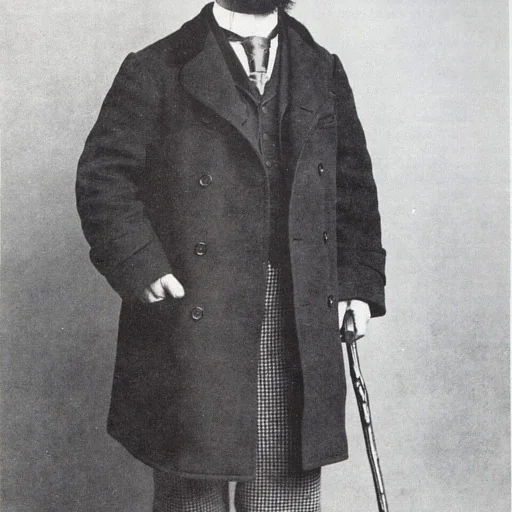
Artist
Comte Henri Marie Raymond de Toulouse-Lautrec-Montfa (24 November 1864 – 9 September 1901), known as Toulouse-Lautrec (French: ), was a French painter, printmaker, draughtsman, caricaturist, and illustrator.