Artwork
Project for Frontispiece to: Au pied du Sinaï
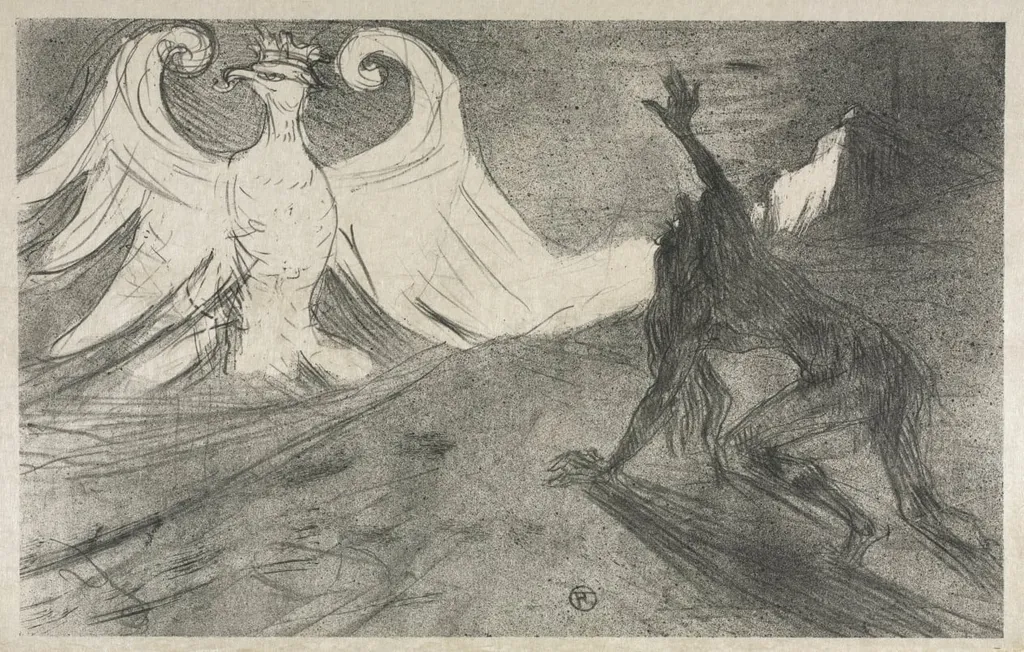
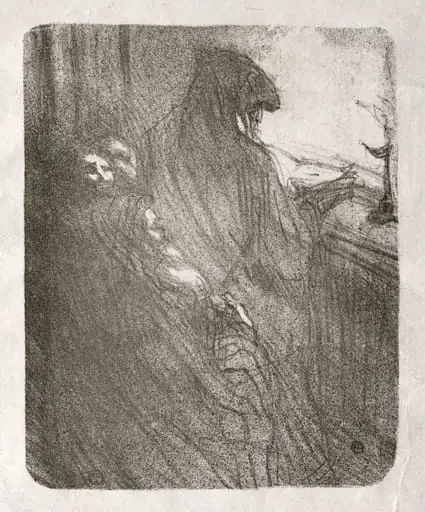
Project for Frontispiece to: Au pied du Sinaï is a print by the Impressionist artist Henri de Toulouse-Lautrec. It dates from 1898 and is held in the collection of the Cleveland Museum of Art.
About this work
Overview
Project for Frontispiece to: Au pied du Sinaï (1898) is a print by Henri de Toulouse-Lautrec, reflecting his fascination with Paris's late 19th-century theatrical culture. Characterized by dynamic contrasts and symbolic figures, the work showcases Toulouse-Lautrec's unique artistic voice.
Subject & Meaning
The print depicts a juxtaposition of a crowned, bird-like creature and a dark, gesturing figure, set against a textured, chiaroscuro background. This dichotomy may symbolize the artist's own observations on societal contrasts, given his outsider perspective within the aristocracy.
Technique & Style
Toulouse-Lautrec employs strong contrasts of light and dark, alongside expressive lines and textures, to convey movement and tension. The composition reflects his experience in both painting and printmaking, blending vivid imagery with the nuances of the print medium.
History & Provenance
Created in 1898 as part of a planned book frontispiece for *Au pied du Sinaï*, the work is now part of The Cleveland Museum of Art's collection, highlighting the institution's holdings of the artist's printmaking endeavors.
Context
This project aligns with Toulouse-Lautrec's recurring theme of depicting marginalized figures, often found in his works on brothel life and Parisian nightlife, further emphasizing his empathetic gaze on the city's underbelly.
Artist & collection
Artist
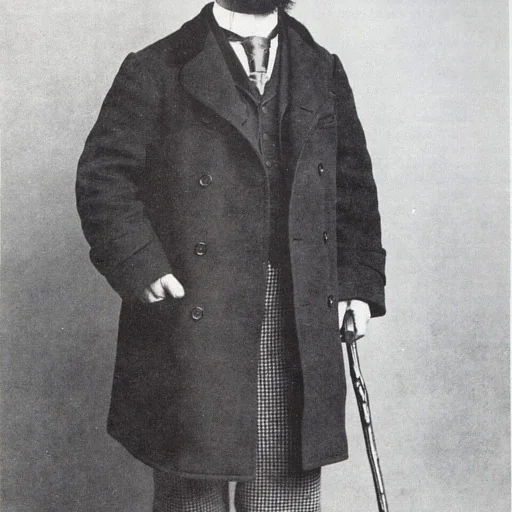
Comte Henri Marie Raymond de Toulouse-Lautrec-Montfa (24 November 1864 – 9 September 1901), known as Toulouse-Lautrec (French: ), was a French painter, printmaker, draughtsman, caricaturist, and illustrator.

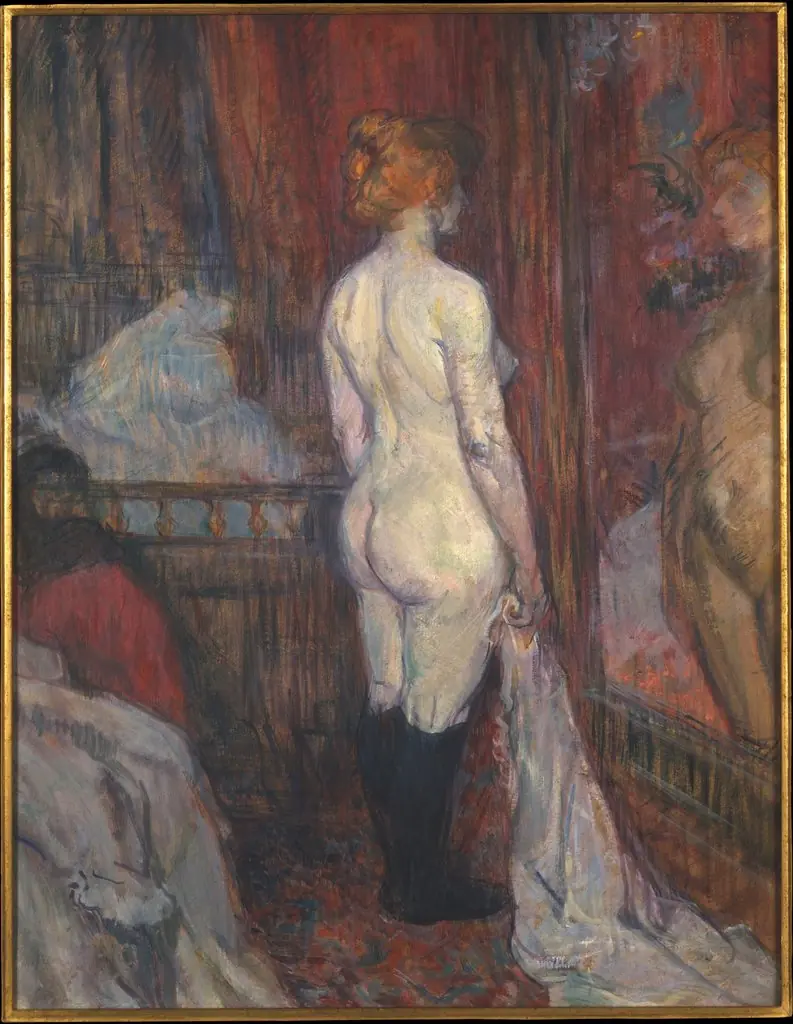
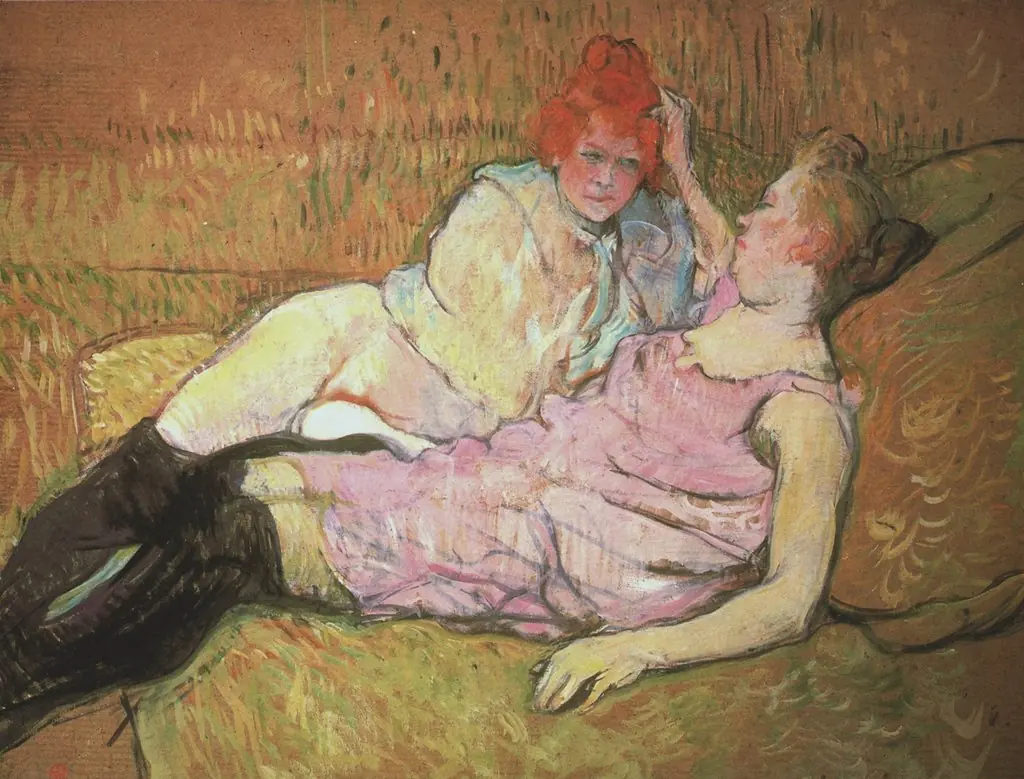
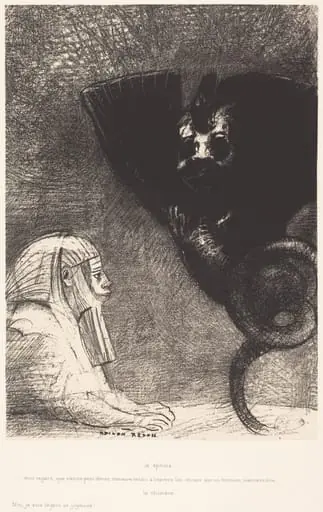 Le Sphynx...mon regard que rien ne peut devier, demeure tendu a travers les choses sur un horizon inaccessible. La Chimere: Moi,Je suis legere et joyeuse (The Sphinx: "My gaze, which nothing can deflect, passes through the things and remains fixed on an inaccessible horizon." The Chimera: "I am weightless and joyful")
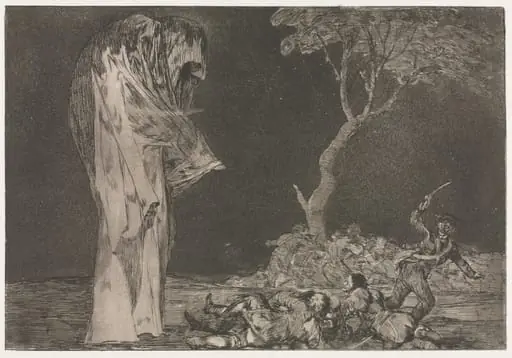 The Proverbs: Folly of Fear
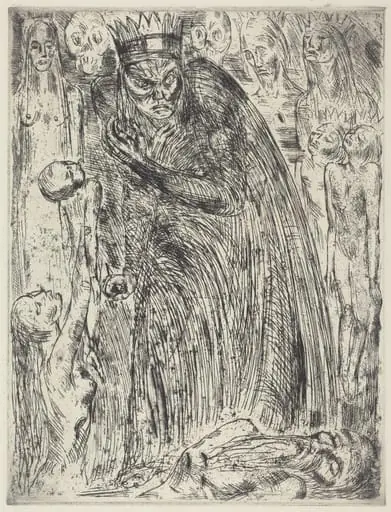 Macbeth V (The Vision of Lady Macbeth)
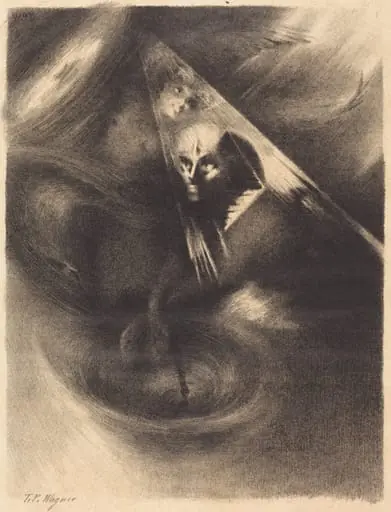 Dream (Rêve)
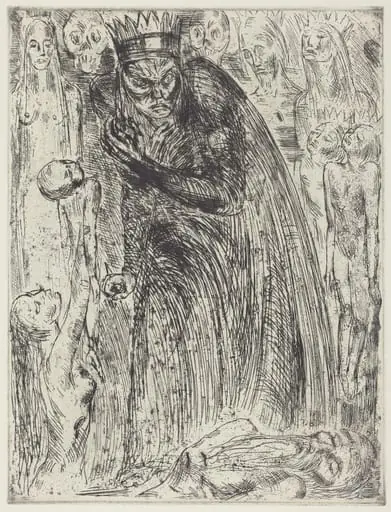 Macbeth V (The Vision of Lady Macbeth)
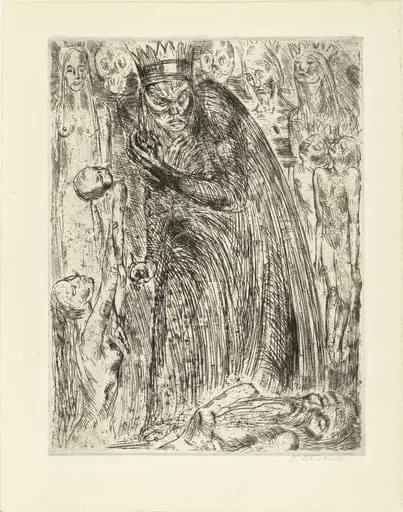 Untitled
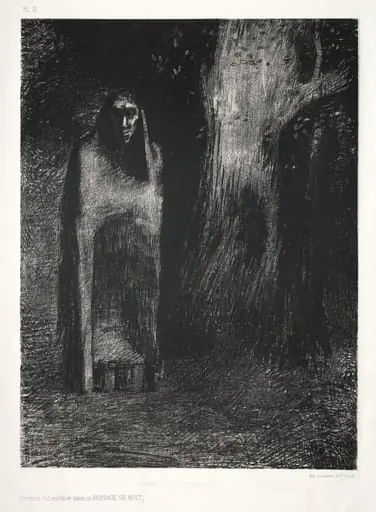 The Man Was Alone in a Night Landscape
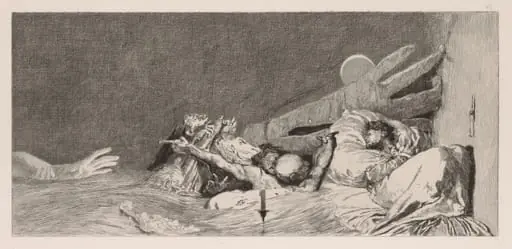 A Glove: Anxieties
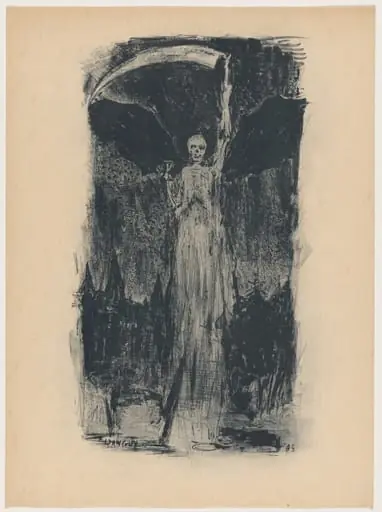 Le château de la mort (The House of the Dead)
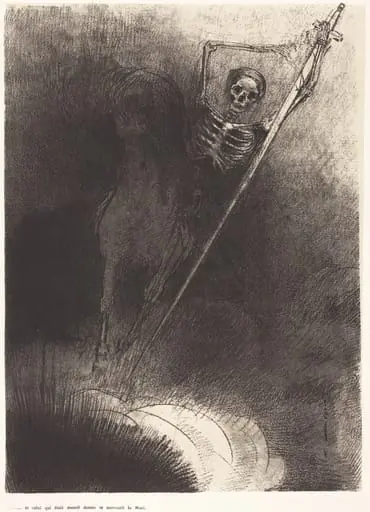 Et celui qui était monté dessus se nommait la Mort (And his name that sat on him was Death)
 Untitled
 Au pied du Sinaï: La Prière des Juifs Polonais