Artwork
The Laundress
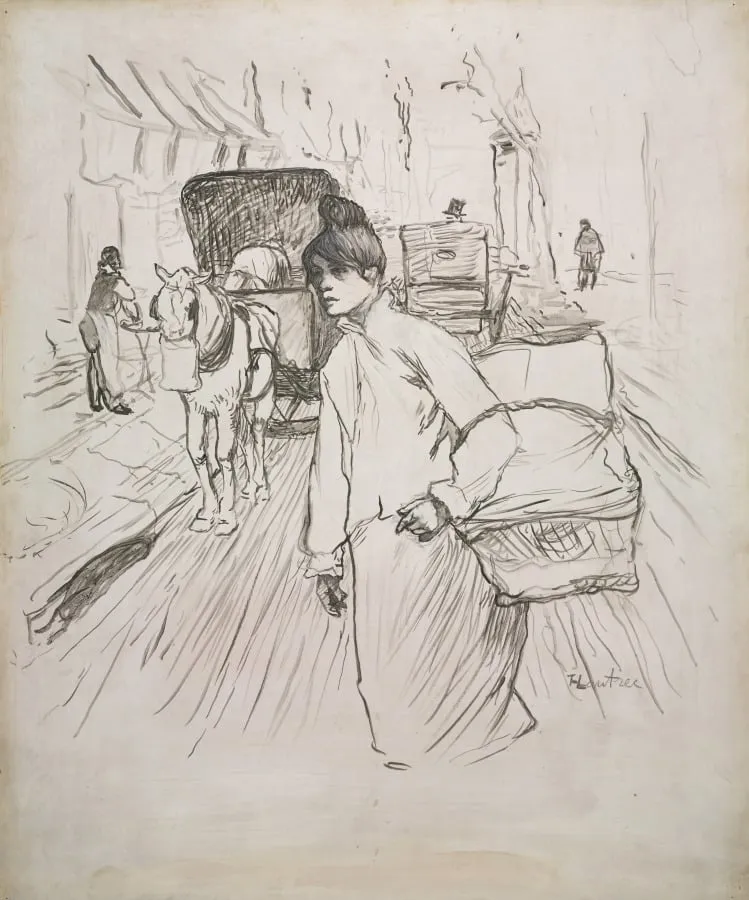
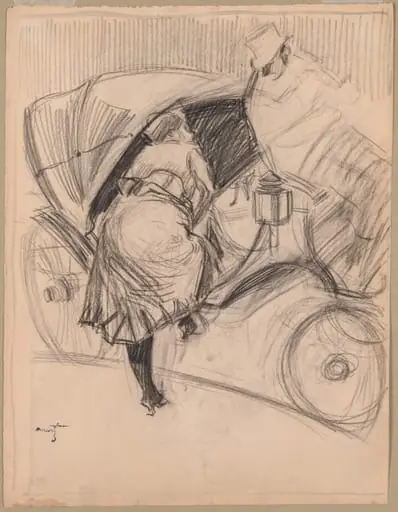
The Laundress is a drawing by the Impressionist artist Henri de Toulouse-Lautrec. It dates from 1888 and is held in the collection of the Cleveland Museum of Art.
About this work
Overview
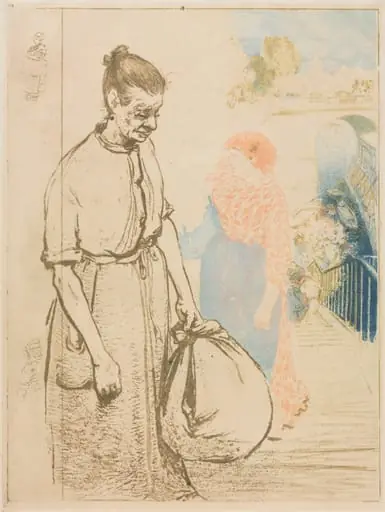
The Laundress is a drawing by Henri de Toulouse-Lautrec created for an article on Parisian summers, depicting a working-class individual who remained in the city during the hot season.
Subject & Meaning
The drawing portrays a woman, identified by her striped apron, engaged in laundry, highlighting the plight of poorly paid workers obligated to stay in the city while others escaped the heat.
Technique & Style
Toulouse-Lautrec employed thinned and brushed ink, incorporating a scraping technique to reveal white highlights, a method suited for black-and-white reproduction. The quick, scratchy lines suggest a rapid execution.
History & Provenance
Previously owned by Roger Marx, a notable French collector, curator, and critic, the drawing is part of a significant collection of Toulouse-Lautrec's works amassed by Marx around the turn of the 20th century.
Context
Commissioned for a magazine article, the piece reflects Toulouse-Lautrec's interest in depicting everyday life, particularly the lives of working-class Parisians during the summer months.
Legacy
While the specific legacy of 'The Laundress' is not broadly outlined in the provided facts, it contributes to Toulouse-Lautrec's broader legacy of capturing the lives of common people, with techniques like impasto (though here applied with ink) influencing the depiction of texture and light.
Artist & collection
Artist
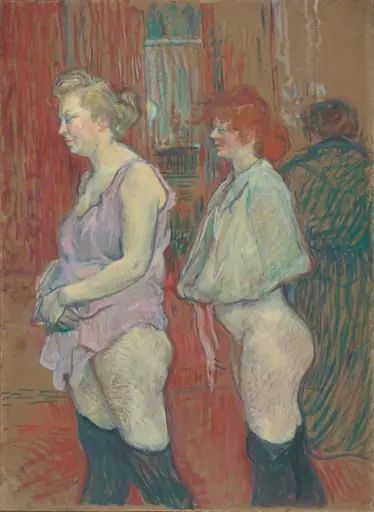
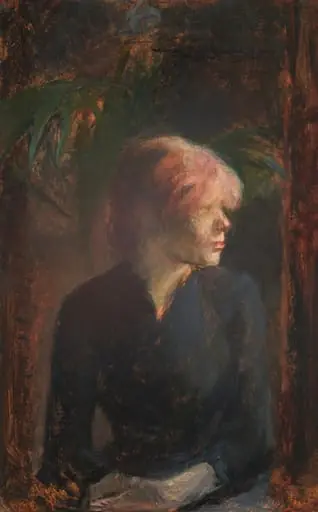
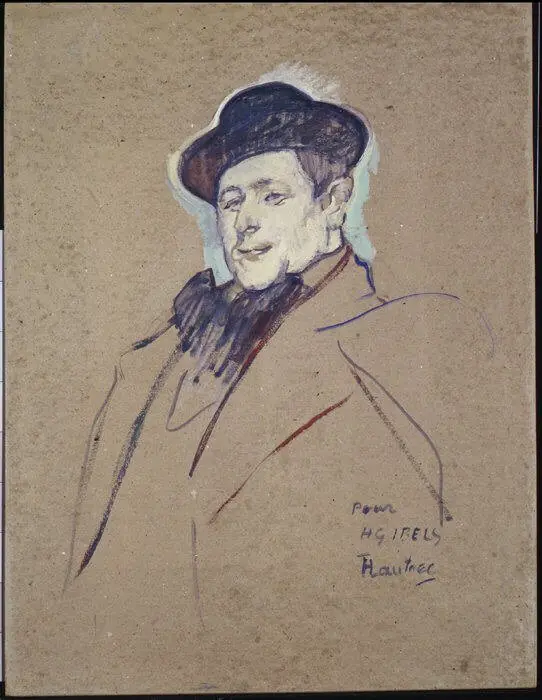
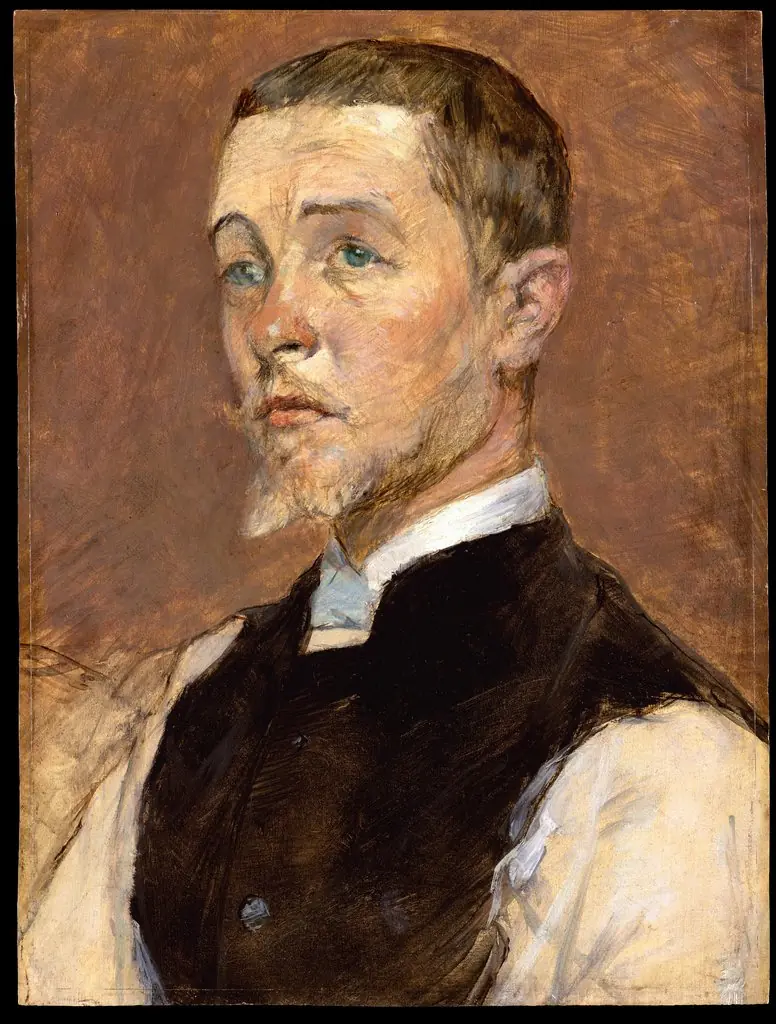
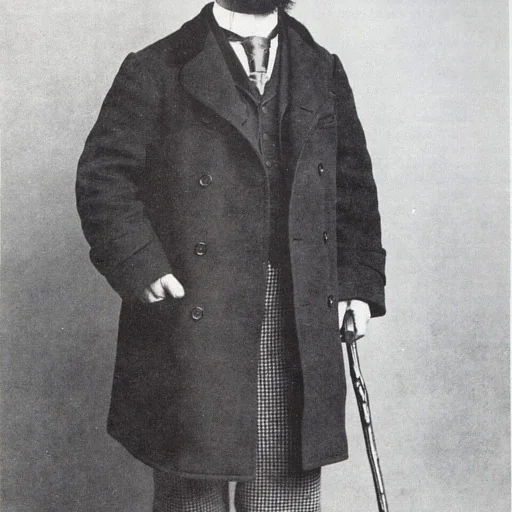
Comte Henri Marie Raymond de Toulouse-Lautrec-Montfa (24 November 1864 – 9 September 1901), known as Toulouse-Lautrec (French: ), was a French painter, printmaker, draughtsman, caricaturist, and illustrator.