Artwork
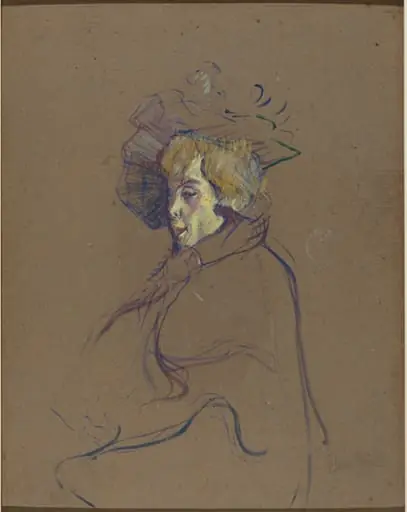
Jane Avril
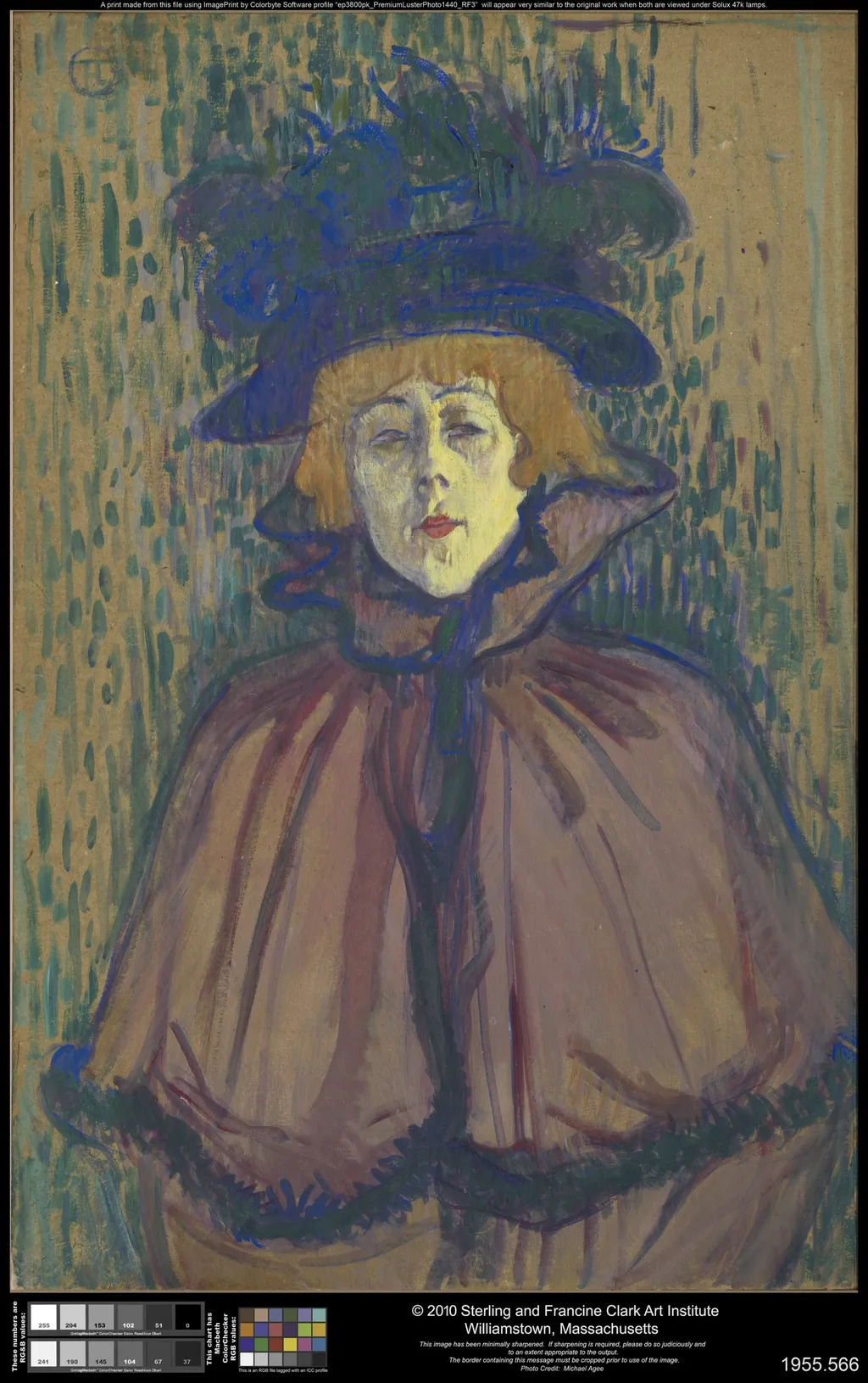
Jane Avril is an unspecified painting by the Post-Impressionist artist Henri de Toulouse-Lautrec. It dates from 1896 and is held in the collection of the Clark Art Institute.
About this work
Overview
Painted in 1896, this portrait by Henri de Toulouse-Lautrec captures Jane Avril, a prominent can-can dancer of Parisian nightlife.
Painted in 1896, this portrait by Henri de Toulouse-Lautrec captures Jane Avril, a prominent can-can dancer of Parisian nightlife. Executed in oil on cardboard, the work reflects Lautrec’s interest in performers who inhabited the margins of society. His distinctive style blends observation with expressive line, moving beyond mere representation to convey mood and movement. The painting resides in the Clark Art Institute’s collection.
Subject & Meaning
Jane Avril was a celebrated dancer at the Moulin Rouge, known for her elegant, almost ethereal style amid the raucous cabaret scene. Lautrec portrays her not as a spectacle but as a solitary, introspective figure, standing apart from the crowd. Her poised stance and distant gaze suggest a quiet dignity, contrasting with the rowdy environments she performed in. The image reveals Lautrec’s empathy for performers often dismissed by mainstream society.
Technique & Style
Lautrec employed bold outlines, flattened perspective, and muted tones to create a sense of immediacy and psychological depth. The background is reduced to abstract washes of color, drawing focus to Avril’s form. His brushwork is deliberate yet loose, echoing the graphic sensibility of Japanese woodblock prints and poster design. The composition emphasizes verticality, mirroring the dancer’s elongated silhouette and the narrow stage spaces she occupied.
History & Provenance
Created during Lautrec’s most productive period, the portrait emerged from his close association with Parisian entertainers in the 1890s. He made multiple studies of Avril, including posters and lithographs, but this oil painting stands as one of his few full-scale portraits of her. Acquired by the Sterling and Francine Clark Art Institute in the mid-20th century, it remains a key example of his mature work.
Context
In late 19th-century Paris, cabarets like the Moulin Rouge offered new social spaces where class boundaries blurred. Performers such as Avril became cultural symbols, yet were rarely granted social respect. Lautrec, himself an outsider due to his physical condition, found kinship in these figures. His depictions reframed them not as objects of spectacle, but as individuals with inner lives, reflecting broader shifts in urban identity and artistic subject matter.
Legacy
Lautrec’s portrayal of Jane Avril helped redefine portraiture by centering everyday performers with psychological nuance. His fusion of fine art techniques with commercial graphic design influenced modern illustration and expressionist painting. The work endures as a quiet testament to the dignity of marginalized figures in a rapidly changing society, shaping how later artists approached urban life and identity.
Artist & collection
Artist
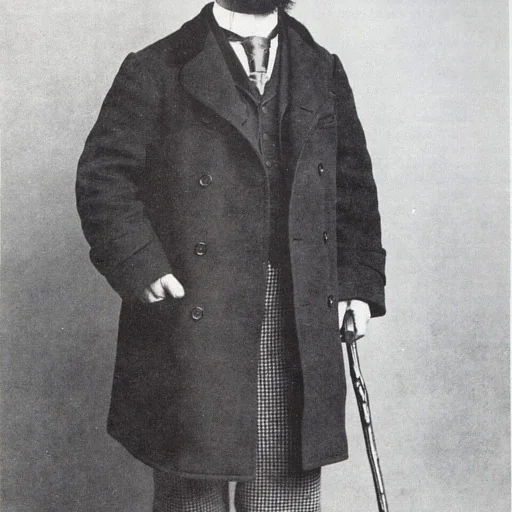
Comte Henri Marie Raymond de Toulouse-Lautrec-Montfa (24 November 1864 – 9 September 1901), known as Toulouse-Lautrec (French: ), was a French painter, printmaker, draughtsman, caricaturist, and illustrator.


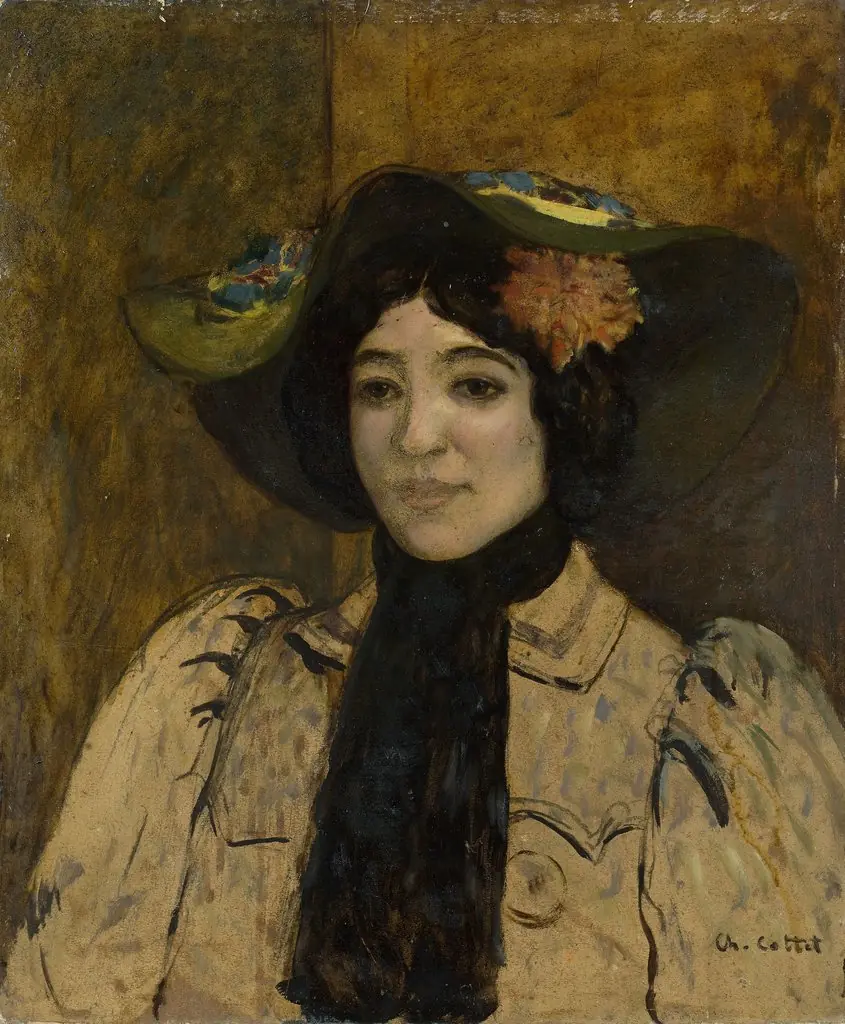 Portrait of a Woman
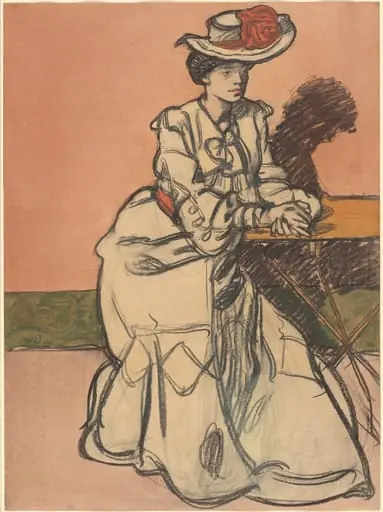 An Elegant Parisiènne Seated in a Café
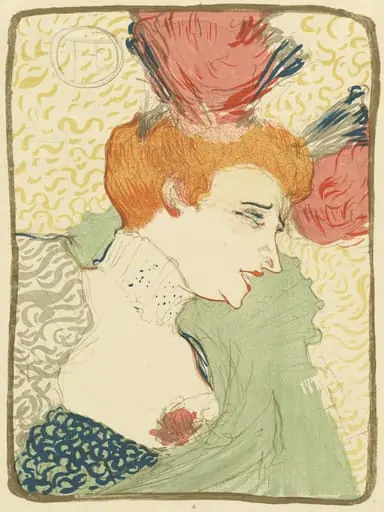 Bust of Mademoiselle Marcelle Lender (Mademoiselle Marcelle Lender, en buste)
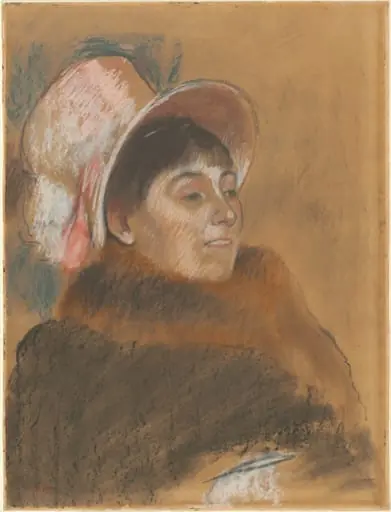 Madame Dietz-Monnin
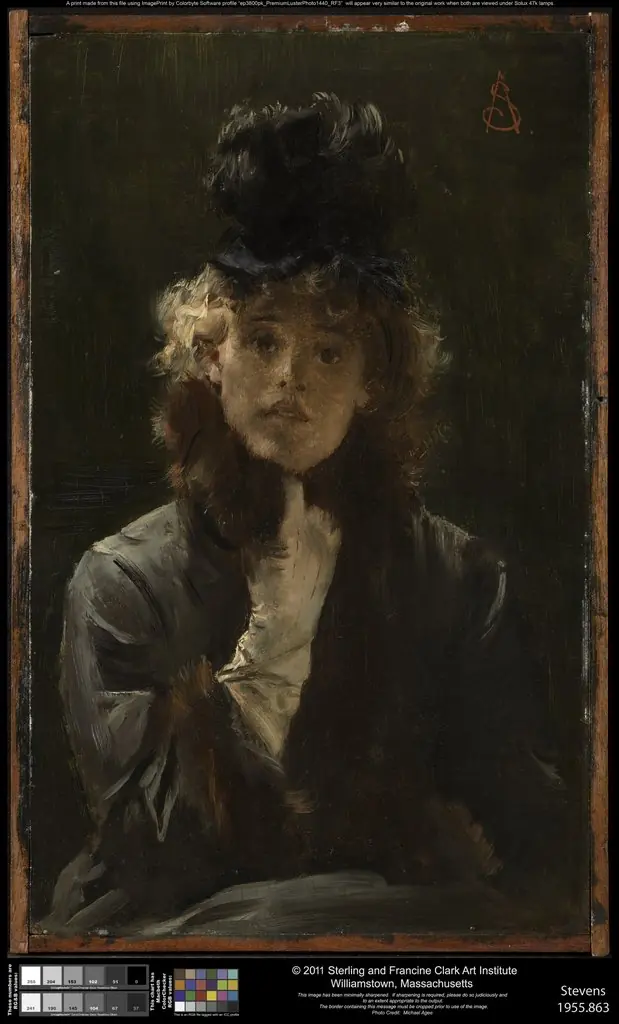 The Parisian Sphinx
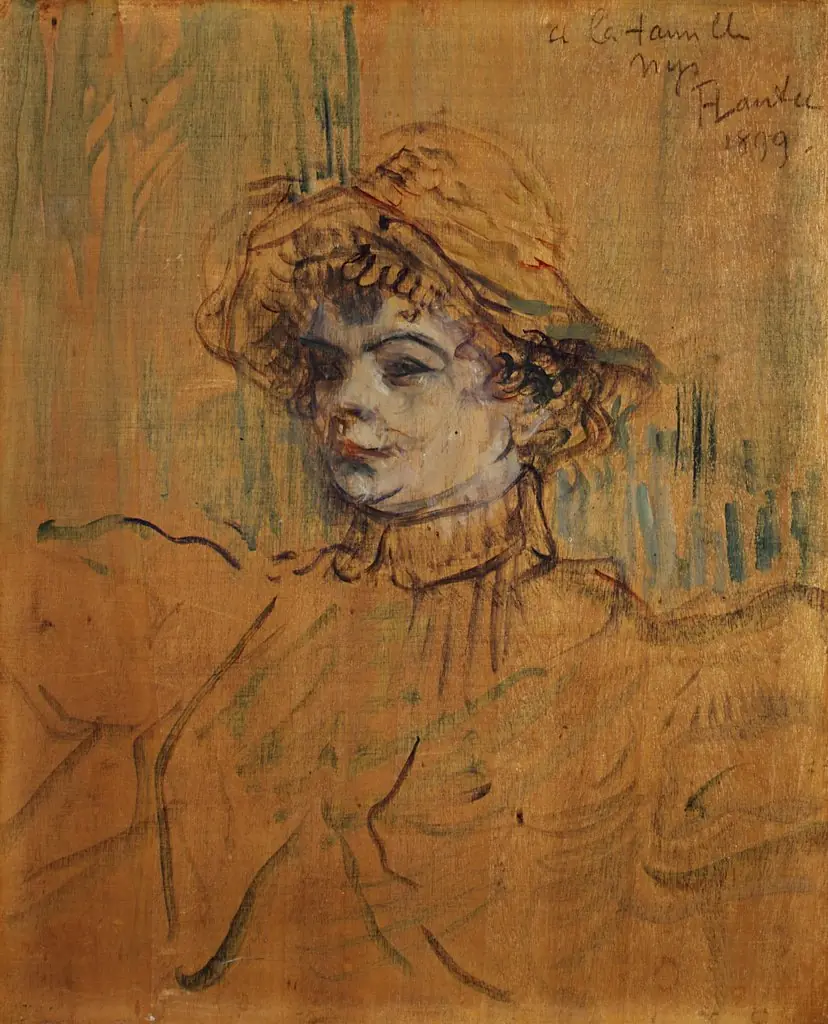 Mademoiselle Nys
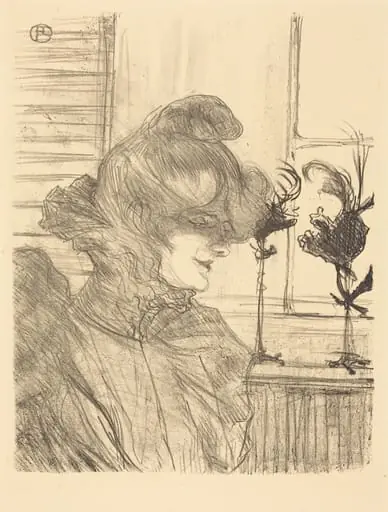 Mme. Le Marguoin, Milliner (Mme. Le Marguoin, modiste)
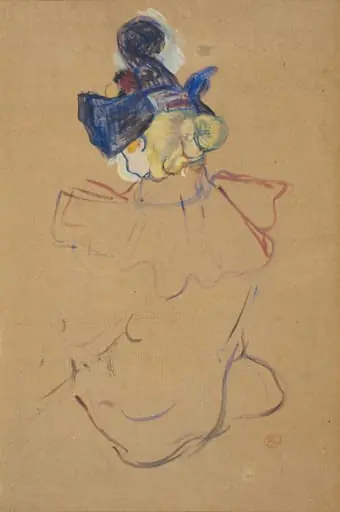 Seated Woman from Behind - Study for "Au Moulin Rouge"
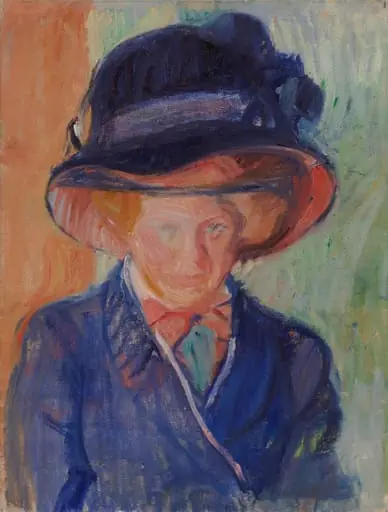 Nainen sinisessä (Helga Nordström)
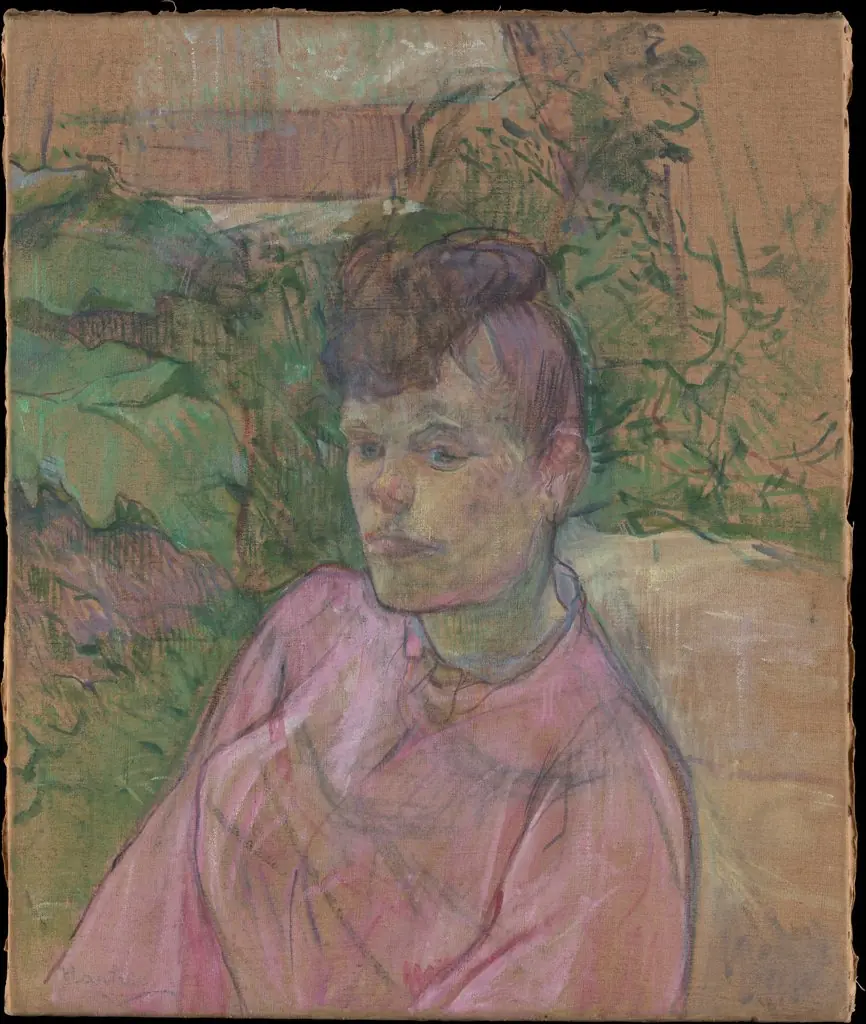 Woman in the Garden of Monsieur Forest
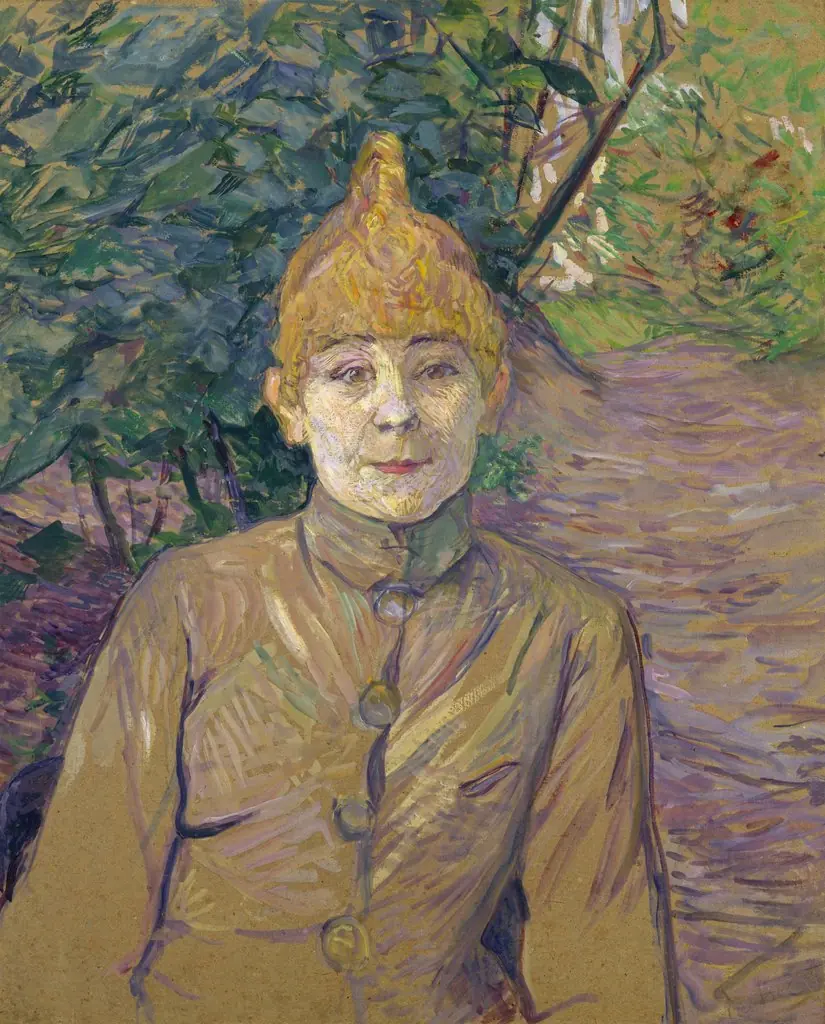 The Streetwalker
 Jane Avril