Artwork
Messalina
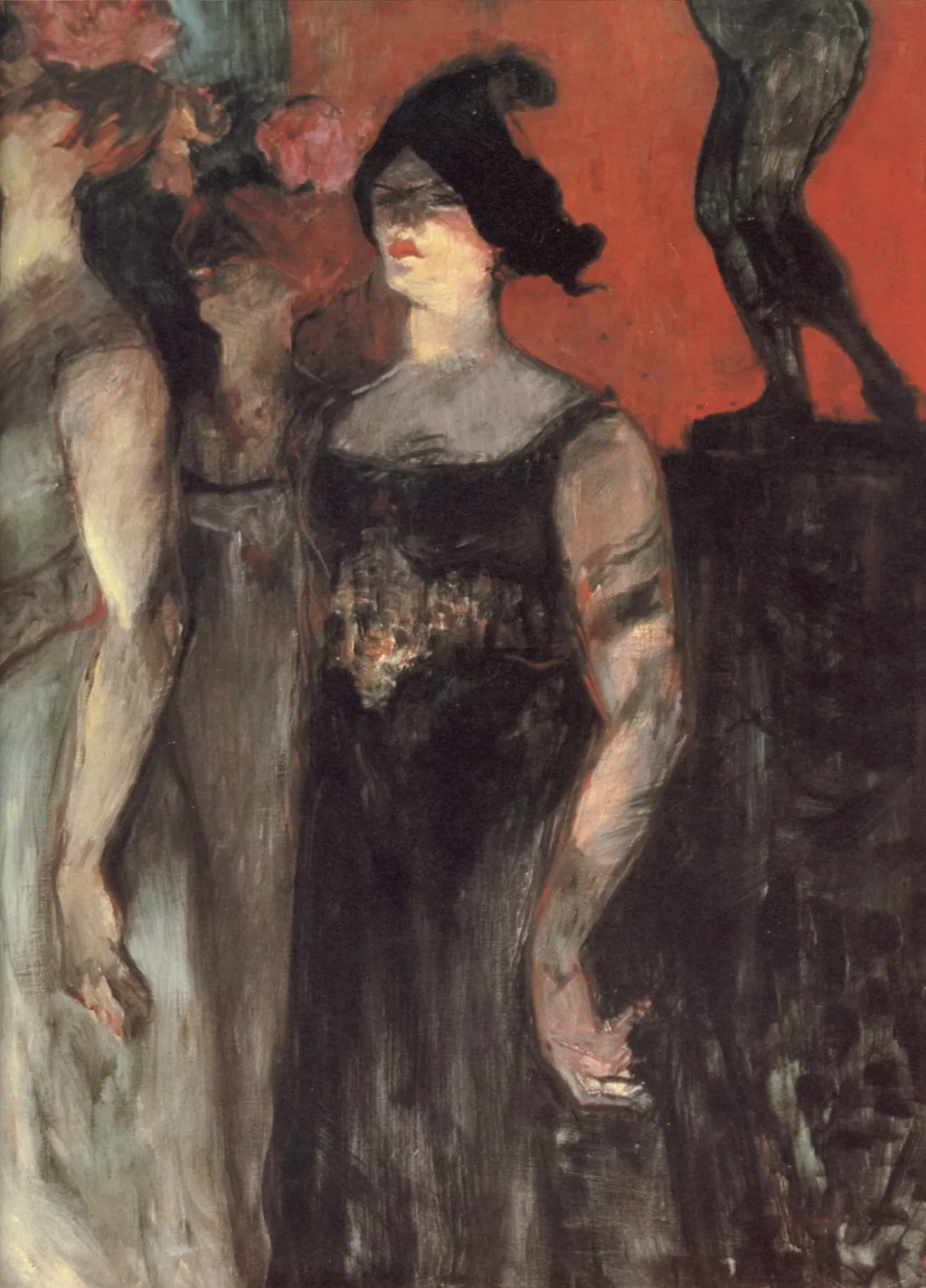
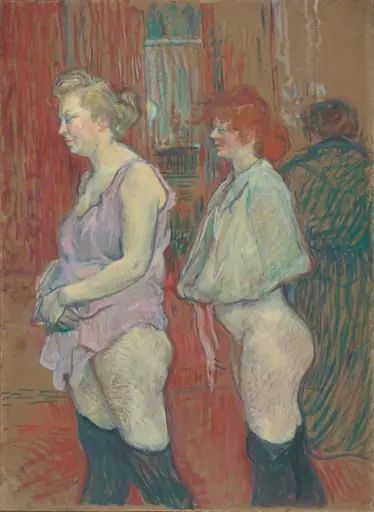
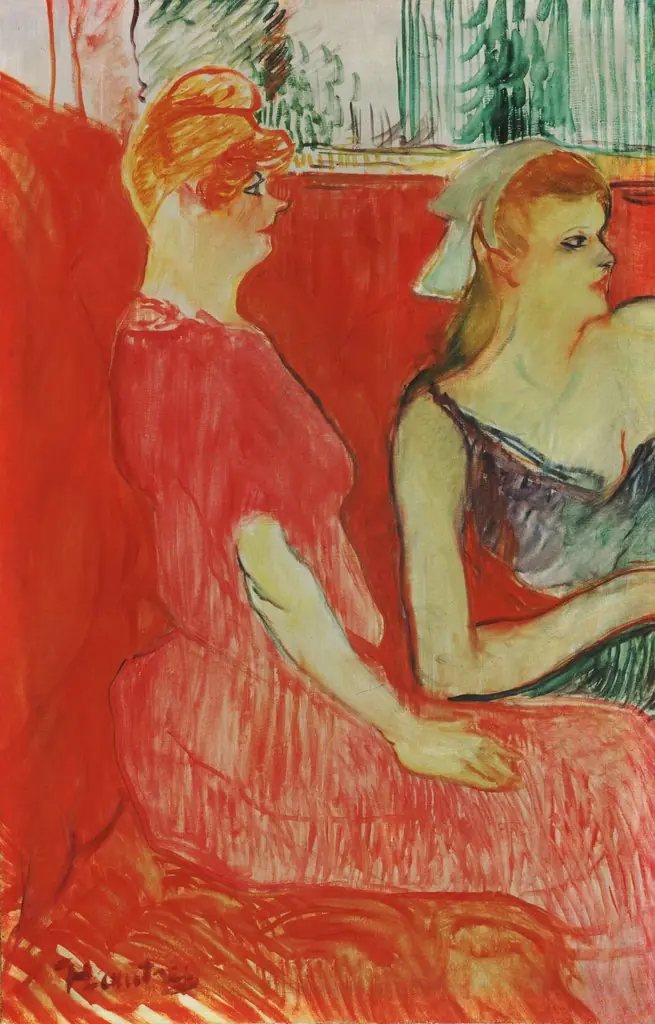
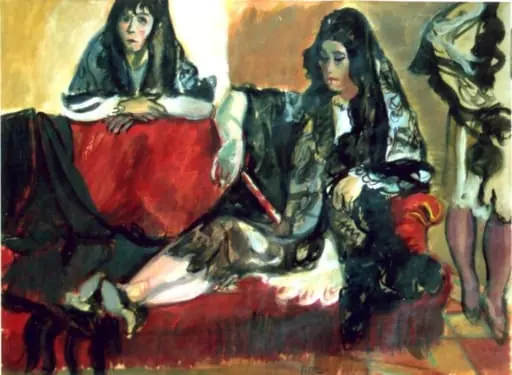
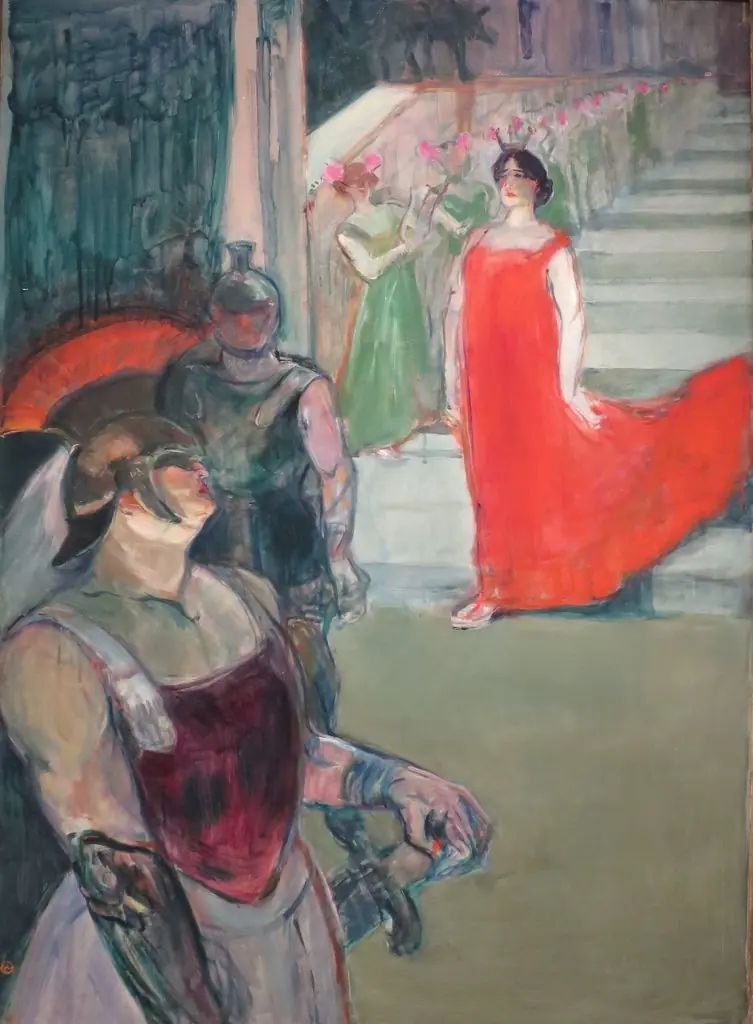
Messalina is an oil painting by Henri de Toulouse-Lautrec. It dates from 1900 and is held in the collection of the Foundation E.G. Bührle Collection.
About this work
Overview
His aristocratic background contrasted with his intimate access to the city’s underbelly, informing his unflinching yet empathetic gaze.
Henri de Toulouse-Lautrec painted *Messalina* in 1900 using oil on canvas. It is held in the collection of Kunsthaus Zürich. The work belongs to a series of portraits Toulouse-Lautrec produced during his engagement with Parisian performers and sex workers, capturing individuals often overlooked by mainstream society. His aristocratic background contrasted with his intimate access to the city’s underbelly, informing his unflinching yet empathetic gaze.
Subject & Meaning
The subject is a woman dressed in black, her posture composed and self-possessed. The title references the Roman empress Messalina, evoking associations with power, sexuality, and scandal. Toulouse-Lautrec does not caricature her; instead, he presents her with dignity, suggesting a quiet authority. The red lips and ornate chest panel draw attention to her presence, framing her as both performer and person.
Technique & Style
Toulouse-Lautrec employs bold outlines and flat planes of color, influenced by Japanese prints and poster design. The warm red background contrasts with the subject’s dark attire, creating visual tension without depth. His brushwork is deliberate yet economical, emphasizing form over texture. The lighting is even, avoiding dramatic chiaroscuro, which aligns with his preference for candid, unidealized representation.
History & Provenance
Painted during the final years of Toulouse-Lautrec’s life, *Messalina* was likely created in his studio in Montmartre. It entered the Kunsthaus Zürich collection in the mid-20th century, following earlier ownership by European collectors who recognized his significance beyond poster art. The painting’s journey reflects growing appreciation for his portrayals of marginalized figures as legitimate subjects of fine art.
Context
In early 20th-century Paris, cabarets and brothels were spaces where social boundaries blurred. Toulouse-Lautrec, excluded from elite circles due to his physical condition, found kinship among performers and sex workers. His depictions of these individuals were not voyeuristic but observational, offering a counter-narrative to the idealized figures dominating academic art at the time.
Legacy
*Messalina* exemplifies Toulouse-Lautrec’s contribution to modern portraiture: elevating everyday subjects through formal clarity and psychological nuance. His approach influenced later artists who sought to depict urban life without sentimentality. The painting remains a quiet testament to his ability to render dignity in the overlooked, shaping how society’s margins came to be seen in art.
Own this work as a print
Artist & collection
Artist
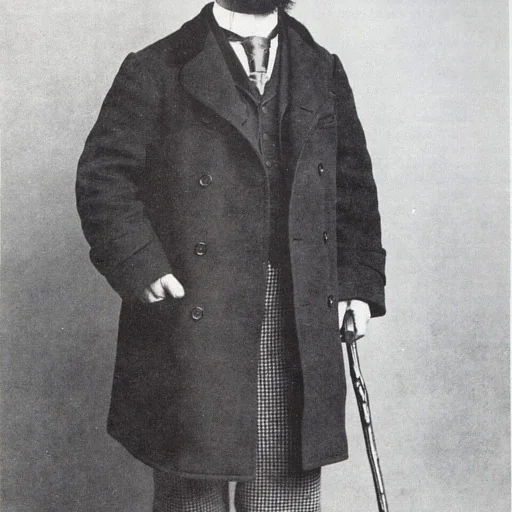
Comte Henri Marie Raymond de Toulouse-Lautrec-Montfa (24 November 1864 – 9 September 1901), known as Toulouse-Lautrec (French: ), was a French painter, printmaker, draughtsman, caricaturist, and illustrator.