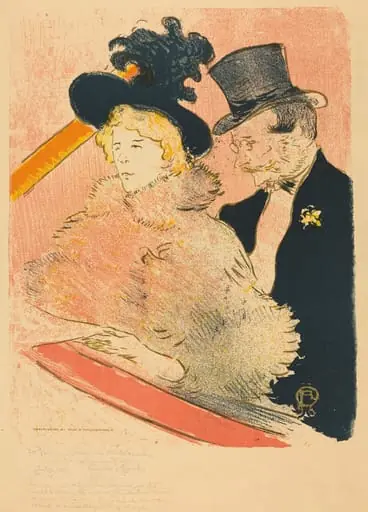
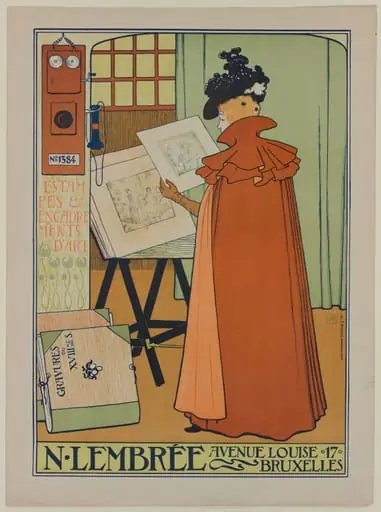
Artwork
Untitled
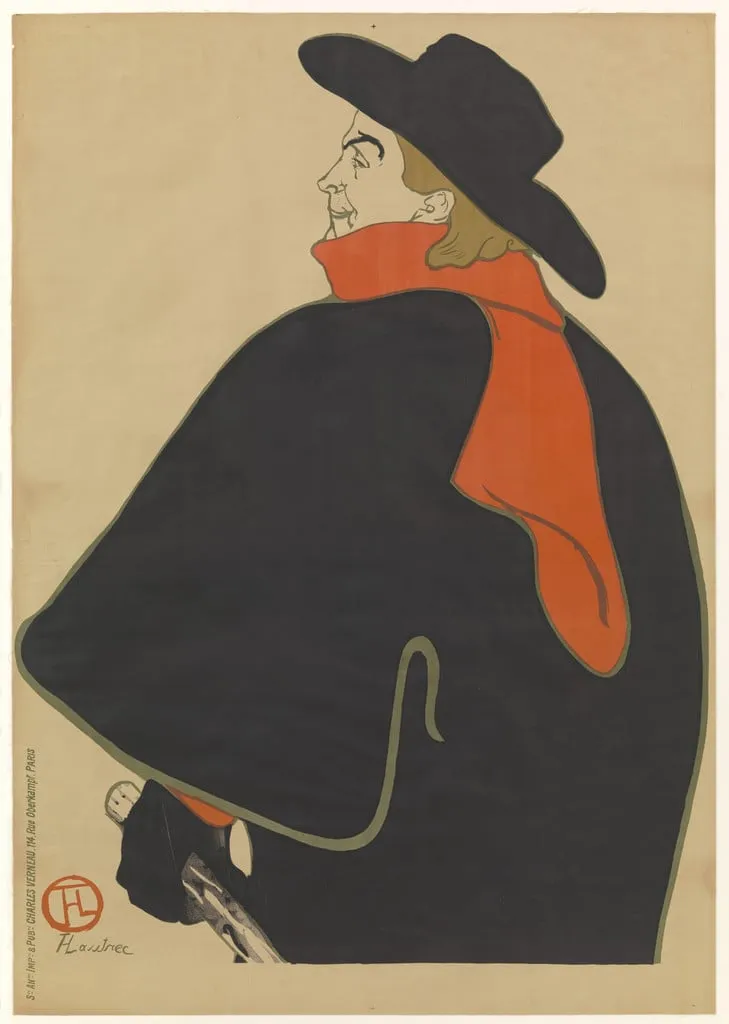
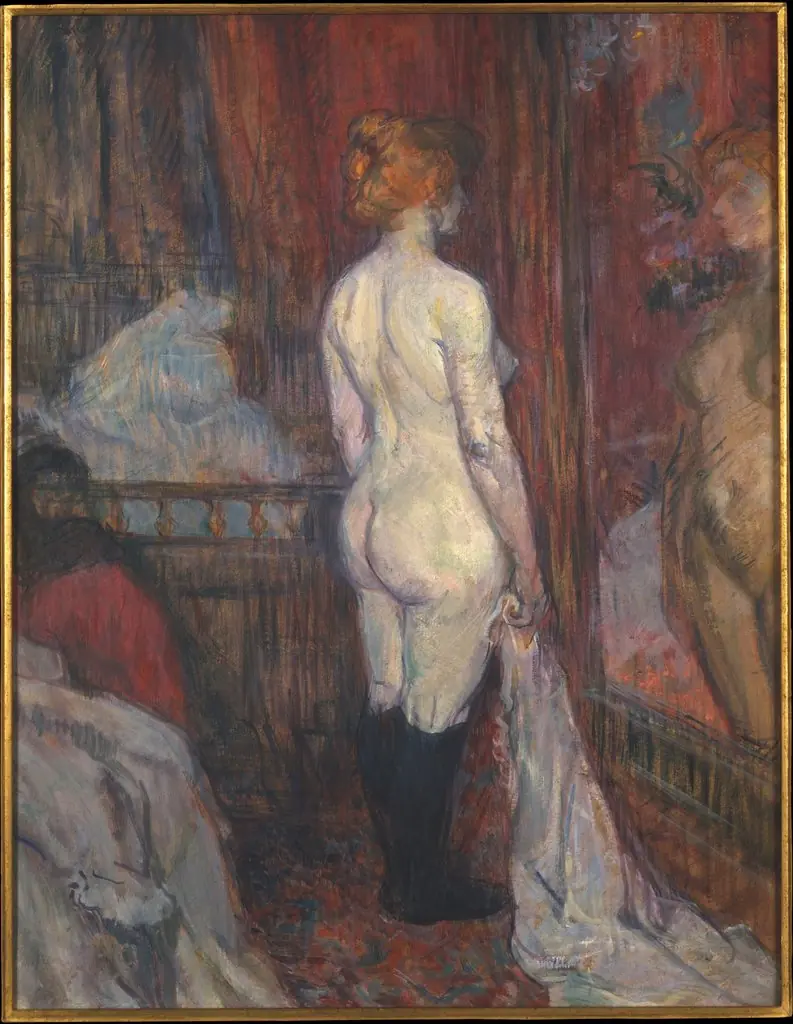
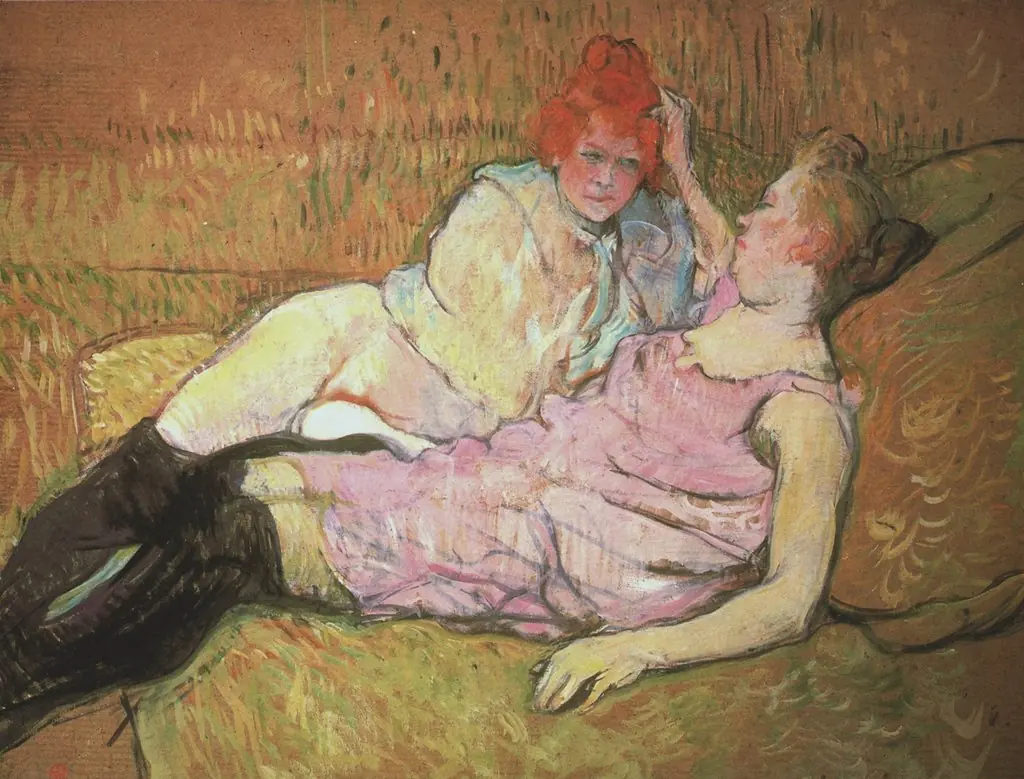
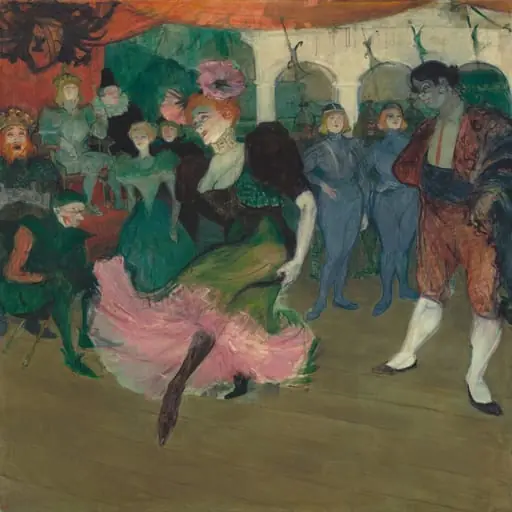
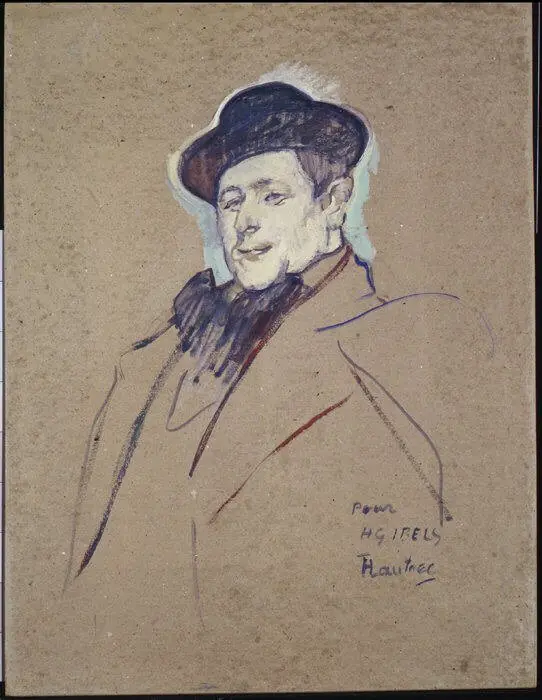
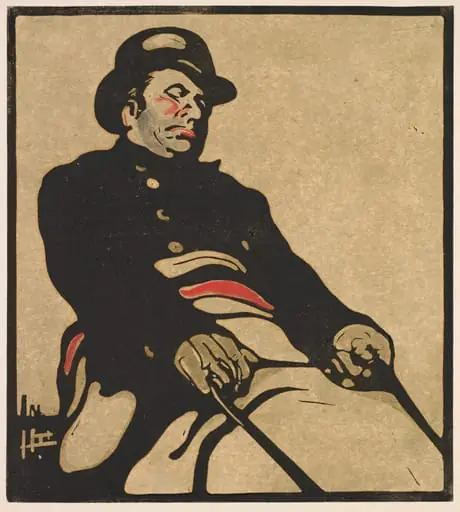
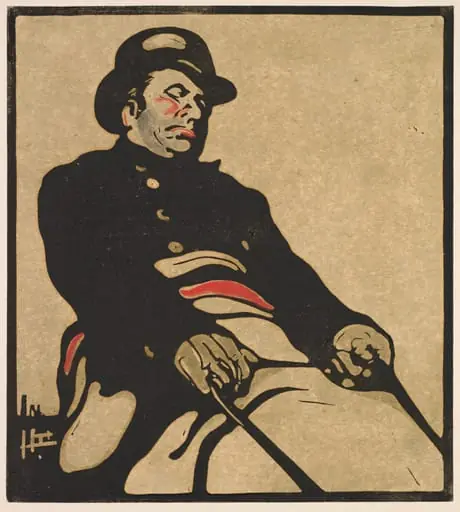
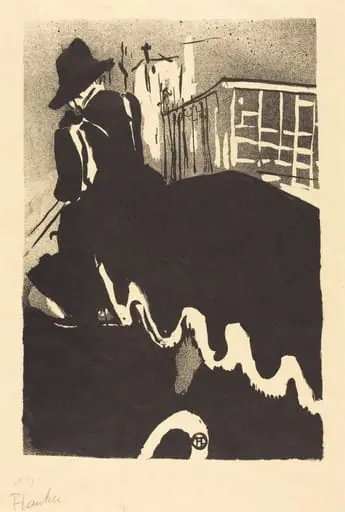
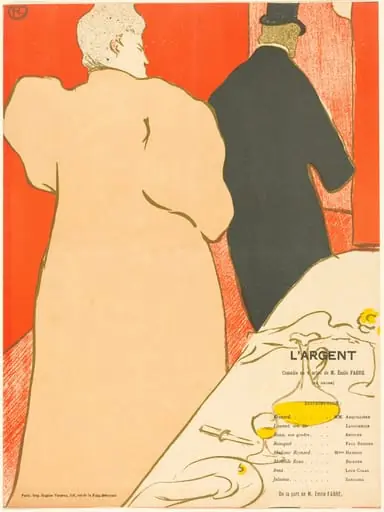
Untitled is an ink print by the Impressionist artist Henri de Toulouse-Lautrec. It dates from 1893 and is held in the collection of the Museum of Modern Art.
About this work
Overview
Created in 1893, this lithograph by Henri de Toulouse-Lautrec is one of many prints capturing Parisian urban life in the late 19th century.
Created in 1893, this lithograph by Henri de Toulouse-Lautrec is one of many prints capturing Parisian urban life in the late 19th century. Though untitled, its subject reflects Lautrec’s recurring interest in figures from the city’s margins. Executed in a simplified, graphic style, the work exemplifies his mastery of lithography as a medium for expressive, accessible imagery rather than traditional fine art.
Subject & Meaning
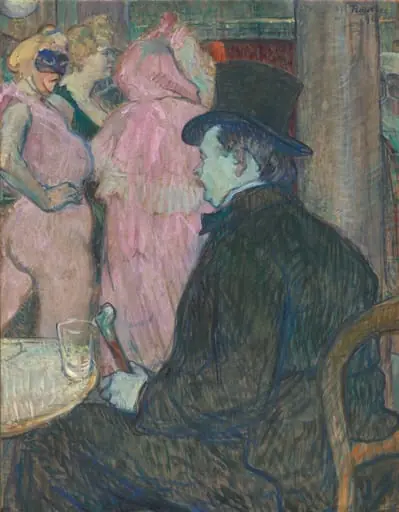
The figure is a man in profile, dressed in a long coat with vivid red lapels and a wide-brimmed hat, exuding a quiet self-assurance. He holds a cane and keeps one hand in his pocket, suggesting a performer or dandy navigating the city’s nightlife. Lautrec often portrayed such figures not as caricatures but as individuals with dignity, reflecting his empathy for those living outside conventional society.
Technique & Style
Lautrec employed lithography to achieve clean, bold outlines and flat areas of color, rejecting naturalistic detail in favor of stylized form. The absence of background emphasizes the figure’s silhouette and attire, drawing attention to posture and costume. This approach aligned with contemporary poster design, where clarity and visual impact were prioritized over illusionistic depth.
History & Provenance
Lautrec produced this print during a period of intense creative output following his aristocratic upbringing and physical challenges from adolescent injuries. While the specific provenance of this untitled work is not widely documented, it belongs to a broader body of lithographs made for commercial and personal circulation, often distributed in Parisian cafés and print shops.
Context
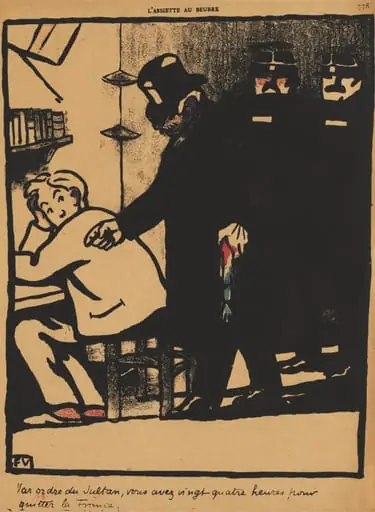
In 1890s Paris, lithography became a favored medium for capturing the energy of modern life, especially in entertainment districts. Lautrec’s work intersected with the rise of mass-produced prints and the popularity of cabarets, brothels, and theaters. His subjects—often performers, sex workers, and patrons—were rendered with psychological nuance, challenging societal norms through quiet observation.
Legacy
Lautrec’s lithographs helped redefine printmaking as a legitimate art form, influencing later generations of illustrators and graphic artists. His ability to distill character through minimal means—line, color, and pose—paved the way for modern visual storytelling. Though rooted in a specific time and place, his stylistic innovations continue to resonate in graphic design and portraiture.
Artist & collection
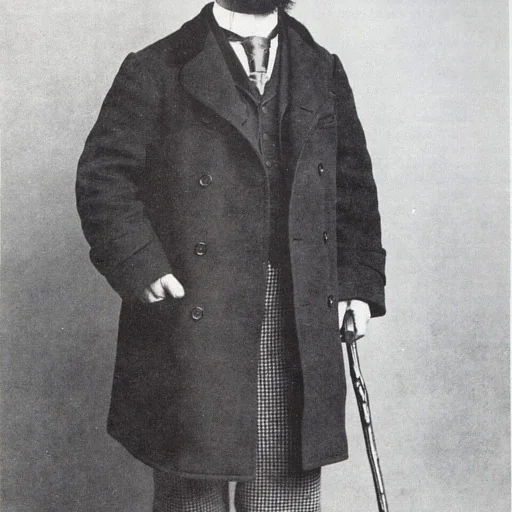
Artist
Comte Henri Marie Raymond de Toulouse-Lautrec-Montfa (24 November 1864 – 9 September 1901), known as Toulouse-Lautrec (French: ), was a French painter, printmaker, draughtsman, caricaturist, and illustrator.