Artwork
Refugee Woman
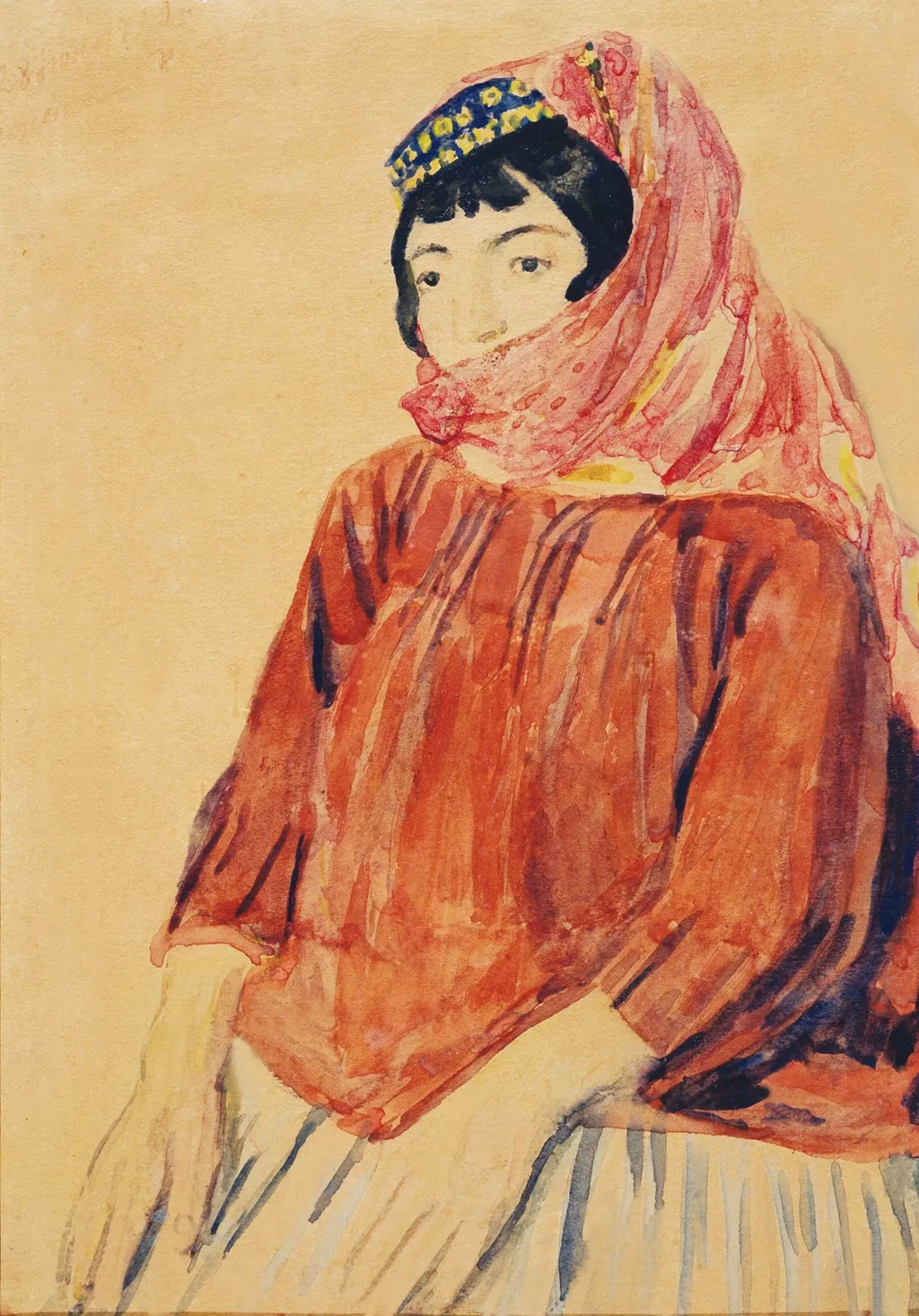
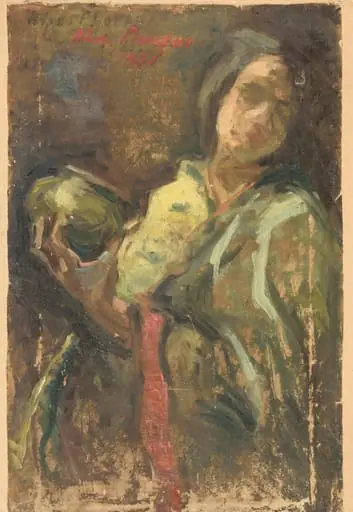
Refugee Woman is a watercolor painting by Bahruz Kangarli. It dates from 1920 and is held in the collection of the National Art Museum of Azerbaijan.
About this work
Overview
Bahruz Kangarli painted *Refugee Woman* in 1920 using watercolor, a medium he employed to capture intimate human moments with clarity and emotional restraint.
Bahruz Kangarli painted *Refugee Woman* in 1920 using watercolor, a medium he employed to capture intimate human moments with clarity and emotional restraint. The work is part of the National Art Museum of Azerbaijan’s permanent collection and reflects his broader commitment to documenting everyday life during a period of social upheaval. Kangarli’s output of approximately 2,000 works helped define the foundations of modern Azerbaijani painting.
Subject & Meaning
The portrait portrays a woman displaced by conflict, her attire suggesting both cultural identity and hardship. She wears a red headscarf, a brown tunic, and a white skirt, with a small, brightly colored hat resting atop her dark hair. Her neutral expression and sideways gaze convey quiet endurance rather than despair. The image avoids melodrama, instead emphasizing dignity in the face of loss and uncertainty.
Technique & Style
Kangarli applied watercolor with bold, decisive strokes, allowing the paper’s texture to show through and enhancing the immediacy of the form. Colors are vivid but not ornamental—red, brown, and white dominate, set against a pale yellow background that suggests an open, unadorned space. The simplicity of line and lack of detail focus attention on the subject’s presence rather than decorative elements.
History & Provenance
Created in 1920 amid the aftermath of war and political instability in the Caucasus, the painting emerged during Kangarli’s most active period as a realist painter. It entered the National Art Museum of Azerbaijan’s collection early in the 20th century and has remained there since, serving as a key example of his socially conscious portraiture and the museum’s foundational holdings.
Context
In the early 1920s, Azerbaijan was transitioning from imperial rule to Soviet governance, and many civilians were displaced by violence and economic collapse. Kangarli, trained in realism, turned his attention to ordinary people affected by these changes. *Refugee Woman* is one of many works in which he recorded the human cost of upheaval with empathy and precision.
Legacy
Kangarli’s focus on marginalized individuals helped shift Azerbaijani art away from idealized historical themes toward direct observation of lived experience. *Refugee Woman* exemplifies this shift and continues to be referenced in discussions of early modern Azerbaijani identity. His approach influenced subsequent generations of artists committed to social realism in the region.
Own this work as a print
Artist & collection
Artist
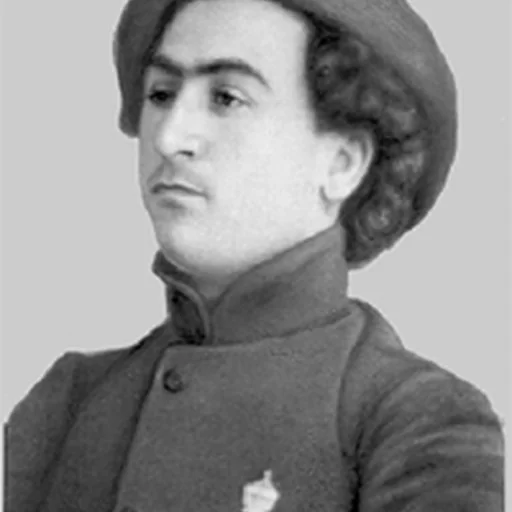
Bahruz Shirali bey oglu Kangarli (Azerbaijani: Bəhruz Şirəlibəy oğlu Kəngərli; 22 January 1892, Nakhchivan – 7 February 1922, Nakhchivan) an Azerbaijani artist who paved the way for innovation with his realistic works…

![Arearea no Varua Ino (Words of the Devil) [recto], by Paul Gauguin](https://artifactworldgallery.com/img/paul-gauguin--arearea-no-varua-ino-words-of-the-devil-recto--0bfcd29d383e4267-w320.webp)