Artwork
The Evening Star
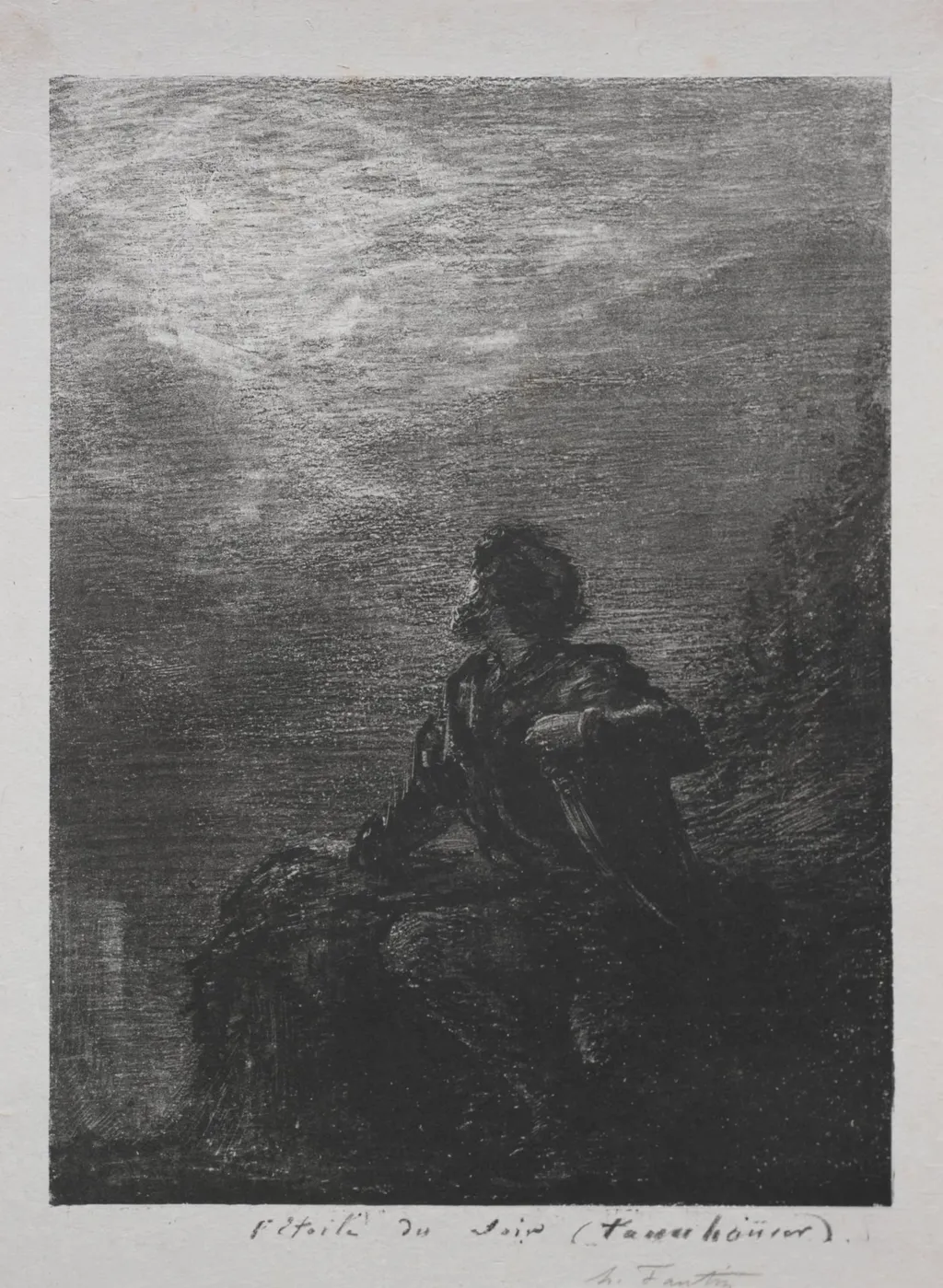
The Evening Star is a print by the Impressionist artist Henri Fantin-Latour. It dates from 1877 and is held in the collection of the Cleveland Museum of Art.
About this work
Overview
The work reflects Fantin-Latour’s interest in mood over narrative, aligning him with broader 19th-century explorations of atmosphere in visual art.
Henri Fantin-Latour’s *The Evening Star* (1877) is a print that diverges from his more familiar floral still lifes. Rather than flowers, it presents a solitary figure seated on a rock beside water at twilight. The composition emphasizes stillness and quietude, with minimal detail and a subdued palette. The work reflects Fantin-Latour’s interest in mood over narrative, aligning him with broader 19th-century explorations of atmosphere in visual art.
Subject & Meaning
The lone figure, cloaked in dark fabric and facing away, evokes introspection and solitude. The title references the planet Venus, visible in the dusk sky, suggesting a moment of transition between day and night. The absence of clear identity or action invites contemplation rather than storytelling. The scene’s ambiguity allows the viewer to project emotion, reinforcing a sense of melancholy and quiet resignation.
Technique & Style
Fantin-Latour employed loose, atmospheric brushwork to dissolve boundaries between sky, water, and land. The gray tones are layered with subtle shifts in value, creating a hazy, indistinct horizon. The figure is rendered with minimal definition, blending into the environment. This approach prioritizes tone and mood over precise form, anticipating the tonal experiments of later Impressionist and Symbolist artists.
History & Provenance
Created in 1877, the print entered the collection of the Cleveland Museum of Art at an unspecified date. Unlike his paintings, Fantin-Latour’s prints from this period received less contemporary attention, and *The Evening Star* remains one of fewer known works in this medium. Its preservation in a major American institution underscores its significance within his broader, less widely recognized graphic output.
Context
In the late 1870s, Fantin-Latour was increasingly detached from the avant-garde movements dominating Paris, yet his work engaged with emerging concerns for light, emotion, and subjective experience. While not an Impressionist, his use of atmospheric effects and subdued color resonated with their aims. This print reflects a quieter, more personal response to the era’s artistic shifts, distinct from the public spectacle of Salon exhibitions.
Legacy
Though overshadowed by his floral paintings, *The Evening Star* illustrates Fantin-Latour’s capacity for emotional depth in minimal forms. Its influence is subtle but discernible in later Symbolist and early modernist works that favored mood over narrative. The print stands as a quiet testament to his ability to convey introspection through restrained means, offering a counterpoint to the more overt innovations of his contemporaries.
Artist & collection
Artist
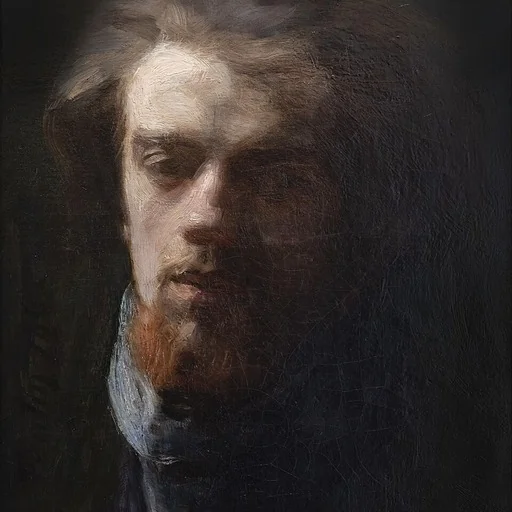
Ignace Henri Jean Theodore Fantin-Latour (French pronunciation: ; 14 January 1836 – 25 August 1904) was a French painter and lithographer best known for his flower paintings and group portraits of Parisian artists and writers.

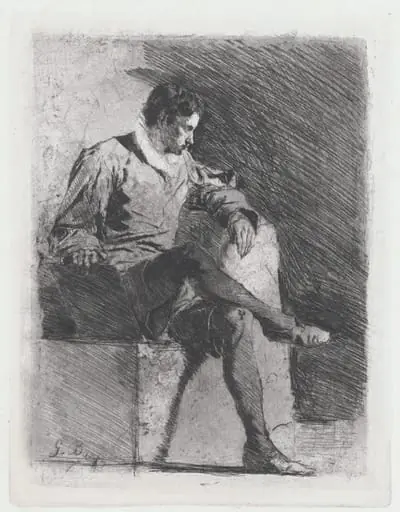 Seated Man in Sixteenth-Century Costume
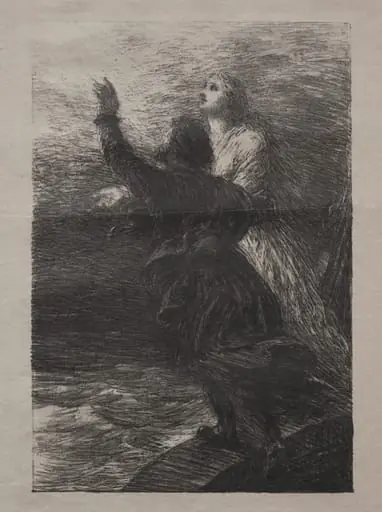 The Flying Dutchman: Act III, The Ecstasy of Senta and the Dutchman
 At Sea
 Harolde dans les Montagnes
 The Fairy of the Alps
 Debut from Paradise and the Peri (Second Plate)
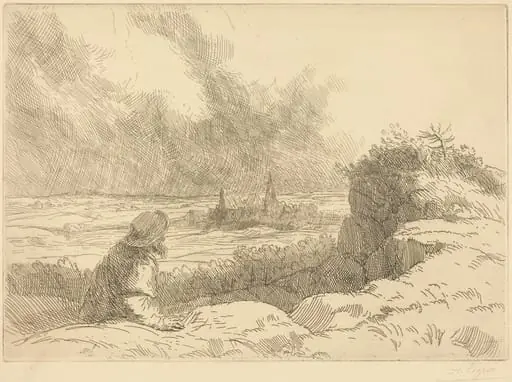 Landscape (Paysage)
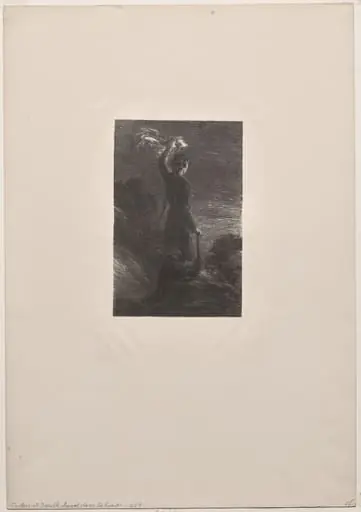 Tristan and Isolde, Act II: Signal in the Night
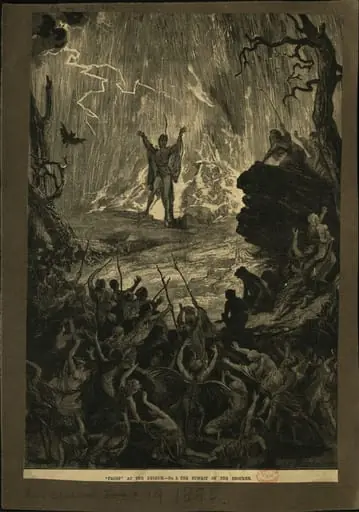 Faust
Faust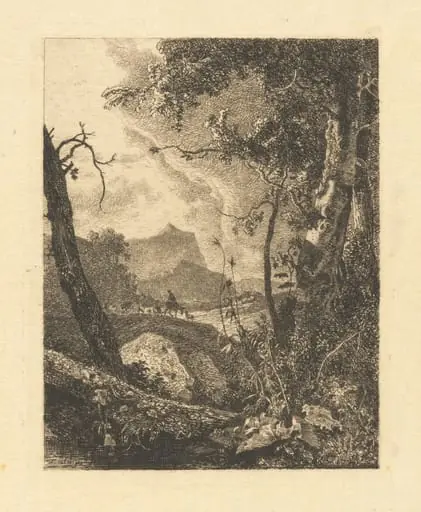 Italian Landscape
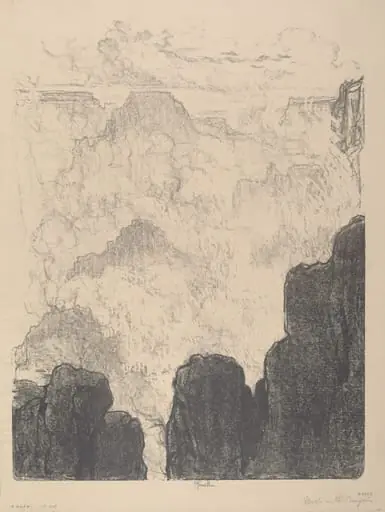 Mists in the Canyon, No.II
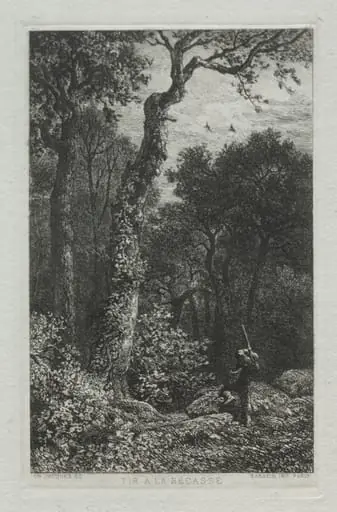 Shooting the Woodcock