Artwork
Willows on the Banks of the Loire
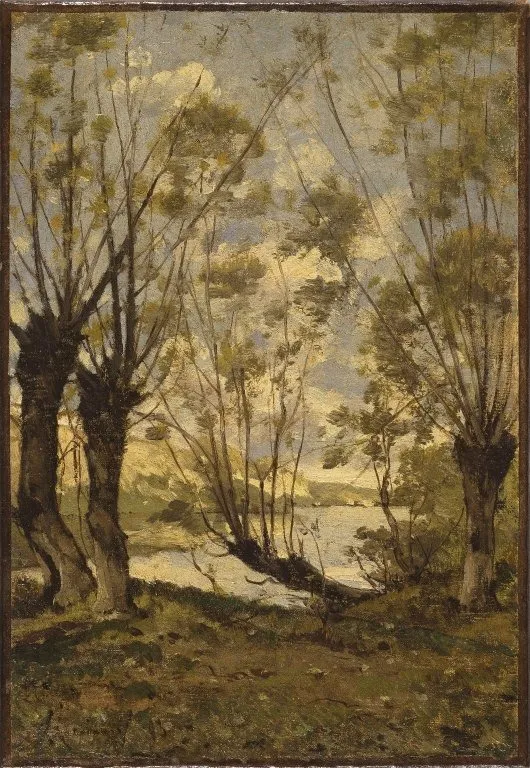
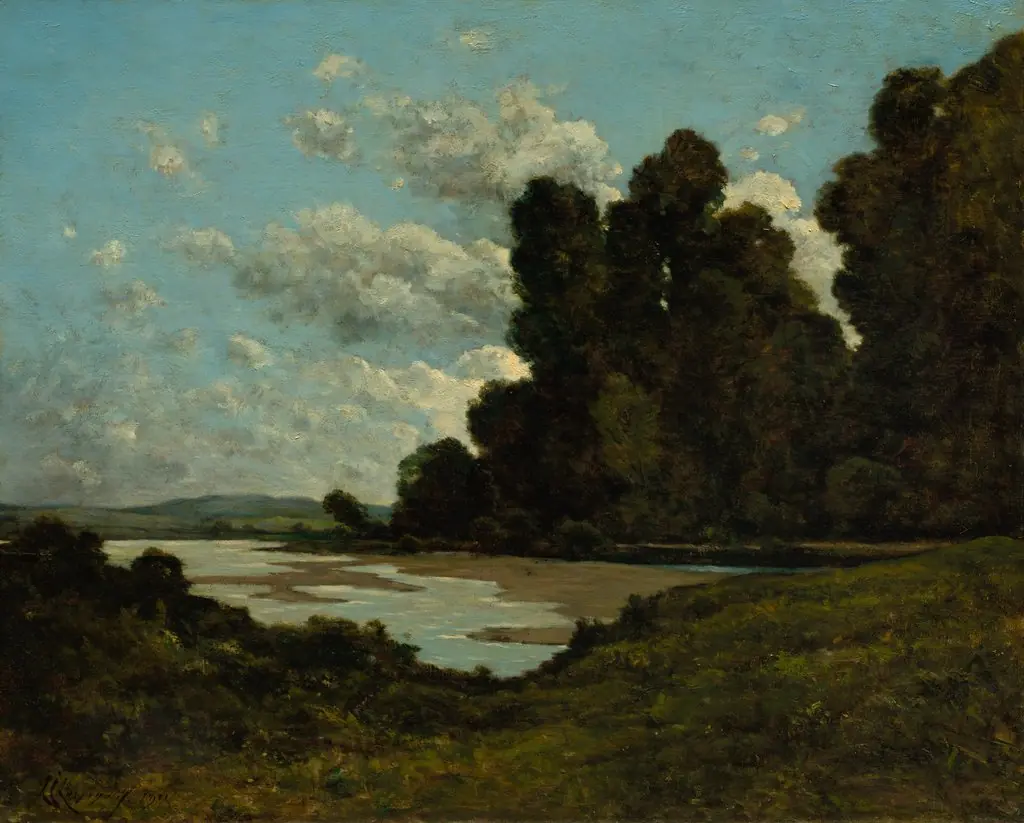
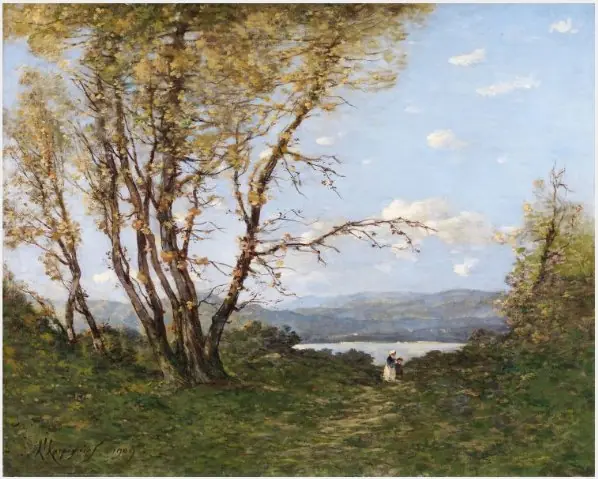
Willows on the Banks of the Loire is an oil painting by the Post-Impressionist artist Henri Harpignies. It dates from 1897 and is held in the collection of the Brooklyn Museum.
About this work
Overview
It captures a quiet stretch of the Loire River in central France, framed by slender willows and a hazy sky.
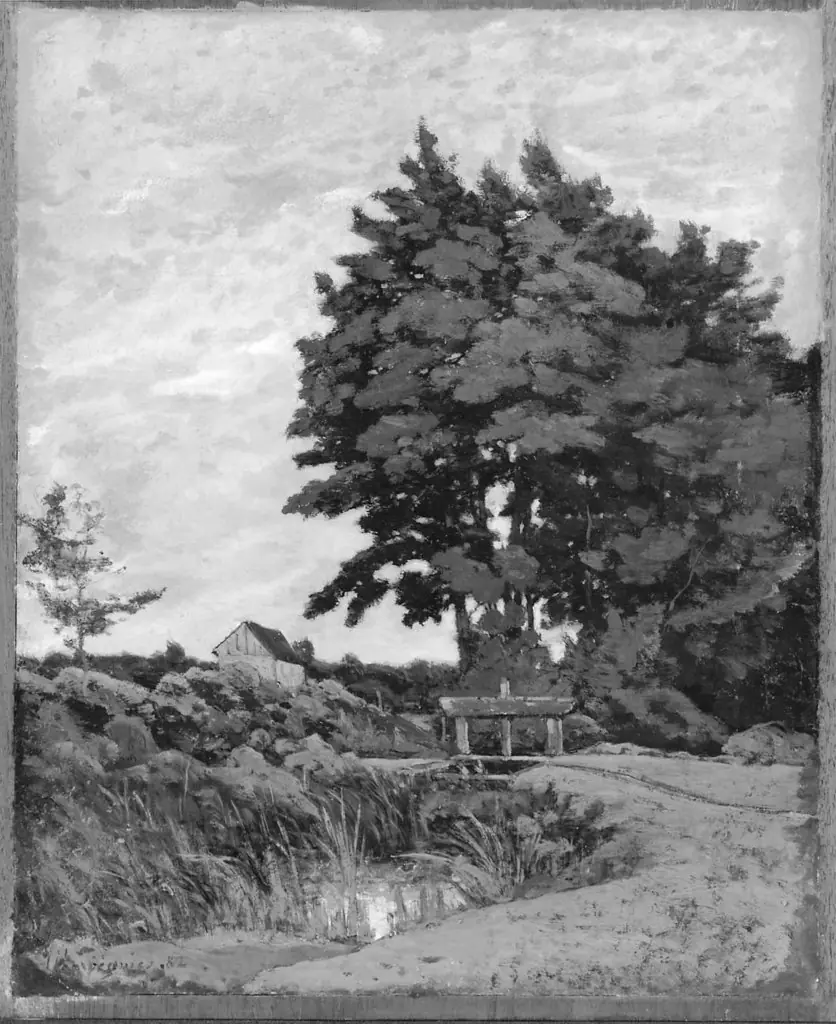
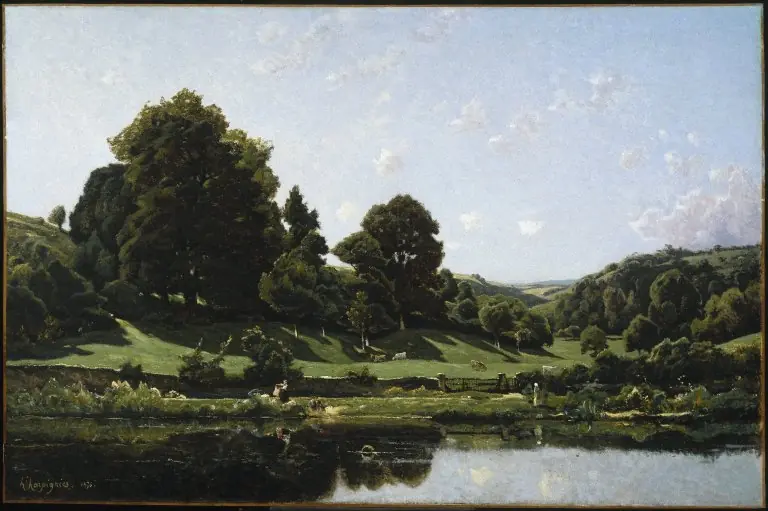
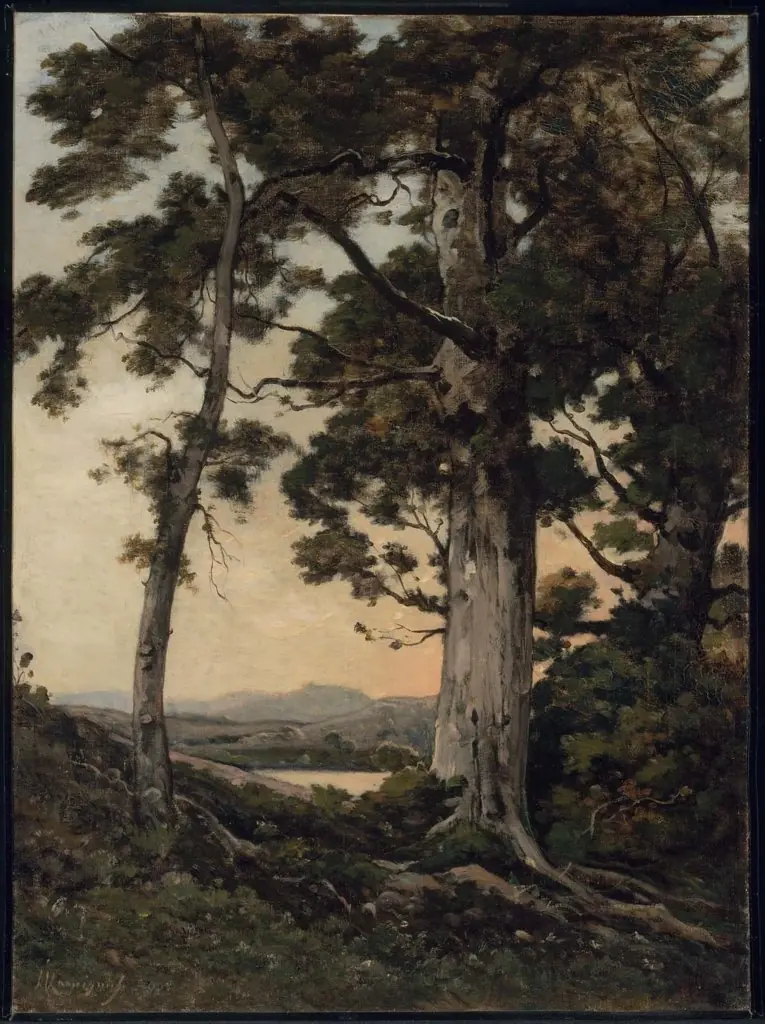
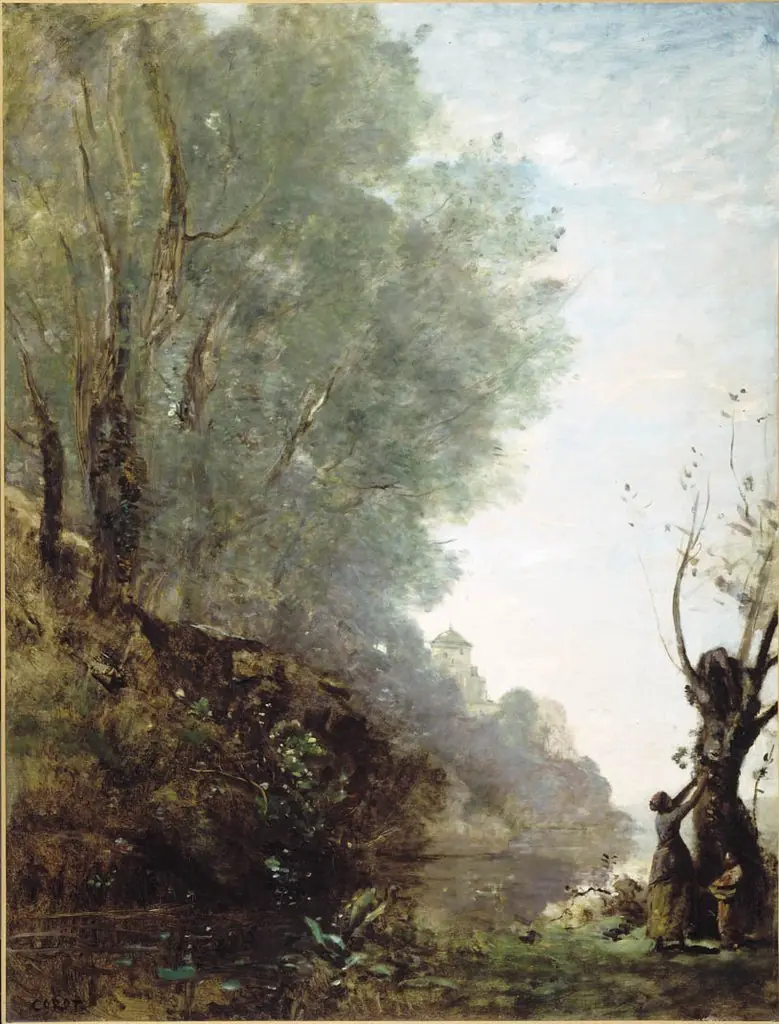
Painted in 1897, *Willows on the Banks of the Loire* is an oil-on-canvas landscape by Henri Harpignies. It captures a quiet stretch of the Loire River in central France, framed by slender willows and a hazy sky. Harpignies, known for his dedication to naturalistic scenery, rendered the scene with restrained color and careful attention to atmospheric effects, aligning with the principles of the Barbizon school.
Subject & Meaning
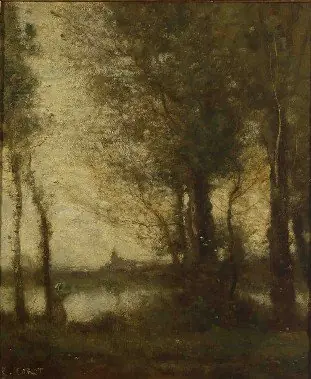
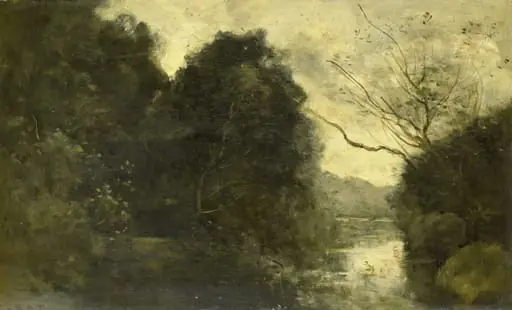
The painting presents a tranquil riverside setting, where willow trees lean over the water’s edge, their branches tapering into the distance. No human figures or structures interrupt the scene, emphasizing solitude and the quiet rhythm of nature. The composition invites contemplation, suggesting a reverence for the land as it exists apart from human intervention, a hallmark of 19th-century French landscape sensibility.
Technique & Style
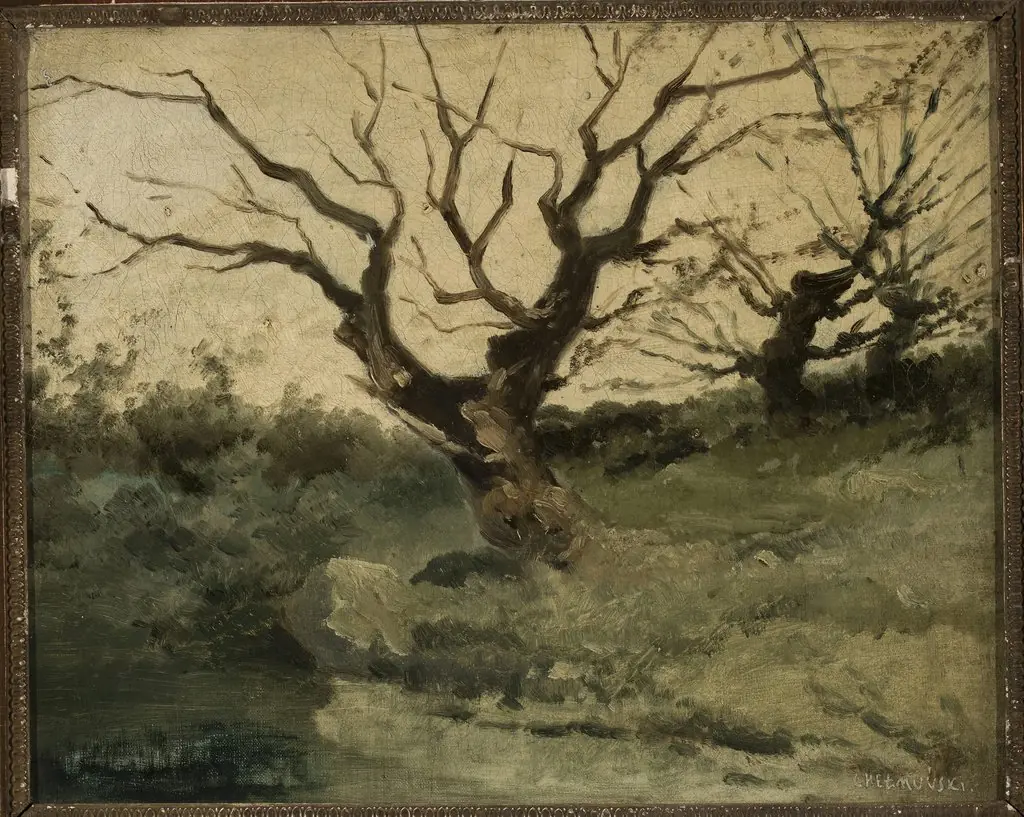
Harpignies employed soft, blended brushwork to convey the diffused light and muted tones of a overcast day. The willows are rendered with delicate, vertical strokes, contrasting with the horizontal flow of the river and the gentle undulations of the bank. Color is limited to pale greens, grays, and ochres, with subtle shifts in value creating depth without dramatic contrast, reflecting the Barbizon emphasis on observed reality over idealization.
History & Provenance
The painting was completed in 1897, near the end of Harpignies’s career, and entered the collection of the Brooklyn Museum at an undetermined date. It has remained in the museum’s holdings since, with no record of significant public exhibition or ownership changes. Its presence in a major American institution reflects broader 19th-century interest in French landscape painting among collectors and curators.
Context
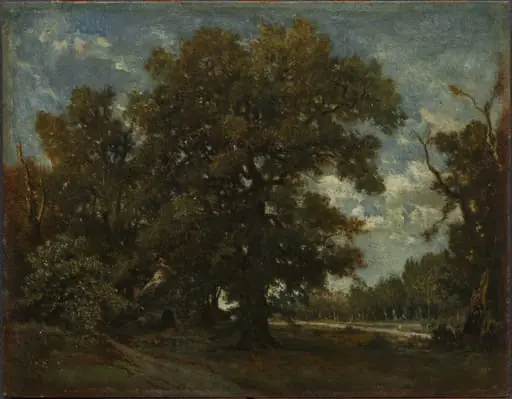
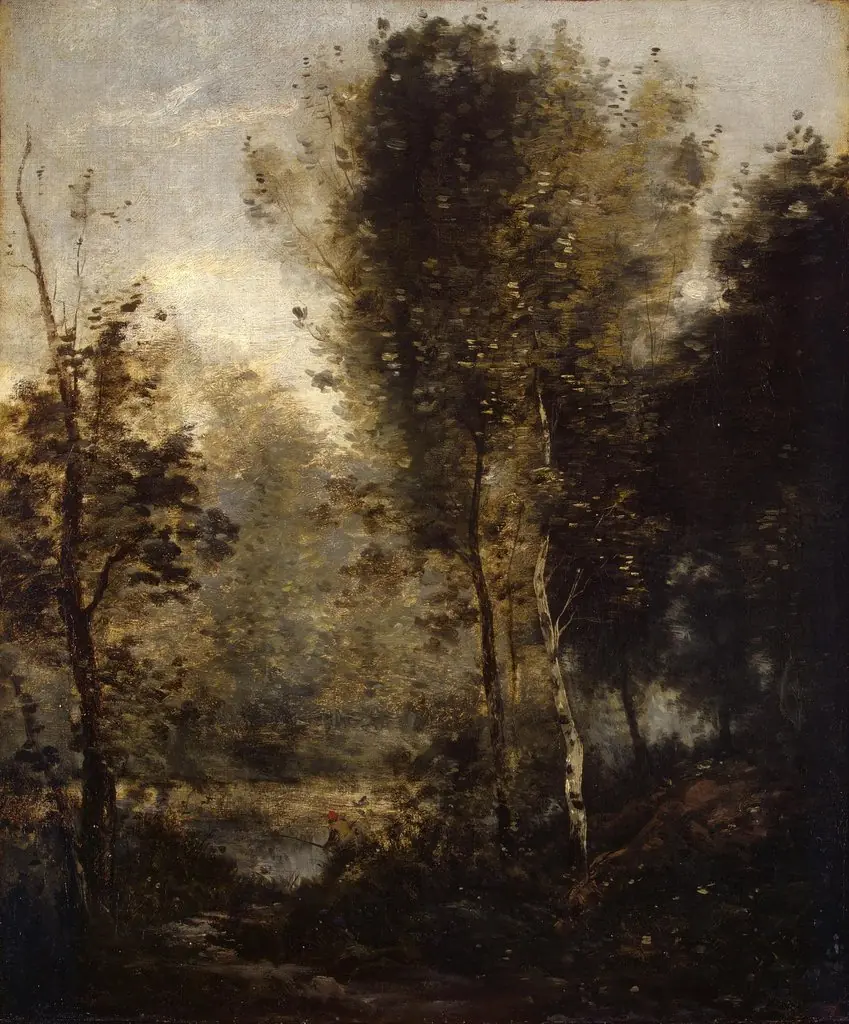
Harpignies worked within the tradition of the Barbizon school, which rejected academic idealism in favor of painting outdoors and capturing the subtle moods of rural France. While contemporaries like Corot and Rousseau focused on forest interiors, Harpignies often turned to river valleys and open plains. *Willows on the Banks of the Loire* exemplifies this regional focus, situating the viewer within a specific, unembellished French landscape.
Legacy
Though Harpignies is less widely recognized today than some of his Barbizon peers, his body of work contributed to the persistence of landscape painting as a serious genre in late 19th-century France. *Willows on the Banks of the Loire* remains a representative example of his mature style—calm, observant, and rooted in the quiet dignity of the natural world, offering a quiet counterpoint to the emerging modernist movements of his time.
Artist & collection
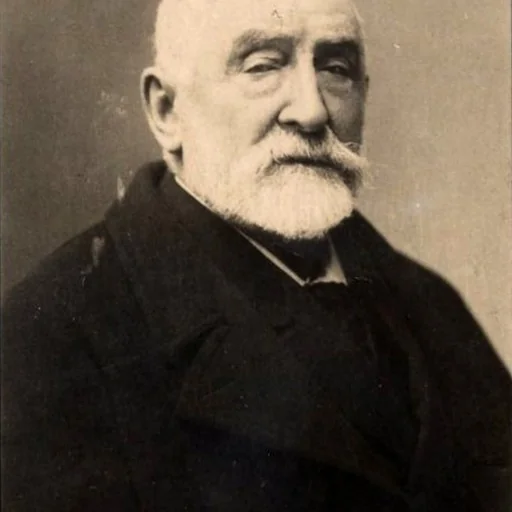
Artist
Henri-Joseph Harpignies (French pronunciation: ; June 28, 1819 – August 28, 1916) was a French landscape painter of the Barbizon school.