Artwork
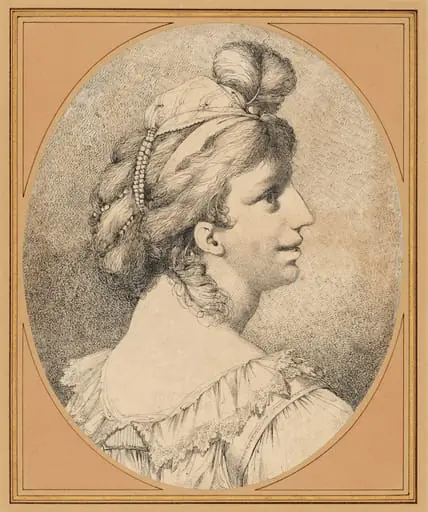
Woman in Profile, Turned to the Left
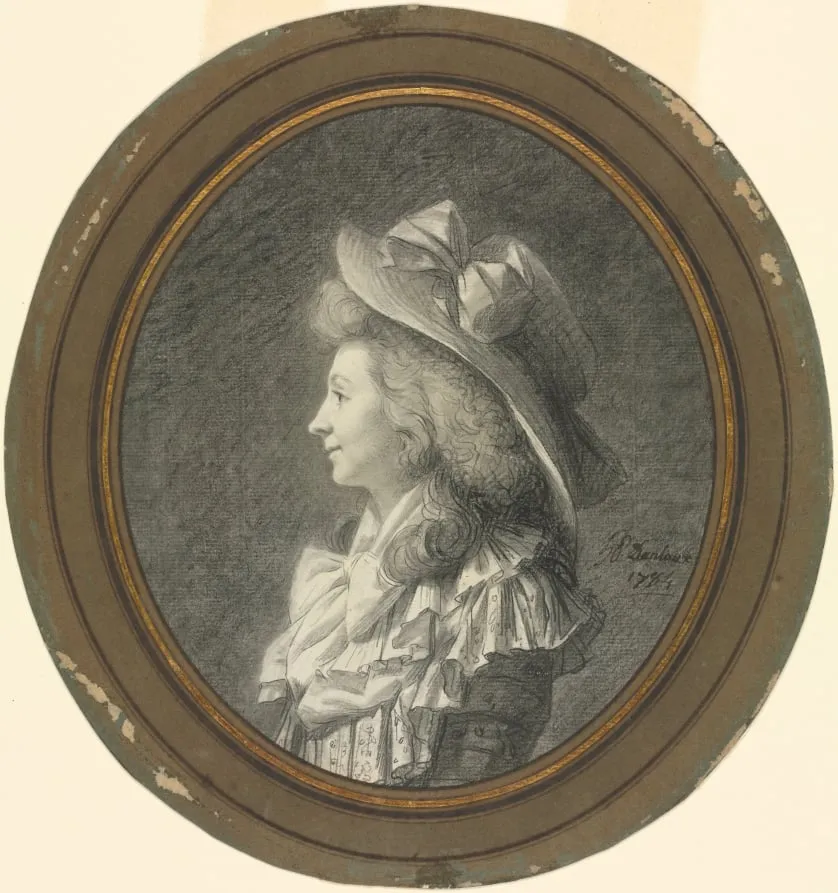
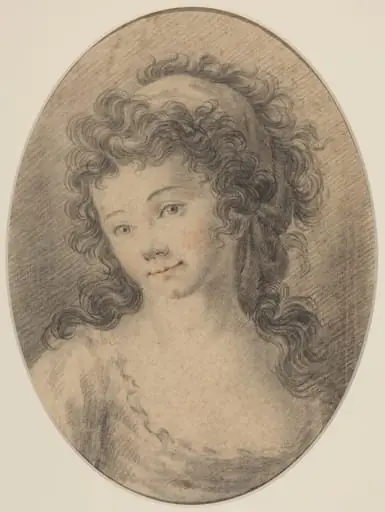
Woman in Profile, Turned to the Left is a drawing by the Romanticist artist Henri-Pierre Danloux. It dates from 1784 and is held in the collection of the Cleveland Museum of Art.
About this work
Overview
The inscription confirms its origin in this period, situating it within a specific moment of his early career and the social milieu of provincial France.
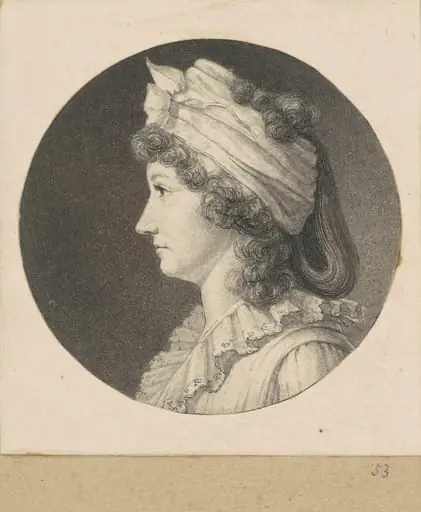
This pencil drawing, dated to 1783–84, depicts a young woman in left-facing profile, created by Pierre-Philippe Danloux during his brief stay in Lyon. Executed with precision and subtle tonal variation, the work reflects Danloux’s focus on profile portraiture at the time. The inscription confirms its origin in this period, situating it within a specific moment of his early career and the social milieu of provincial France.
Subject & Meaning
The sitter’s identity remains unknown, though her refined attire—including a hat and ribbon—suggests aristocratic or upper-bourgeois status. Her composed, averted gaze and minimal expression convey quiet dignity rather than individualized personality. The profile format, common in Enlightenment-era portraiture, emphasizes lineage and decorum over emotional expression, aligning with contemporary ideals of refined femininity.
Technique & Style
Danloux employed black chalk for crisp contours and stumping—a technique using rolled cloth to soften and blend the medium—to modulate light and shadow across the face and fabric. This method allowed subtle gradations, enhancing the illusion of volume without relying on heavy outlines. The result is a restrained, atmospheric rendering that prioritizes texture and tone over dramatic contrast, reflecting a quiet, observational approach.
History & Provenance
Created during Danloux’s time in Lyon, where he established a practice in profile portraits, the drawing likely served as a private commission. Its survival suggests it was valued by its original owner or later collectors. No documented ownership chain is known prior to its inclusion in institutional collections, but its date and style align with other works from his Lyon period.
Context
In the years before the French Revolution, profile portraits were popular among the elite as discreet, elegant records of identity. Danloux’s use of stumping echoed broader trends in graphic arts that sought to mimic the softness of pastels or oil paintings in pencil. His work in Lyon reflects a regional artistic culture that valued technical refinement over grand narrative, bridging academic tradition and emerging sensibilities.
Legacy
Though Danloux is less known than his Parisian contemporaries, this drawing exemplifies his skill in capturing subtle likeness through restrained means. The work contributes to understanding how portrait practices evolved in provincial France, where artists adapted academic techniques to meet local tastes. It remains a quiet testament to the precision and tact of pre-revolutionary drawing.
Artist & collection
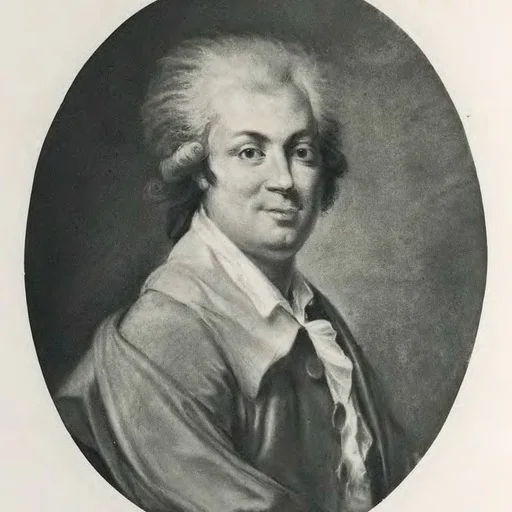
Artist
Henri-Pierre Danloux (24 February 1753 – 3 January 1809) was a French painter and draftsman.

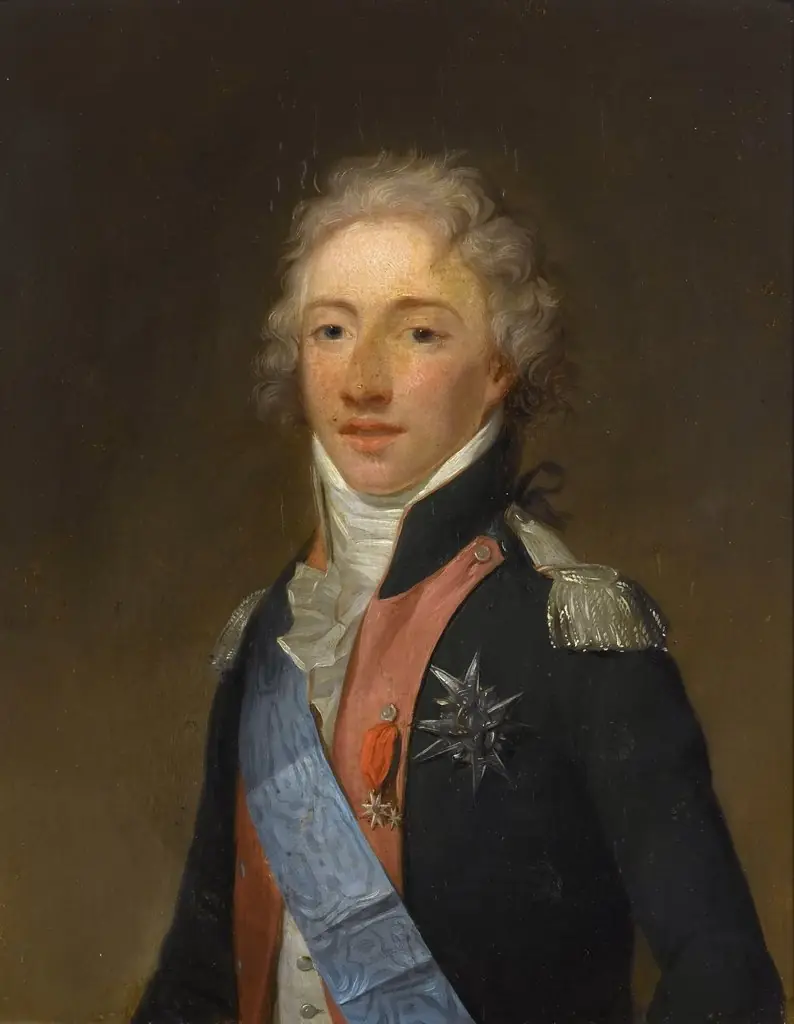 Louis-Antoine d’Artois, duc d’Angoulême (1775-1844)
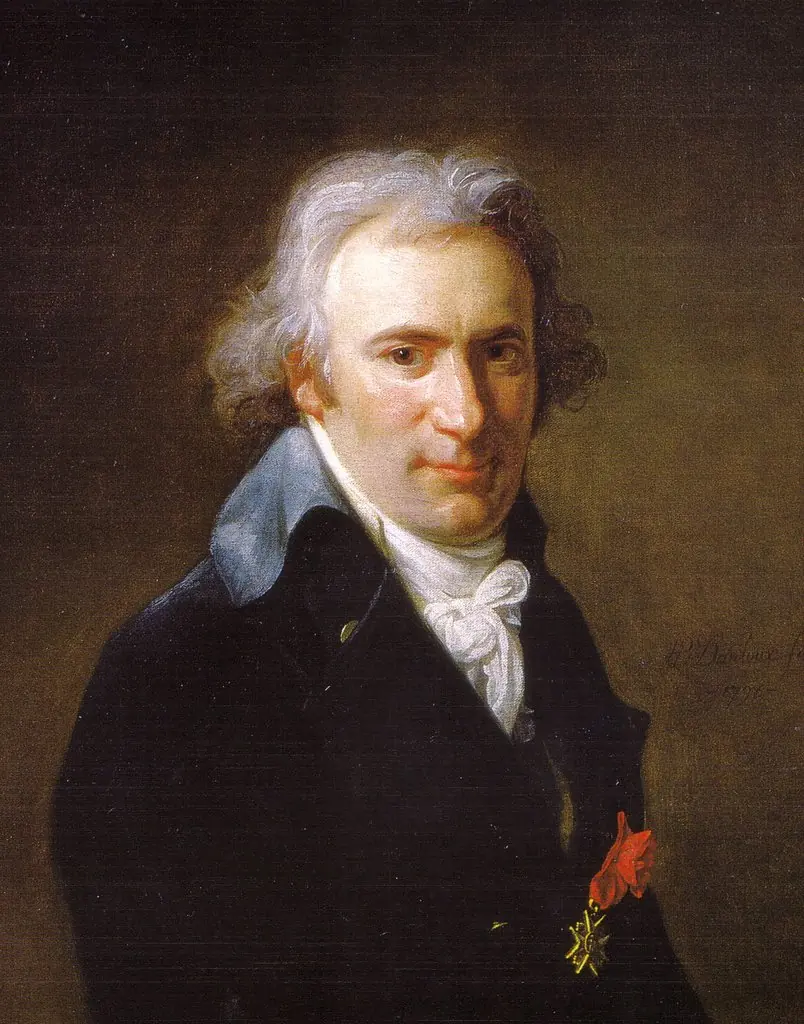 Jean-Baptiste Canthaney, known as Cléry, valet de chambre to Louis XVI (1759-1809)
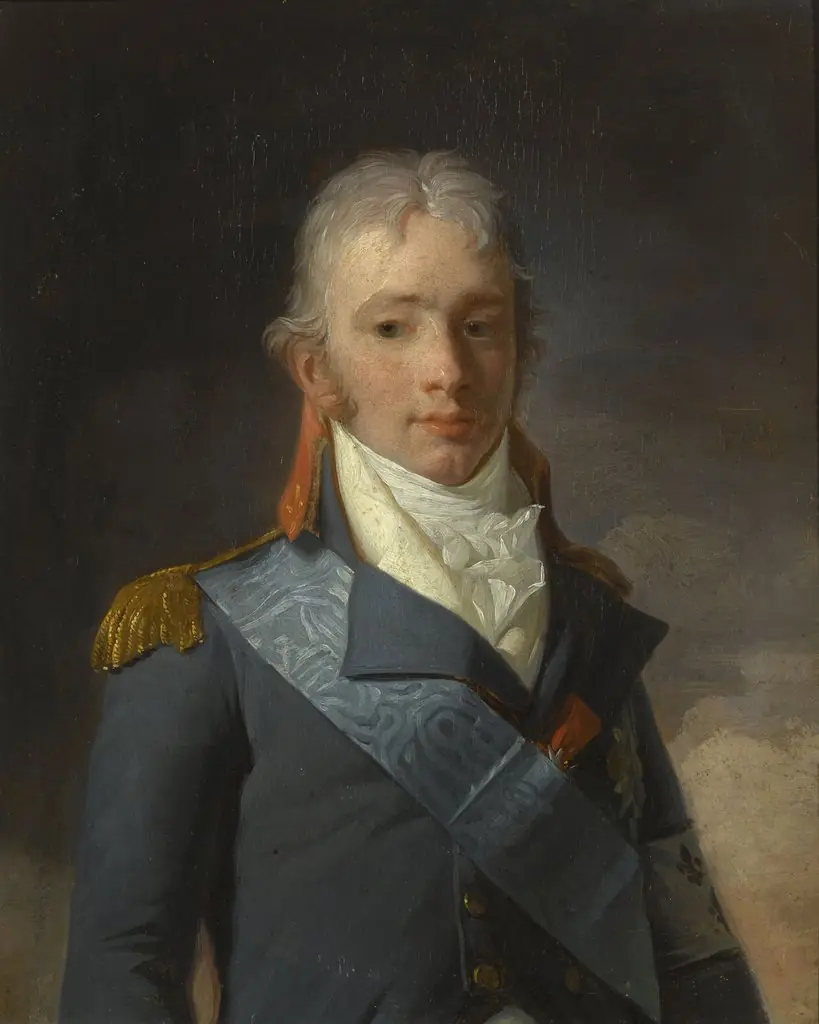 Charles-Ferdinand d'Artois, Duke of Berry
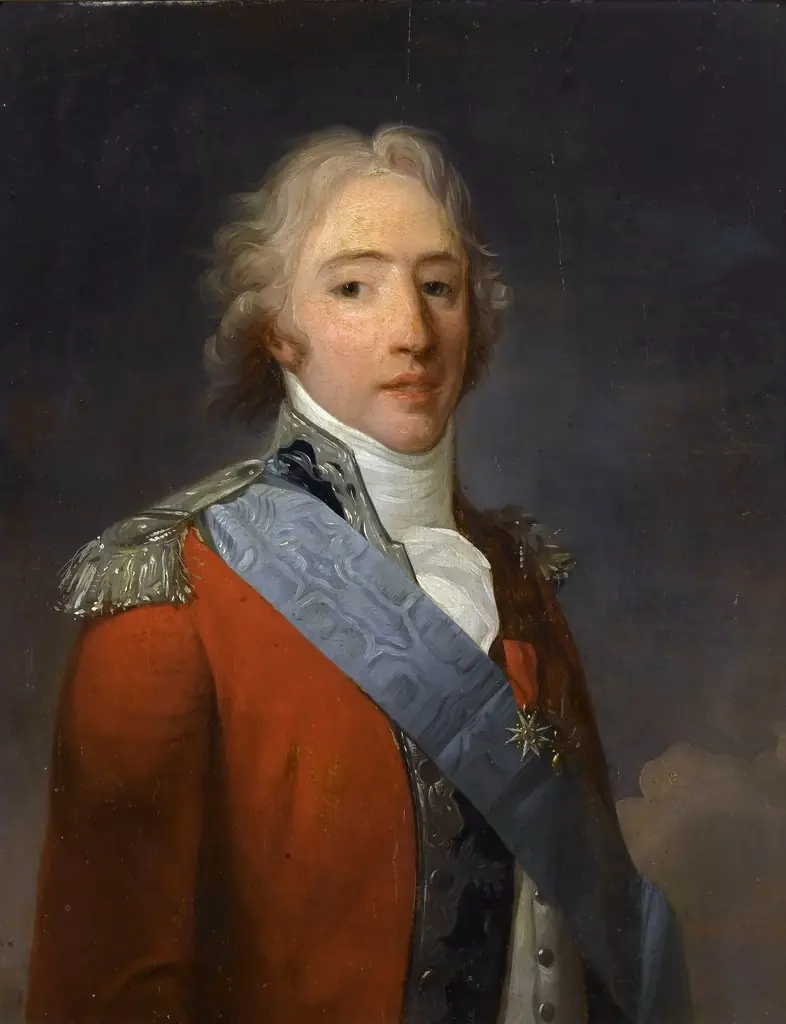 Charles Philippe de France, comte d'Artois (1757-1836)
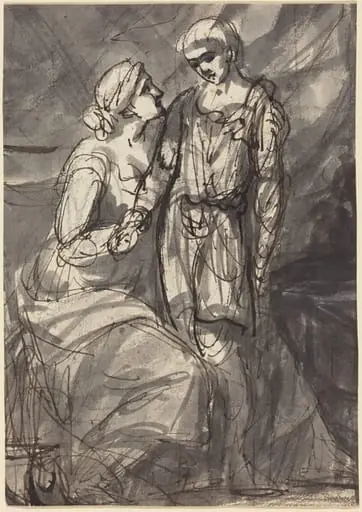 Two Figures in Classical Dress
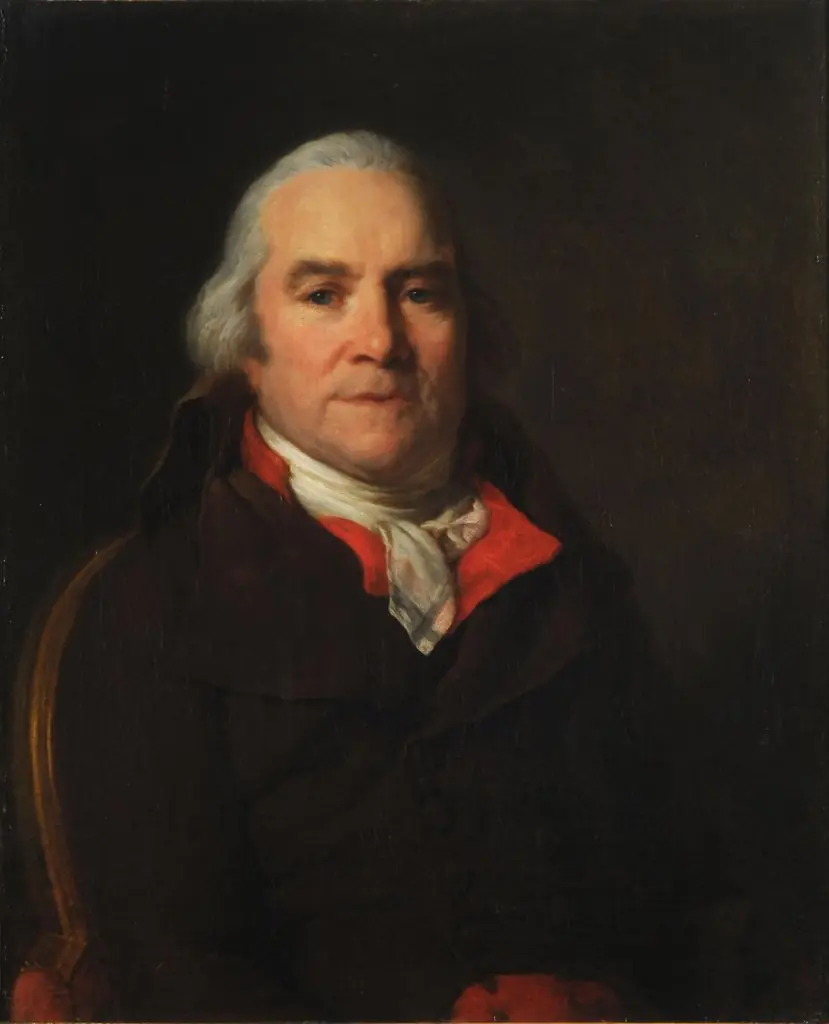 Hombre de época
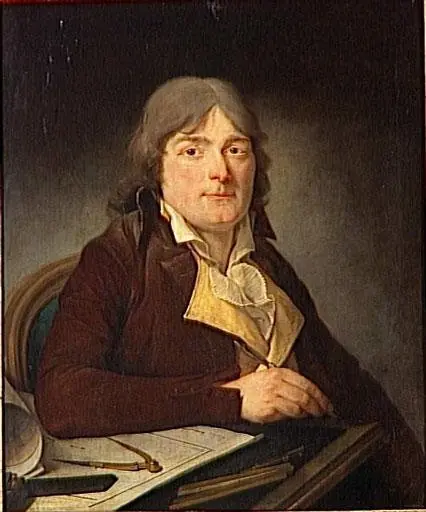 Portrait de Samson Nicolas Lenoir dit "le Romain", architecte français (1726-1810)
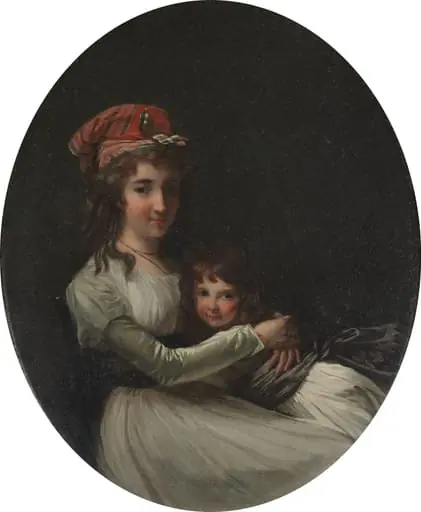 Portrait of a Mother and Daughter