Artwork
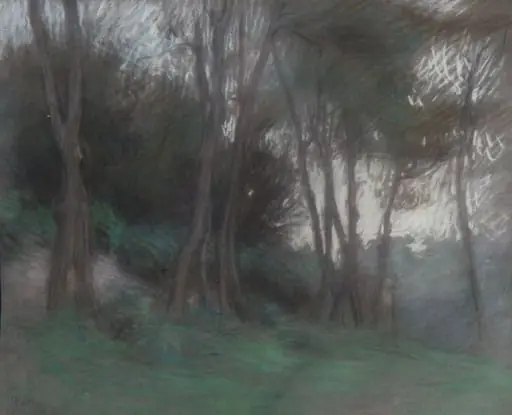
The Woods, Winter
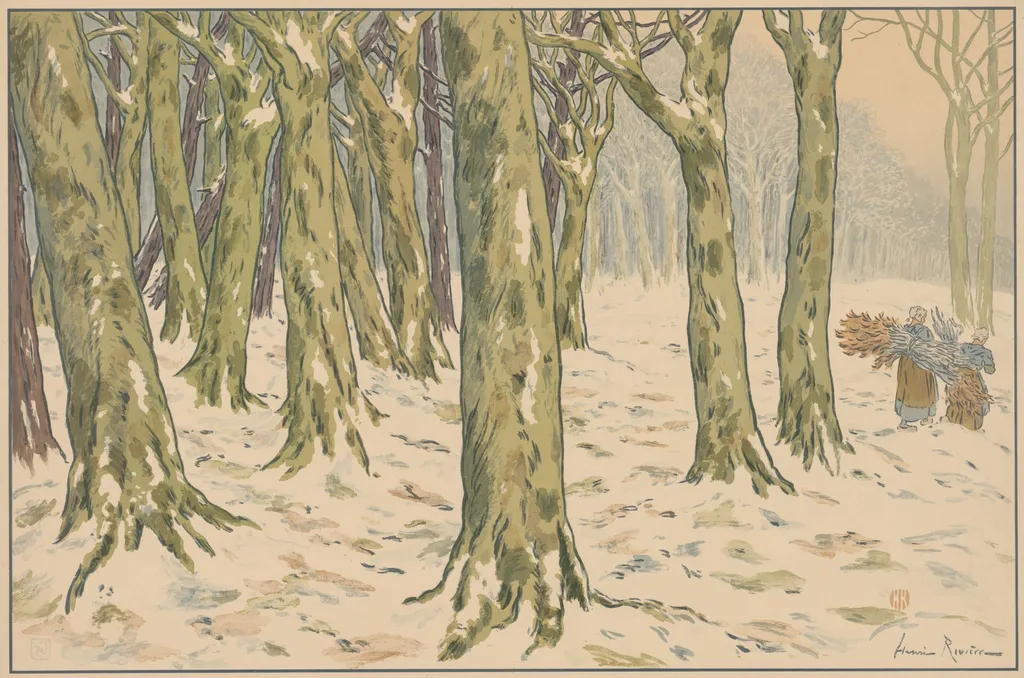
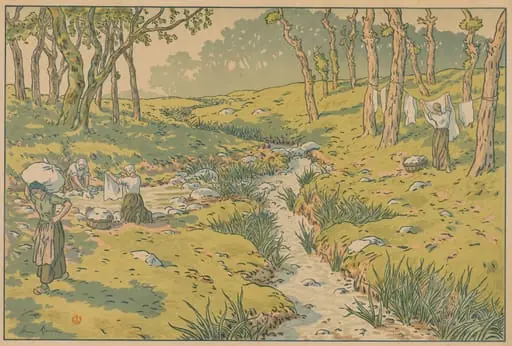
The Woods, Winter is a print by the Impressionist artist Henri Rivière. It dates from 1898 and is held in the collection of the Cleveland Museum of Art.
About this work
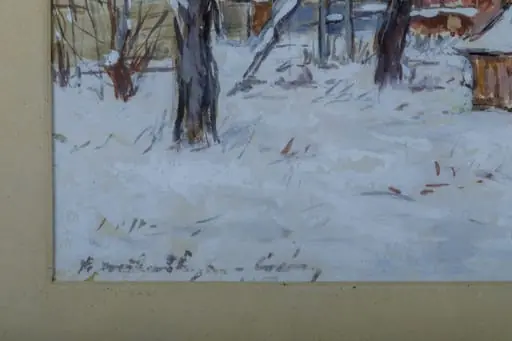
This painting shows a quiet winter scene. Snow blankets the ground. Bare trees stretch up. A small path cuts through the woods.
Rivière made 12 prints for walls, not books. He wanted nature in homes and schools. Thick layers of ink give the trees a rough, real look.
His prints feel like photographs. Check out Henri Rivière (French, 1864–1951) next.
Overview
Unlike traditional prints meant for albums, these were designed as wall decorations, intended for domestic and educational spaces.
Henri Rivière created a series of twelve large color lithographs between 1896 and 1897 titled Aspects of Nature. Unlike traditional prints meant for albums, these were designed as wall decorations, intended for domestic and educational spaces. Rivière aimed to bring the quiet presence of the natural world into everyday environments, shifting lithography from a reproductive medium to one of atmospheric interior design.
Subject & Meaning
The series depicts seasonal landscapes, with The Woods, Winter capturing a still, snow-covered forest. Bare trees rise against a muted sky, and a narrow path winds through the underbrush, suggesting quiet solitude. Rivière sought to evoke a contemplative connection with nature, encouraging viewers—especially children—to find wonder in ordinary seasonal changes, not through narrative, but through mood and composition.
Technique & Style
Rivière employed thick, layered ink applications to create textured surfaces that mimic the roughness of bark and the weight of snow. His use of muted tones and subtle gradations gives the prints a photographic stillness, though they are hand-printed lithographs. The absence of sharp detail enhances their atmospheric quality, emphasizing tone and form over precision, aligning with Symbolist sensibilities of the time.
History & Provenance
Produced in 1896, the twelve prints were part of a deliberate effort to elevate lithography as a fine art medium for interior display. Rivière collaborated with printers to achieve rich color and depth, a novelty in France at the time. The series was exhibited and distributed through art dealers, gaining attention for its innovative scale and purpose, distinct from book illustrations or commercial prints.
Context
In late 19th-century France, there was a growing interest in bringing art into homes and schools as part of broader cultural reforms. Rivière’s work aligned with movements promoting aesthetic education and the integration of nature into daily life. His prints responded to both artistic trends and pedagogical ideals, positioning art as a quiet, everyday companion rather than a distant object of reverence.
Legacy
Rivière’s Aspects of Nature series influenced later efforts to use printmaking for environmental education and interior decoration. His approach demonstrated that lithography could convey emotional depth and natural realism without relying on photographic reproduction. While not widely known today, his work remains a significant example of how art was reimagined for public and domestic spaces at the turn of the century.
Artist & collection
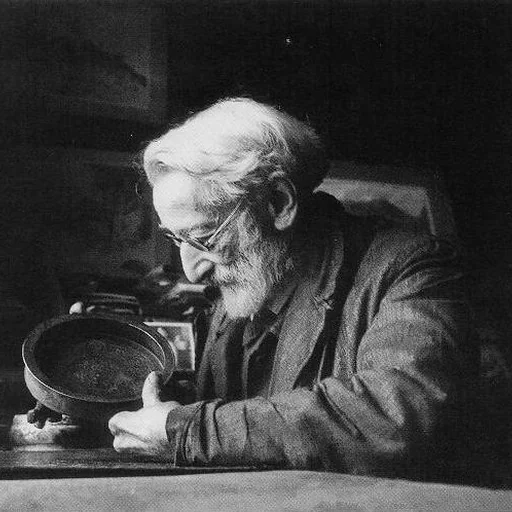
Artist
Henri Rivière (March 11, 1864 – August 24, 1951) was a French artist and designer best known for his creation of a form of shadow play at the Chat Noir cabaret, and for his post-Impressionist illustrations of Breton landscapes and the…

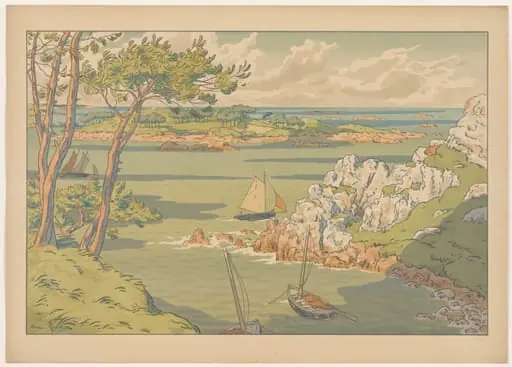 Aspects of Nature: The Island
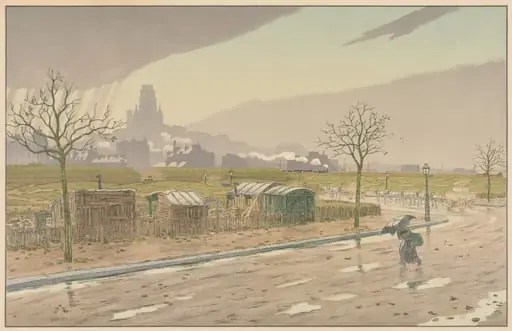 Parisian Landscapes: The Fortifications
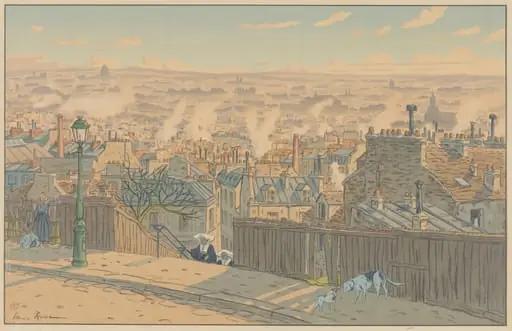 Parisian Landscapes: Paris seen from Montmartre
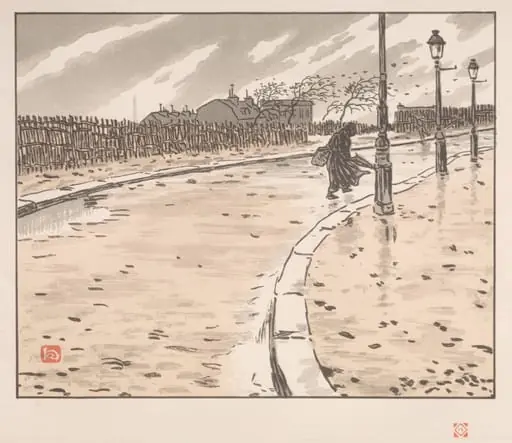 Thirty-Six Views of the Eiffel Tower: From Lamarck Street
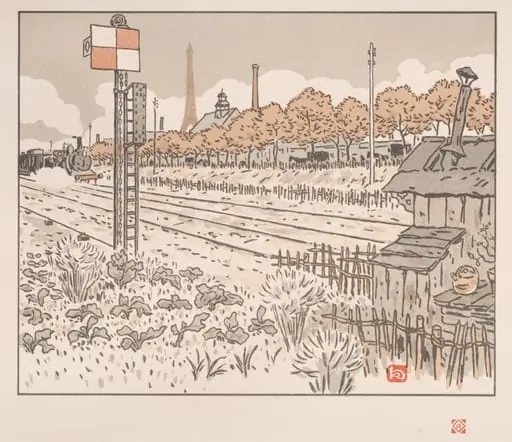 Thirty-Six Views of the Eiffel Tower: From the Quai de Javel (Switchman's Shanty)
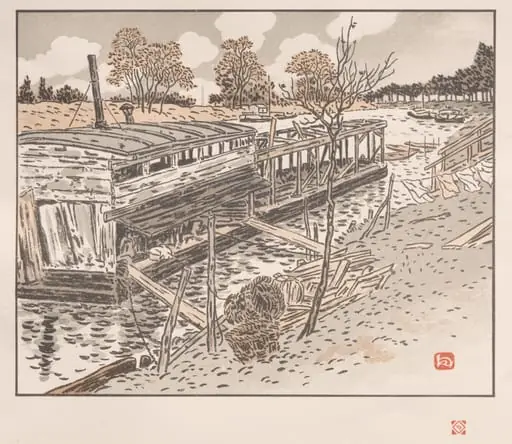 From Bas-Meudon, Old Lavoir
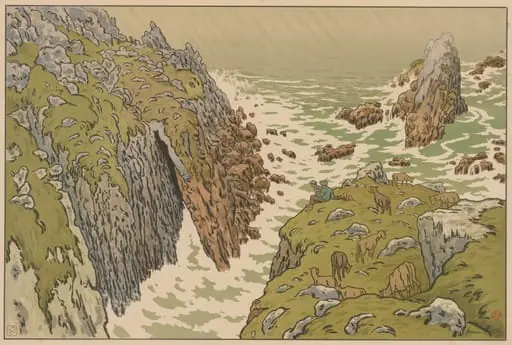 Aspects of Nature: The Cliff
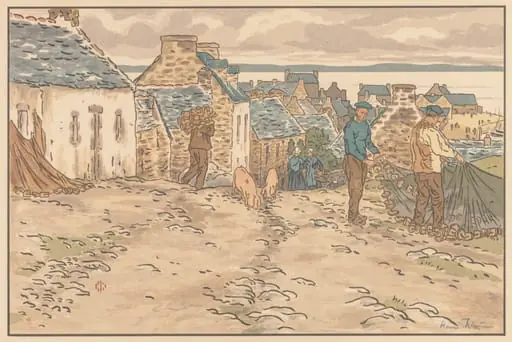 The Beautiful Countryside in Brittany: Street in Tréboul