Artwork
Childhood
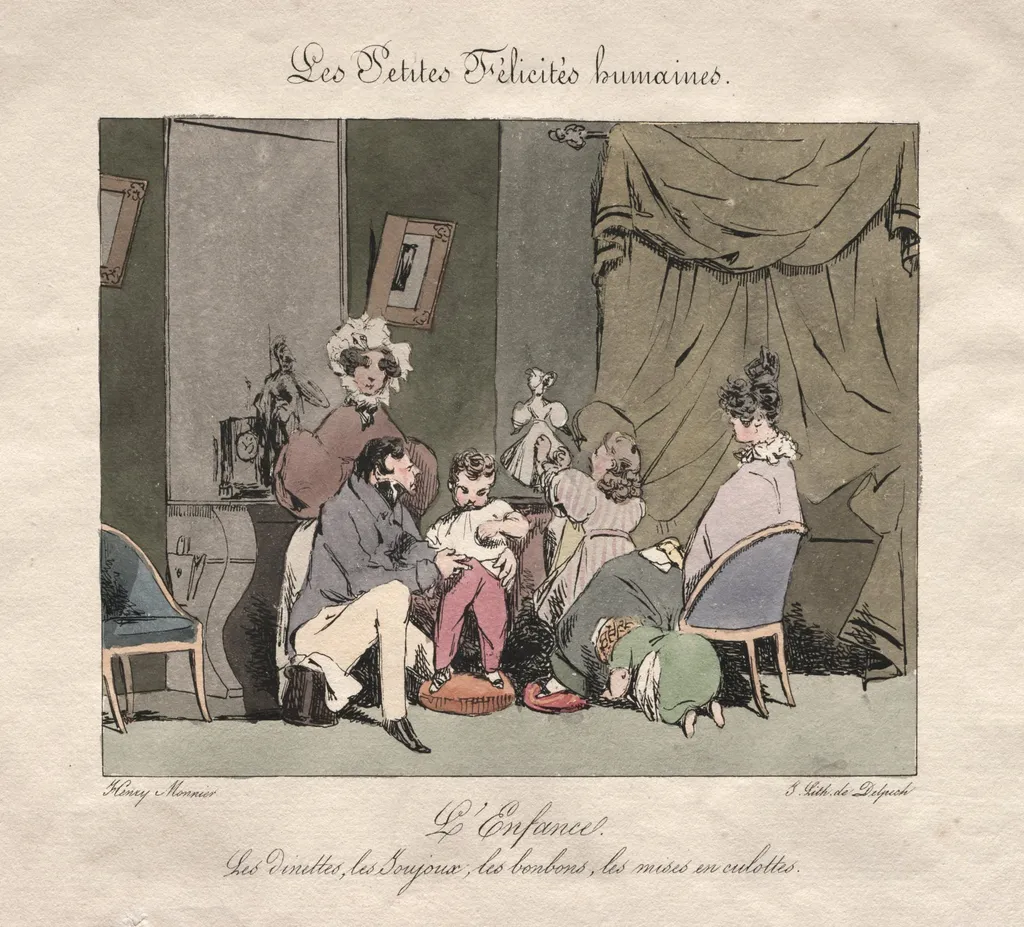
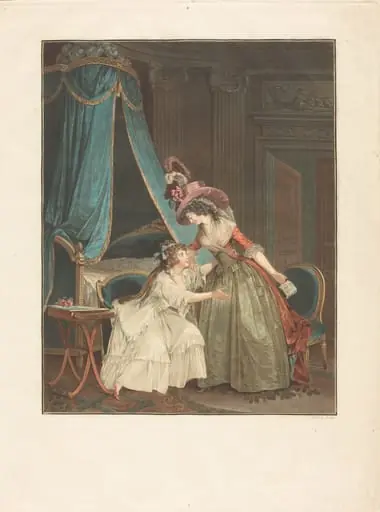
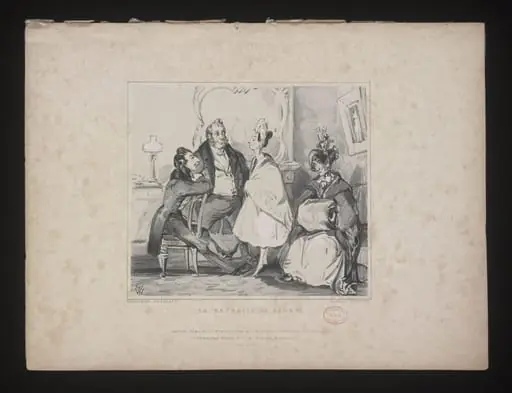
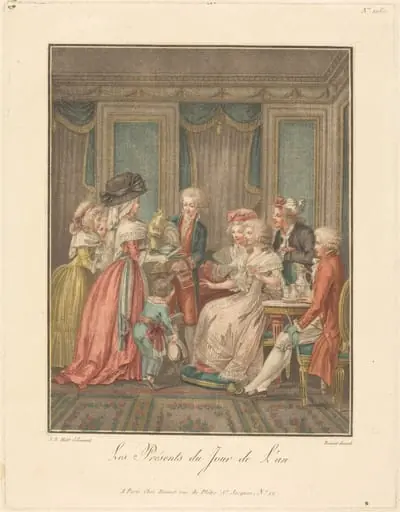
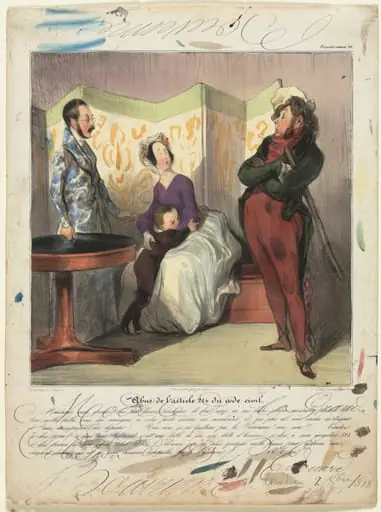
Childhood is a print by the Romanticist artist Henry Bonaventure Monnier. It dates from 1804 and is held in the collection of the Cleveland Museum of Art.
About this work
Overview
Created around 1804 by Henry Bonaventure Monnier, this ink drawing captures an intimate domestic scene. Executed with fluid, spontaneous lines, it depicts a modest interior filled with figures engaged in quiet, everyday activities. The work is part of the collection at The Cleveland Museum of Art, where it is valued for its unidealized portrayal of private life during the early 19th century.
Subject & Meaning
The title 'Childhood' directs attention to the children playing on the floor with a dog, yet the scene encompasses multiple generations. Adults converse, read, or stand near a piano, suggesting a household in routine motion. The composition avoids narrative drama, instead emphasizing the ordinary rhythms of family life, with children as one element within a broader social fabric.
Technique & Style
Monnier employed loose, rapid ink strokes to convey movement and texture, avoiding fine detail in favor of expressive suggestion. The sketchlike quality lends immediacy, as if the scene were observed in passing. Background elements like framed pictures and curtains are minimally rendered, reinforcing the focus on human interaction rather than architectural precision.
History & Provenance
The drawing entered The Cleveland Museum of Art’s collection through documented acquisition, though its early ownership history remains unclear. It reflects Monnier’s interest in documenting bourgeois domesticity during a period when such subjects were gaining artistic attention. No evidence suggests it was widely exhibited or reproduced in its time.
Context
Emerging in the early 1800s, this work aligns with a broader European shift toward observing everyday life, preceding the full rise of Realism. While Romanticism emphasized emotion and nature, Monnier’s focus on interior scenes offered a quieter counterpoint—valuing the unremarkable moments of home life over grand historical or mythological themes.
Legacy
Though Monnier is not widely known today, this drawing contributes to the understanding of how 19th-century artists began to elevate domestic scenes as worthy subjects. Its informal style and candid composition foreshadow later developments in genre painting, particularly in France, where observation of ordinary life became central to artistic practice.
Artist & collection