Artwork
A hurricane at South Kensington
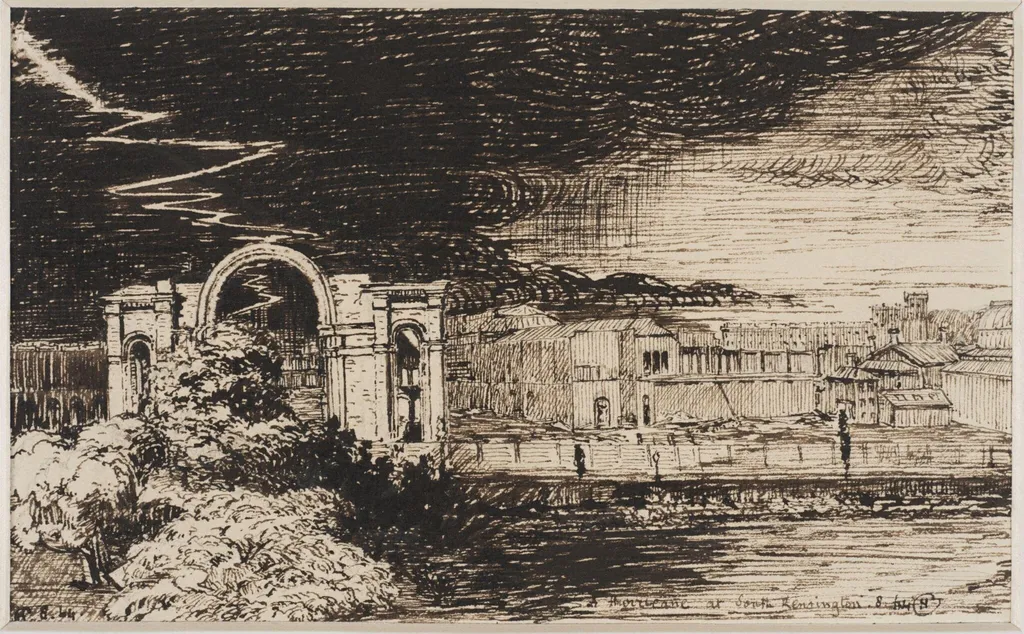
A hurricane at South Kensington is a drawing by the Impressionist artist Henry Cole. It dates from 1864 and is held in the collection of the Victoria and Albert Museum.
About this work
Overview
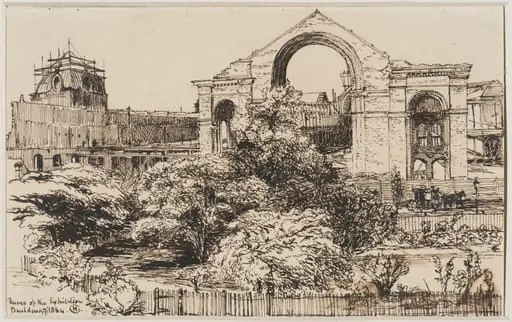
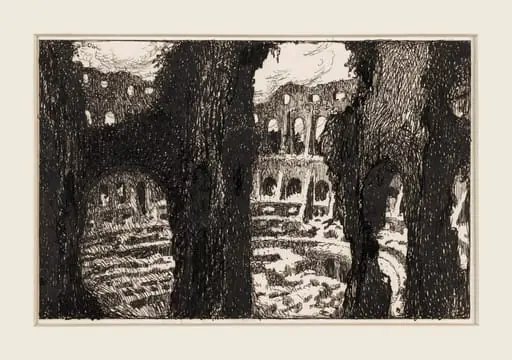
This 1864 pen-and-ink drawing by Henry Cole captures the nave arch of the 1862 International Exhibition building in South Kensington during a violent storm.
This 1864 pen-and-ink drawing by Henry Cole captures the nave arch of the 1862 International Exhibition building in South Kensington during a violent storm. Executed with fine, dense linework, the piece conveys turbulence through its dynamic composition. Cole’s monogram H.C. appears in the lower corner, affirming authorship. The work belongs to a tradition of observational sketches that documented architectural spaces under atmospheric stress, blending topographical accuracy with expressive energy.
Subject & Meaning
The drawing centers on the monumental arch of a temporary exhibition hall, framed by a violent sky and churning ground. The structure, though solid, appears dwarfed by the elemental forces surrounding it. The storm may symbolize the fragility of human achievement against nature’s unpredictability, or reflect contemporary anxieties about rapid industrialization and the impermanence of grand civic projects. The scene resists clear narrative, instead evoking a mood of transient grandeur.
Technique & Style
Cole employs intricate cross-hatching and fine parallel lines to model shadow and texture, creating a sense of depth and motion. The sky is rendered with agitated, overlapping strokes that suggest wind and rain, while the ground is defined by irregular, broken lines evoking debris and mud. The architectural form is delineated with precision, contrasting with the chaotic environment. This method reflects mid-Victorian draftsmanship, where meticulous line work conveyed both detail and emotional intensity.
History & Provenance
Created in 1864, the drawing responds to the dismantling of the 1862 International Exhibition building, which had stood in South Kensington as a symbol of progress. Cole, a key figure in Britain’s cultural administration, likely recorded the scene as the structure decayed. The work remained in private hands until its acquisition by a public collection, where it now serves as a visual record of a lost architectural landmark and its final, storm-wracked days.
Context
The drawing emerges from a period when Britain was redefining its cultural infrastructure after the Great Exhibition of 1851. South Kensington was being transformed into a hub for education and the arts. Cole’s sketch captures a transitional moment: the temporary exhibition hall, once a beacon of international display, now stands abandoned and battered. The storm may mirror broader societal shifts — the fading of early Victorian optimism amid growing industrial and urban pressures.
Legacy
Though not widely exhibited, the drawing endures as a quiet testament to the ephemeral nature of public monuments. It exemplifies how detailed observational drawing served as both documentation and commentary in the 19th century. Its emphasis on atmospheric disruption over architectural glory offers a counterpoint to celebratory records of the era, preserving a moment of quiet decay that otherwise might have been forgotten.
Own this work as a print
Artist & collection
Artist
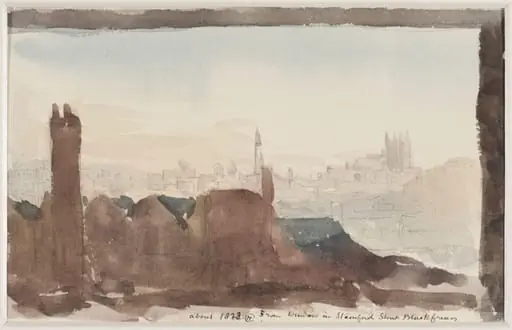
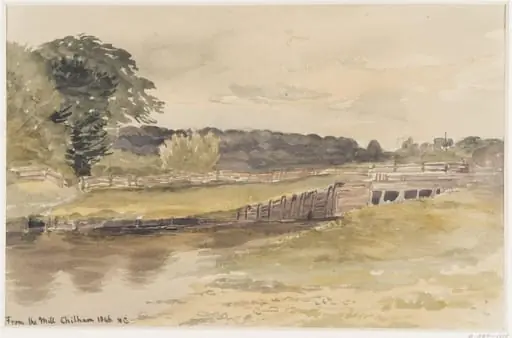
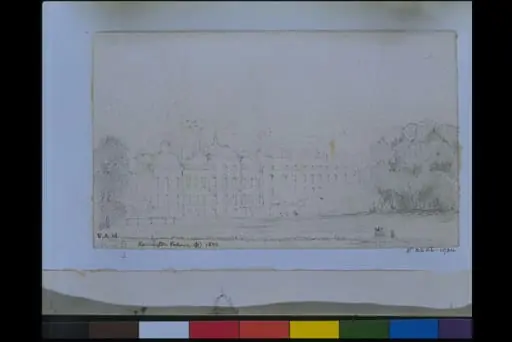
Henry Cole drew what he saw in mid-1800s Britain. Try his pencil sketch *From Window in Stamford Street, Blackfriars* (1828), a quiet city view over rooftops, or *From the Mill, Chilham* (1846), a riverside mill caught…

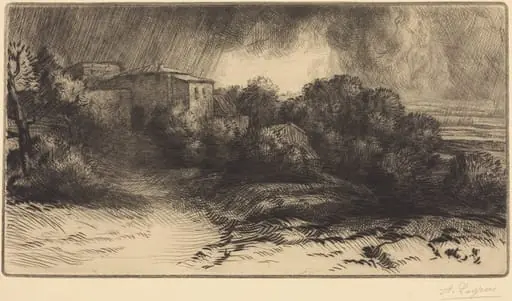 View of a Farm Seen in a Storm (La ferme de Brieux (Effet d'orage))
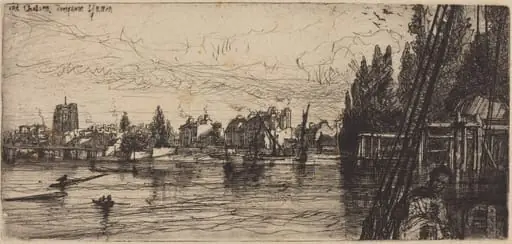 Old Chelsea (Old Chelsea Church)
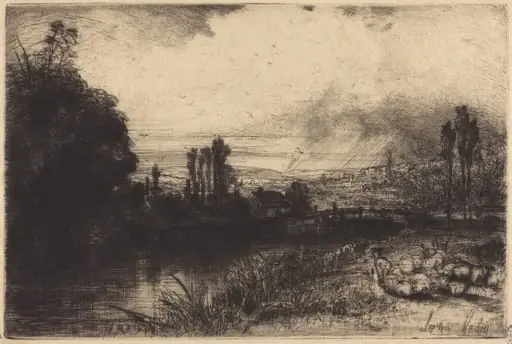 On the Test
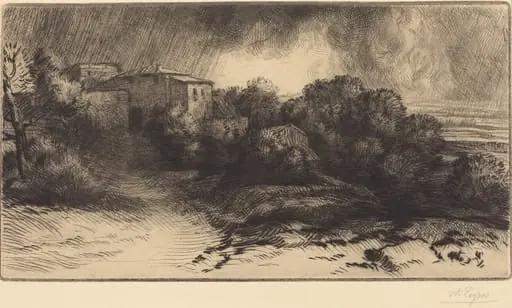 View of a Farm Seen in a Storm (La ferme de Brieux (Effet d'orage))
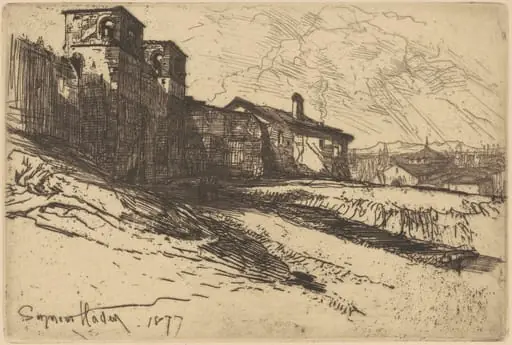 Grim Spain
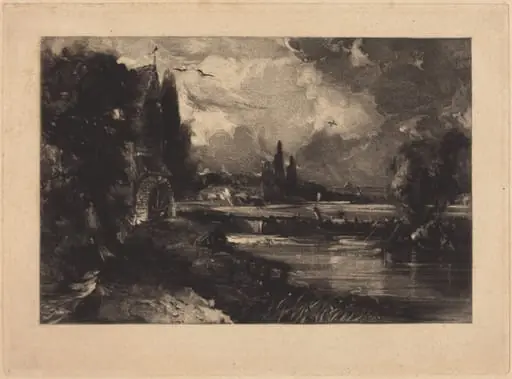 Mill near Colchester
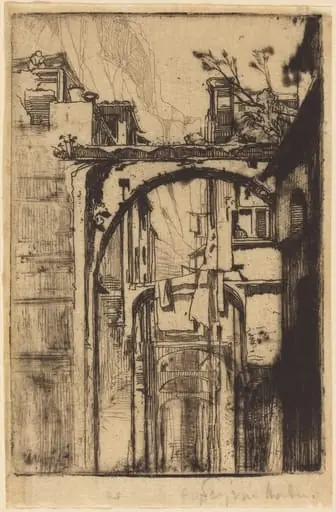 Amalfi
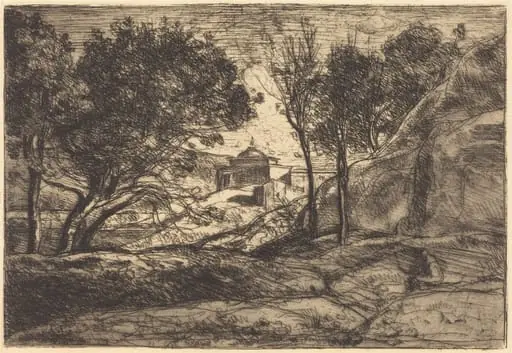 Souvenir of Tuscany (Souvenir de Toscane)
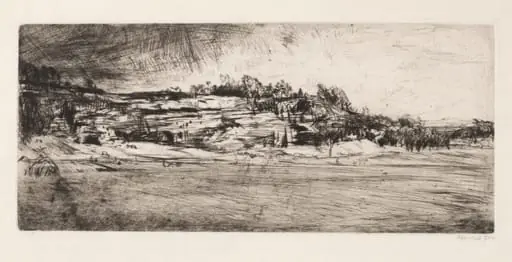 Spring at Cardross
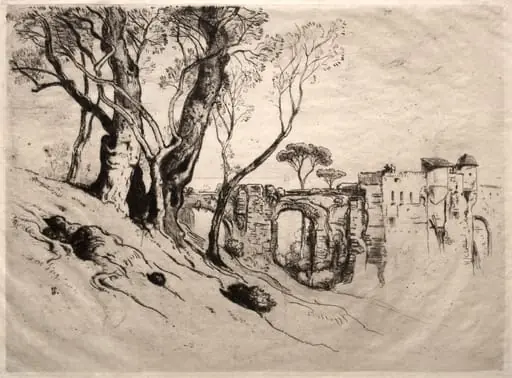 The Olive Trees of the Riviera
 Olive Trees of the Riviera
 The Colosseum, Rome