Artwork
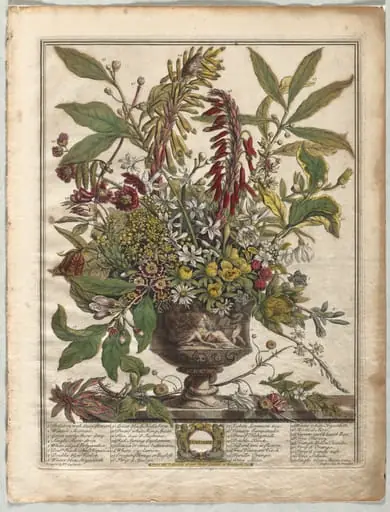
Twelve Months of Flowers: March
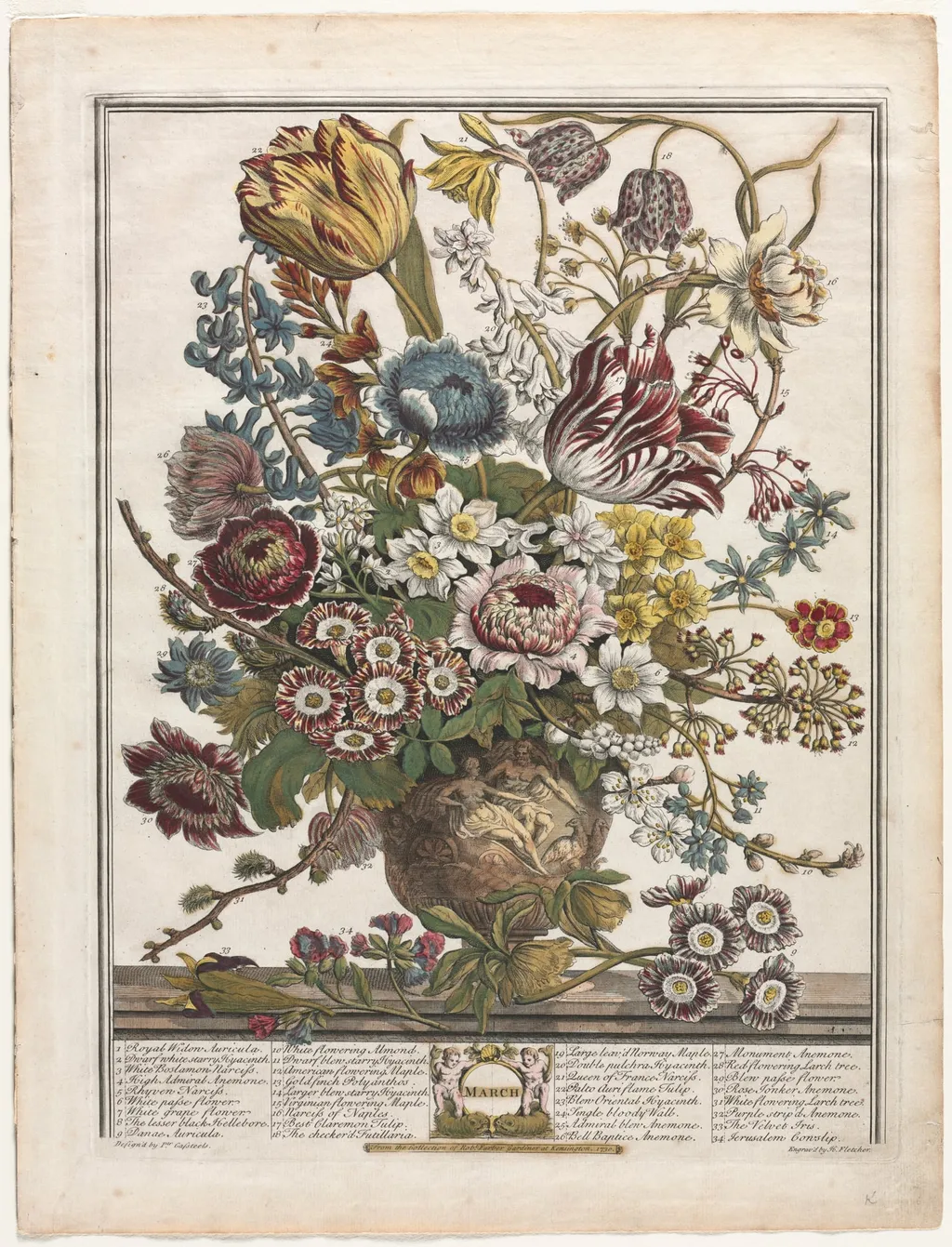
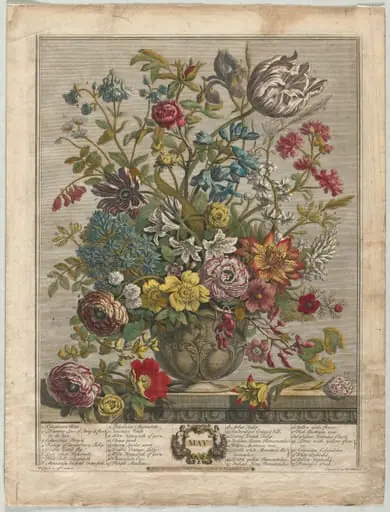
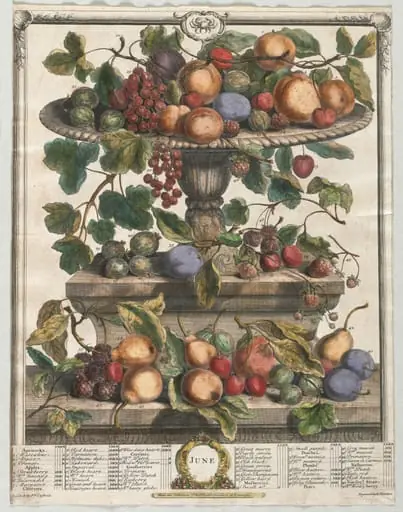
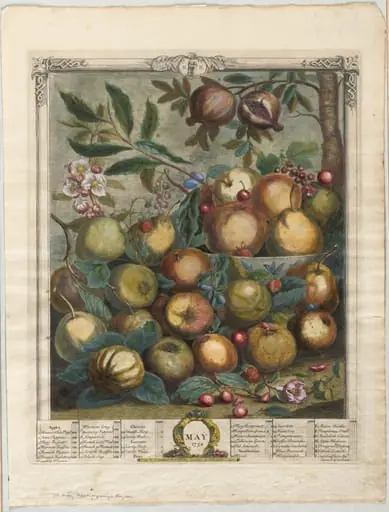
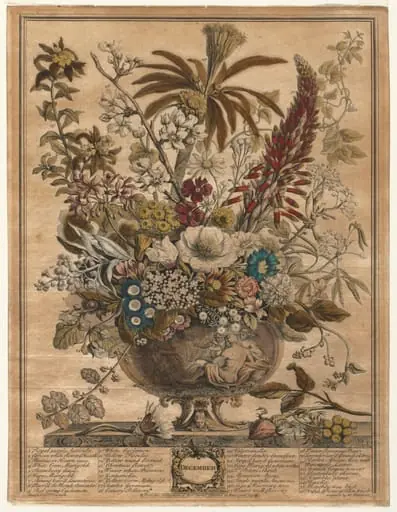
Twelve Months of Flowers: March is a print by the Baroque artist Henry Fletcher. It dates from 1730 and is held in the collection of the Cleveland Museum of Art.
About this work
Overview
Designed as a commercial publication for gardener Robert Furber, each plate corresponds to a month and features flowers in bloom during that time.
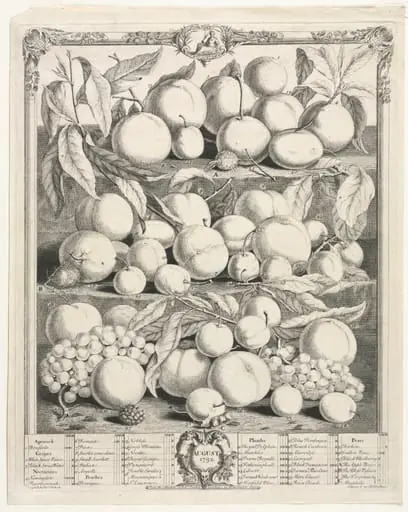
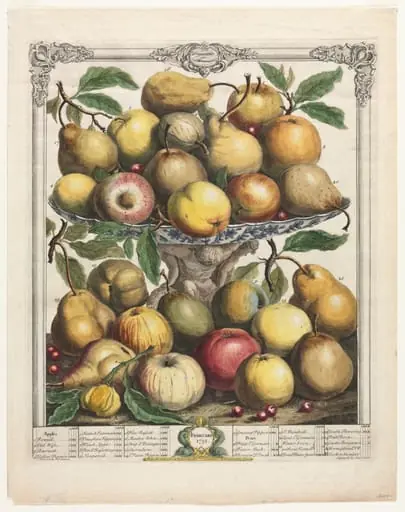
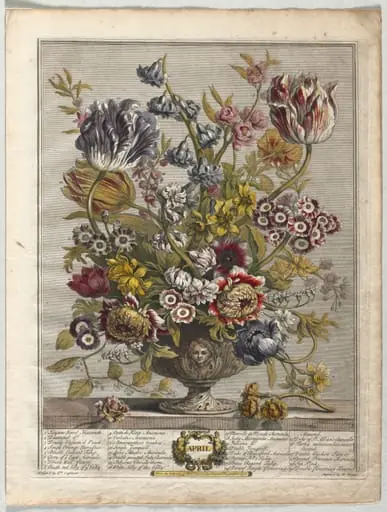
Created in 1730 by English engraver Henry Fletcher, this print is part of a twelve-part series titled *Twelve Months of Flowers*. Designed as a commercial publication for gardener Robert Furber, each plate corresponds to a month and features flowers in bloom during that time. Fletcher translated Pieter Casteels’s original drawings into detailed engravings, catering to an audience interested in both horticulture and visual documentation of plants.
Subject & Meaning
The print depicts a dense arrangement of spring blooms, each labeled with its scientific or common name—such as 'Royal Wildon Auricula' and 'Double Pudchra Hyacinth.' The inclusion of precise nomenclature suggests a purpose beyond aesthetics: to serve as a reference for gardeners and naturalists. The arrangement, though ornamental, functions as a catalog of cultivated species, reflecting the era’s growing enthusiasm for systematic botanical study.
Technique & Style
Fletcher employed fine-line engraving to render individual petals, leaves, and stems with meticulous clarity. The composition is tightly packed, with flowers spilling from a ceramic vessel, creating a sense of abundance. Labels are placed near each bloom, a convention common in scientific illustration of the period. The restrained border and centered title 'MARCH' emphasize function over ornament, aligning the work with the tradition of botanical atlases rather than purely decorative art.
History & Provenance
The print originated from a series commissioned by Robert Furber, a London nurseryman, to promote his horticultural catalog. Fletcher, known for his botanical and avian engravings, was selected for his precision. The series was published in 1730 and circulated among affluent gardeners and collectors. Original impressions are rare today, with surviving copies held in institutional collections focused on the history of science and gardening.
Context
In early 18th-century England, interest in exotic and cultivated plants surged alongside colonial expansion and the rise of private gardens. Botanical illustration became a bridge between science and leisure, with prints like this serving educational and aspirational roles. The labeling of species reflects Enlightenment ideals of classification, while the visual richness appeals to contemporary tastes for detail and order in nature.
Legacy
Fletcher’s plates contributed to the standardization of botanical imagery in printed form, influencing later horticultural publications. Though not widely recognized as fine art, these works preserved knowledge of plant varieties now lost or altered through cultivation. Their legacy lies in their role as transitional objects—blending art, science, and commerce—in the development of modern botanical documentation.
Artist & collection
Artist
Henry Fletcher (fl. 1710–1750), was an English engraver. Fletcher worked in London, and produced engravings possessing some merit. He most excelled as an engraver of flowers, notably The Twelve Months of Flowers and The…