Artwork
Twelve Months of Fruit: June
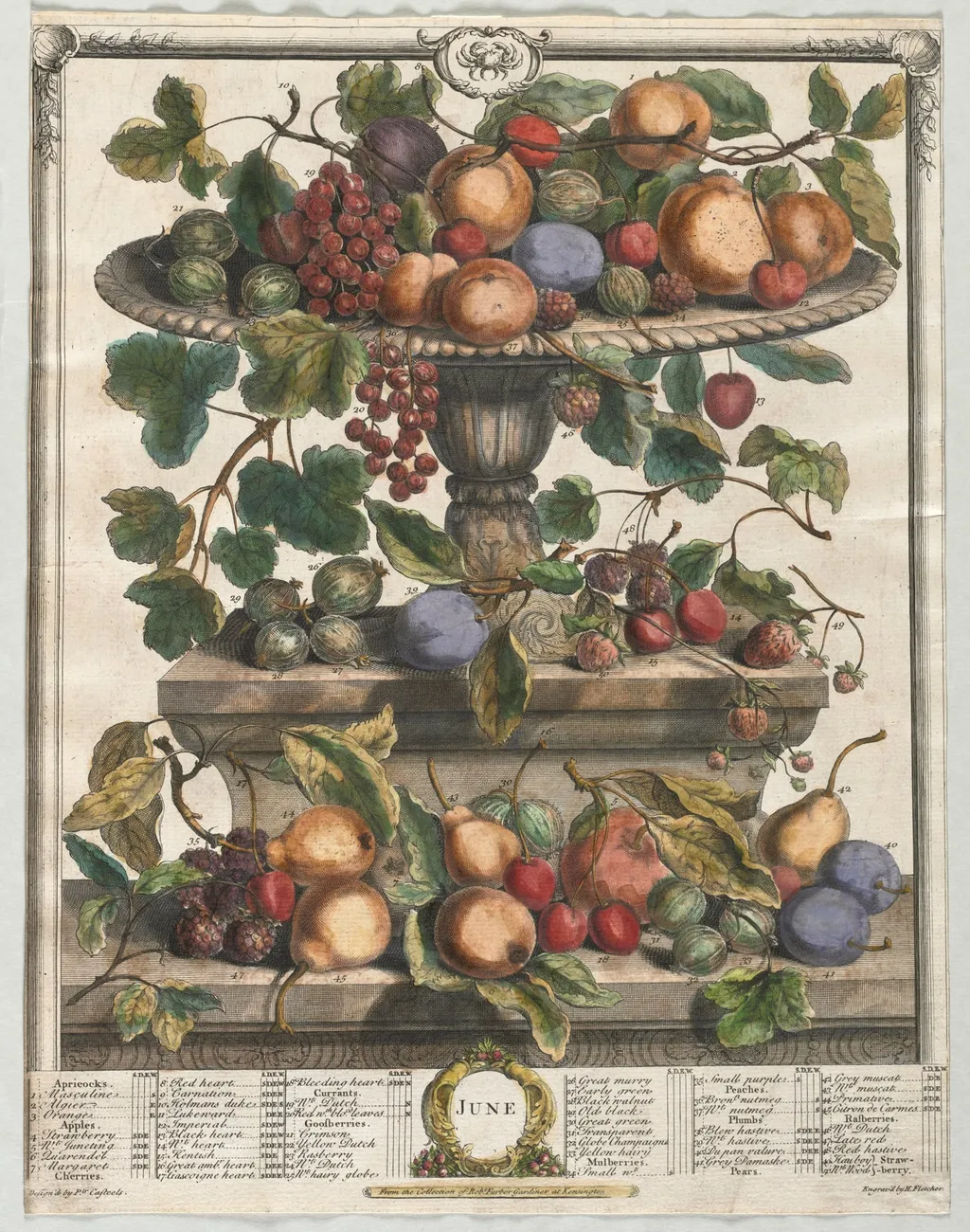
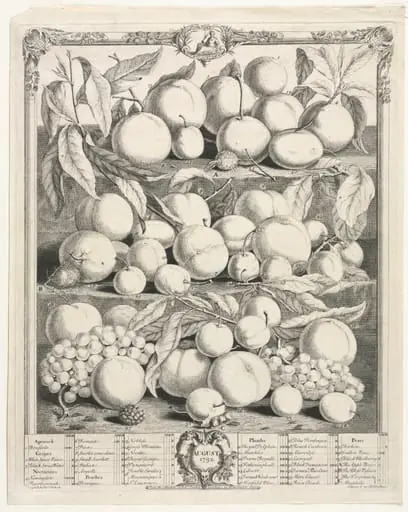
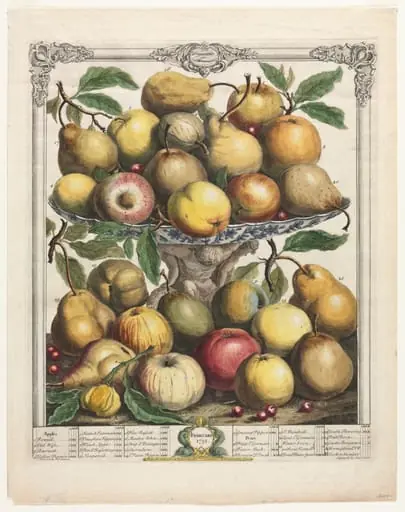
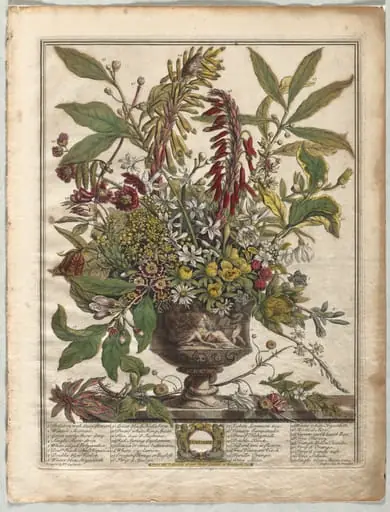
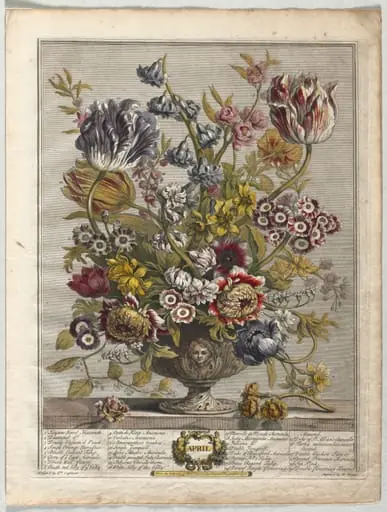
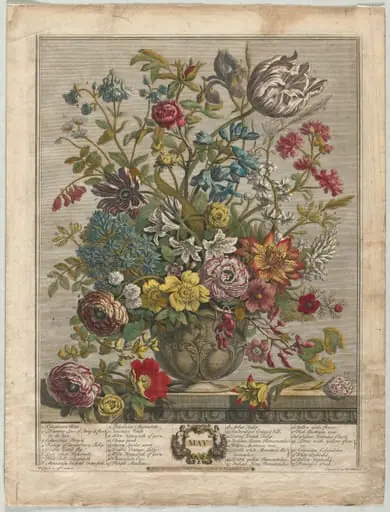
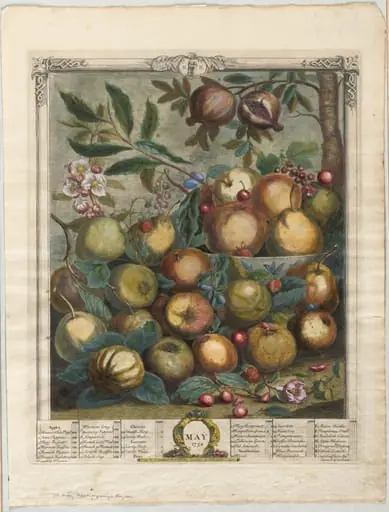
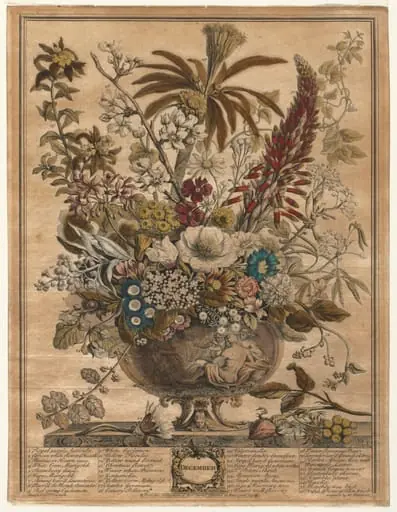
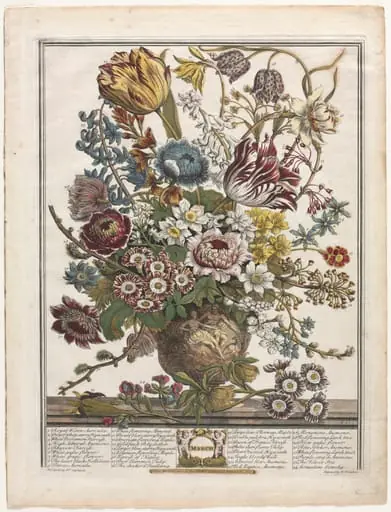
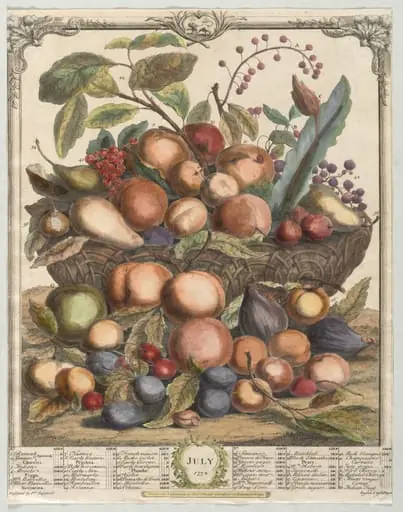
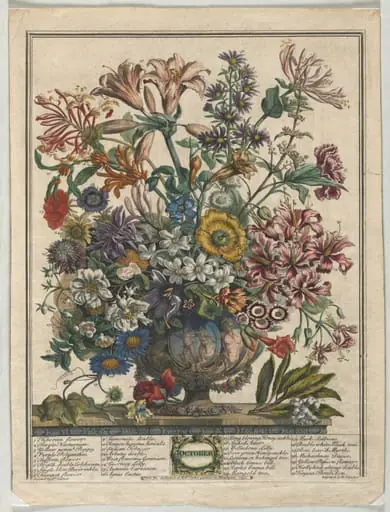
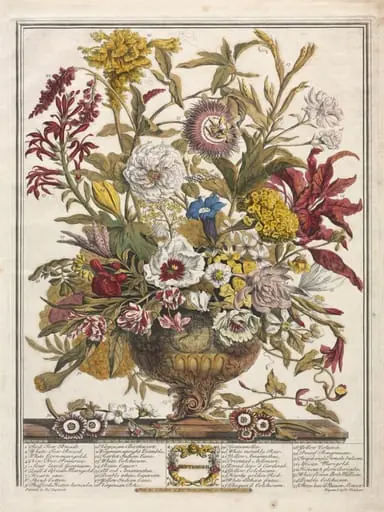
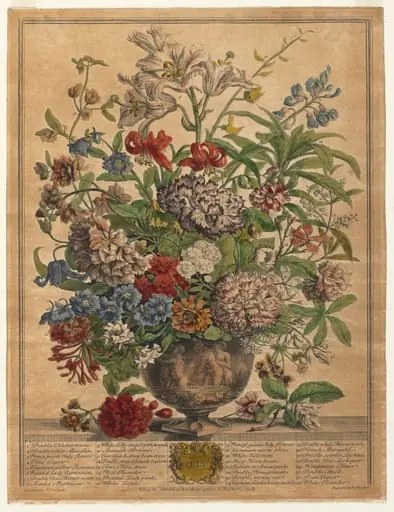
Twelve Months of Fruit: June is a print by the Baroque artist Henry Fletcher. It dates from 1732 and is held in the collection of the Cleveland Museum of Art.
About this work
Overview
Henry Fletcher, an English engraver working in London from 1710 to 1750, created *Twelve Months of Fruit: June* in 1732 as part of a twelve-part series.
Henry Fletcher, an English engraver working in London from 1710 to 1750, created *Twelve Months of Fruit: June* in 1732 as part of a twelve-part series. The prints were made from drawings by Pieter Casteels and published by Robert Furber, a horticulturist interested in documenting seasonal produce. Fletcher’s role was to translate these botanical studies into precise engraved plates for a wider audience.
Subject & Meaning
The print depicts a carefully arranged collection of summer fruits, likely gathered from English orchards and gardens. Each fruit is rendered with attention to ripeness and texture, emphasizing their seasonal availability. The composition serves not as decorative ornament but as a catalog of cultivated abundance, aligning with 18th-century interests in agricultural observation and natural order.
Technique & Style
Fletcher employed fine-line engraving to capture the subtle contours and surface details of each fruit, from the bloom on grapes to the dimpled skin of peaches. The background is minimal, focusing attention on the arrangement. His technique reflects the precision valued in botanical illustration of the period, blending scientific clarity with aesthetic restraint.
History & Provenance
The series was commissioned by Robert Furber as part of a commercial publication aimed at gardeners and the affluent middle class. Published in 1732, it was among the earliest illustrated guides to seasonal fruit cultivation in England. Fletcher’s engravings were widely distributed, contributing to the popularization of horticultural knowledge through print.
Context
During the early 18th century, England saw growing public interest in gardening and natural history. Botanical illustration flourished alongside the expansion of domestic estates and the rise of amateur horticulture. Fletcher’s work fits within this trend, offering accessible visual records of cultivated plants that mirrored both scientific curiosity and social aspiration.
Legacy
Fletcher’s engravings helped standardize the visual representation of fruit in printed horticultural texts. While not widely known today, his collaboration with Casteels and Furber established a model for combining artistic skill with botanical accuracy. The series remains a documented example of how print technology extended the reach of gardening knowledge beyond elite circles.
Artist & collection
Artist
Henry Fletcher (fl. 1710–1750), was an English engraver. Fletcher worked in London, and produced engravings possessing some merit. He most excelled as an engraver of flowers, notably The Twelve Months of Flowers and The…