Artwork
Twelve Months of Fruit: August
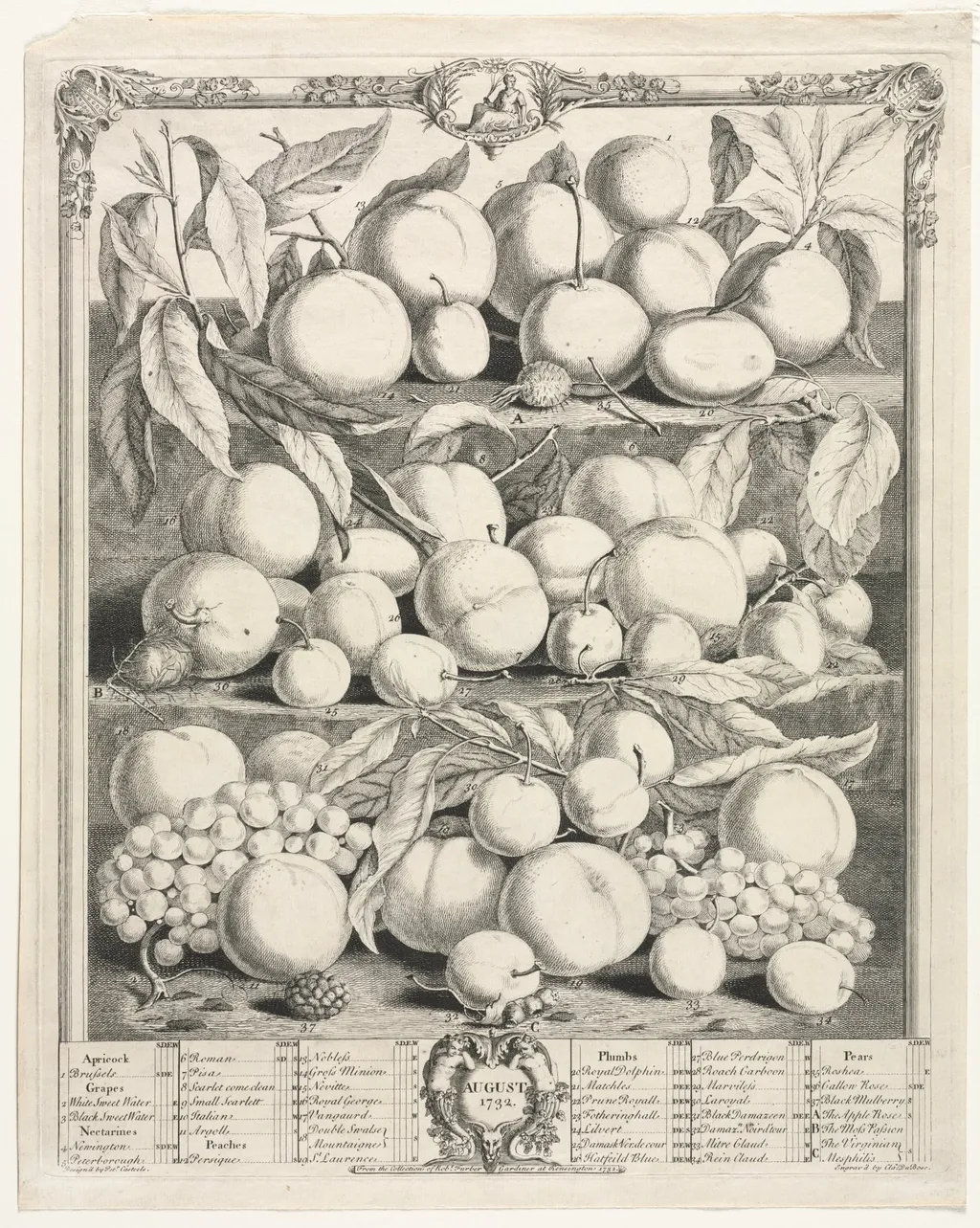
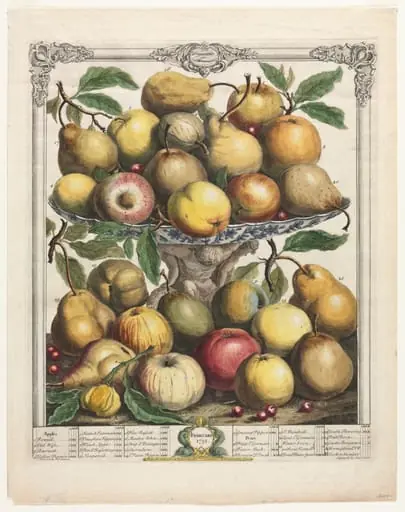
Twelve Months of Fruit: August is a print by the Baroque artist Henry Fletcher. It dates from 1732 and is held in the collection of the Cleveland Museum of Art.
About this work
Overview
Designed as a commercial catalog, Furber’s work organized produce by seasonal ripening, serving both horticultural and aesthetic purposes.
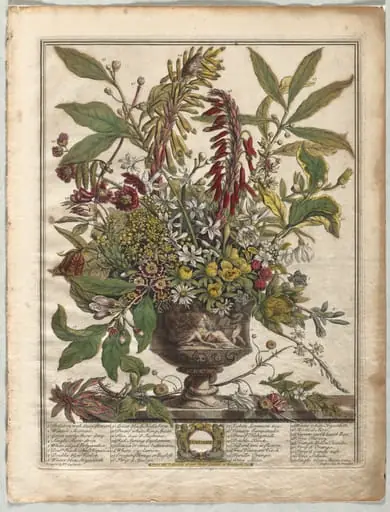
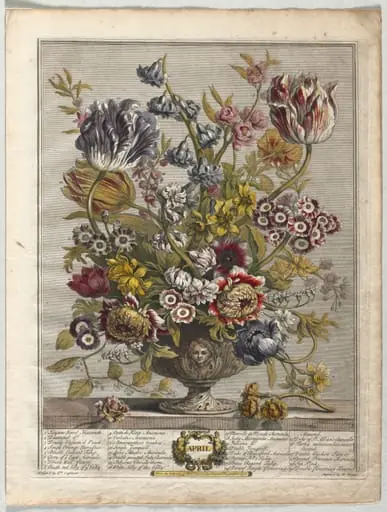
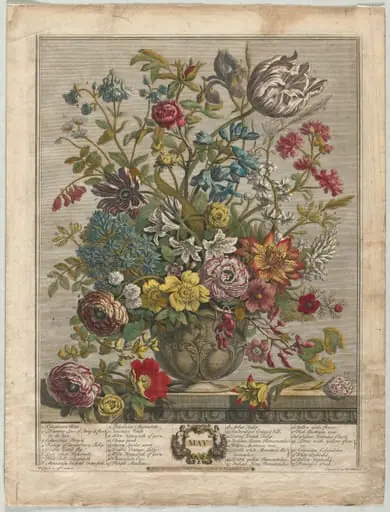
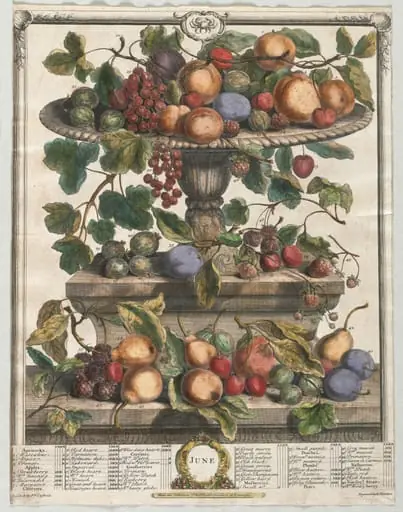
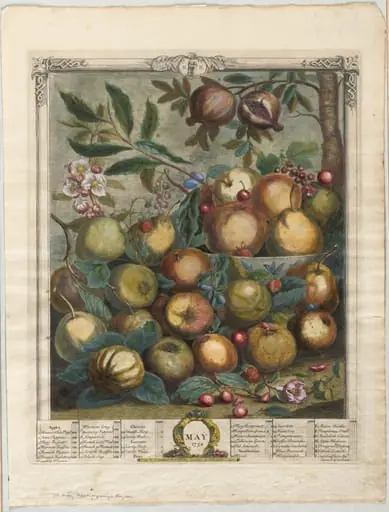
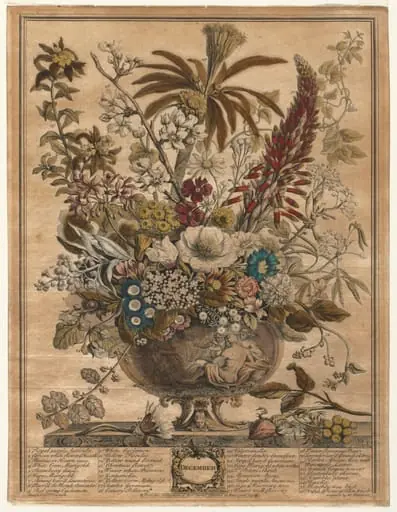
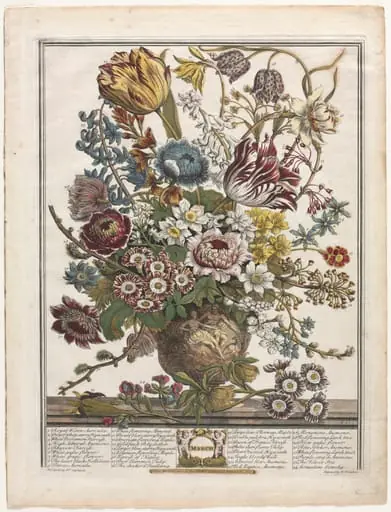
This print depicts a still life of fruits associated with the month of August, following a format popularized by Robert Furber’s 1732 publication Twelve Months of Fruit. Designed as a commercial catalog, Furber’s work organized produce by seasonal ripening, serving both horticultural and aesthetic purposes. The image reflects the growing European interest in cultivated plants, including those newly introduced from the American colonies.
Subject & Meaning
The arrangement highlights fruits typically harvested in August, such as peaches, plums, grapes, and figs, emphasizing their abundance and ripeness. Beyond mere display, the composition suggests the order and predictability of nature, aligning with Enlightenment ideals of classification. It also subtly promotes the availability of exotic and colonial flora to English gardeners and consumers.
Technique & Style
Rendered in fine line engraving with delicate shading, the image captures the texture and form of each fruit with precision. The fruits are arranged in loose, naturalistic clusters, avoiding rigid symmetry, which lends a sense of organic abundance. The background remains unadorned, directing focus entirely to the specimens, a hallmark of botanical illustration intended for identification and commerce.
History & Provenance
The print derives from Robert Furber’s 1732 catalog, one of England’s earliest illustrated horticultural sales guides. Furber, a prominent London nurseryman, commissioned artists to document plants available through his business. Copies of his publications circulated among gardeners and aristocrats, establishing a model for later botanical atlases and influencing the visual language of fruit and flower imagery in 18th-century Europe.
Context
In the early 1700s, Britain’s expanding colonial networks introduced new plant species to European gardens. Furber’s catalogs capitalized on this trend, offering visual guides to exotic flora like American grapes and persimmons. The popularity of such works reflected a broader cultural fascination with natural history, botany, and the domestication of foreign plants as symbols of refinement and global connection.
Legacy
Furber’s Twelve Months of Fruit helped standardize the visual representation of seasonal produce in print, influencing subsequent botanical publications and still-life traditions. Its blend of scientific accuracy and commercial intent laid groundwork for later horticultural manuals. The format’s emphasis on seasonal cycles also reinforced a structured, orderly view of nature that resonated with 18th-century intellectual currents.
Artist & collection
Artist
Henry Fletcher (fl. 1710–1750), was an English engraver. Fletcher worked in London, and produced engravings possessing some merit. He most excelled as an engraver of flowers, notably The Twelve Months of Flowers and The…