Artwork
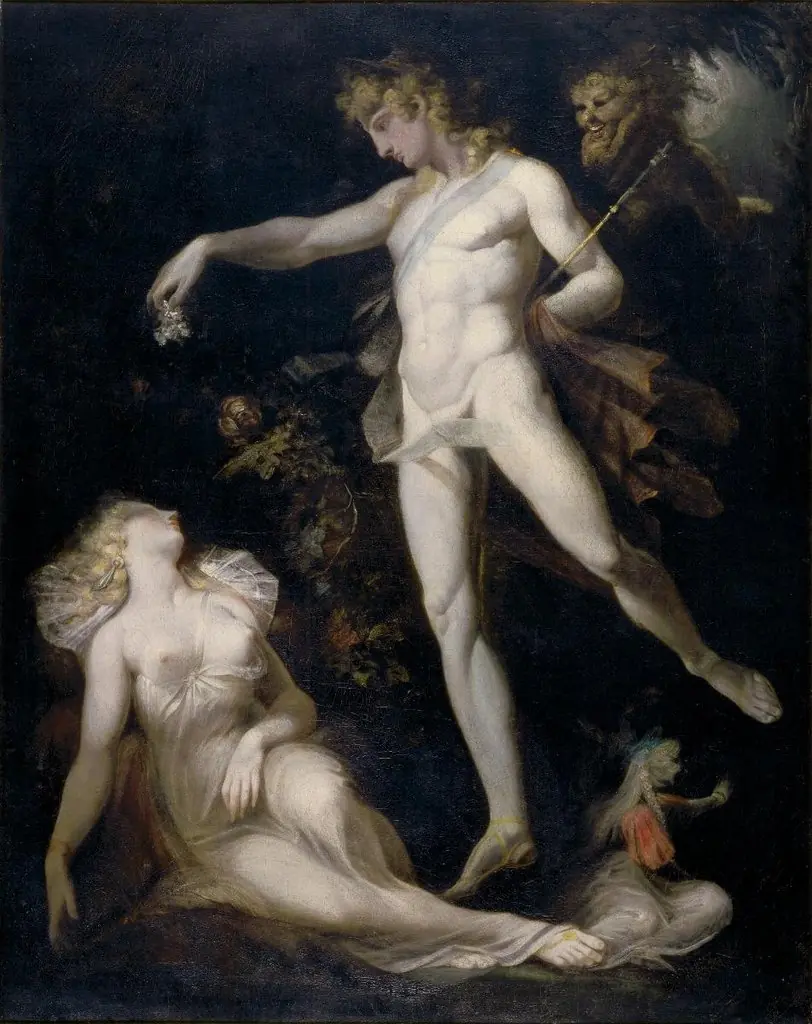
Satan über dem feurigen See, Beelzebub zu sich aufrufend
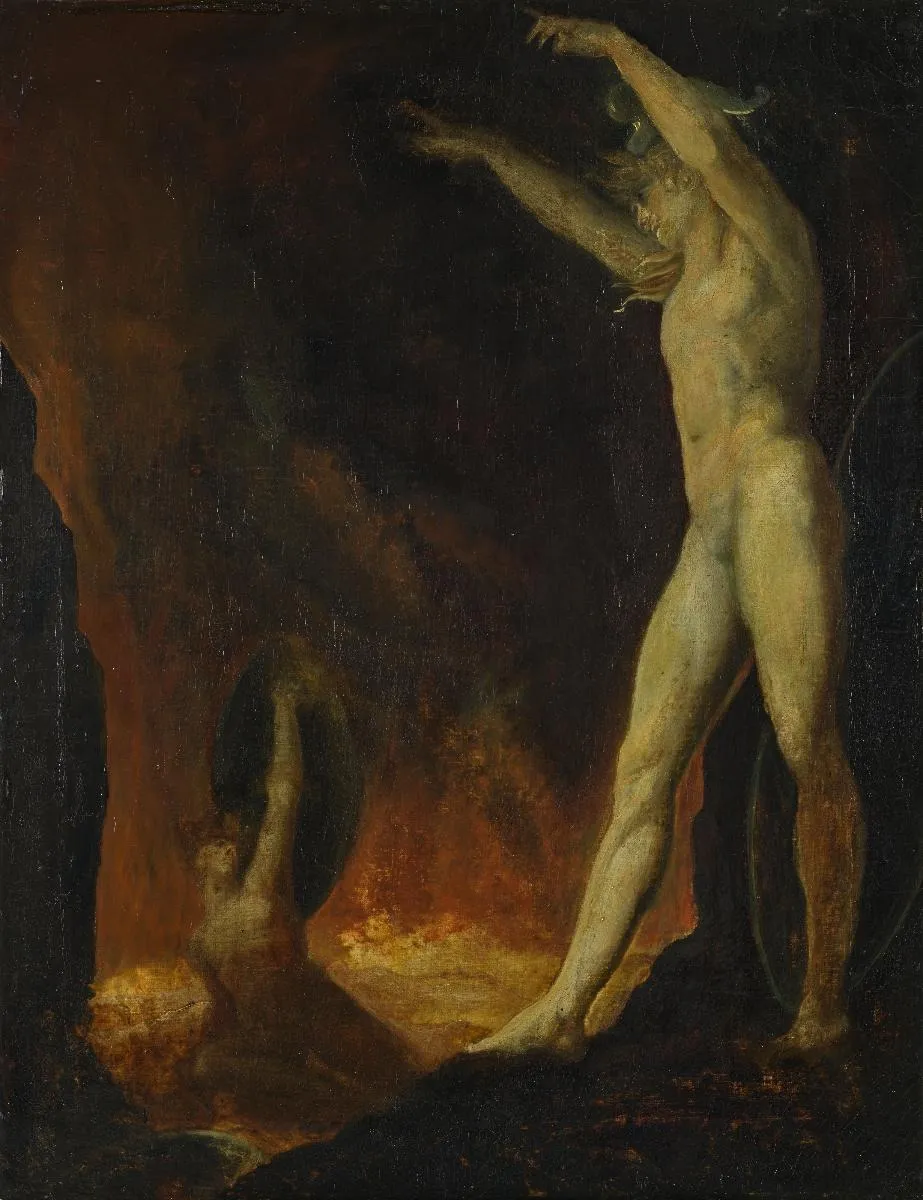
Satan über dem feurigen See, Beelzebub zu sich aufrufend is an oil painting by the British Romanticist artist Henry Fuseli. It dates from 1802 and is held in the collection of the Kunsthaus Zürich.
About this work
Overview
Painted in 1802 by Henry Fuseli, this oil work portrays a mythological confrontation between two infernal figures. The scene unfolds against a deep, shadowed backdrop, with intense flame lighting the central forms. The painting is part of the collection at Kunsthaus Zürich, where it remains a notable example of Fuseli’s engagement with supernatural themes through dramatic visual contrast.
Subject & Meaning
The painting illustrates Satan summoning Beelzebub from a fiery abyss, drawing on Christian and Miltonic depictions of fallen angels. The raised arms of the standing figure suggest invocation, while the emerging form from the flames implies a reluctant or tormented ascent. The nudity emphasizes their stripped, primal nature—beyond earthly morality, bound to eternal conflict.
Technique & Style
Fuseli employs chiaroscuro to heighten emotional tension, contrasting the warm glow of the fire with the cold, receding darkness. The figures are rendered with elongated, muscular forms typical of his style, enhancing their otherworldly presence. Brushwork is deliberate but not overly detailed, prioritizing mood over realism, with the flames acting as both light source and symbolic force.
History & Provenance
Created during Fuseli’s later years in London, the painting entered the Kunsthaus Zürich collection in the 19th century. Its acquisition reflects European interest in Romantic-era interpretations of biblical and literary demons. No significant alterations or restorations are documented, preserving the original tonal balance and compositional intensity as intended by the artist.
Context
Fuseli’s work emerged amid a broader Romantic fascination with the sublime, the occult, and psychological extremes. His depictions of hellish scenes responded to literary sources like Paradise Lost and contemporary theatrical spectacles. This painting aligns with his recurring interest in the human form under duress, exploring fear, power, and transcendence beyond the physical realm.
Legacy
Though less widely known than some of Fuseli’s other works, this painting exemplifies his distinctive fusion of Gothic drama and classical anatomy. It influenced later Symbolist artists drawn to mythic and psychological themes. Its presence in a major Swiss institution ensures continued scholarly attention to his treatment of darkness as both visual and moral force.
Artist & collection
Artist
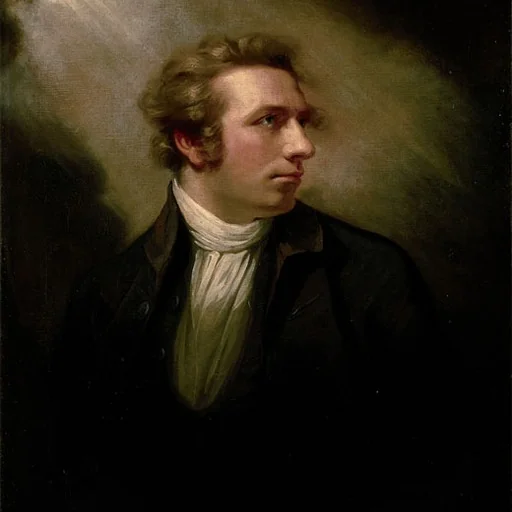
Henry Fuseli was a Swiss painter, draughtsman, and writer on art who spent much of his career in Britain.

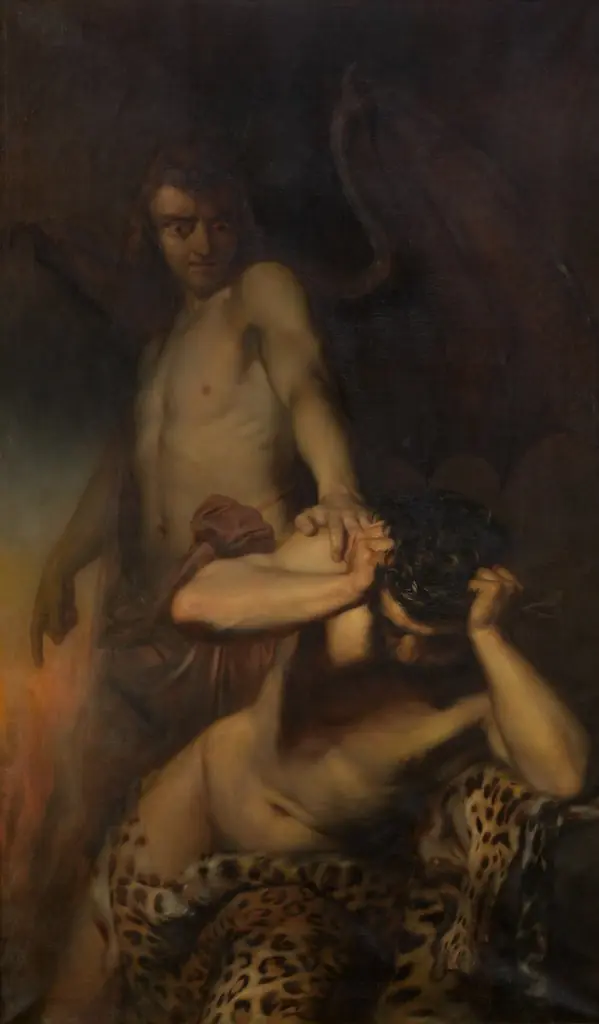 Cain in the Spell of Satan
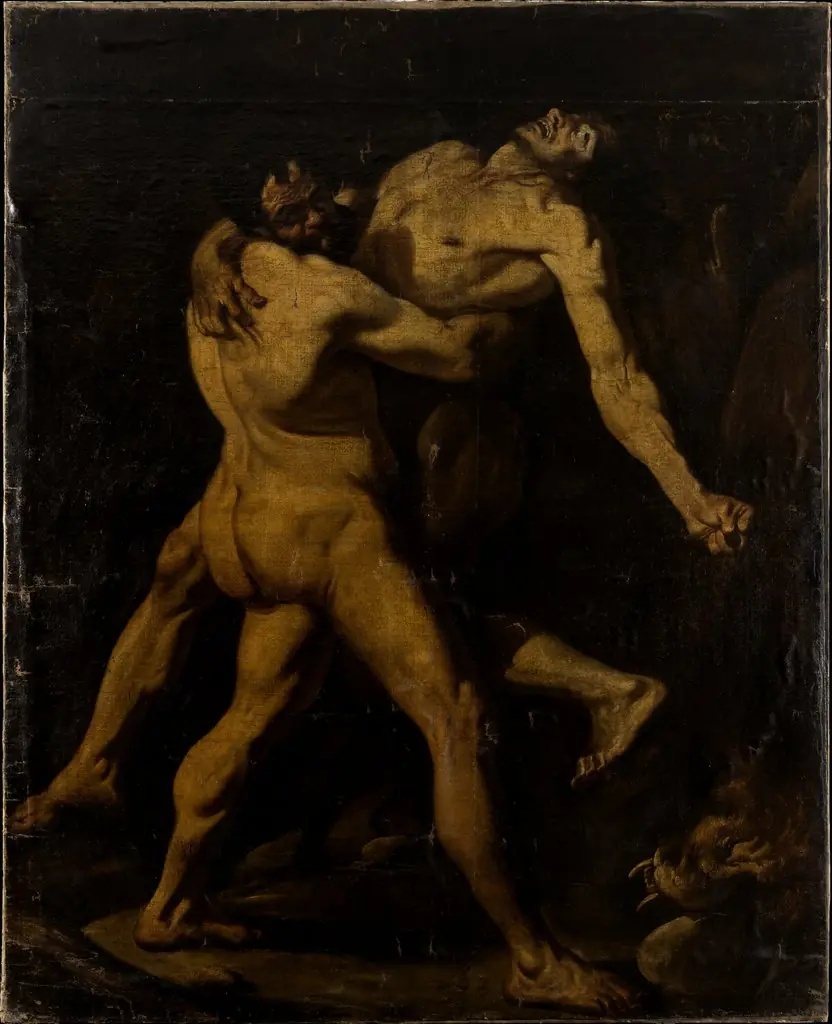 Hercules and Antaeus
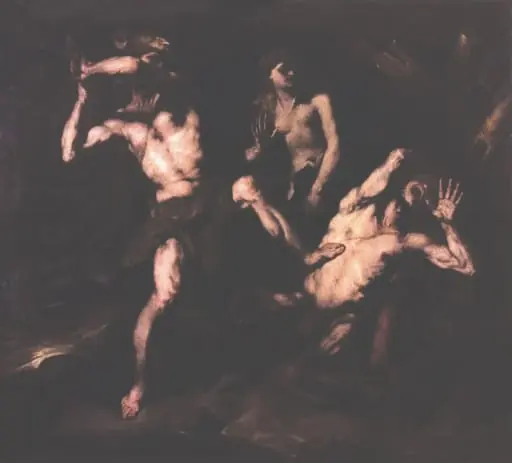 Lupta lui Hercule cu centaurul Nessus
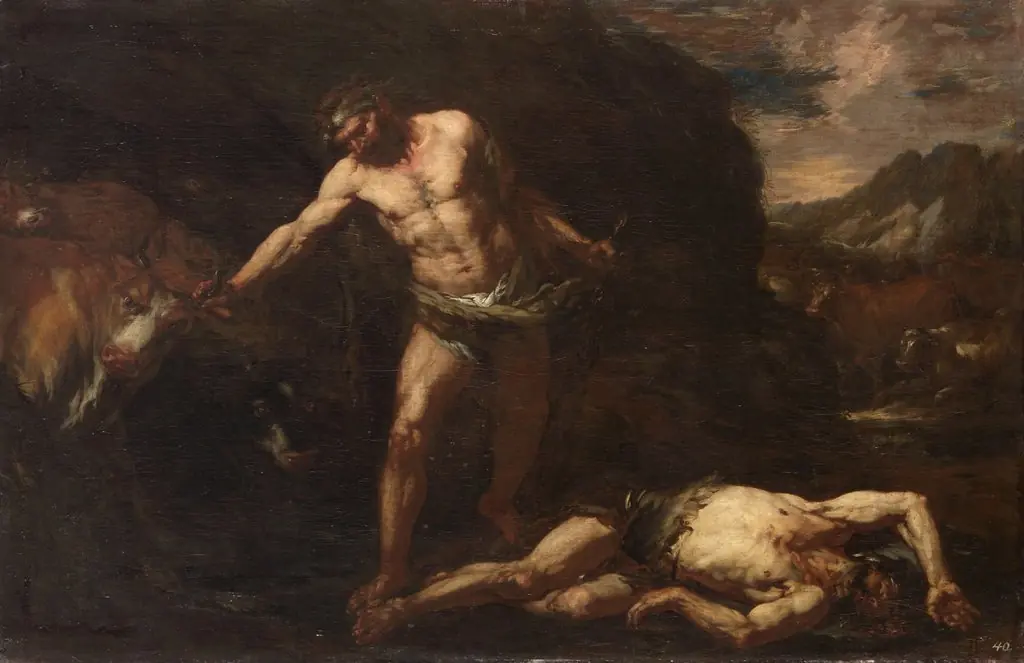 Hercules tötet den Riesen Cacus und raubt die Rinder des Geryoneus
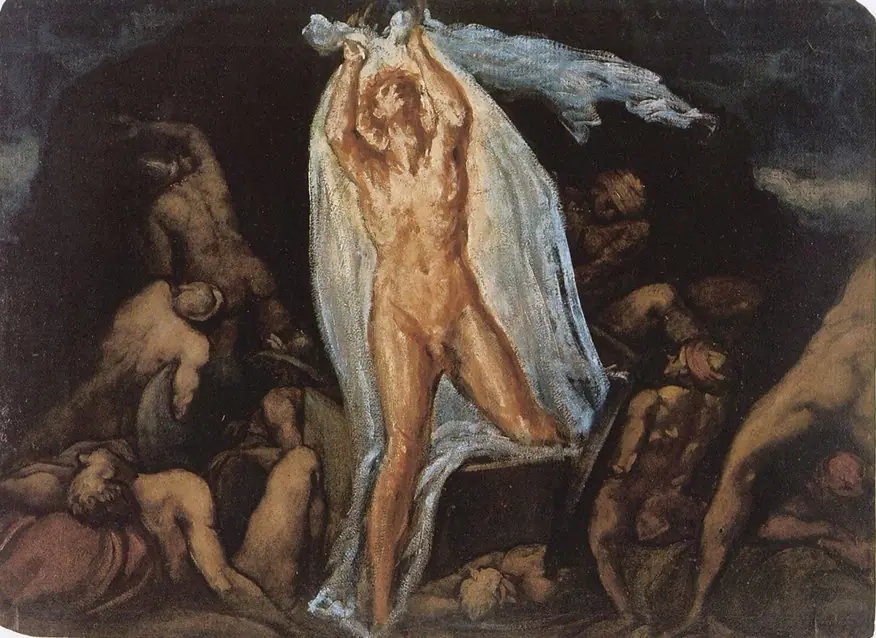 The resurrection
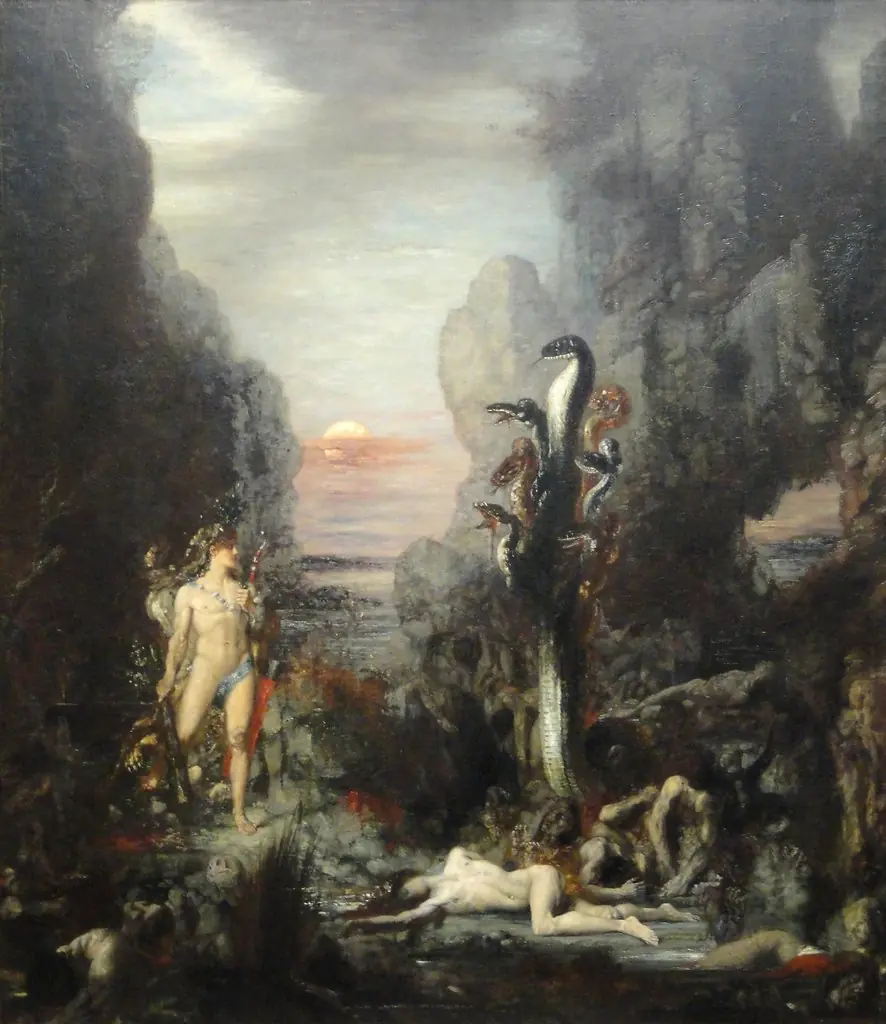 Hercules and the Lernaean Hydra
 Prometheus
 Herakles erlegt den Adler des Prometheus
 Ung italiensk mandsfigur i klippelandskab
 Death of Viala
 Ariel and Caliban
 Oberon träufelt Blumensaft auf die Augen der schlafenden Titania