Artwork
The resurrection
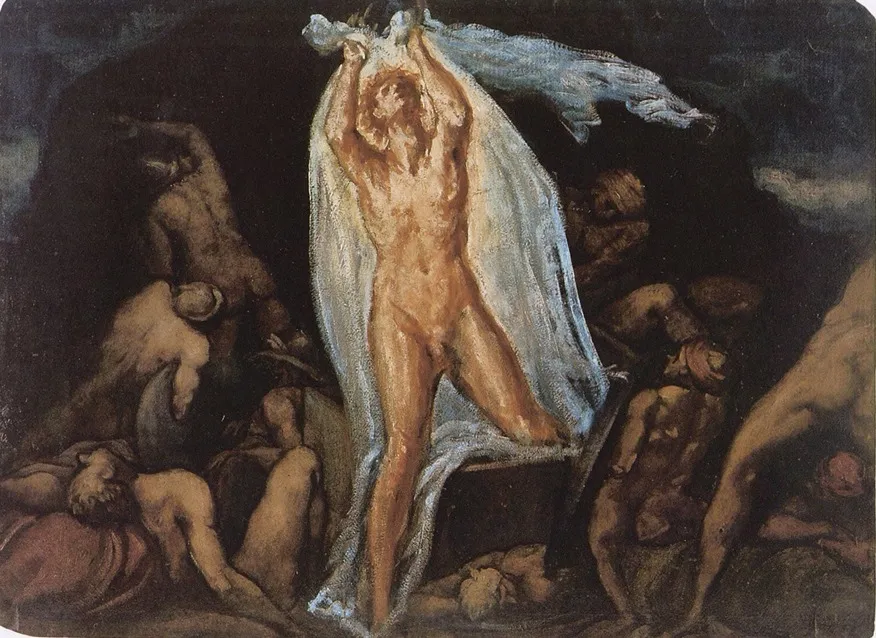
The resurrection is an oil painting by the Post-Impressionist artist Émile Bernard. It dates from 1922 and is held in the collection of the Vatican Museums.
About this work
Overview
The composition centers on a solitary, nude male figure, rendered with restrained emotion against a somber backdrop.
Painted in 1922, *The Resurrection* is an oil work by French artist Émile Bernard, late in his career. Though best known for his role in the Cloisonnism and Synthetism movements of the 1880s and 1890s, this piece reflects a sustained engagement with spiritual themes. It resides in the Vatican Museums, underscoring its ecclesiastical significance. The composition centers on a solitary, nude male figure, rendered with restrained emotion against a somber backdrop.
Subject & Meaning
The painting illustrates the moment of Christ’s resurrection, though without traditional iconography. The central figure, draped in white, stands in a posture of quiet ascension—arms raised, head tilted upward—suggesting transcendence rather than triumph. Surrounding figures, some reclining or slumbering, imply witnesses to the event, their stillness contrasting with the central form’s subtle motion. The absence of halos or celestial elements invites a more humanized interpretation of the divine.
Technique & Style
Bernard employs chiaroscuro to model the central figure with soft gradations of light and shadow, lending volume without dramatic contrast. The palette is muted, dominated by earth tones—ochres, umbers, and beige—creating a grounded, meditative atmosphere. Forms are simplified, echoing his earlier Synthetist tendencies, yet the brushwork is looser and more atmospheric than his Jugendstil-influenced works of the 1890s. The background remains largely unmodeled, enhancing the figure’s isolation.
History & Provenance
Created in 1922, the painting was acquired by the Vatican Museums shortly after its completion, likely through ecclesiastical channels or direct donation. Unlike Bernard’s earlier works, which circulated among avant-garde collectors, this piece entered a religious institution early in its history. Its provenance remains unbroken, with no public exhibitions or sales recorded between its creation and its current display.
Context
By the 1920s, Bernard had largely withdrawn from the Parisian avant-garde, focusing on religious subjects and teaching. *The Resurrection* reflects his return to spiritual themes after decades of experimentation with Symbolism and decorative style. The work aligns with broader early 20th-century trends in Catholic art seeking to reconcile modern aesthetics with devotional content, though it avoids academic convention in favor of introspective minimalism.
Legacy
Though less known than his 1880s works, *The Resurrection* stands as one of Bernard’s most sustained engagements with sacred imagery. Its quiet intensity and restrained palette distinguish it from both his earlier bold outlines and the expressive excesses of contemporaneous Expressionism. The painting remains a quiet testament to his late-life spiritual preoccupations, offering a contemplative counterpoint to the era’s more turbulent artistic movements.
Artist & collection
Artist
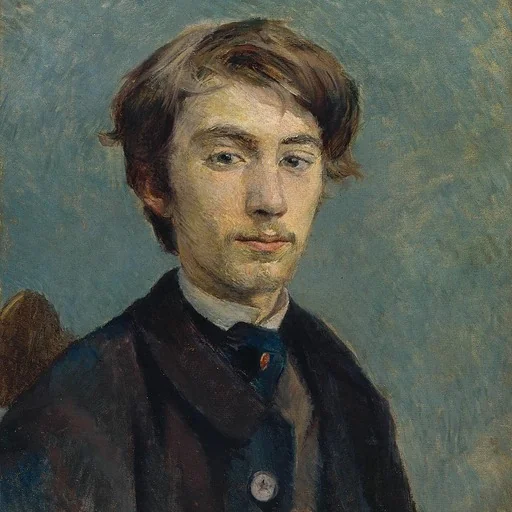
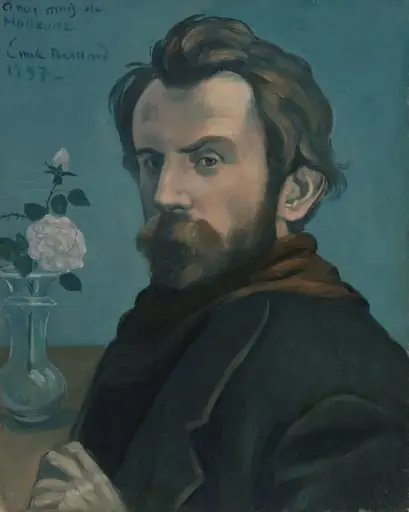
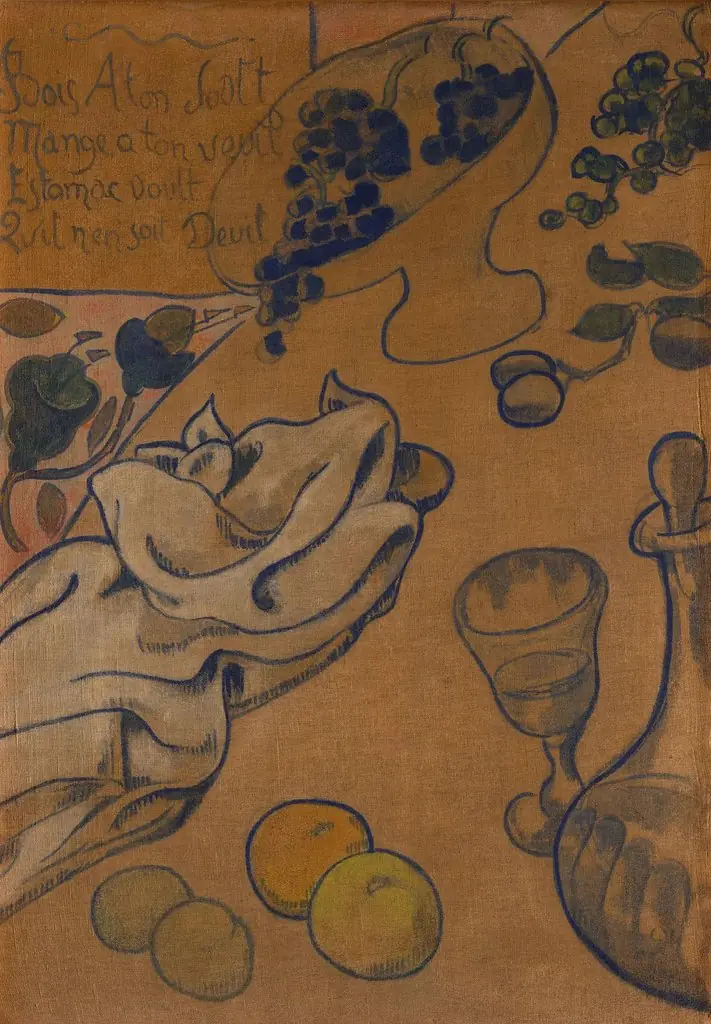
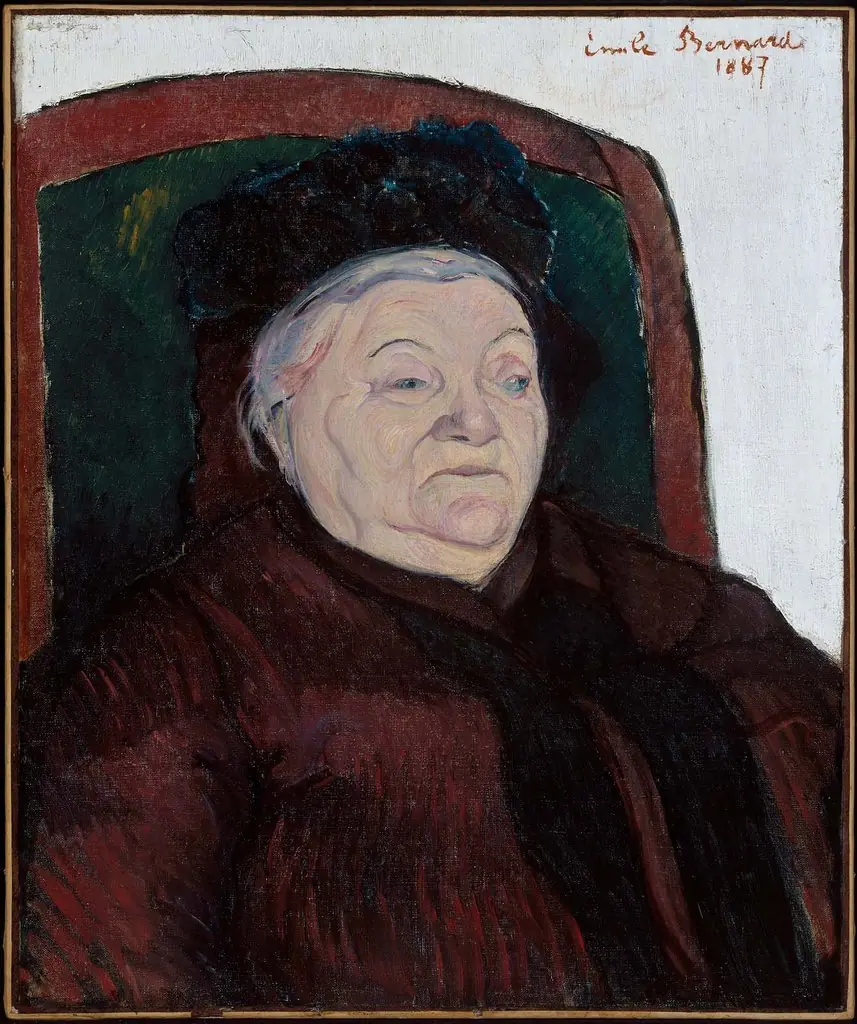
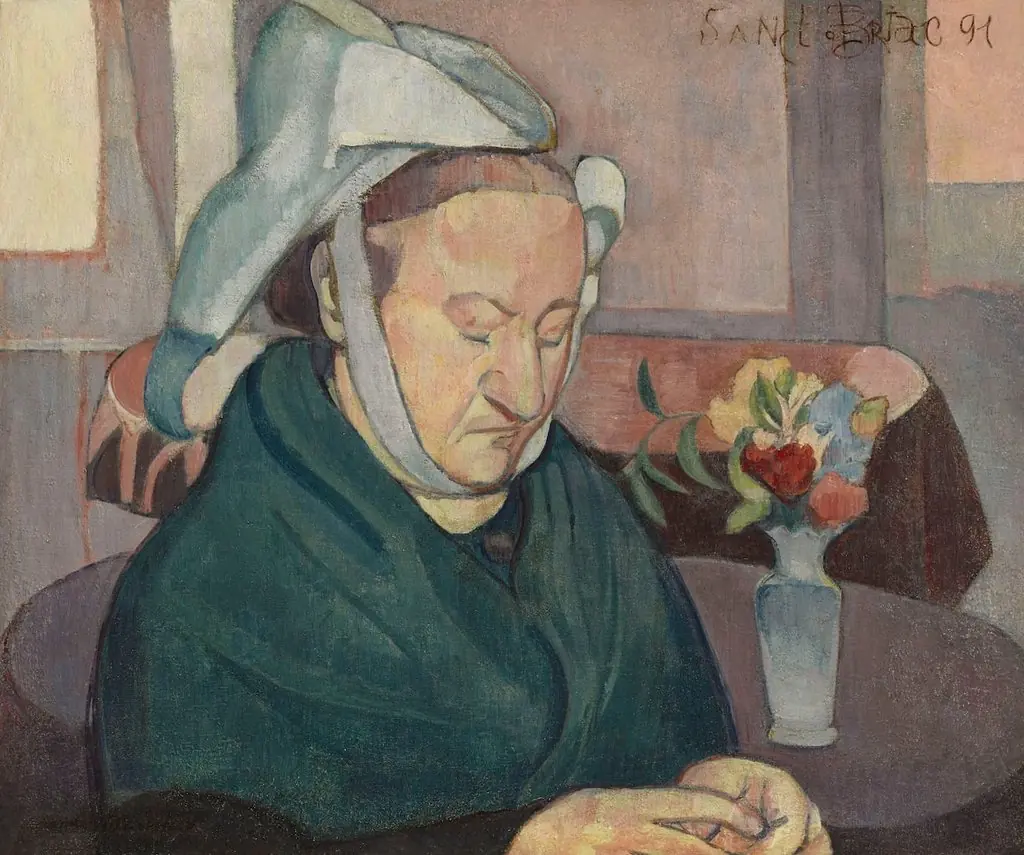
Émile Henri Bernard (French pronunciation: ; 28 April 1868 – 16 April 1941) was a French Post-Impressionist painter and writer, who had artistic friendships with Vincent van Gogh, Paul Gauguin and Eugène Boch, and at a later time, Paul…

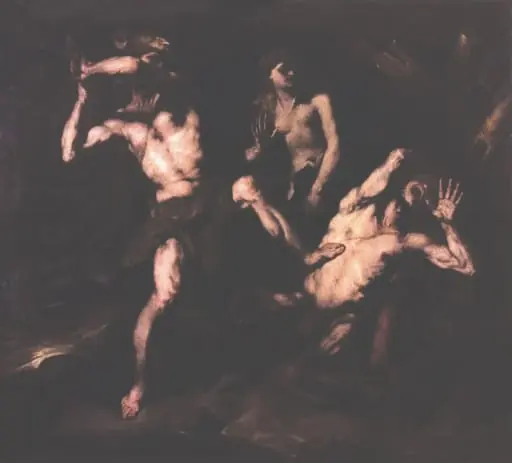 Lupta lui Hercule cu centaurul Nessus
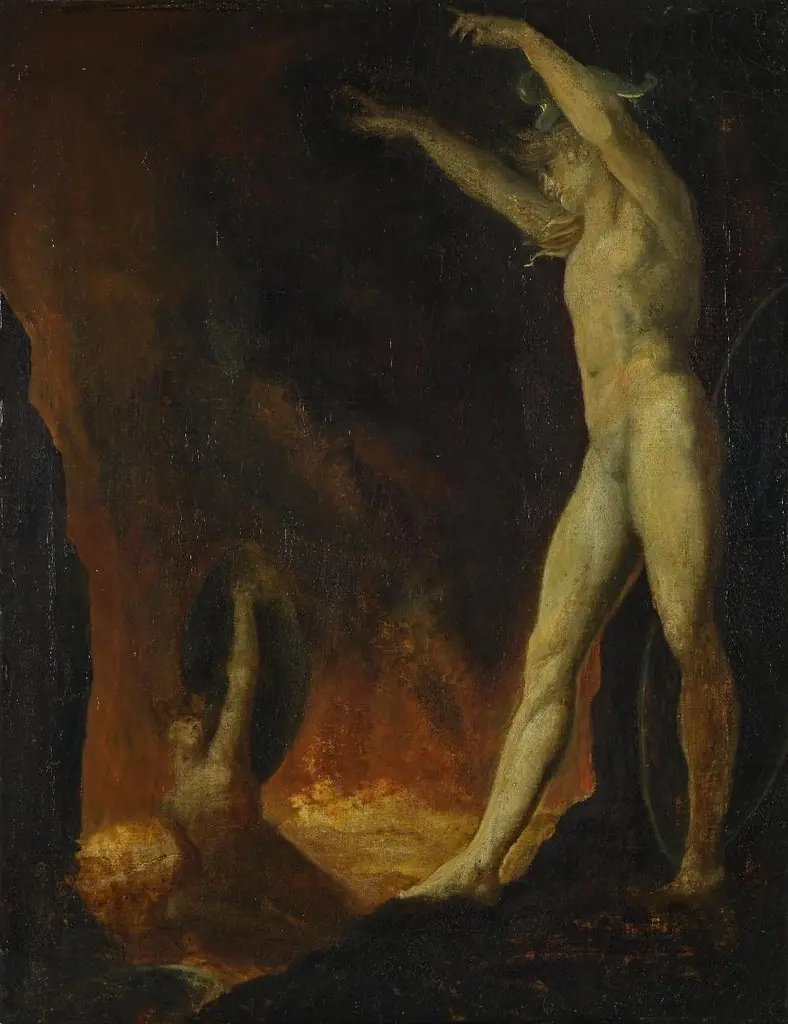 Satan über dem feurigen See, Beelzebub zu sich aufrufend
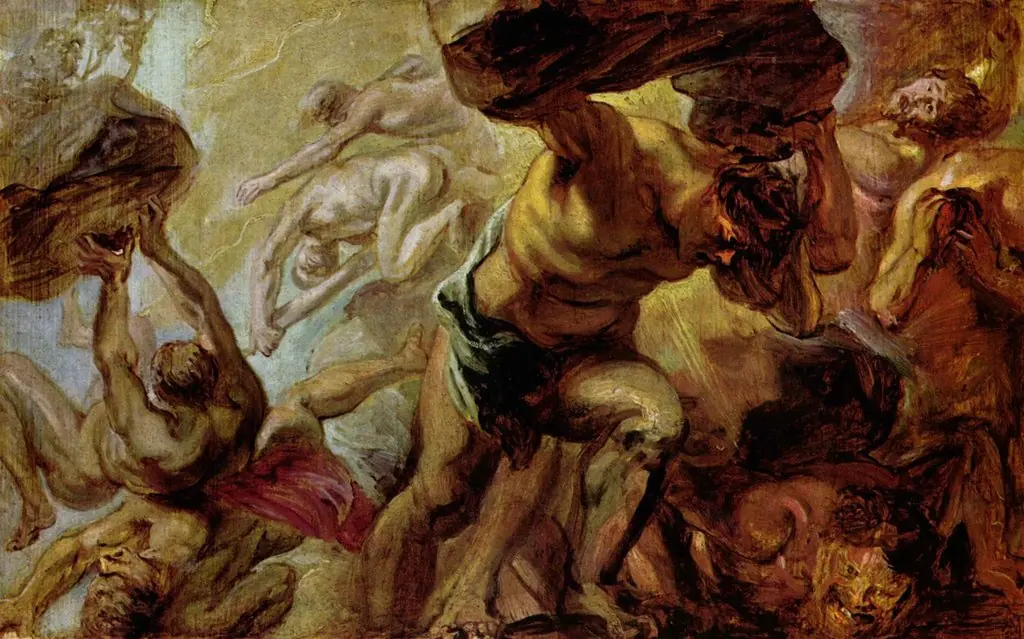 Fall of the Giants
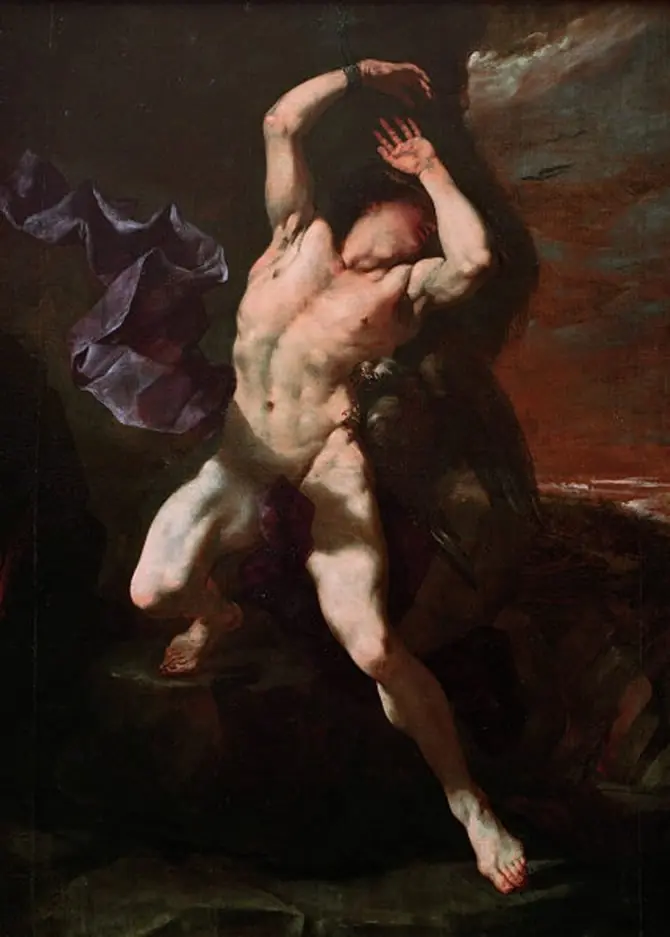 Prometheus
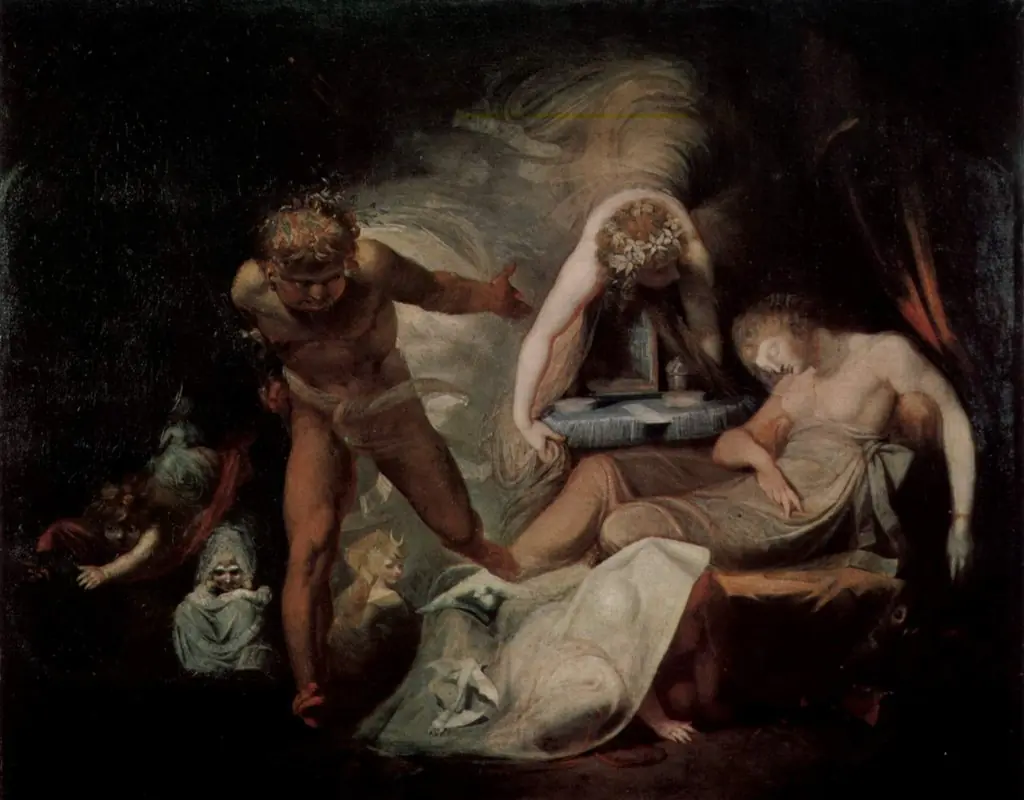 The Dream of Belinda
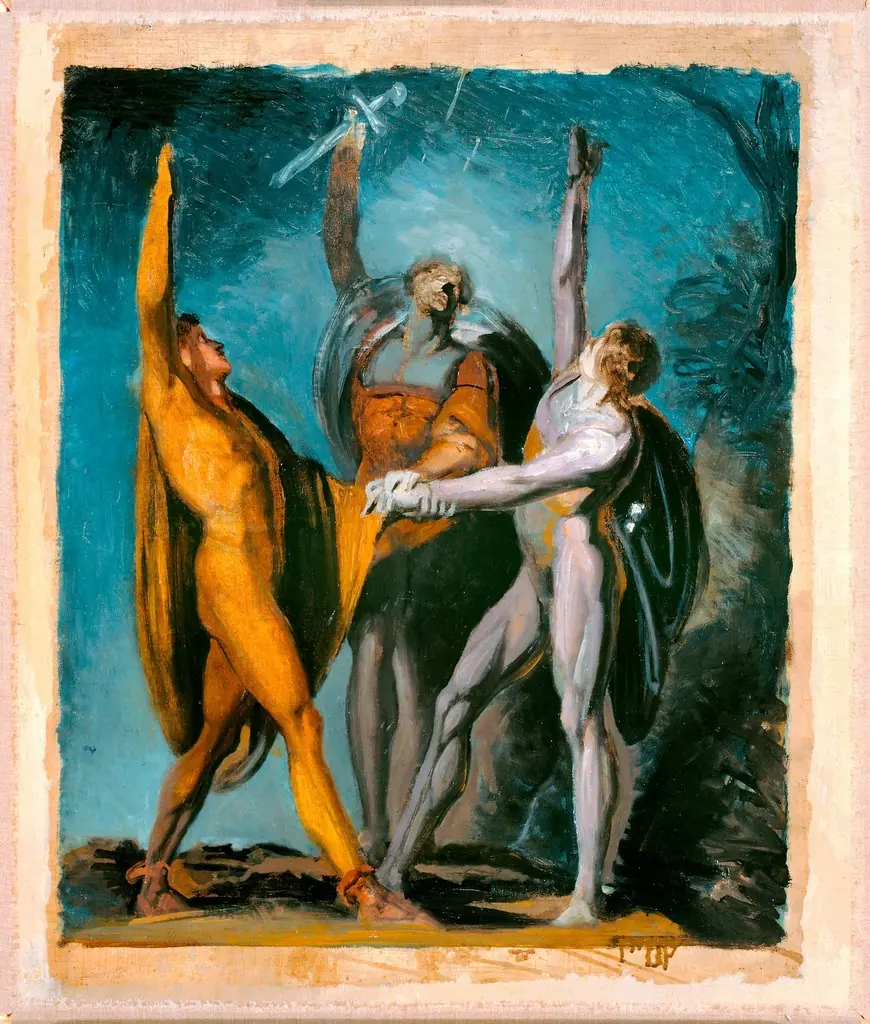 Sketch for "Oath on the Rütli," Female Figure (verso)
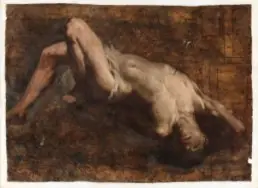 Saint Sebastian
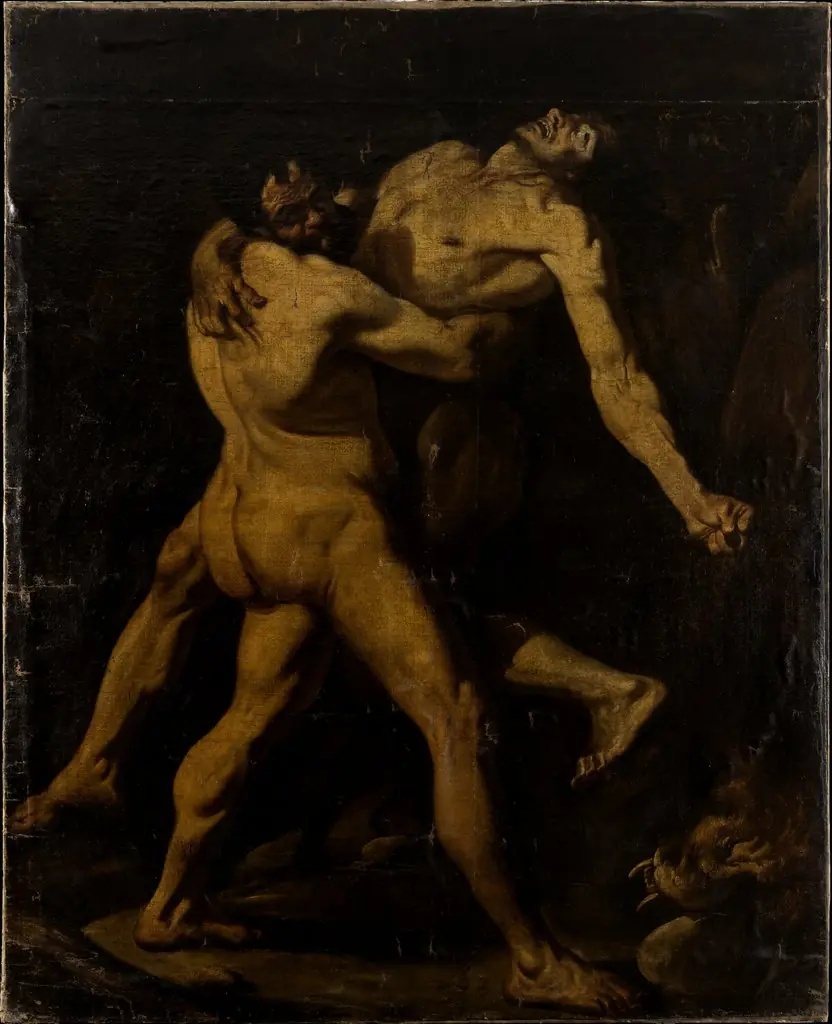 Hercules and Antaeus
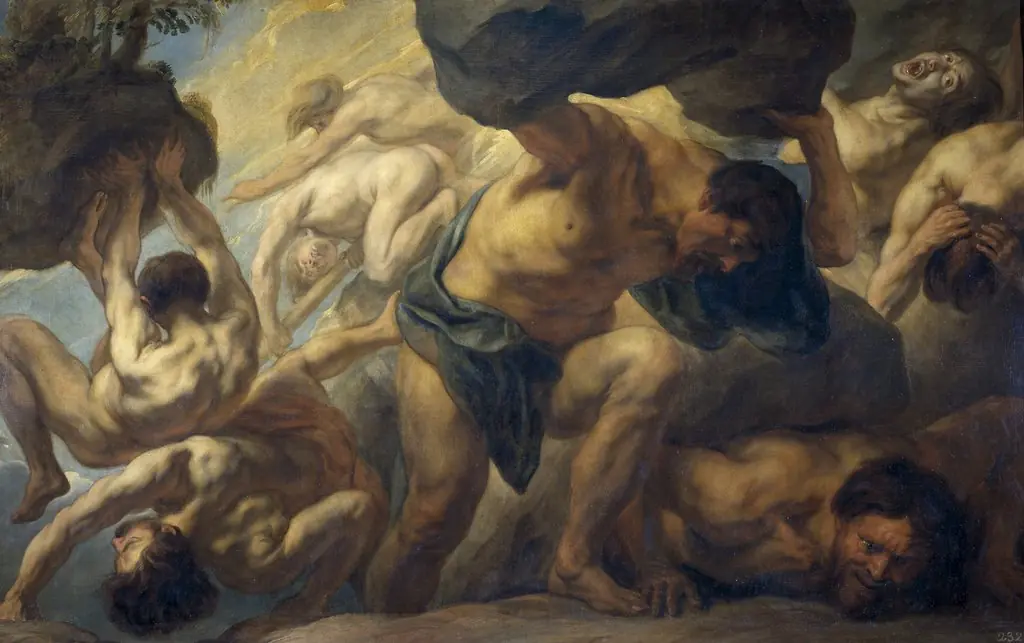 The Fall of the Giants
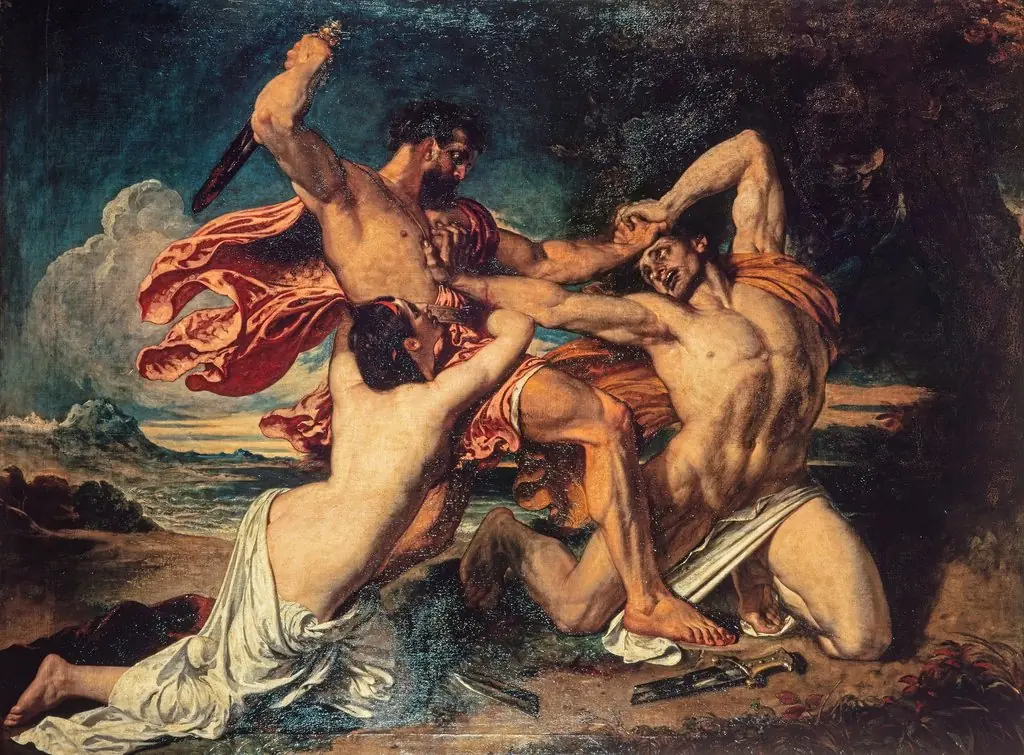 The Combat: Woman Pleading for the Vanquished
 Christ carrying the cross, 1634-1637
 The Entombment