Artwork
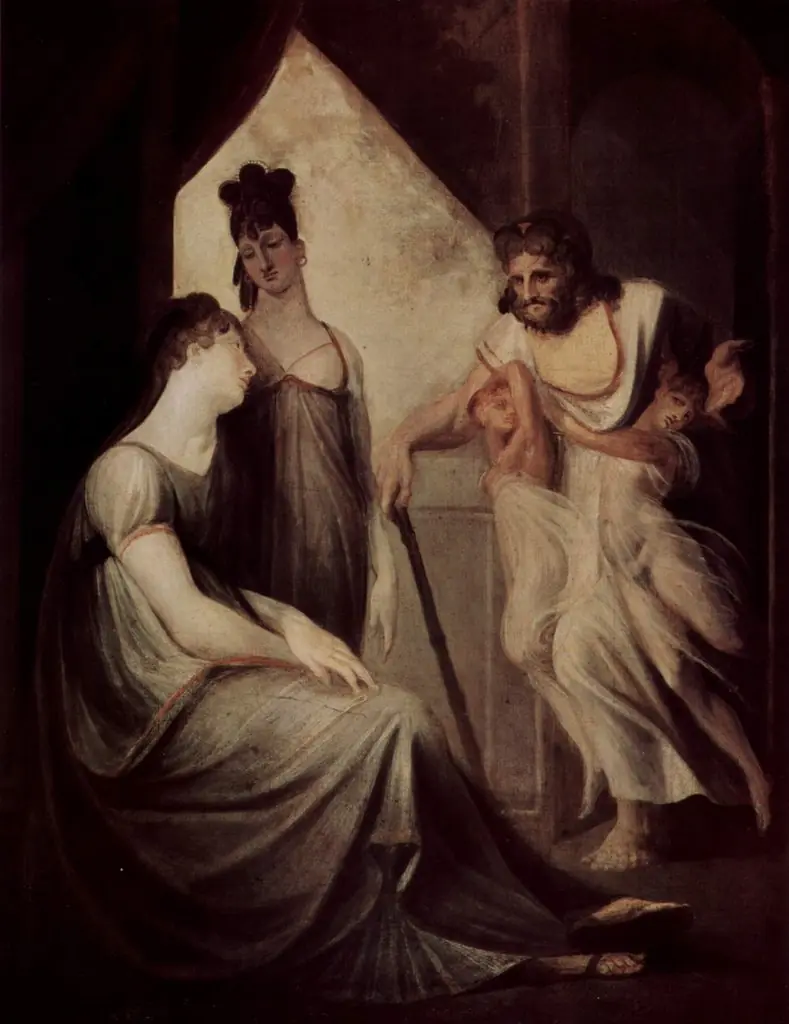
Thetis bittet Hephaistos um Waffen für Achilleus
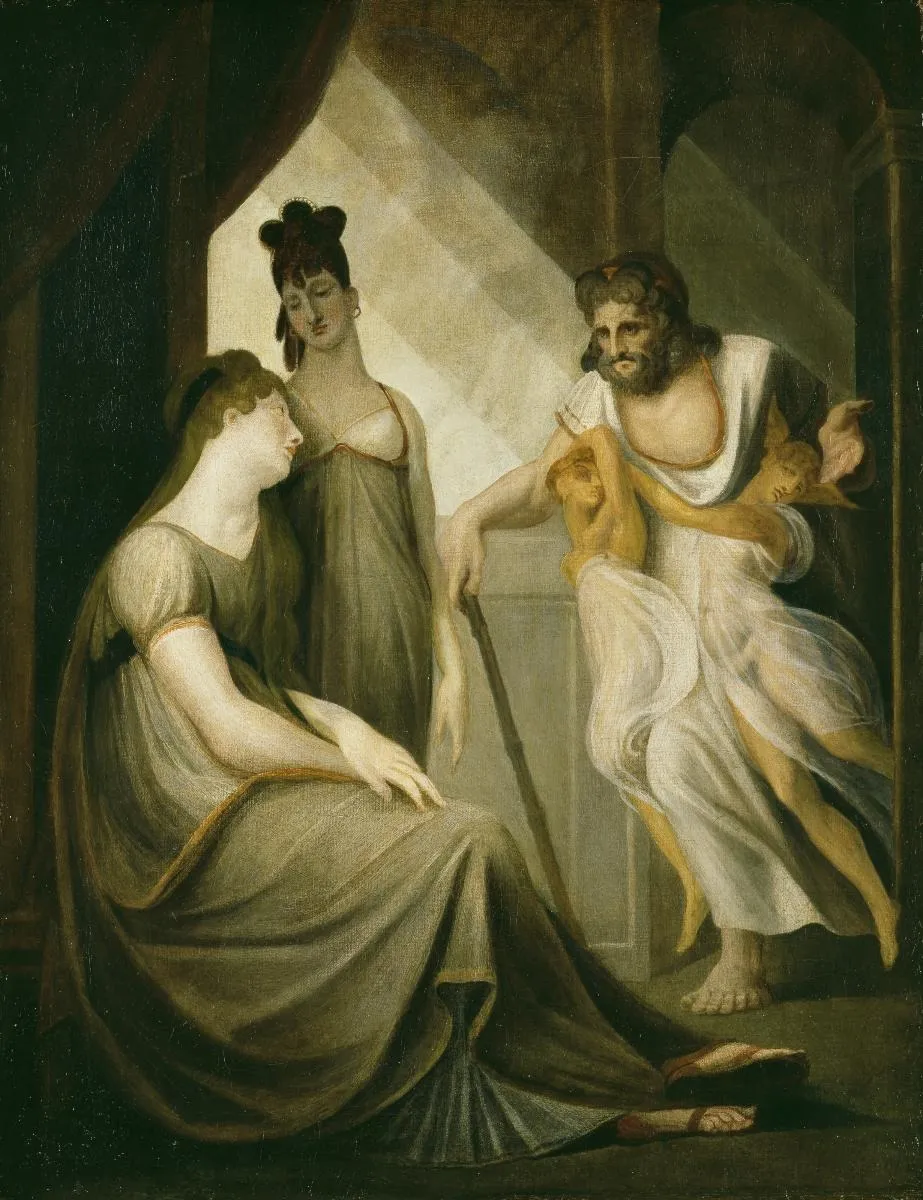
Thetis bittet Hephaistos um Waffen für Achilleus is an oil painting by the British Romanticist artist Henry Fuseli. It dates from 1803 and is held in the collection of the Kunsthaus Zürich.
About this work
Overview
Created in 1803, this oil on canvas by Henry Fuseli is part of the collection of the Kunsthaus Zürich. The composition presents four figures arranged in a dimly lit interior, one of whom cradles an infant. The participants are dressed in flowing, classical garments, and the overall tone is muted and contemplative.
Subject & Meaning
The work illustrates a moment from Greek myth in which the sea‑goddess Thetis petitions Hephaestus to forge new arms for her son Achilles. The presence of the child suggests a familial intimacy, while the solemn atmosphere underscores the gravity of the impending war and the divine intervention sought.
Technique & Style
Fuseli employs a pronounced chiaroscuro, using stark contrasts between illuminated areas and deep shadows to model the figures and suggest spatial depth. The brushwork is relatively smooth, allowing the drapery to appear weighty, while the limited palette reinforces the somber mood and heightens the dramatic tension.
History & Provenance
The painting was completed in the early nineteenth century, shortly after Fuseli’s relocation to Switzerland. It entered the holdings of the Kunsthaus Zürich, where it remains on display, reflecting the museum’s focus on European Romantic and Neoclassical works.
Context
Fuseli, known for his interest in mythological and supernatural subjects, often explored themes of human vulnerability before divine forces. This piece aligns with his broader oeuvre, which frequently juxtaposes classical narratives with emotionally charged, shadow‑laden settings, characteristic of the Romantic period’s fascination with the sublime.
Artist & collection
Artist
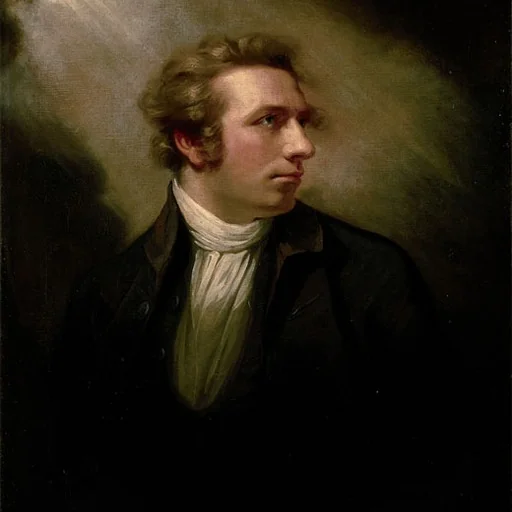
Henry Fuseli was a Swiss painter, draughtsman, and writer on art who spent much of his career in Britain.

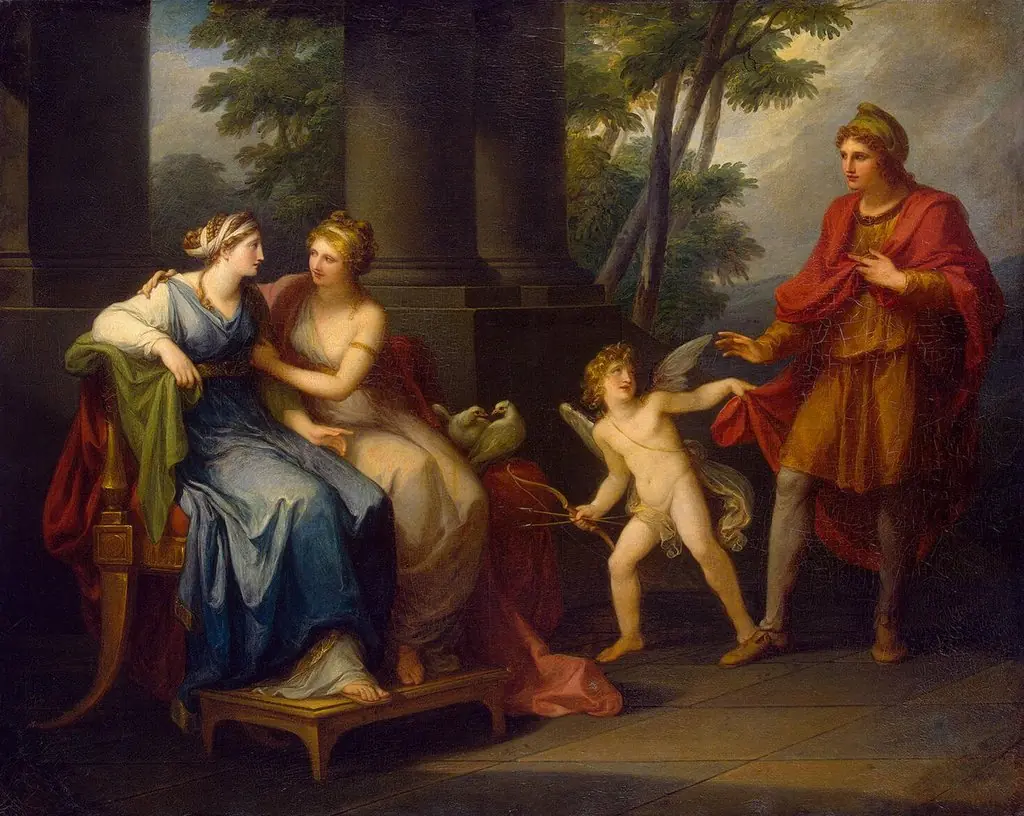 Venus Induces Helen to Fall in Love with Paris
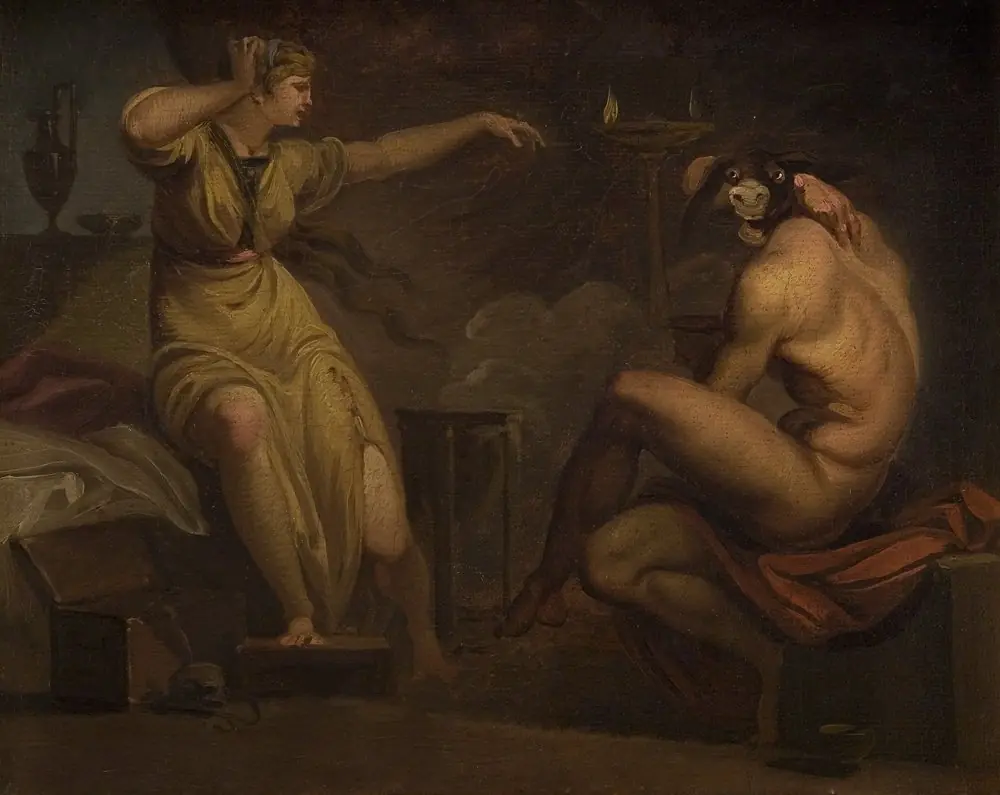 Fotis sees her Lover Lucius Transformed into an Ass. Motif from Apeleius' The Golden Ass
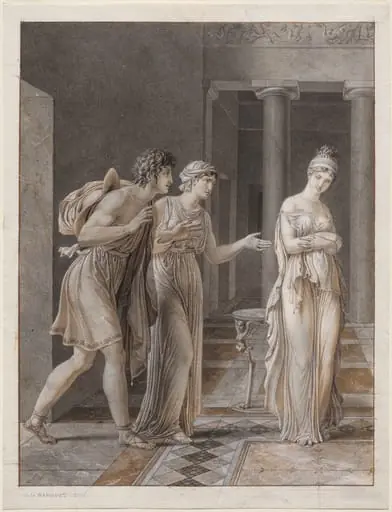 The Meeting of Orestes and Hermione
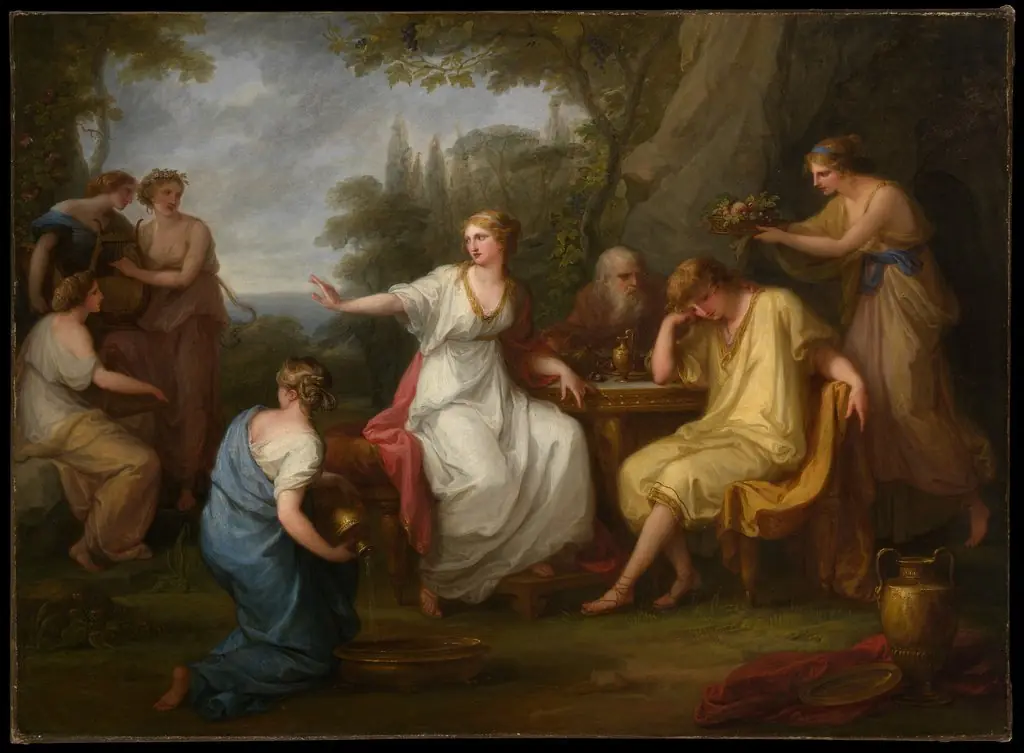 The Sorrow of Telemachus
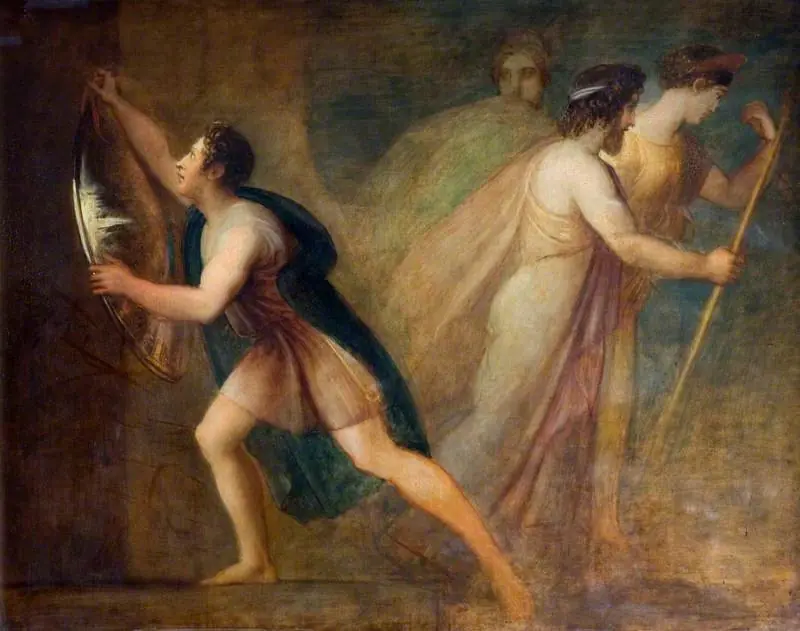 Orestes Hanging up the Shield of Agamemnon
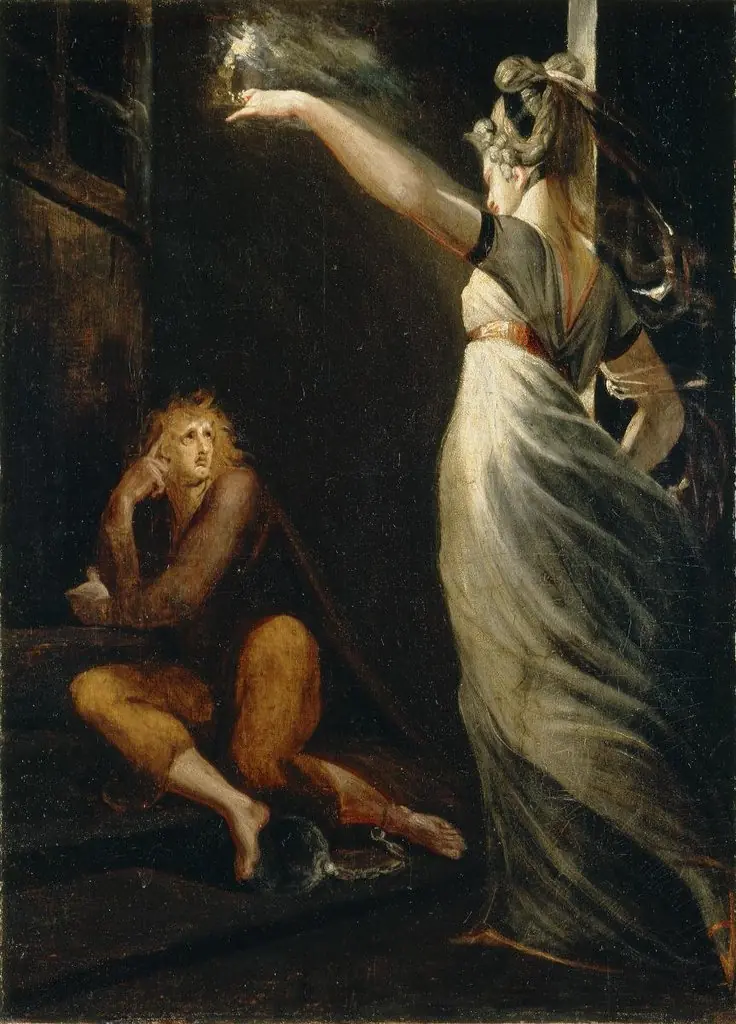 Almansaris besucht Hüon im Gefängnis
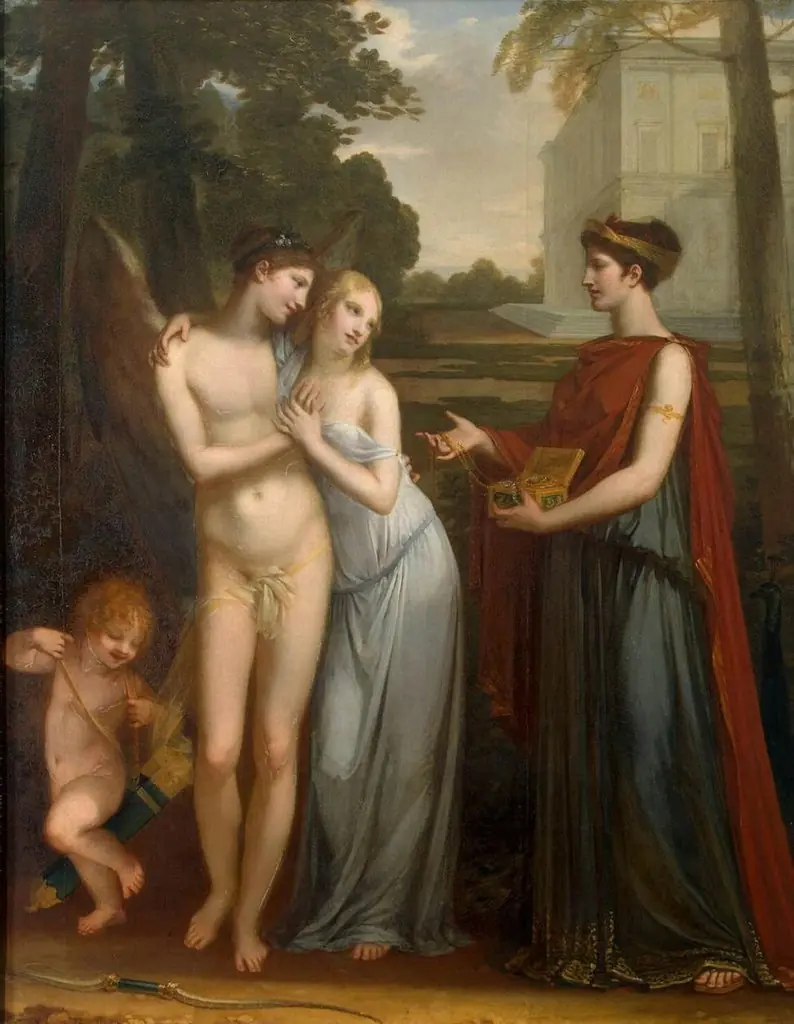 Innocence Preferring Love to Wealth
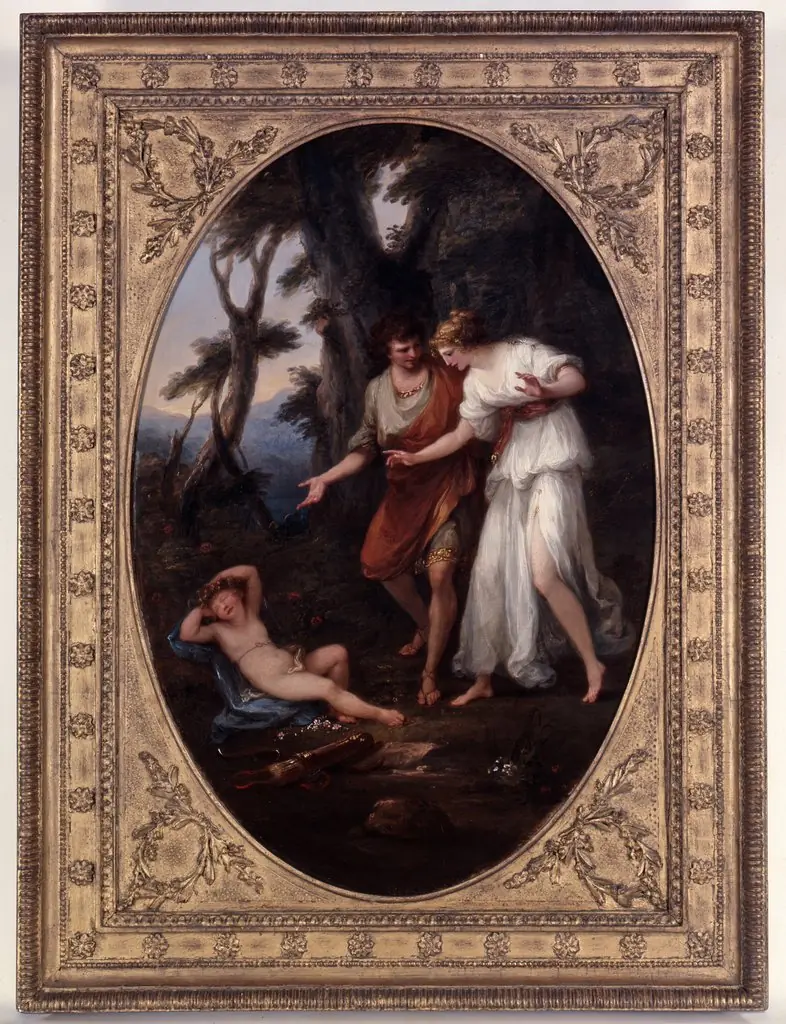 Cephise and her Lover discover the sleeping Cupid in the Woods of Idalia
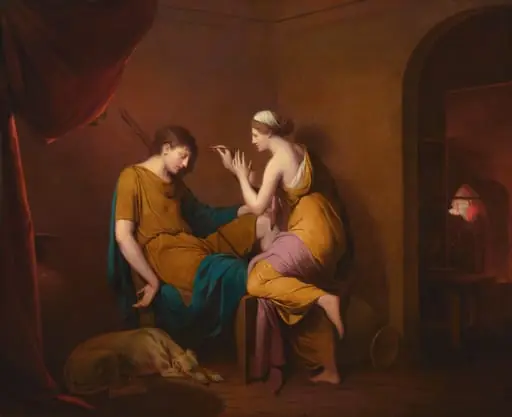 The Corinthian Maid
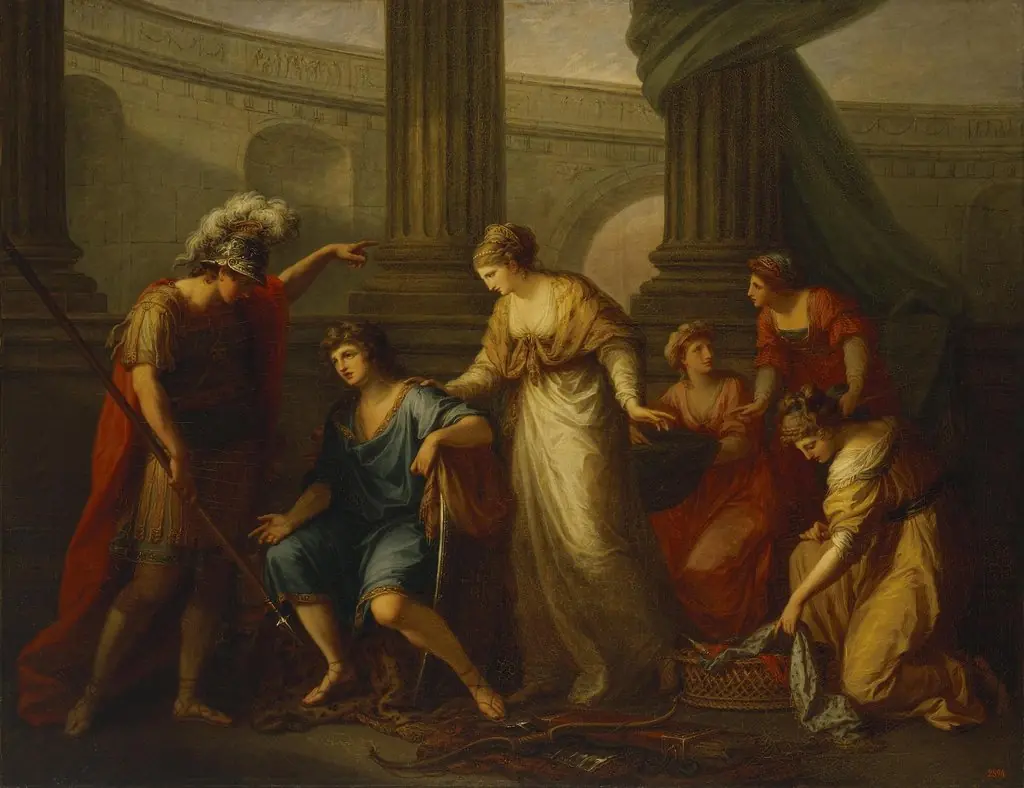 Hector Calling Up Paris to a Battle
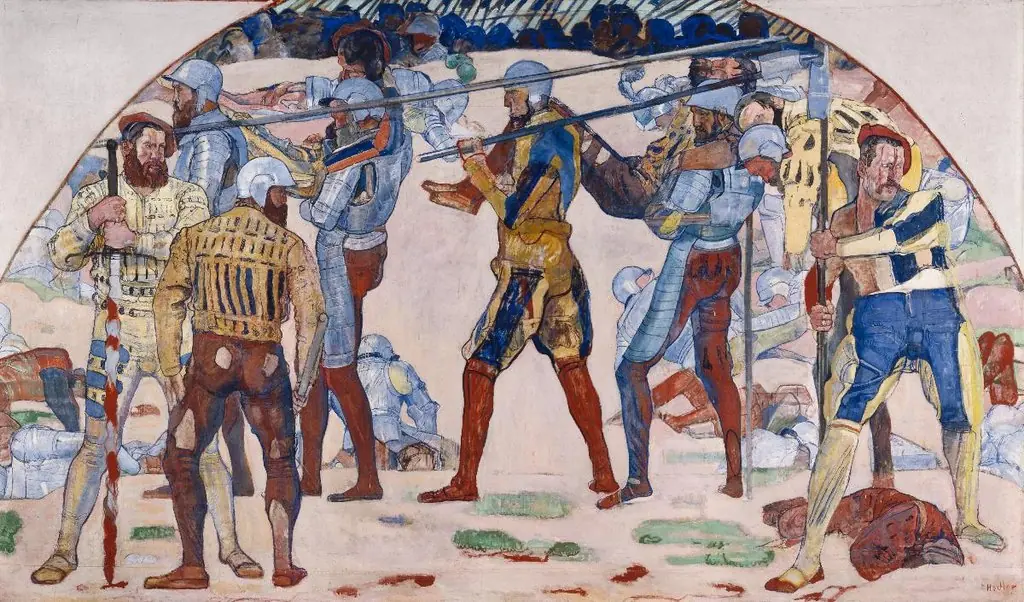 Rückzug von Marignano. Karton II