Artwork
The Dream of Queen Katherine (from William Shakespeare's 'Henry VIII', Act IV, Scene 2) (fragment)
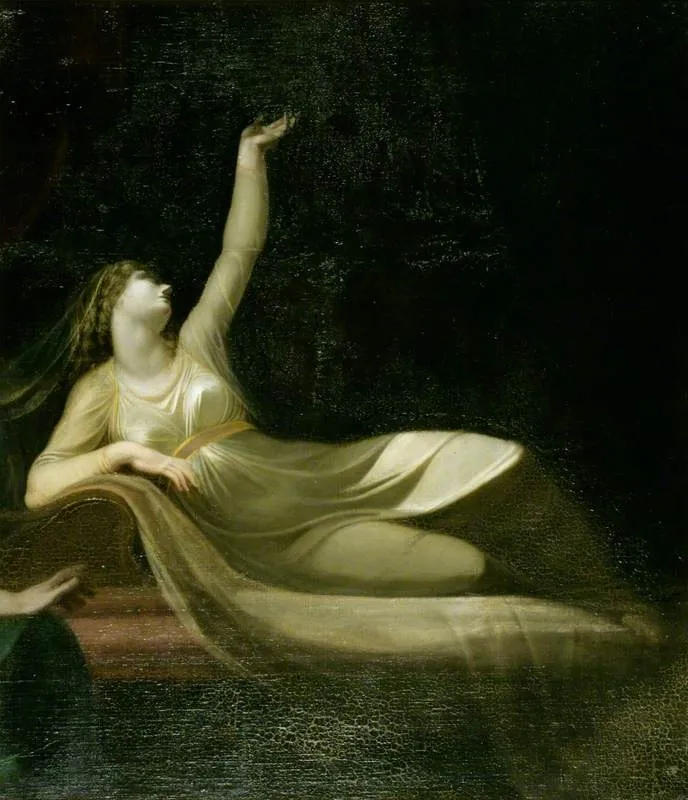
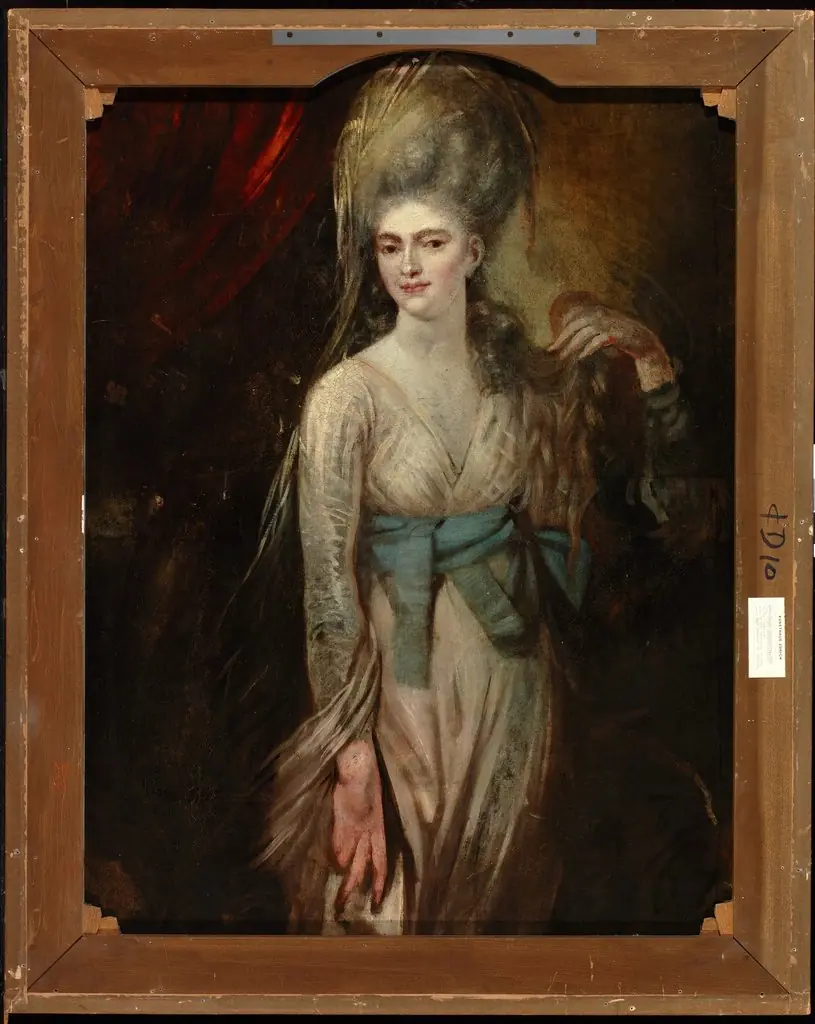
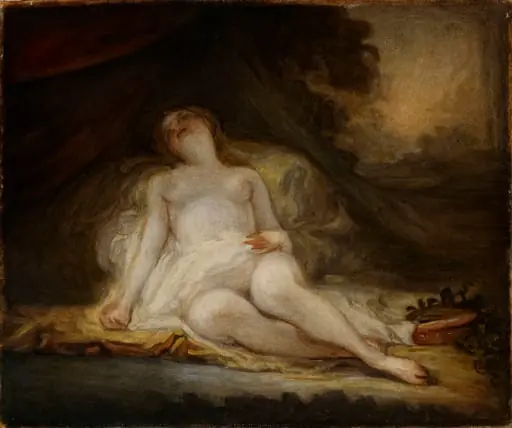
The Dream of Queen Katherine (from William Shakespeare's 'Henry VIII', Act IV, Scene 2) (fragment) is an unspecified painting by Henry Fuseli. It dates from 1791 and is held in the collection of the Victoria and Albert Museum.
About this work
Overview
Painted around 1791 by Henry Fuseli, this fragment captures a moment from Queen Katherine’s dream in Shakespeare’s Henry VIII.
Painted around 1791 by Henry Fuseli, this fragment captures a moment from Queen Katherine’s dream in Shakespeare’s Henry VIII. Executed in oil, the work is part of a series inspired by literary scenes, though only this portion survives. It resides in the Victoria and Albert Museum, where its incomplete state invites reflection on the artist’s intentions and the fragility of such interpretive projects.
Subject & Meaning
The figure represents Queen Katherine in a moment of spiritual vision, as she dreams of peace before her death. Her reclining posture and serene demeanor suggest resignation rather than distress, aligning with the scene’s themes of divine comfort amid political betrayal. The transparency of her form implies the ethereal nature of the vision, blurring the boundary between the physical and the imagined.
Technique & Style
Fuseli employs a muted palette dominated by white and crimson, heightening the figure’s presence against a dark, textured background. The face is deliberately softened, and the body appears semi-translucent, suggesting a spectral presence. Brushwork is loose in the background, contrasting with the precise contours of the figure, reinforcing the tension between material reality and dreamlike apparition.
History & Provenance
This fragment was likely one of several studies Fuseli made for a larger, unrealized commission tied to Shakespearean themes. It entered the Victoria and Albert Museum’s collection in the 19th century, possibly through the artist’s estate or a contemporary collector. Its incomplete condition reflects the experimental nature of Fuseli’s literary illustrations, many of which remained unfinished.
Context
Created during the height of Romanticism, the painting reflects a broader cultural fascination with emotion, the supernatural, and literary subject matter. Fuseli, known for his dramatic interpretations of myth and literature, aligned with contemporaries who sought to visualize inner states rather than external reality. Shakespeare’s tragedies, especially scenes of moral suffering, offered fertile ground for such explorations.
Legacy
Though only a fragment, the work exemplifies Fuseli’s unique approach to psychological narrative in painting. It influenced later artists interested in the visualization of dreams and inner turmoil, contributing to the development of Symbolist and Pre-Raphaelite aesthetics. Its preservation as a standalone piece underscores its power as a self-contained meditation on mortality and vision.
Artist & collection
Artist
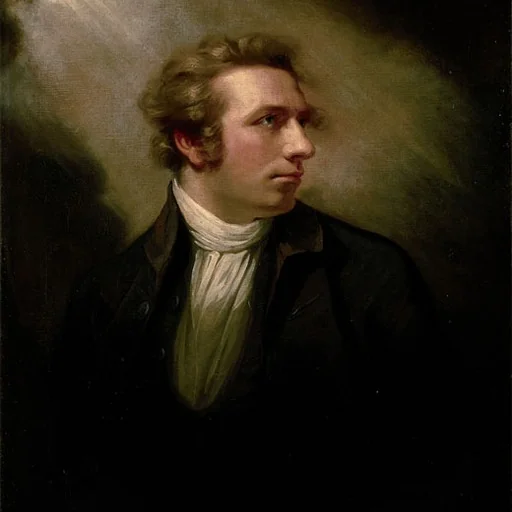
Henry Fuseli was a Swiss painter, draughtsman, and writer on art who spent much of his career in Britain.

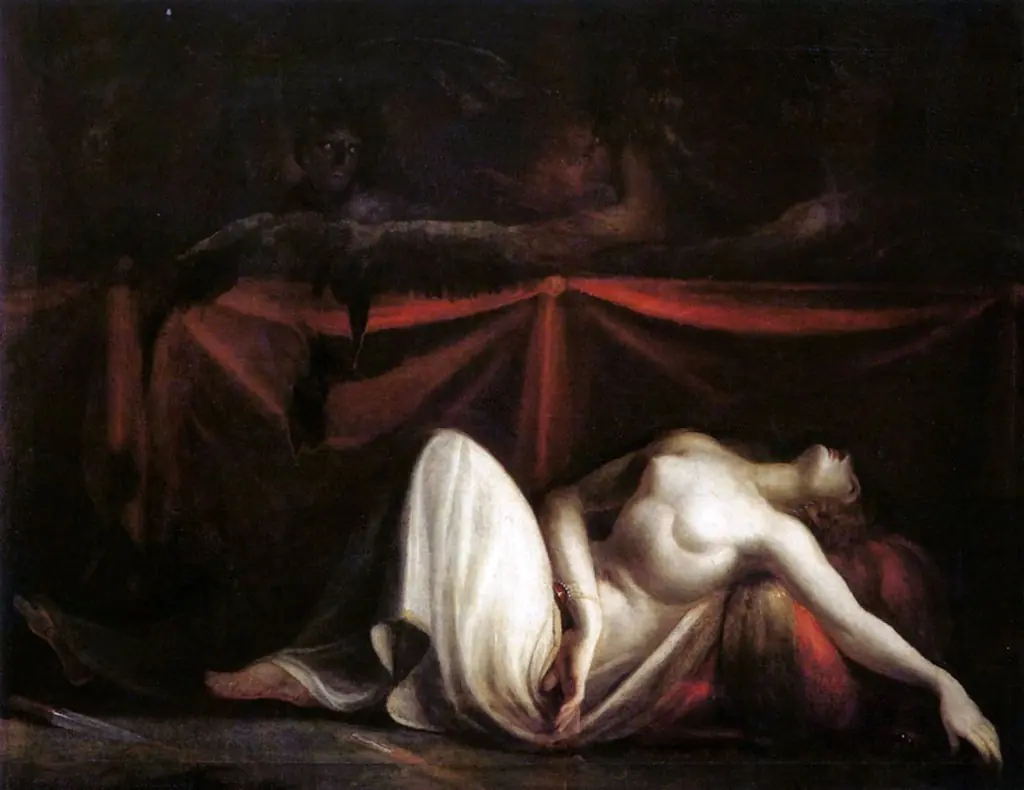 The Erinyes Drive Alcmaeon from the Corpse of his Mother, Eriphyle, Whom He Has Killed.
 Mary's Dream
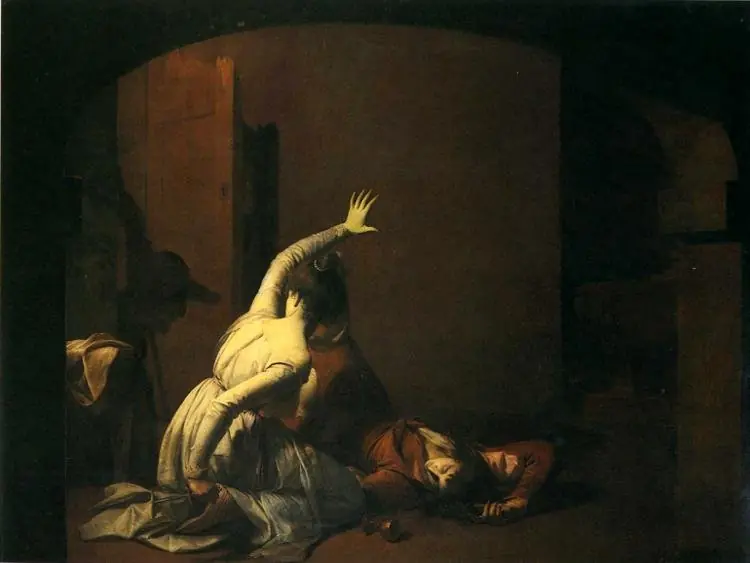 Romeo and Juliet: the Tomb Scene
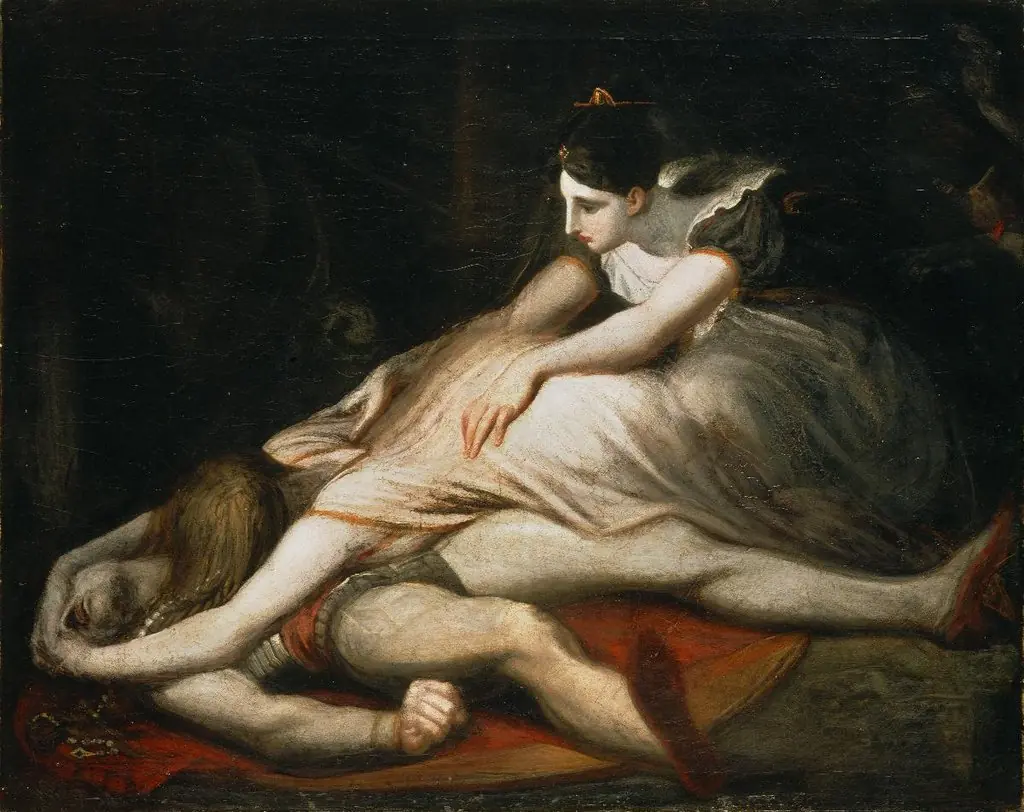 Kriemhild über der Leiche Siegfrieds
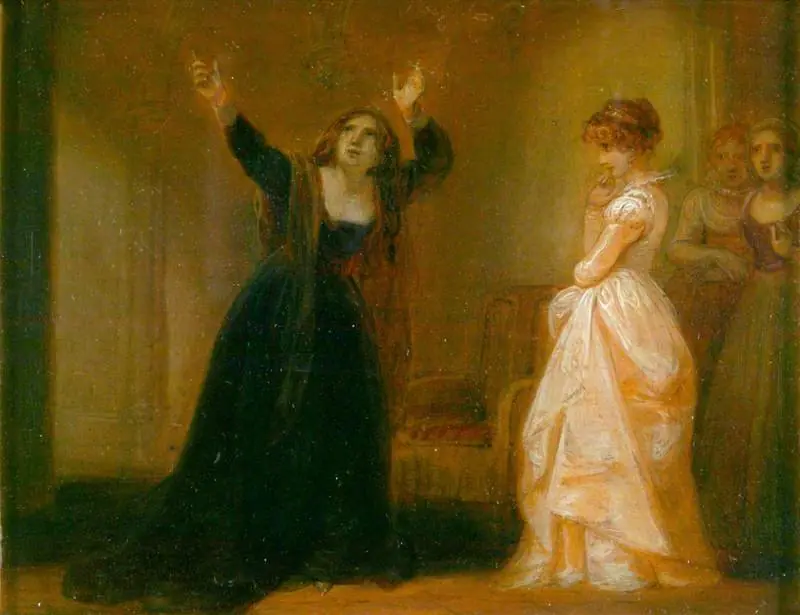 The Duel (from Francis Beaumont and John Fletcher's 'The Humorous Lieutenant', Act III, Scene 3)
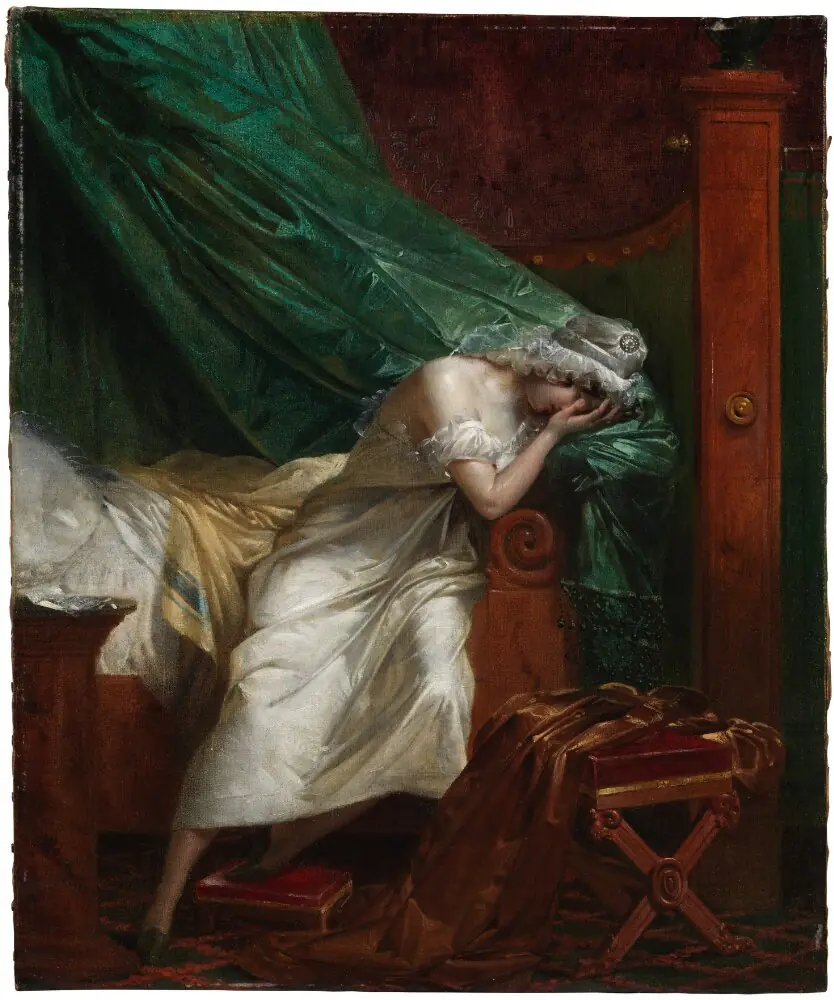 The Farewell
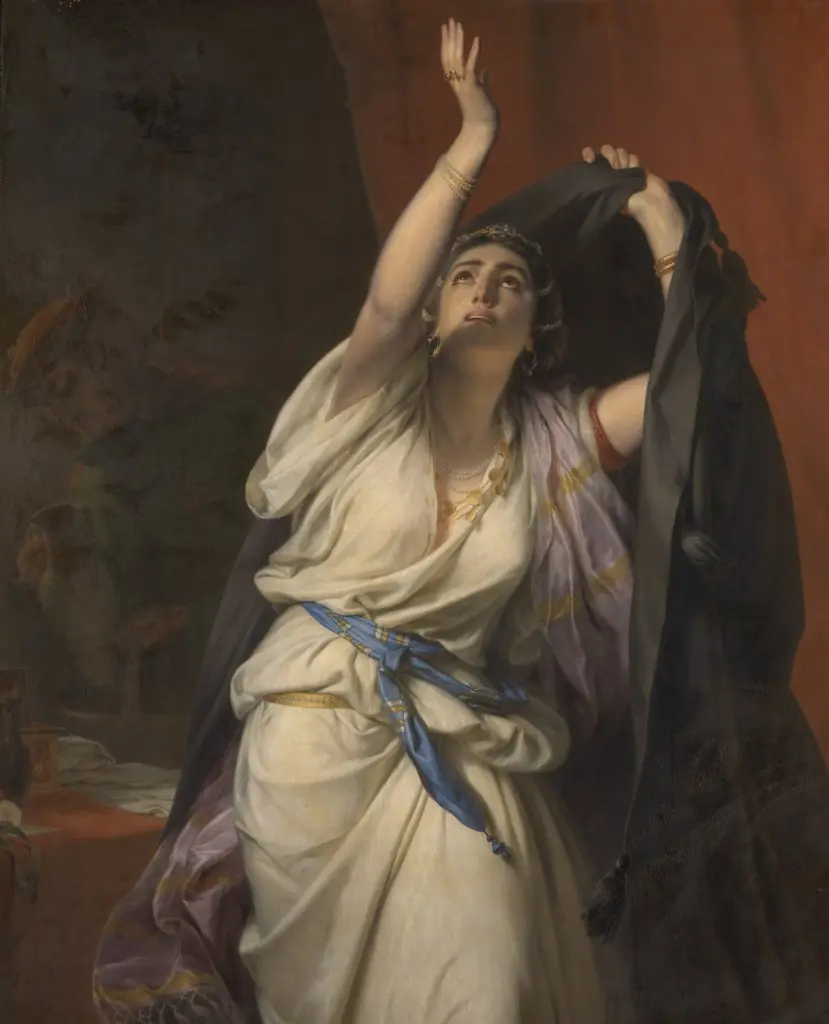 Judith's Prayer
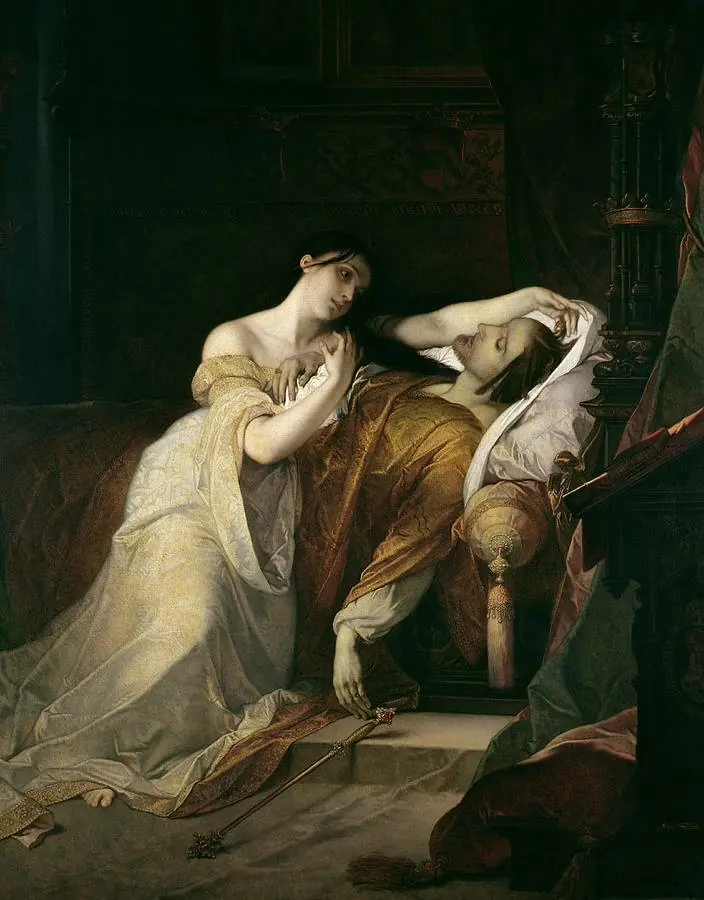 Jeanne la Folle
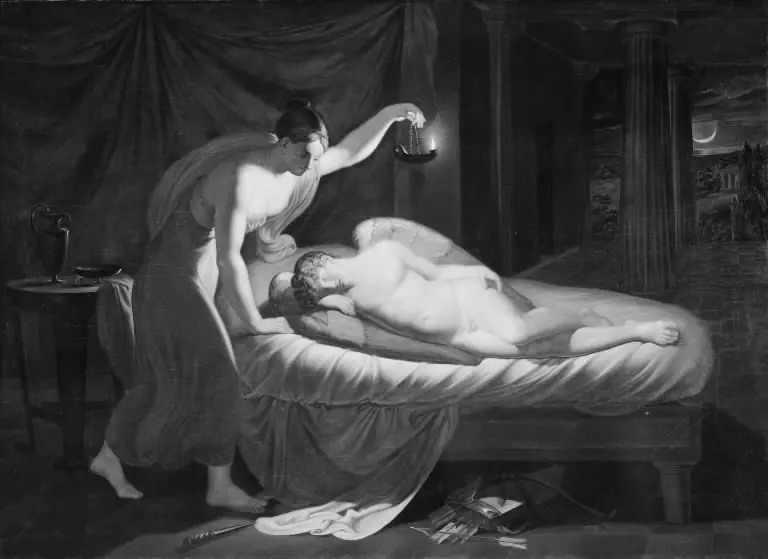 Psyke, der nærmer sig den sovende Amor
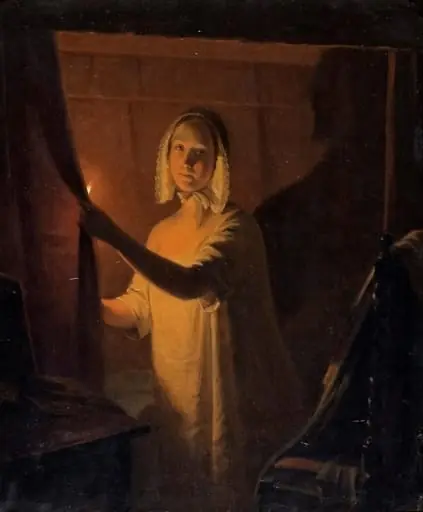 Tyttö kynttilä kädessä
 Nukkuva bakkantti, kopio Fragonardin mukaan