Artwork
Romeo and Juliet: the Tomb Scene
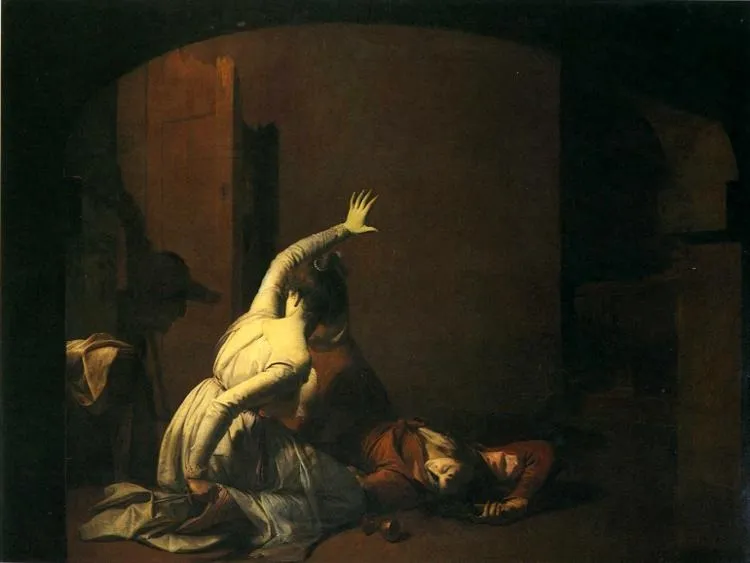
Romeo and Juliet: the Tomb Scene is an oil painting by Joseph Wright of Derby. It dates from 1796 and is held in the collection of the Derby Museum and Art Gallery.
About this work
Overview
Joseph Wright of Derby completed this oil painting by 1790, first exhibiting it that year and again in 1791. It was later included in the 1839 Derby Exhibition at the Mechanics' Institute and now resides in Derby Museum and Art Gallery. The work exemplifies Wright’s sustained interest in dramatic lighting and emotionally charged narratives drawn from literature.
Subject & Meaning
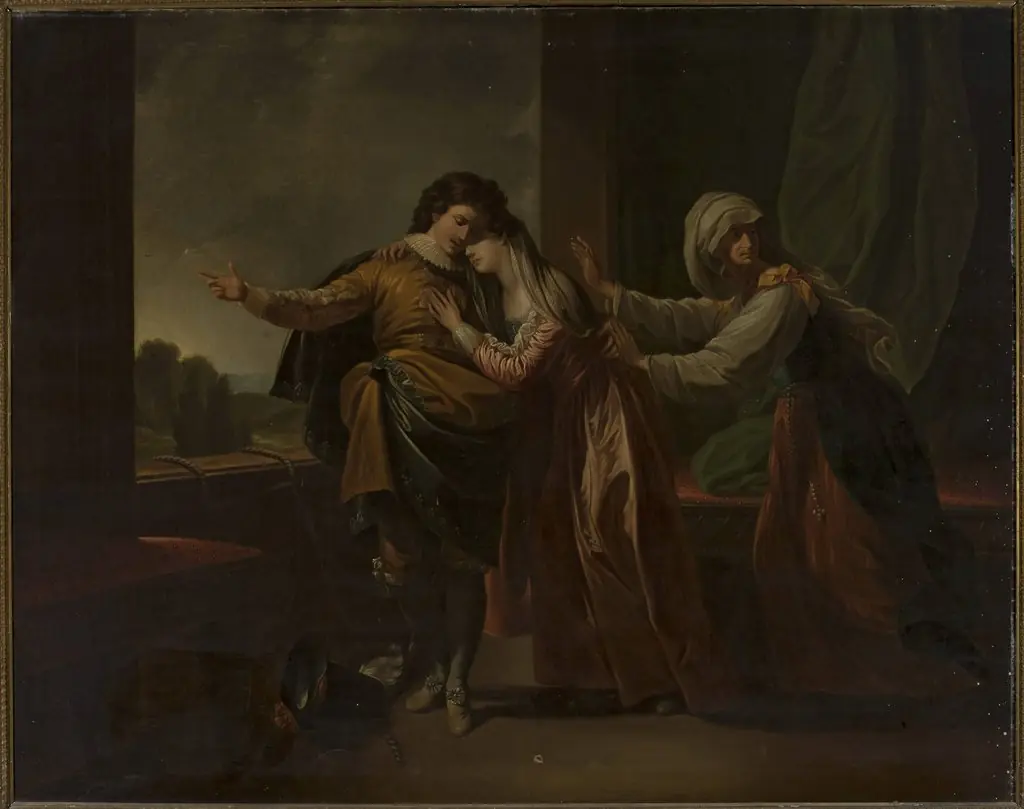
The painting captures Juliet at the moment she hears a footstep in the tomb, realizing time is running out. Kneeling beside Romeo’s body, she draws her dagger, preparing to end her life. The scene corresponds to Shakespeare’s line, 'Yea, noise? Then I'll be brief. O happy dagger!'—a moment of tragic resolve, where light and shadow heighten the tension of her final act.
Technique & Style
Wright employs chiaroscuro to isolate Juliet in a pool of candlelight, contrasting her pale form against the deep shadows of the tomb. The single light source casts sharp, directional illumination, emphasizing texture—fabric, stone, metal—and intensifying the emotional gravity. His handling of light reflects scientific observation, grounding the theatrical moment in tangible realism.
History & Provenance
Painted by 1790, the work was shown publicly that year and again in 1791. It entered the Derby Exhibition in 1839, displayed at the Mechanics' Institute as part of a local cultural initiative. The painting remained in Derby, eventually entering the collection of the Derby Museum and Art Gallery, where it has been held since the late 19th century.
Context
Wright painted during a period when literary subjects, especially Shakespearean scenes, gained popularity among British audiences. His focus on nocturnal interiors aligned with Enlightenment interests in natural light and human psychology. This work reflects a broader cultural trend of visualizing dramatic literature through precise, emotionally resonant imagery.
Legacy
The painting endures as a key example of Wright’s ability to merge theatrical narrative with technical precision. It remains a touchstone for understanding how 18th-century British artists interpreted literary tragedy through light and composition. Its continued display in Derby underscores its regional significance and enduring connection to the artist’s hometown.
Artist & collection
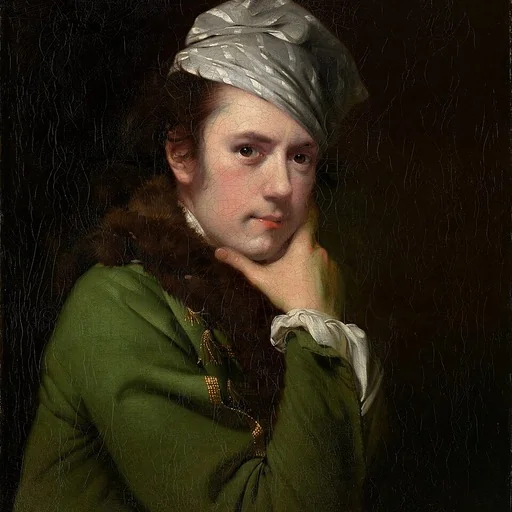
Artist
Joseph Wright (3 September 1734 – 29 August 1797), styled Joseph Wright of Derby, was an English painter who specialised in portrait painting and landscape art.

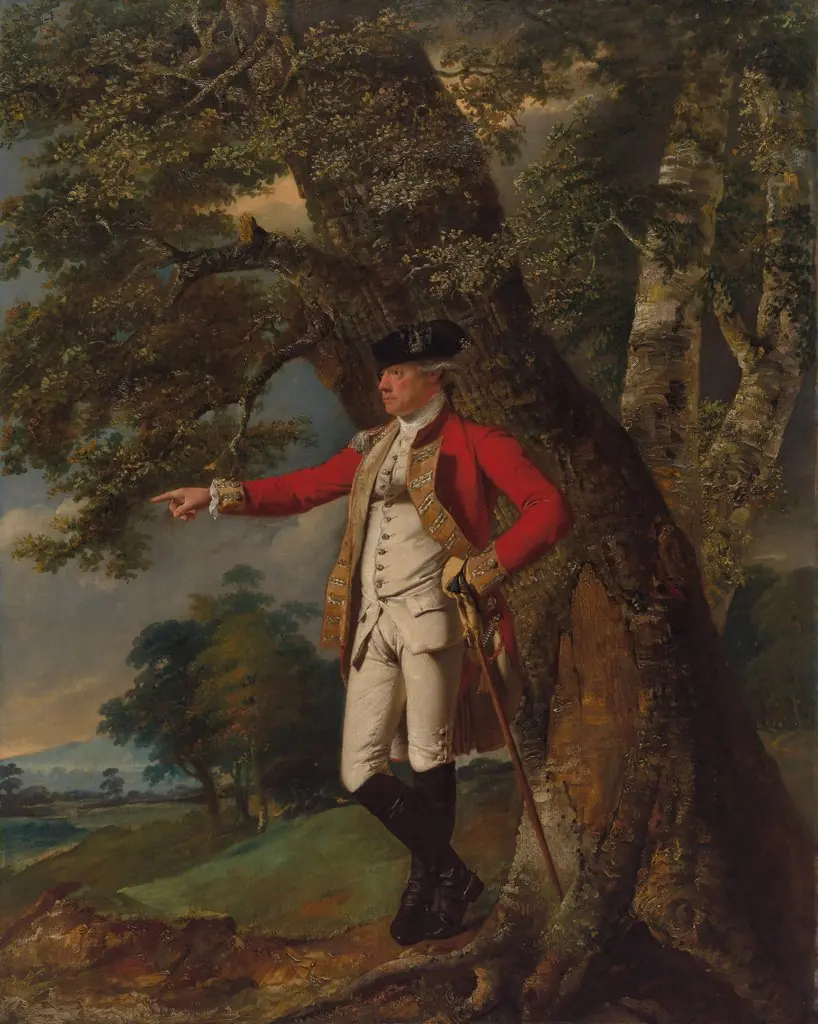 Portrait of Colonel Charles Heathcote
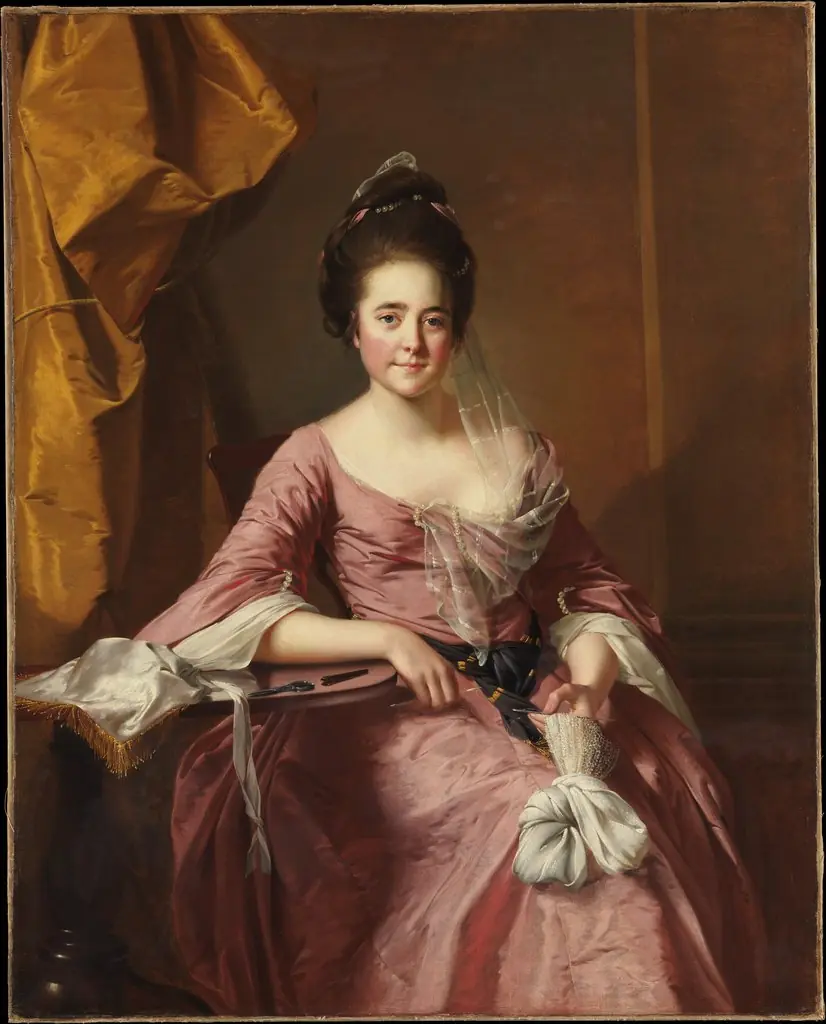 Portrait of a Woman
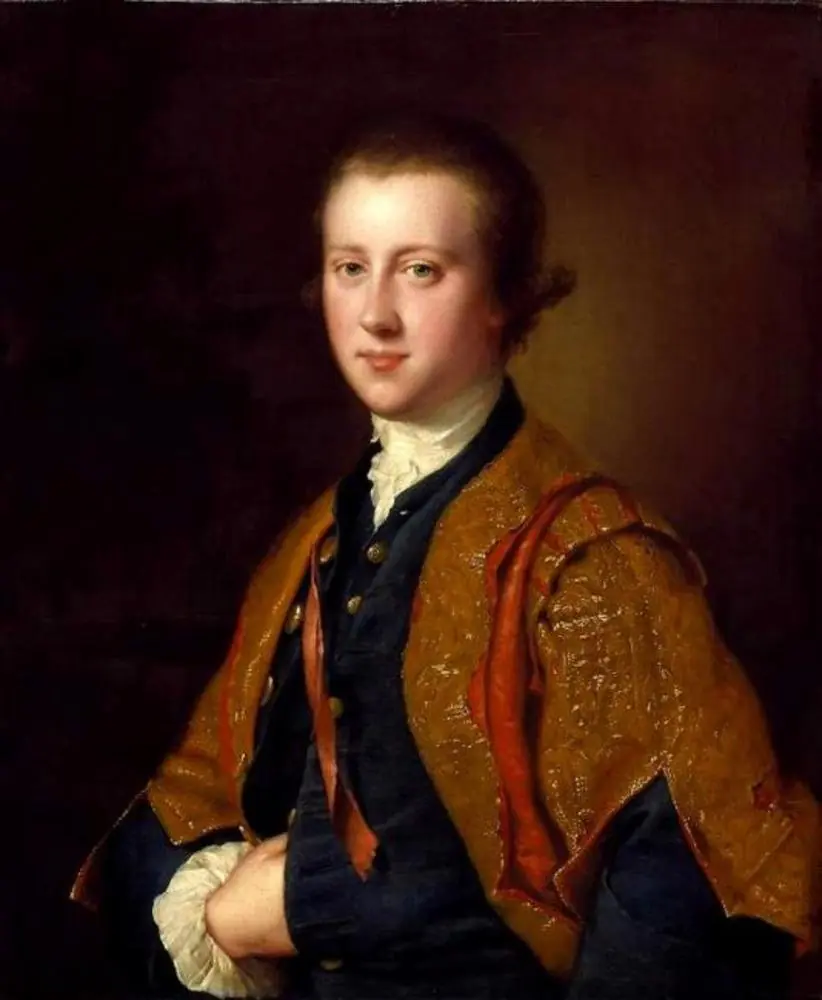 The Hon. Richard Fitzwilliam, 7th Viscount Fitzwilliam of Merrion
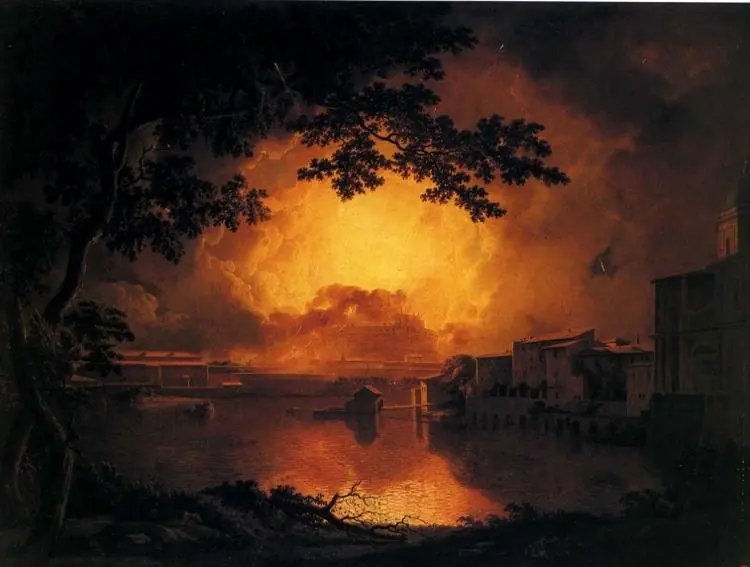 The Girandola at the Castel Sant'Angelo in Rome
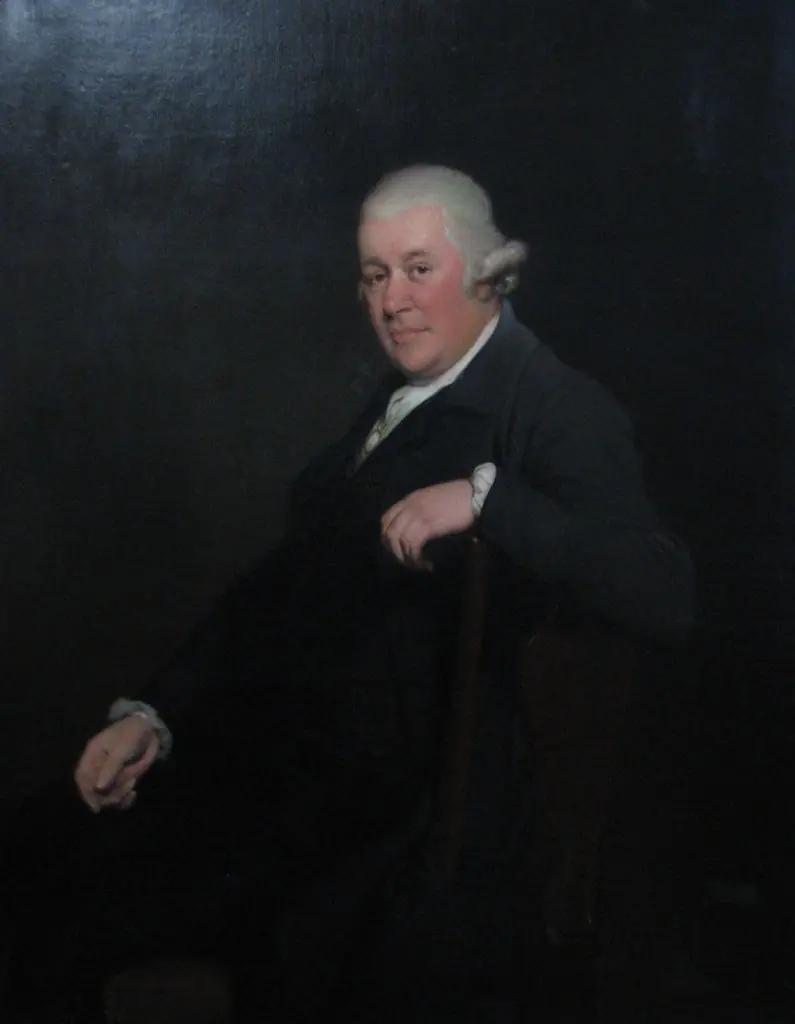 Reverend Basil Bury Beridge
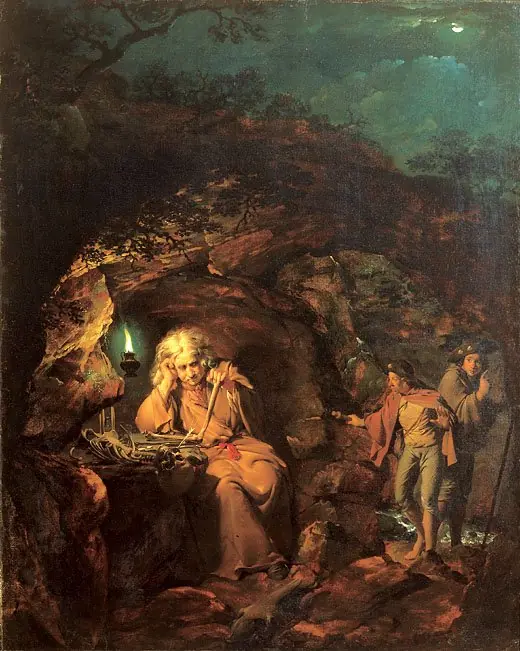 A Philosopher by Lamplight
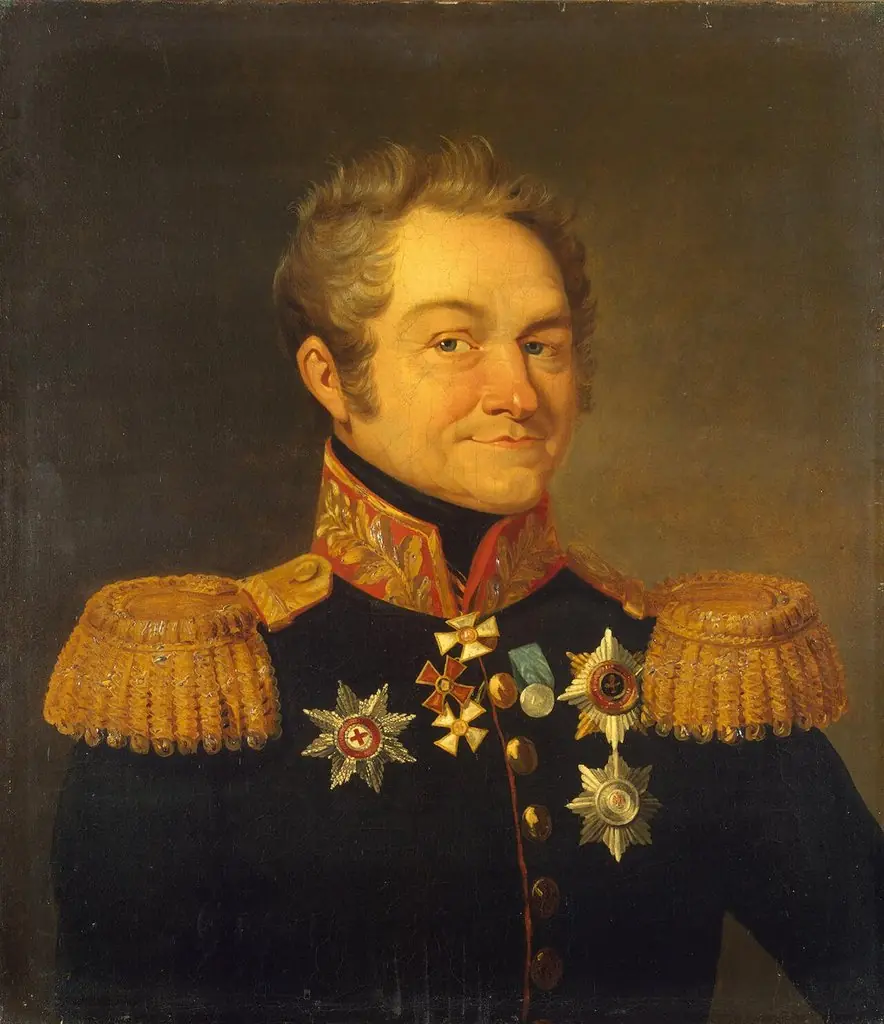 Portrait of Alexander B. Fock (1763-1825)
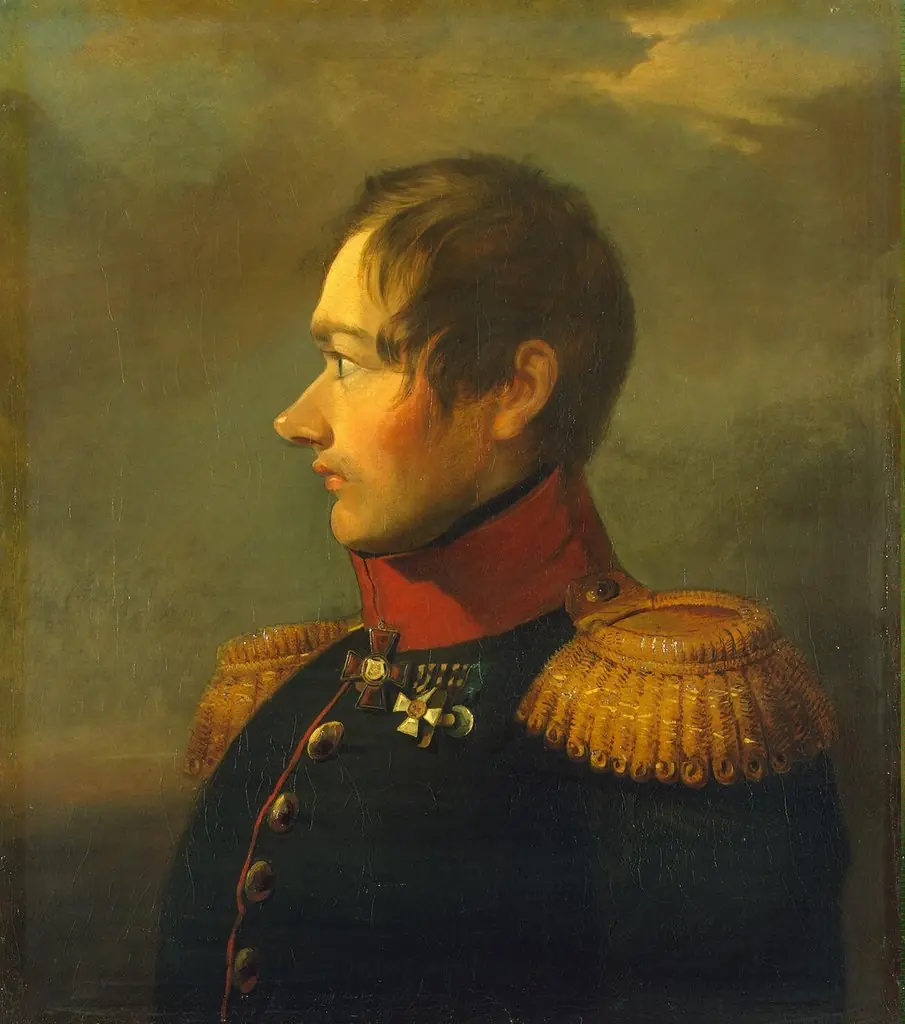 Portrait of Fyodor A. Lindfors (1760-1813)
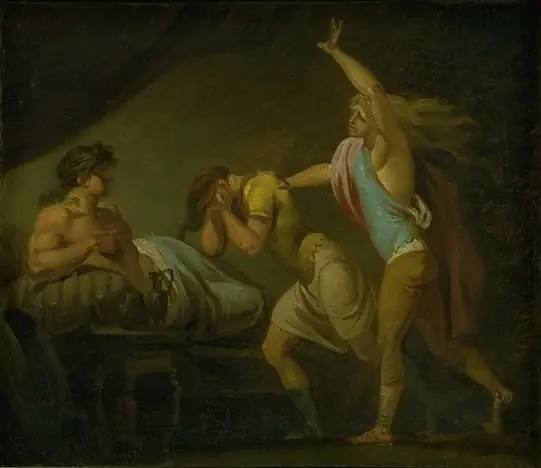 Two Young Men Confessing to Alexander the Great their Conspiracy against Him
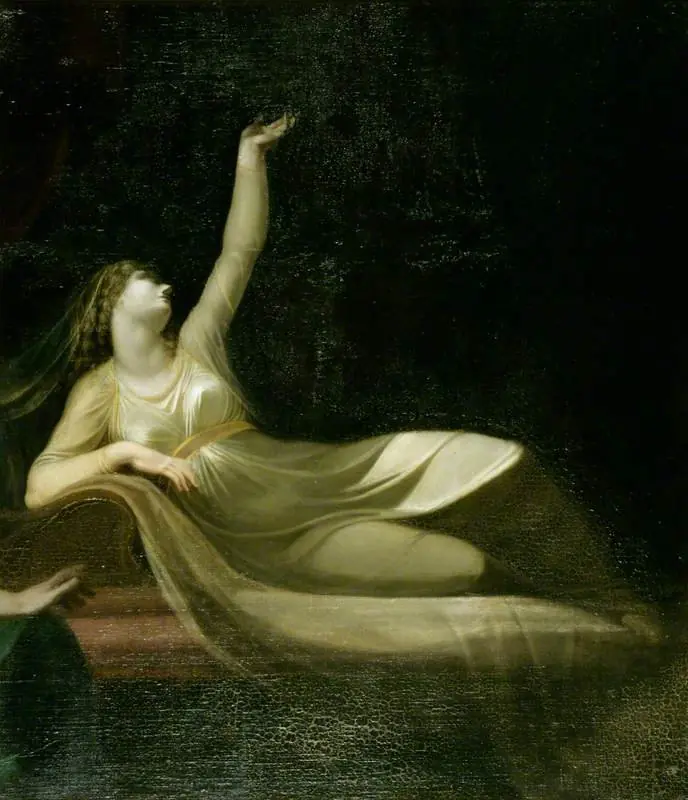 The Dream of Queen Katherine (from William Shakespeare's 'Henry VIII', Act IV, Scene 2) (fragment)
 Paris and Helena Surprised by Menelaus
 Men Fighting
 Kriemhild über der Leiche Siegfrieds
 Mary's Dream
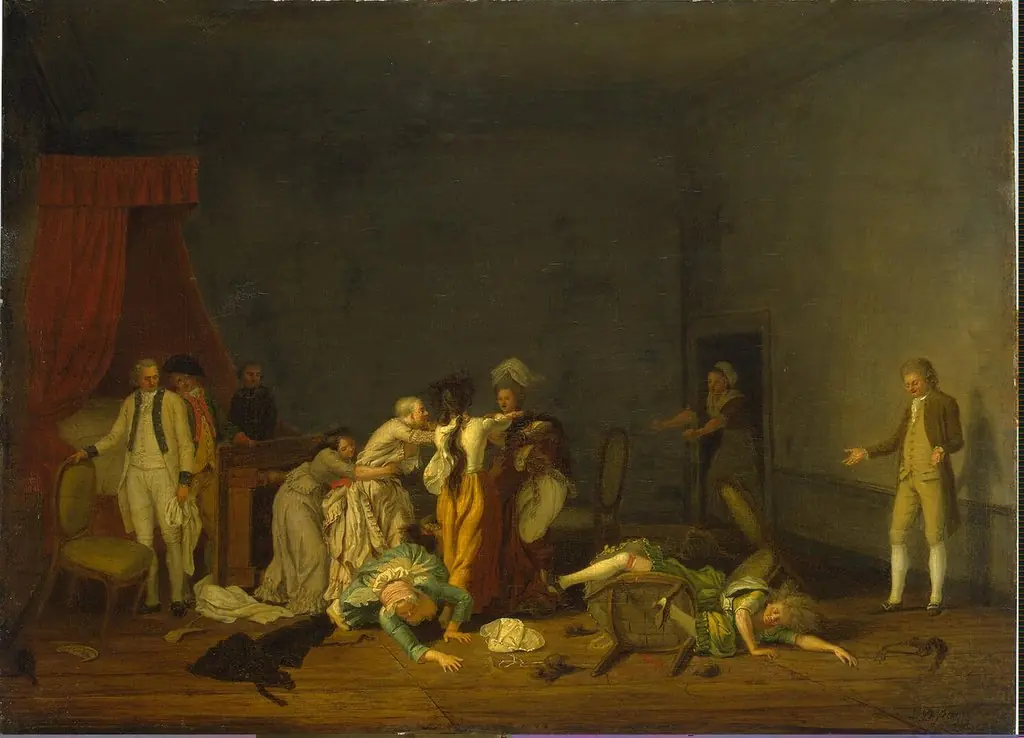 Women Fighting
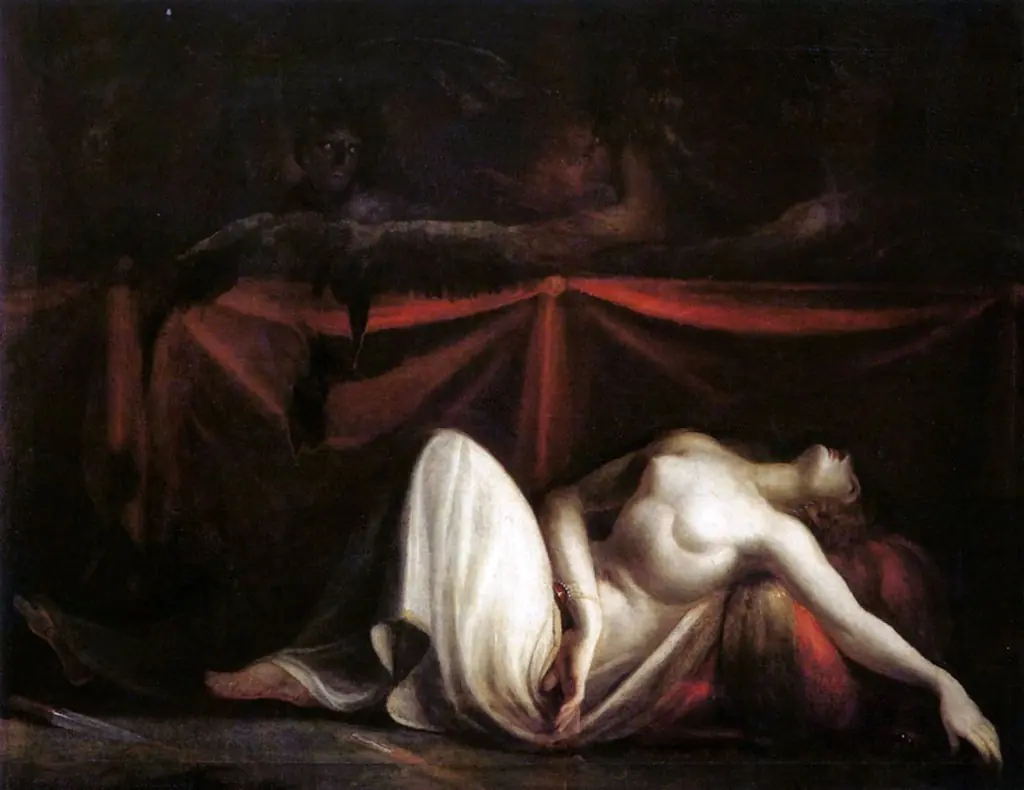 The Erinyes Drive Alcmaeon from the Corpse of his Mother, Eriphyle, Whom He Has Killed.
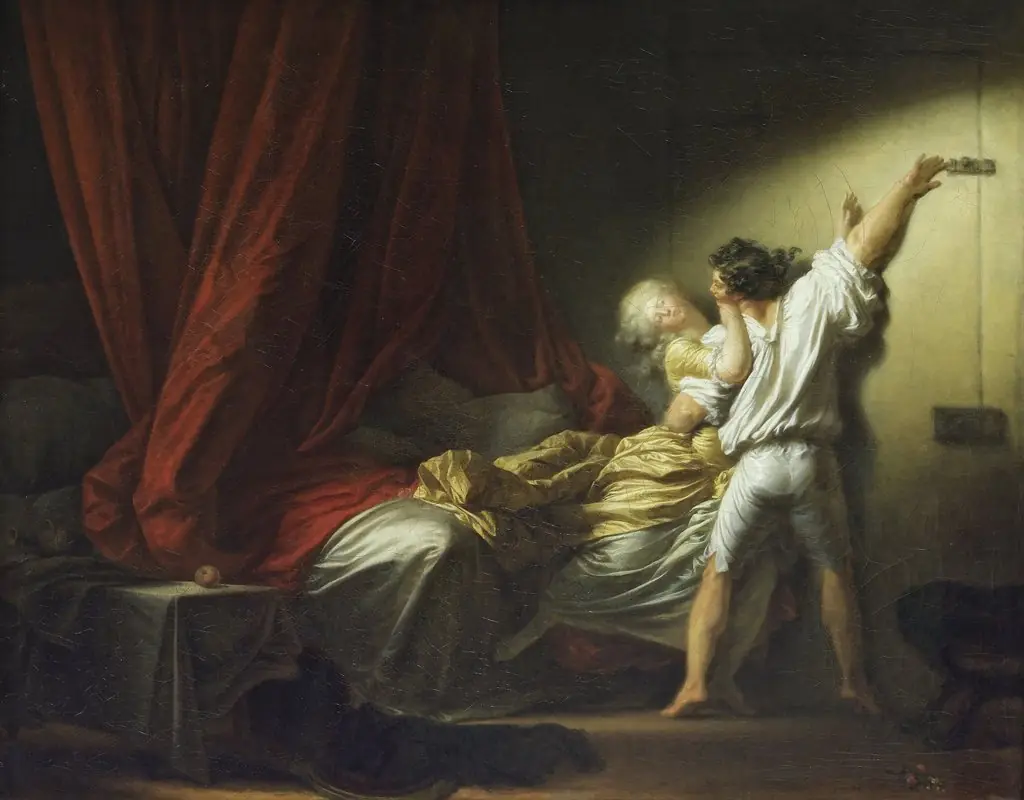 The Lock
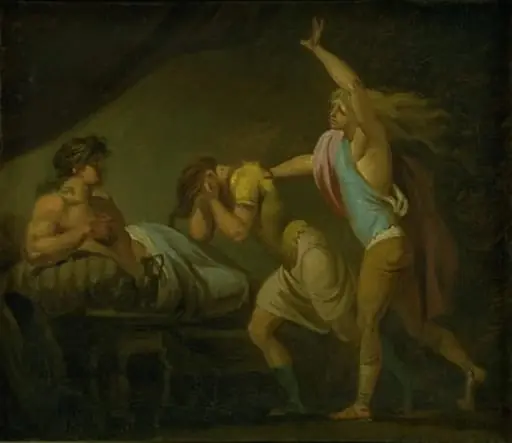 Two Young Men Confessing to Alexander the Great their Conspiracy against Him
 Untitled
 Romeo and Juliet