Artwork
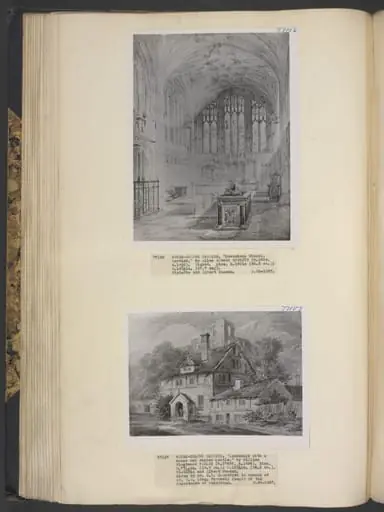
Side chapel in an old church, with altar tomb
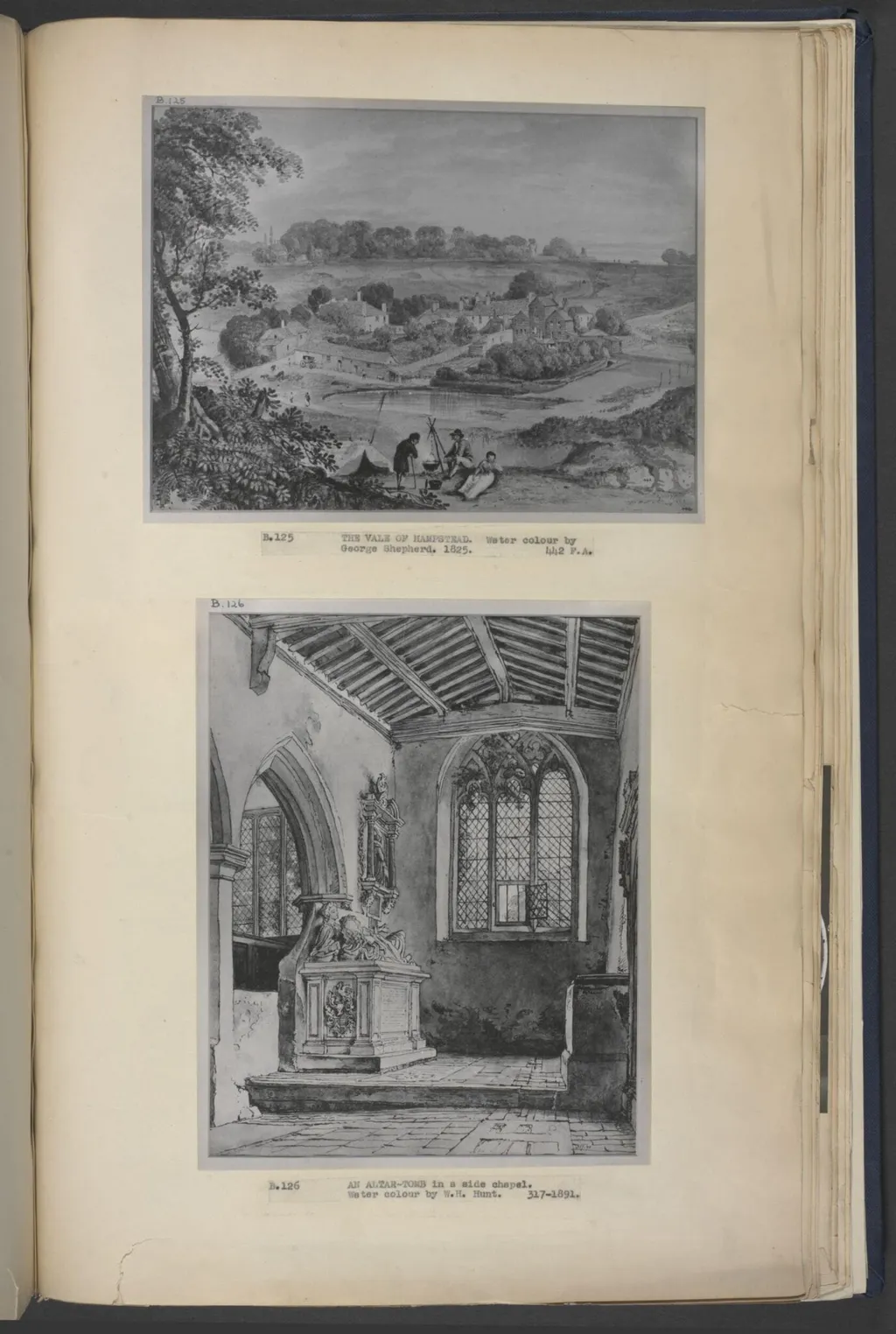
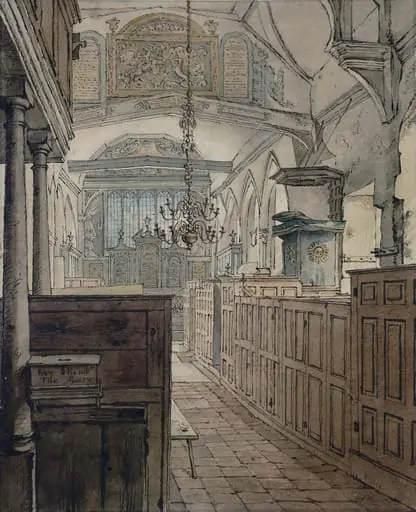
Side chapel in an old church, with altar tomb is a watercolor work on paper by the British Romanticist artist Henry Hunt. It dates from 1810 and is held in the collection of the Victoria and Albert Museum. A watercolour depicts a quiet side chapel within a centuries-old church, centered on an ornate altar tomb.
About this work
Overview
A watercolour depicts a quiet side chapel within a centuries-old church, centered on an ornate altar tomb. The scene is rendered in muted tones, with soft gradations of light and shadow that evoke stillness and age. Stone flooring, exposed wooden rafters, and a tall arched window frame the composition, guiding the eye toward the tomb as the focal point.
Subject & Meaning
The altar tomb, carved with religious symbols including a cross and intricate detailing, serves as both a memorial and a devotional object. A statue rests atop it, likely representing a saint or the deceased. The chapel’s isolation and dim illumination suggest contemplation, emphasizing the tomb’s role as a place of remembrance rather than public ceremony.
Technique & Style
The artist employs delicate watercolour washes to create subtle transitions between light and shadow, enhancing the sense of atmospheric depth. Fine linework defines architectural details—beams, stonework, and carvings—without harsh outlines. The medium’s transparency allows underlying layers to suggest age and texture, reinforcing the chapel’s quiet decay.
History & Provenance
The work is attributed to Henry Hunt, a 19th-century British artist known for topographical watercolours of ecclesiastical interiors. Likely executed during a period of renewed interest in medieval architecture, the piece reflects a documentary impulse, preserving the chapel’s appearance before potential restoration or demolition.
Context
In the early 1800s, artists and antiquarians increasingly turned to churches as subjects of historical and aesthetic study. This watercolour aligns with a broader movement to record sacred spaces in decline, capturing not only architecture but the spiritual atmosphere associated with them, often overlooked in more formal religious art.
Legacy
Though not widely exhibited, the work contributes to a body of topographical watercolours that helped shape public perception of Britain’s ecclesiastical heritage. Its quiet realism offers a counterpoint to romanticized depictions of ruins, preserving the dignity of ordinary sacred spaces through careful observation.
Artist & collection
Artist
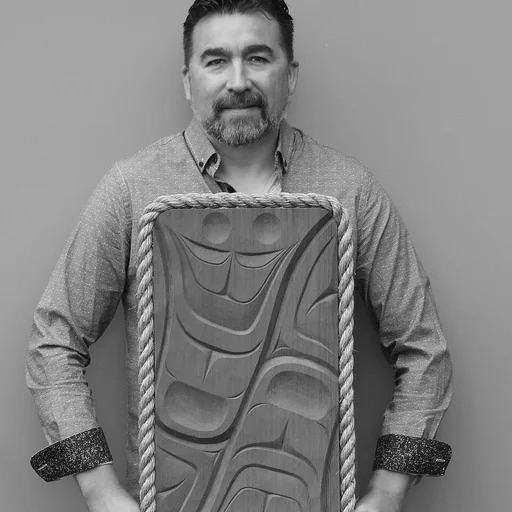
Henry Hunt (16 October 1923 – 13 March 1985) was a First Nations woodcarver and artist from the Kwakwaka'wakw (formerly "Kwakiutl") people of coastal British Columbia.

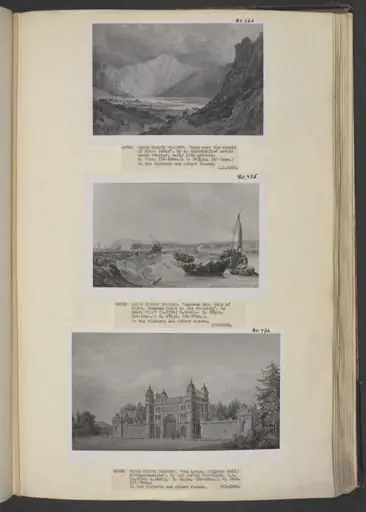 Llyn-y- Cau, the tarn near the summit of Cader Idris, Merionethshire, North Wales
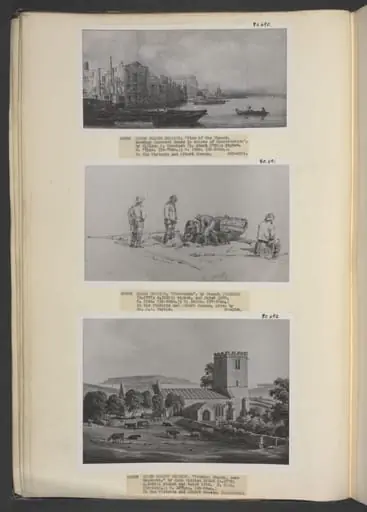 Fishermen
 Beachamp Chapel, Warwick
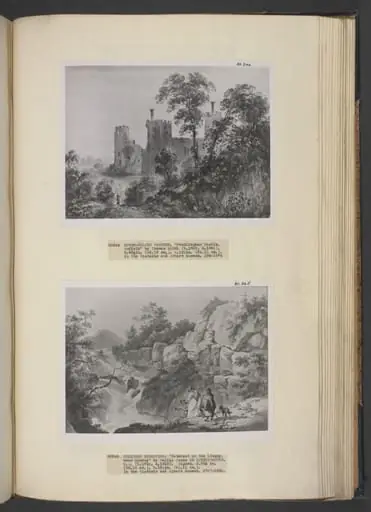 Framlingham Castle
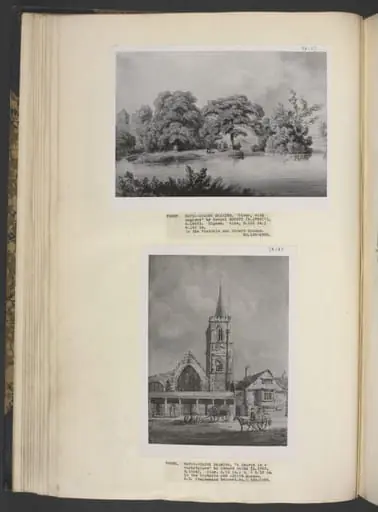 River with Anglers
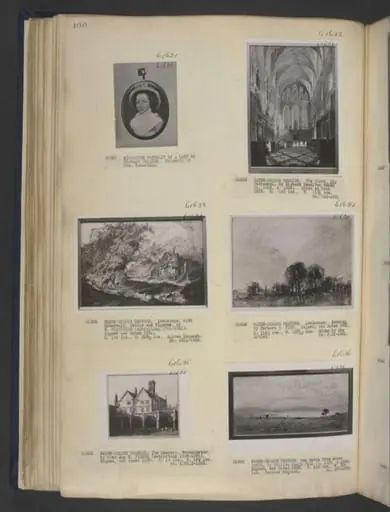 Landscape : Evening
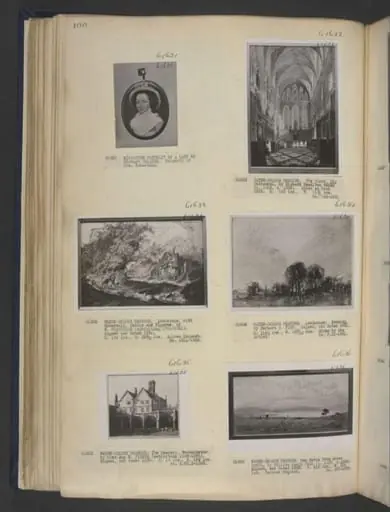 The choir, Ely Cathedral
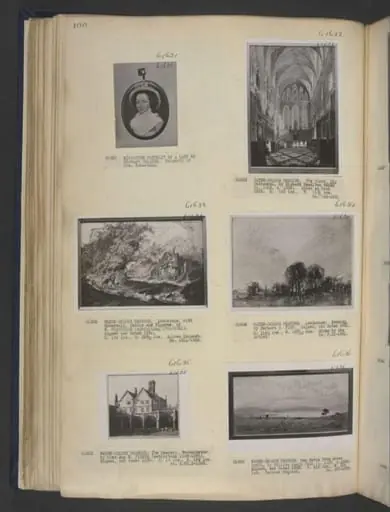 The Deanery, Westminster
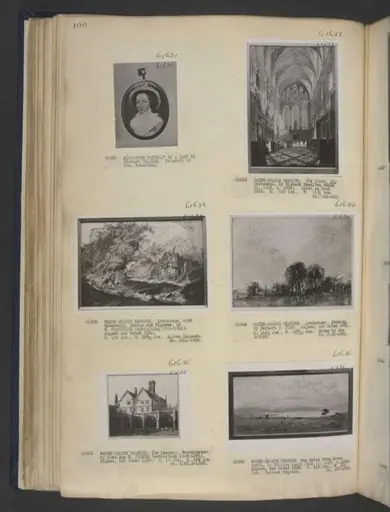 Ben Nevis from above Navin
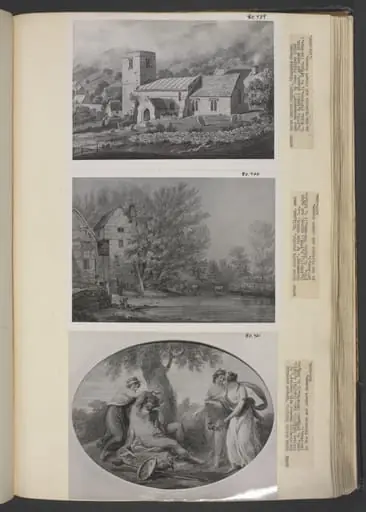 Nymphs adorning the sleeping Bacchus with wreaths
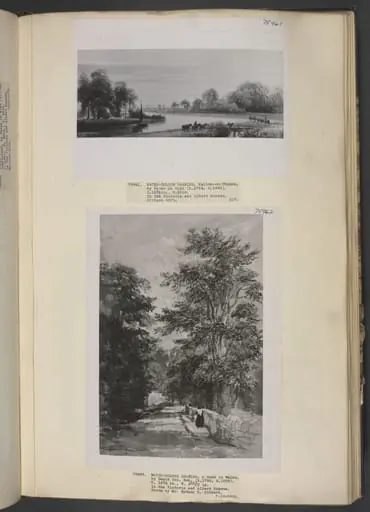 Walton-on-Thames