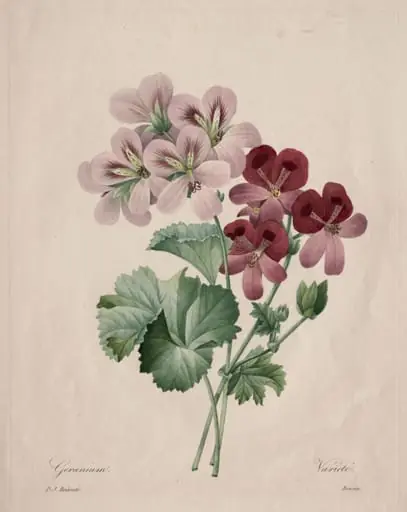
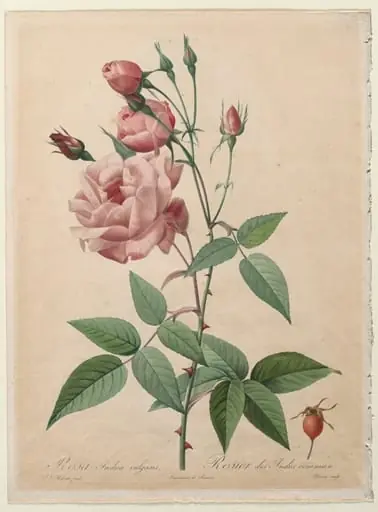
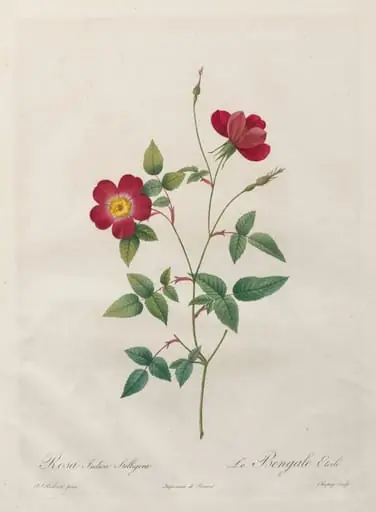
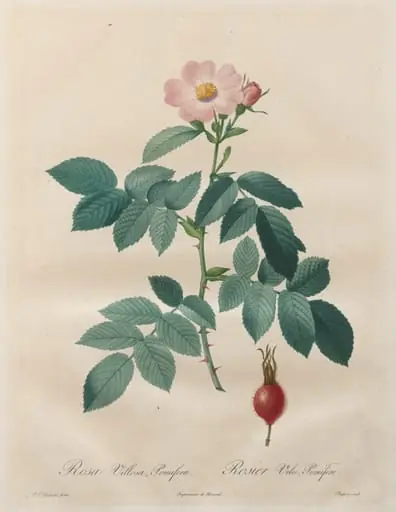
Artwork
Les Liliacées: Amaryllis Lutes
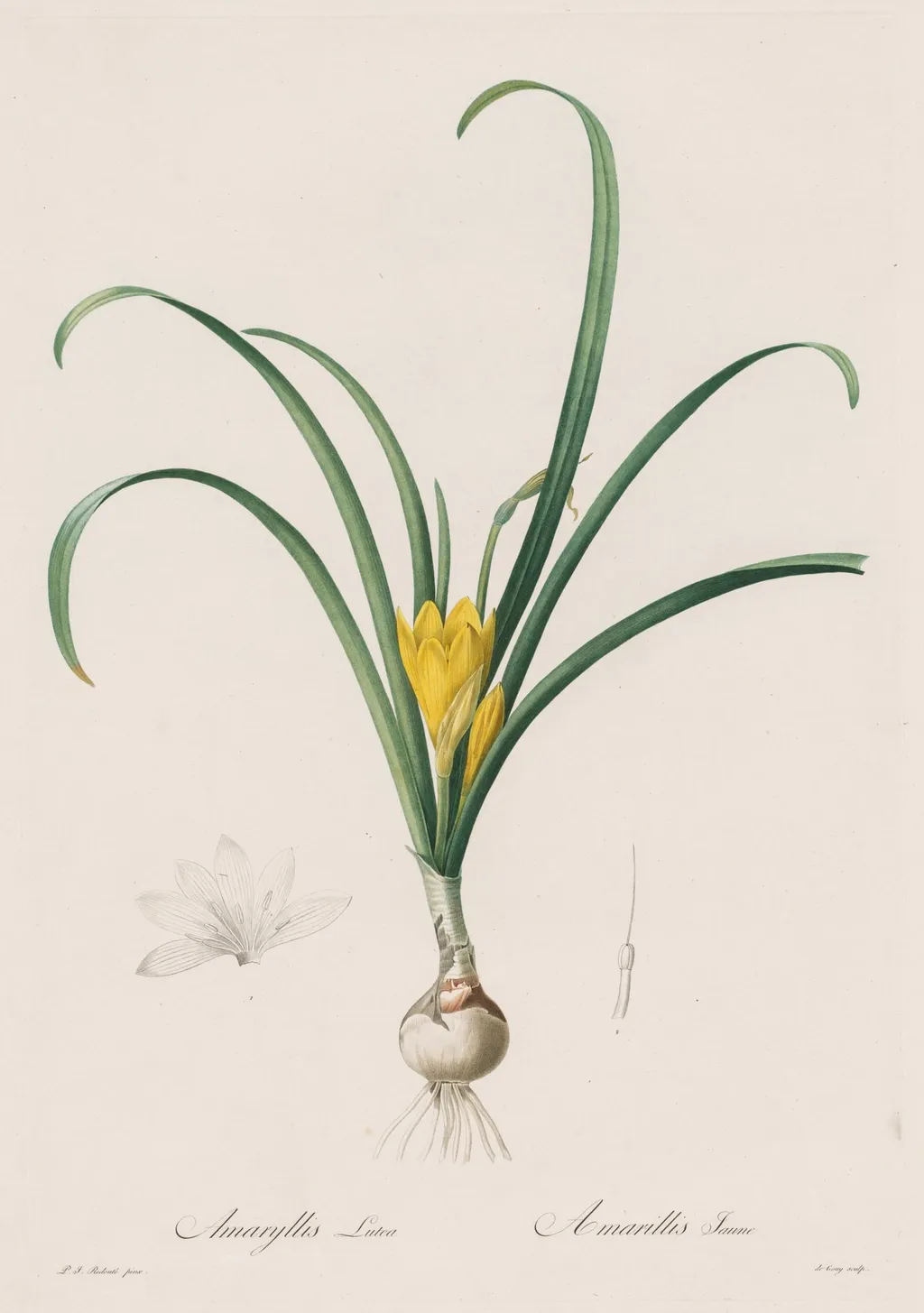
Les Liliacées: Amaryllis Lutes is a print by the Romanticist artist Henry Joseph Redouté. It dates from 1809 and is held in the collection of the Cleveland Museum of Art.
About this work
Overview
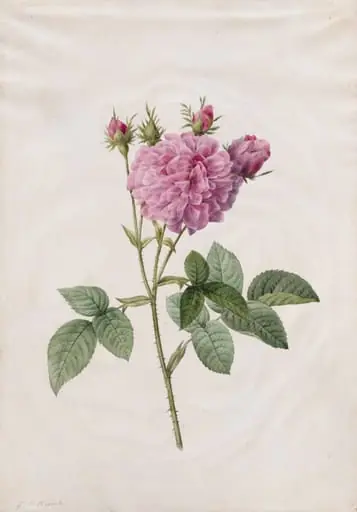
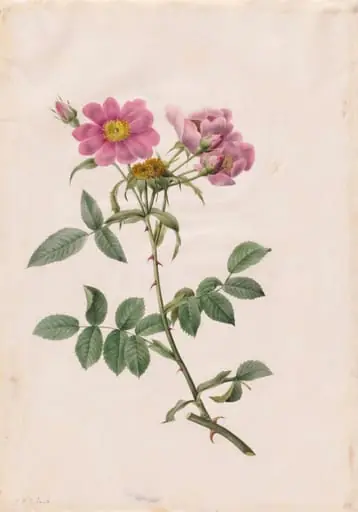
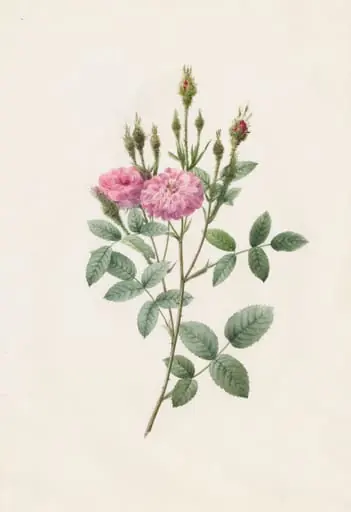
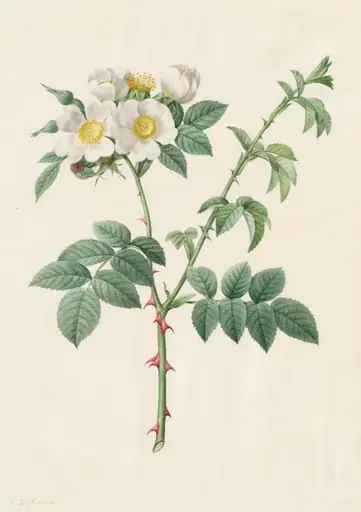
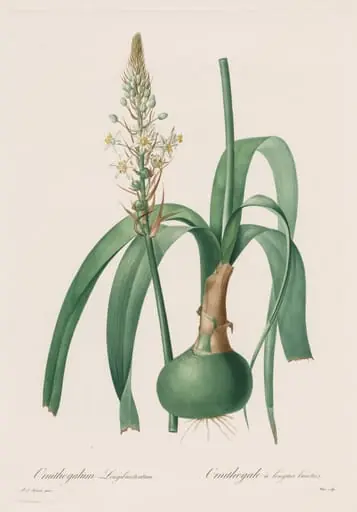
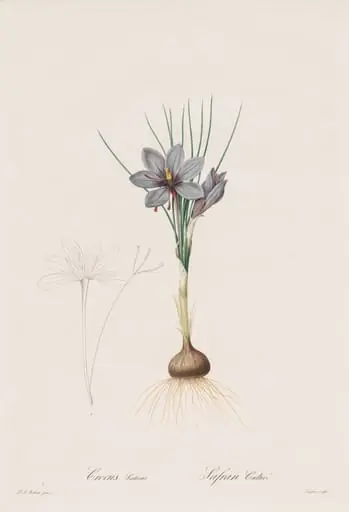
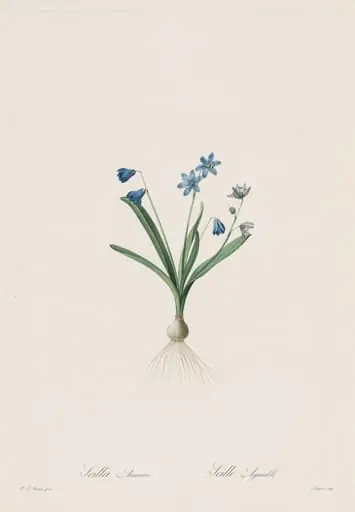
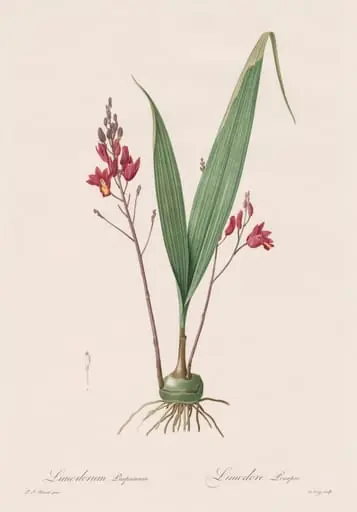
Les Liliacées: Amaryllis Lutes is a botanical print by Henry Joseph Redouté, produced in 1809 as part of a larger series documenting lily family plants.
Les Liliacées: Amaryllis Lutes is a botanical print by Henry Joseph Redouté, produced in 1809 as part of a larger series documenting lily family plants. The work is held in the collection of The Cleveland Museum of Art. It presents a precise, life-sized depiction of the amaryllis lutes, rendered with scientific accuracy and aesthetic restraint, reflecting the intersection of art and natural history in early 19th-century Europe.
Subject & Meaning
The subject is a single bloom of Amaryllis lutes, chosen for its structural elegance and botanical significance. The composition isolates the flower to emphasize its anatomical features—petal curvature, stamen arrangement, and subtle gradations in color. This focused representation served not merely decorative purposes but aimed to aid botanical classification, aligning with Enlightenment-era efforts to systematize plant knowledge.
Technique & Style
Redouté employed fine, controlled line work and delicate watercolor washes to capture the flower’s form. He avoided heavy shading, instead using subtle tonal transitions to suggest volume and texture. The background remains unobtrusive, directing attention entirely to the specimen. This method, rooted in Enlightenment naturalism, prioritized clarity over dramatic effect, distinguishing his work from ornamental floral painting of the period.
History & Provenance
Created during Redouté’s tenure as court artist to Empress Joséphine at Malmaison, this print was part of a multi-volume publication commissioned to document her extensive botanical collection. The work was produced using hand-colored engravings, a labor-intensive process requiring precision. The Cleveland Museum of Art acquired the print as part of its broader collection of scientific illustrations, preserving its role in the history of botanical documentation.
Context
Redouté’s work emerged amid a surge in European botanical exploration and illustration. His prints were made during a time when accurate plant imagery was vital for scientific exchange, especially as colonial expeditions brought new species to European gardens. Unlike earlier decorative florilegia, his illustrations were designed for scholarly use, balancing aesthetic refinement with taxonomic fidelity.
Legacy
Redouté’s prints set a standard for botanical illustration in the 19th century, influencing both scientific and artistic communities. His method of combining precision with quiet beauty became a model for later naturalists. Though no longer used for identification today, his works remain valued for their historical record and the quiet discipline they embody in representing the natural world.
Artist & collection
Artist
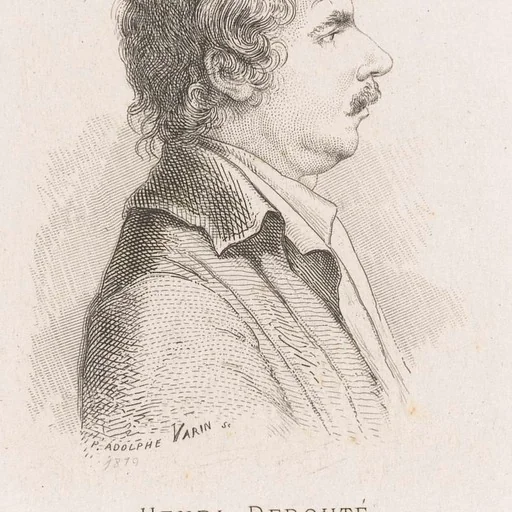
Henry Joseph Redouté (1766–1852) was a French artist, born in Saint-Hubert.