Artwork
Les Liliacées: Limodorum purpureum
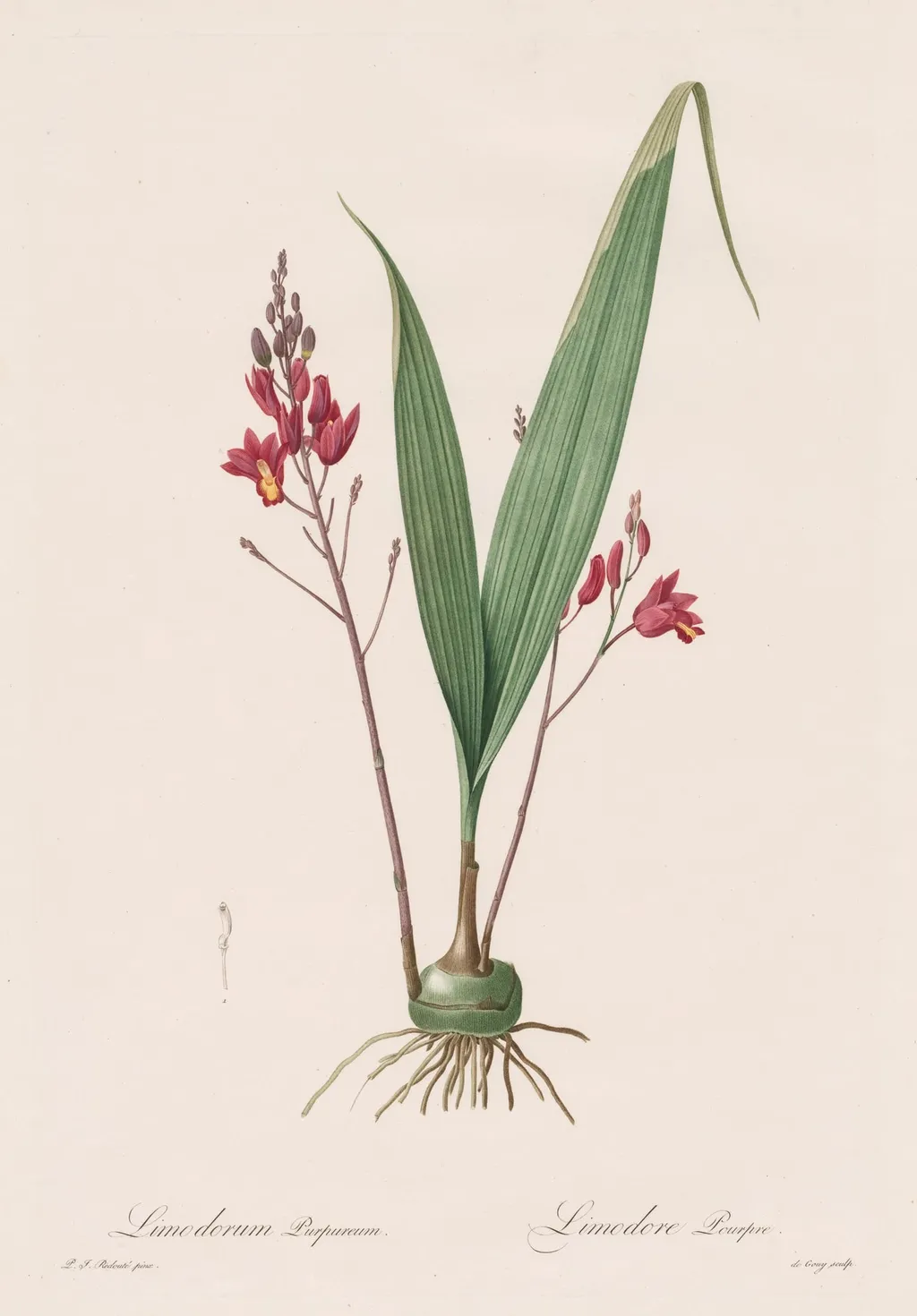
Les Liliacées: Limodorum purpureum is a print by the Romanticist artist Pierre Joseph Redouté. It dates from 1809 and is held in the collection of the Cleveland Museum of Art.
About this work
Overview
Les Liliacées: Limodorum purpureum is a botanical print created by Pierre-Joseph Redouté in 1809, featuring a detailed depiction of the purple orchid Limodorum purpureum. Characterized by its meticulous rendering, the work showcases Redouté's renowned botanical illustration skills.
Subject & Meaning
The subject, Limodorum purpureum, is portrayed with exceptional realism, highlighting Redouté's ability to capture the intricacies of flora. The emphasis on texture, from petal folds to dewdrops, reflects his dedication to scientific accuracy and aesthetic appeal.
Technique & Style
Executed as a large coloured stipple engraving, the piece exhibits Redouté's precise technique. His close-up composition and crisp details draw parallels with the work of Georg Dionysius Ehret, suggesting a stylistic influence.
History & Provenance
Redouté, court artist to Marie Antoinette, produced this work amidst significant political turmoil, including the French Revolution and Reign of Terror. His enduring career spanned service to both royal and scientific patrons.
Context
Part of Redouté's series Les Liliacées, this engraving represents the intersection of art and botany during the late 18th and early 19th centuries, catering to the interests of both scientific communities and aristocratic collectors.
Artist & collection

Artist
Pierre-Joseph Redouté (French pronunciation: , 10 July 1759 – 19 June 1840), was a painter and botanist from the Austrian Netherlands, known for his watercolours of roses, lilies and other flowers at the Château de…

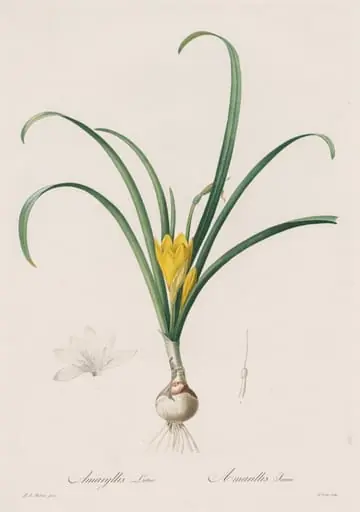 Les Liliacées: Amaryllis Lutes
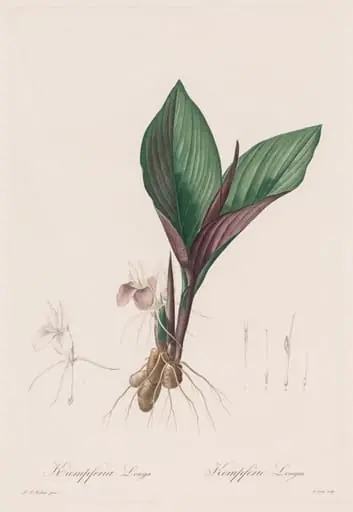 Les Liliacées: Kaempferia longa
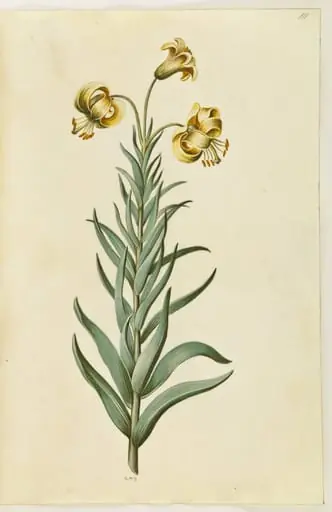 Lilium pyrenaicum (pyrenæisk lilje)
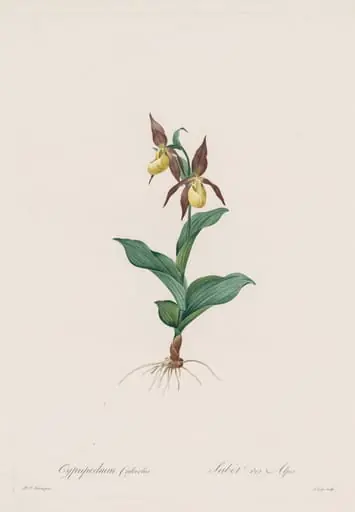 Les Liliacées: Cypripedium calceolus
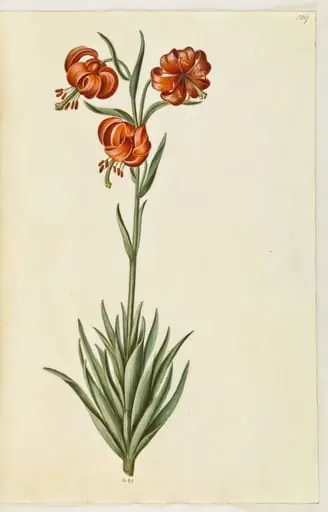 Lilium pomponium (pompon-lilje)
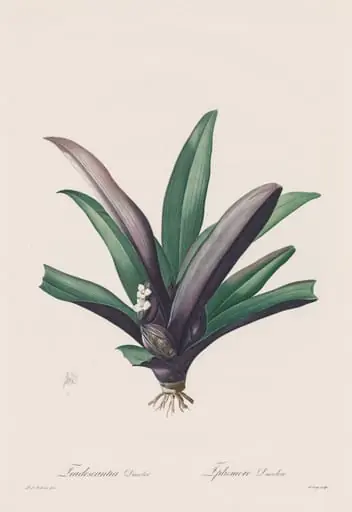 Les Liliacées: Tradescantia discolor
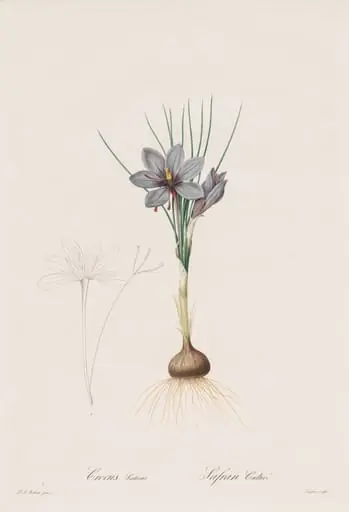 Les Liliacées: Crocus Sativus
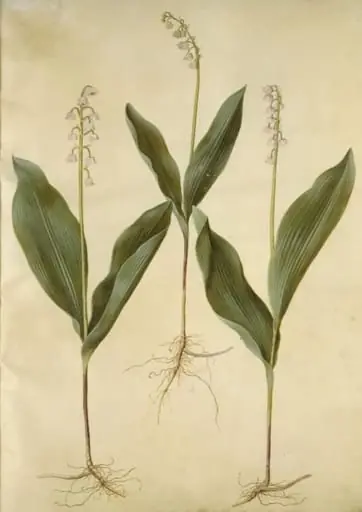 Convallaria majalis (liljekonval); Convallaria majalis (varietet af liljekonval)
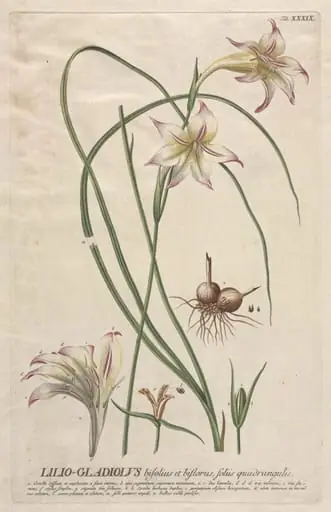 Plantae Selectae: No. 39 - Lilio-Gladiolus
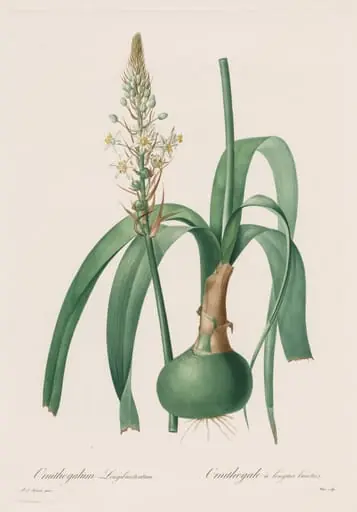 Les Liliacées: Ornithogalum longibracteatum
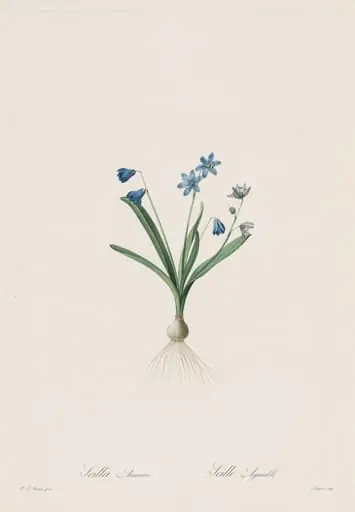 Les Liliacées: Scilla amaena