Artwork
Ideas for Sculpture: Six Half-Figures
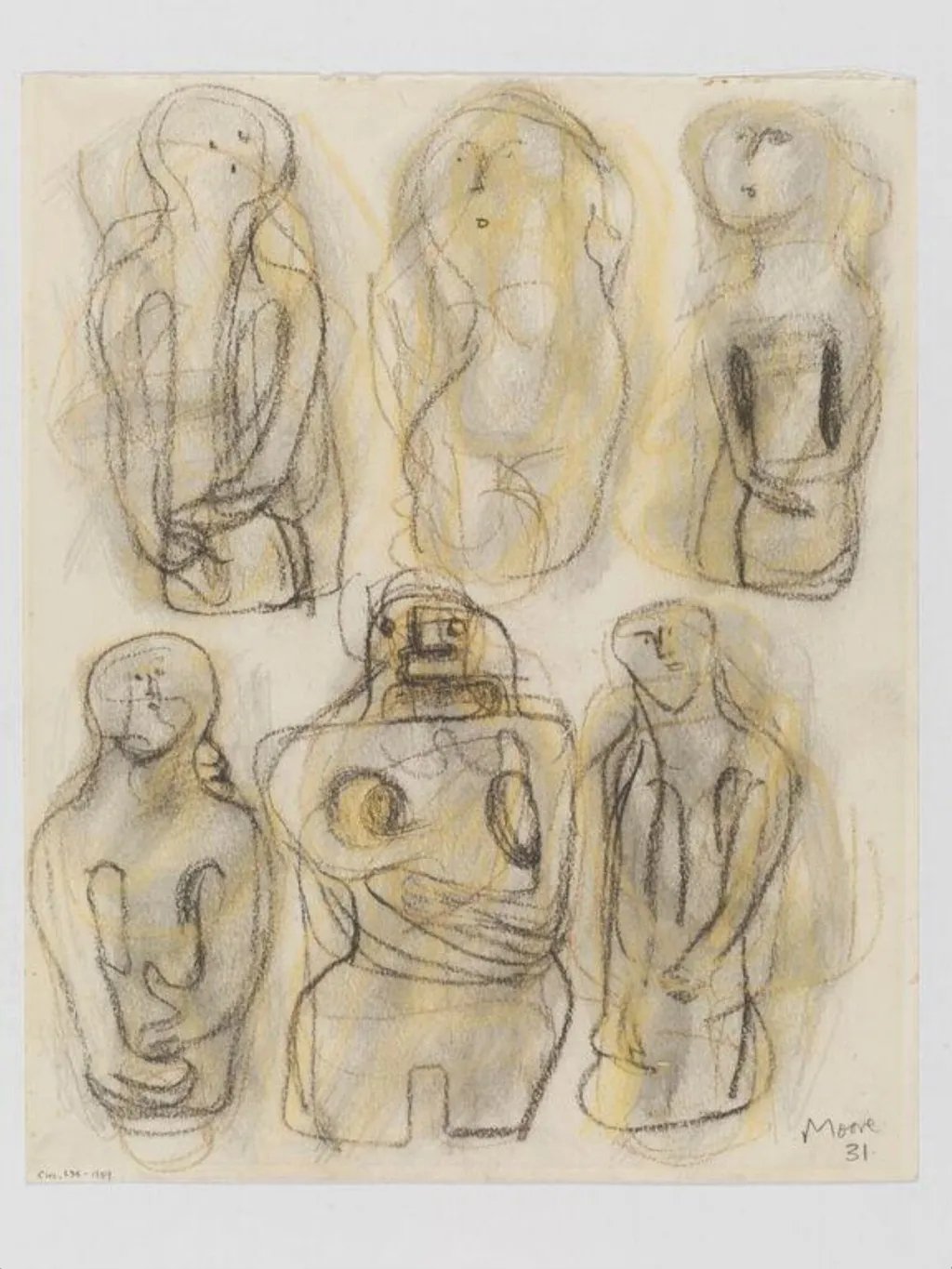
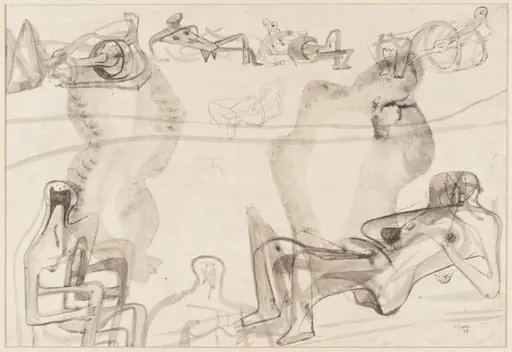
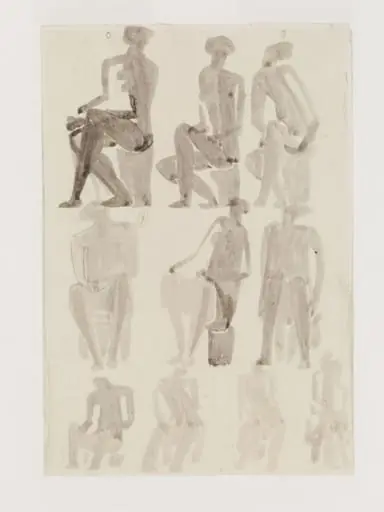
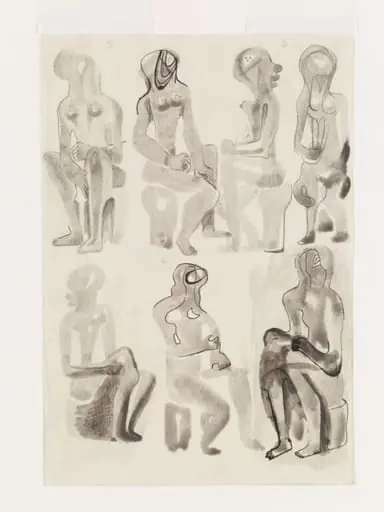
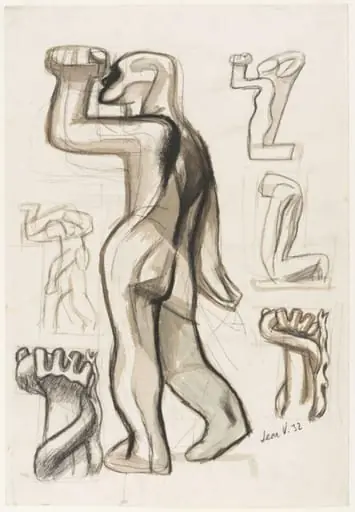
Ideas for Sculpture: Six Half-Figures is a drawing by Henry Moore. It dates from 1931 and is held in the collection of the Victoria and Albert Museum.
About this work
Overview
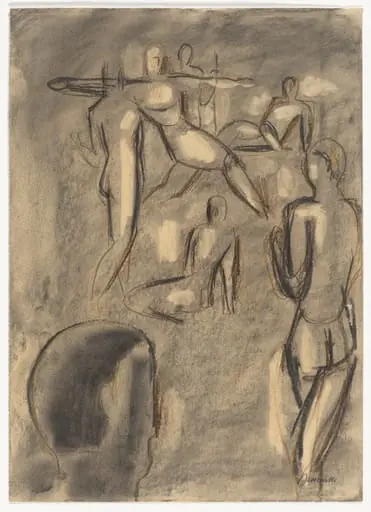
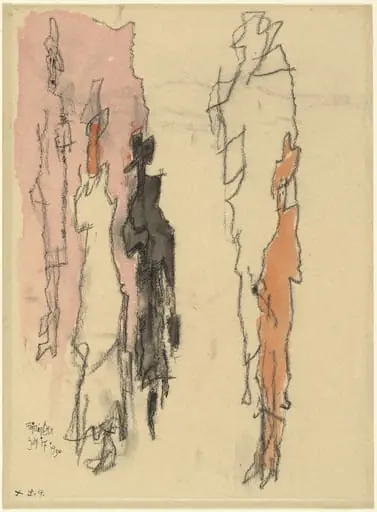
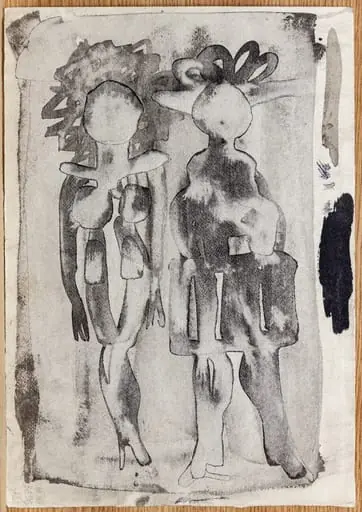
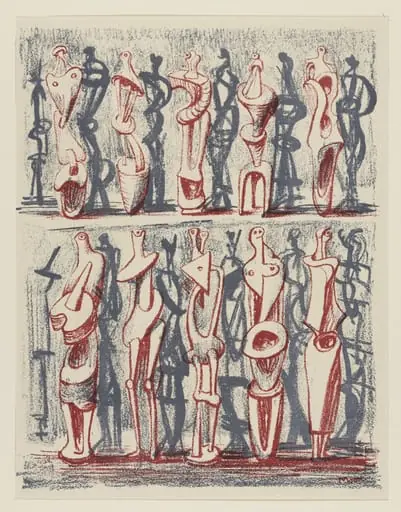
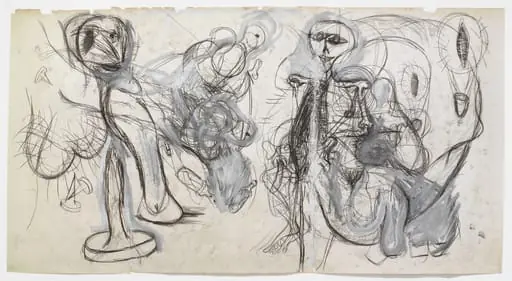
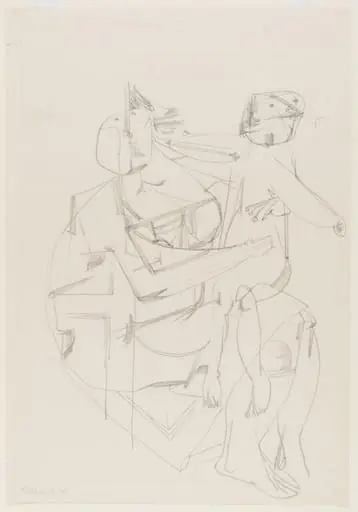
In 1931 Henry Moore produced a series of six preparatory drawings that explore half‑figure compositions. Executed in pencil, the studies present a range of standing and seated poses, some clothed, others nude, rendered with quick, uneven lines and modest shading that emphasize mass over surface detail.
Subject & Meaning
The sketches focus on the basic geometry of the human torso and limbs, isolating the figure’s volume without full anatomical completion. By presenting only half‑figures, Moore investigates how partial forms suggest a larger, unseen whole, a concern that informs his later sculptural work.
Technique & Style
Moore employed light pencil strokes for general modeling, reinforced by darker outlines to mark decisive edges. The drawings are intentionally sketchy, prioritising the exploration of shape and balance over refined rendering, a method characteristic of his early study practices.
History & Provenance
These studies were created as preparatory work for a sculpture later owned by the collector E. C. Gregory. The finished sculpture entered the Tate Gallery’s collection, while the drawings themselves are catalogued by the Henry Moore Foundation as HMF 868.
Context
The early 1930s marked a period when Moore was refining his approach to figurative abstraction, moving away from detailed representation toward simplified, monumental forms. These drawings exemplify his experimental process during that transitional phase.
Artist & collection
Artist
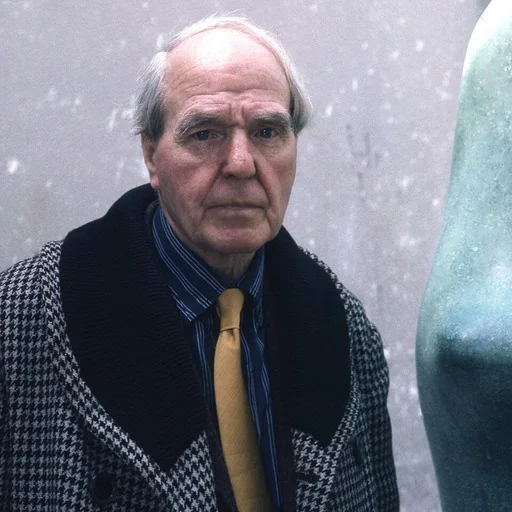
Henry Spencer Moore (30 July 1898 – 31 August 1986) was an English visual artist.