Artwork
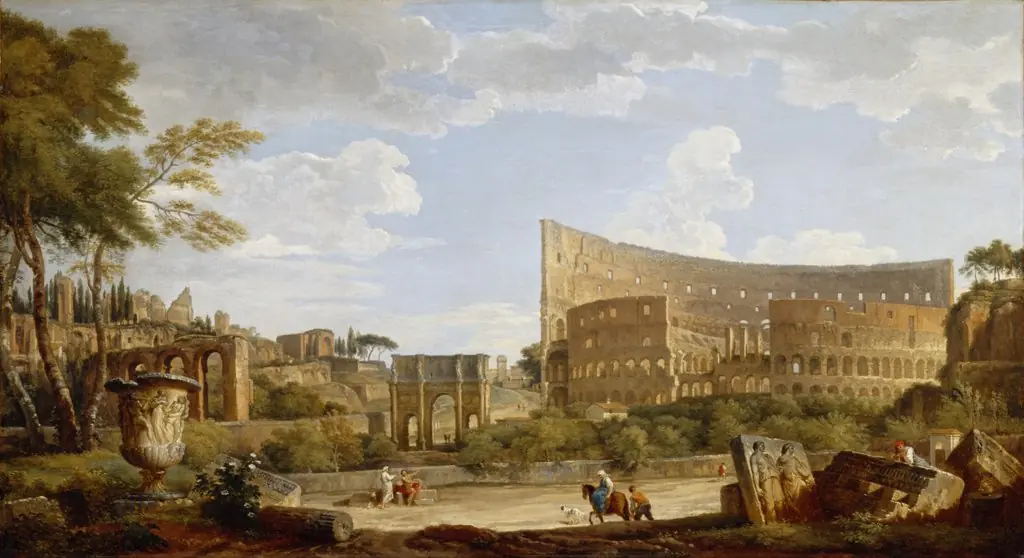
View of the Colosseum
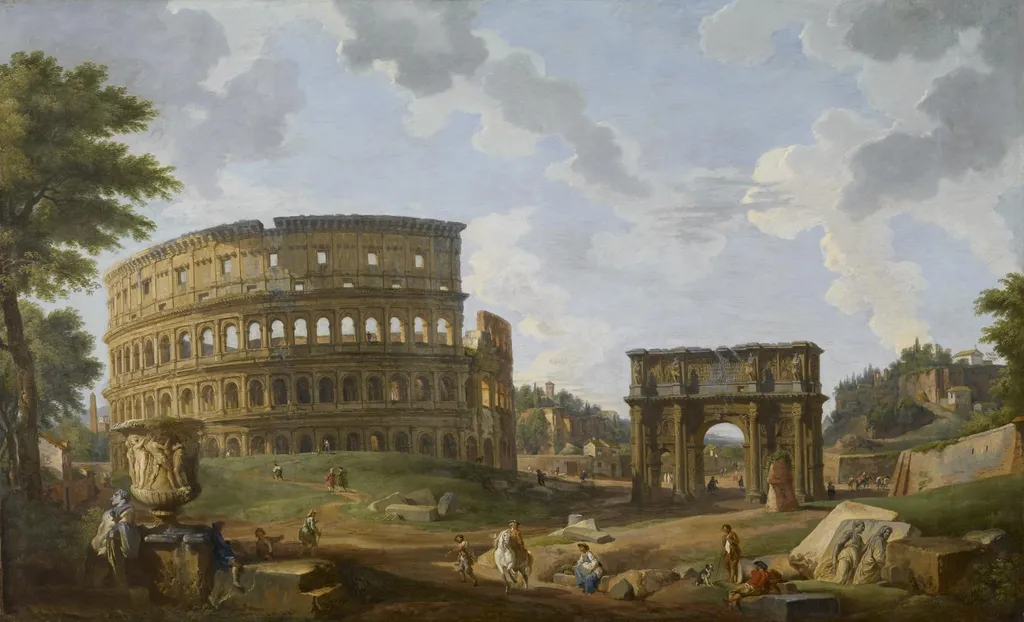
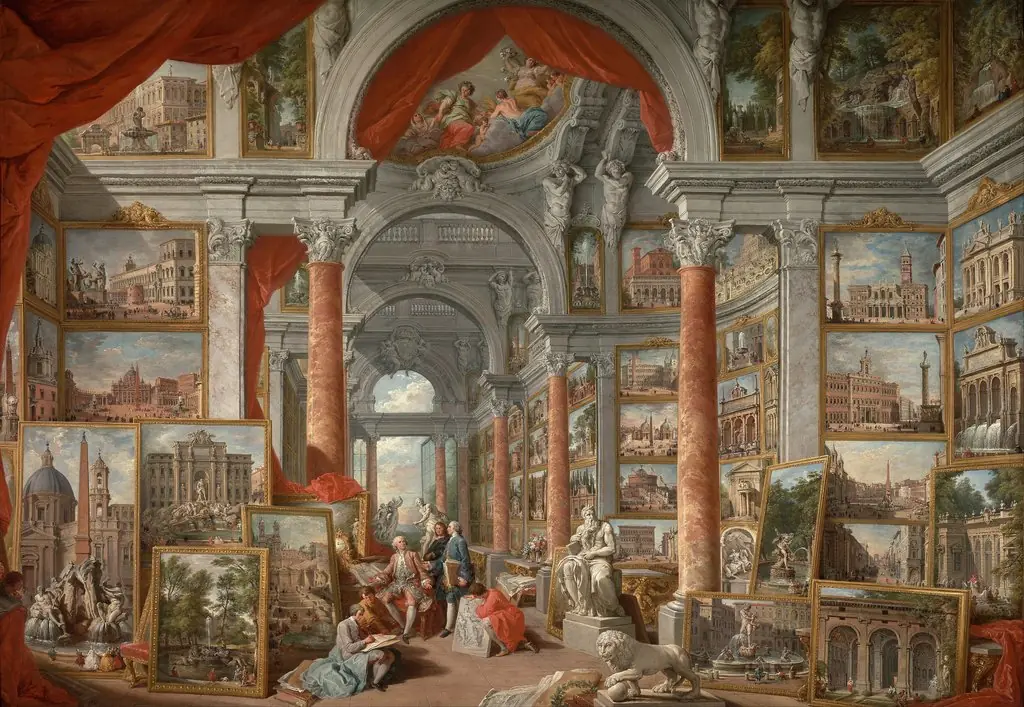
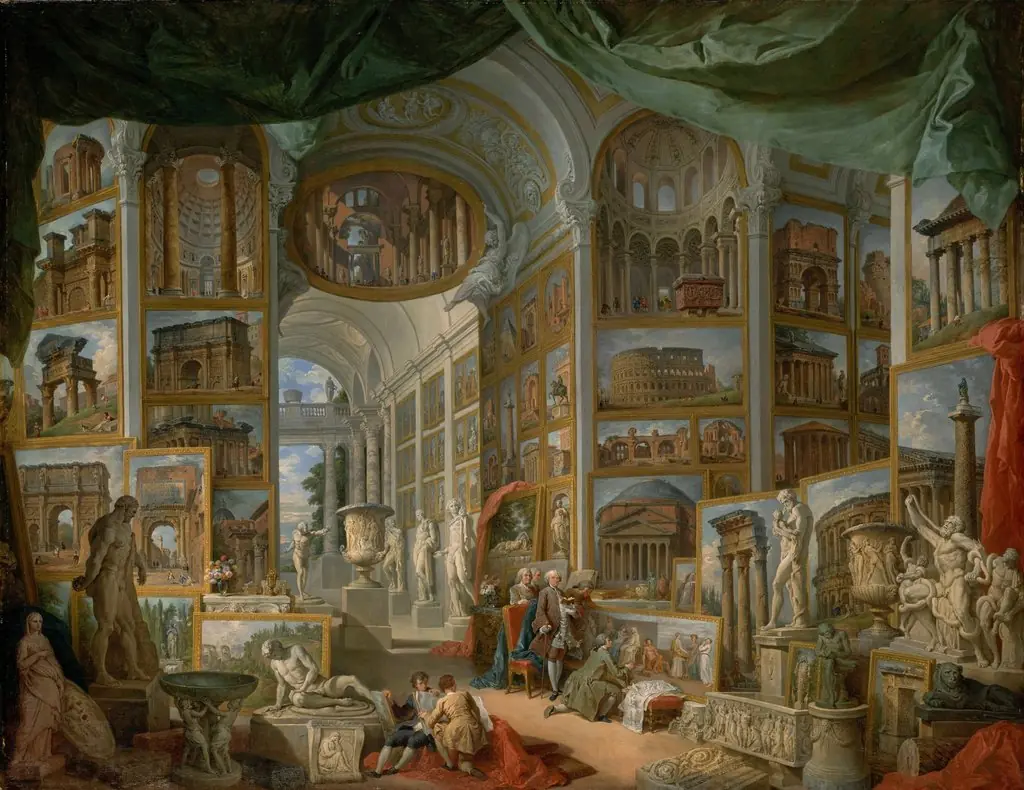
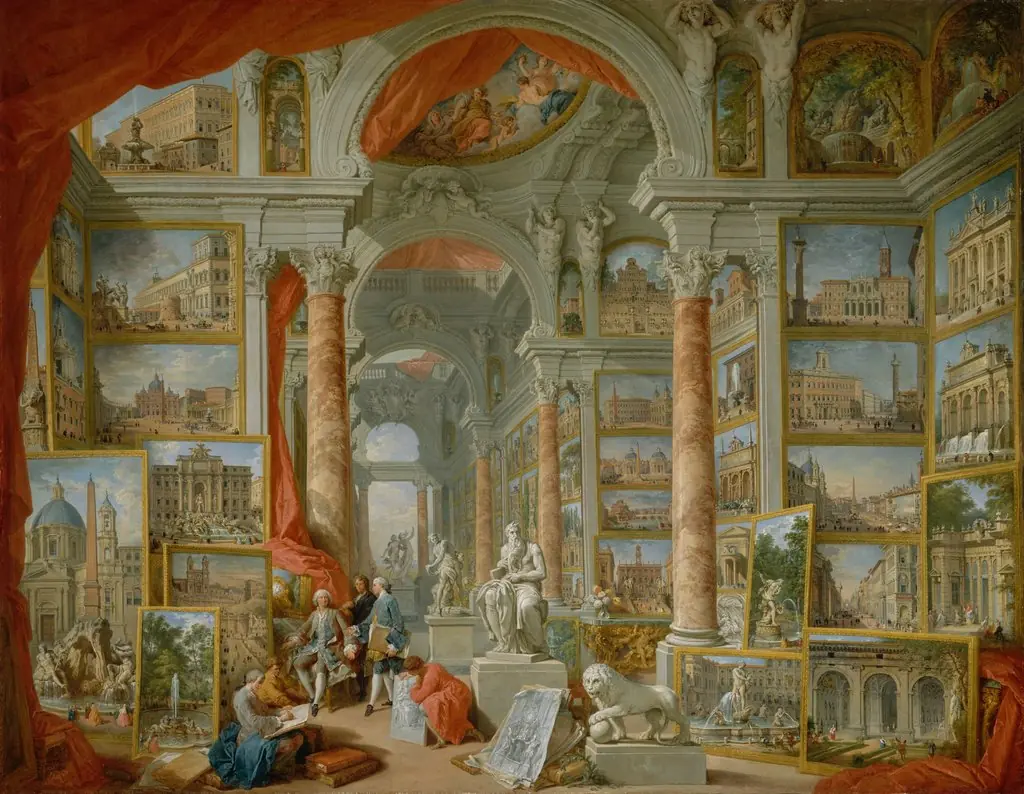
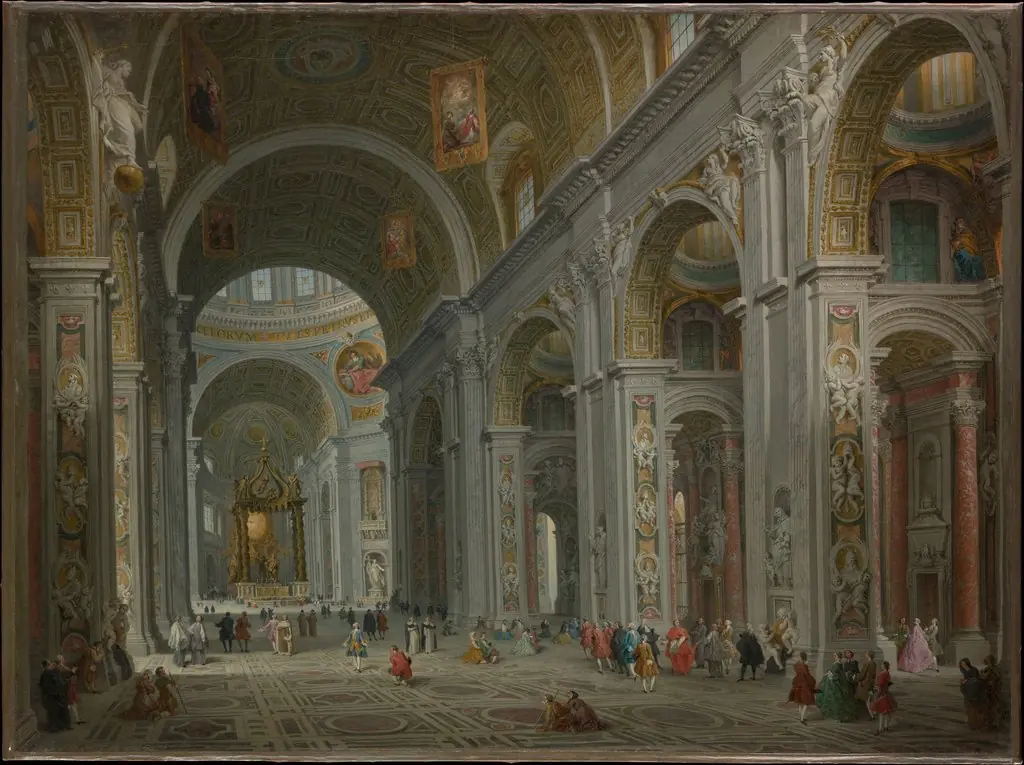
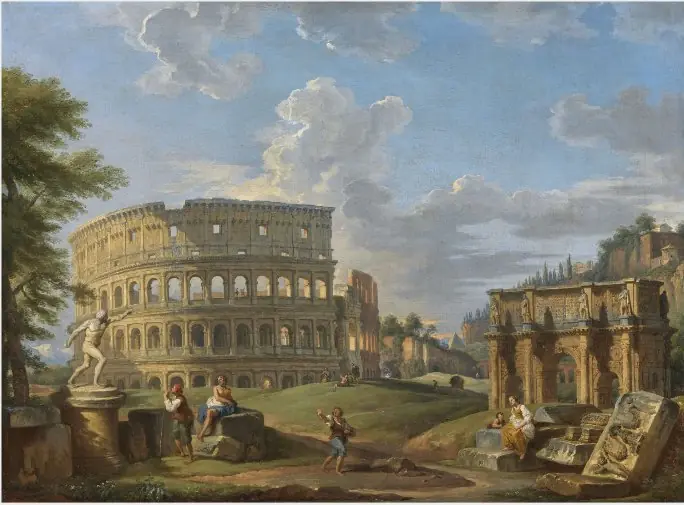
View of the Colosseum is an oil painting by the Rococo painting artist Giovanni Paolo Panini. It dates from 1747 and is held in the collection of the Walters Art Museum.
About this work
Overview
The painting is part of the Walters Art Museum’s collection, reflecting its enduring interest in 18th-century European landscape traditions.
Painted in 1747, *View of the Colosseum* is an oil on canvas work by Giovanni Paolo Panini, an Italian artist known for his precise renderings of Rome’s architectural heritage. As a leading figure among the vedutisti, Panini captured the city’s ancient monuments with topographical accuracy and atmospheric depth. The painting is part of the Walters Art Museum’s collection, reflecting its enduring interest in 18th-century European landscape traditions.
Subject & Meaning
The composition centers on the Colosseum, its weathered stone arches and tiers dominating the scene. Figures and animals move casually through the foreground, suggesting everyday life amid ancient ruins. The absence of dramatic narrative emphasizes the quiet persistence of history—ruins not as relics of glory, but as lived-in spaces where time unfolds subtly, without grandeur or intervention.
Technique & Style
Panini employed fine brushwork to distinguish textures: the rough-hewn stone of the amphitheater contrasts with the soft folds of clothing and the smoothness of skin. Atmospheric perspective softens distant elements, while controlled chiaroscuro enhances the three-dimensionality of the architecture. The pale, diffused sky balances the earthy tones of the ruins, grounding the scene in natural light rather than idealized drama.
History & Provenance
Created during Panini’s peak years in Rome, the painting emerged from a period when European travelers sought visual souvenirs of the Grand Tour. Its detailed realism made it desirable among collectors. The work entered the Walters Art Museum’s holdings in the early 20th century, where it remains as part of a broader collection of Italian vedute and decorative arts.
Context
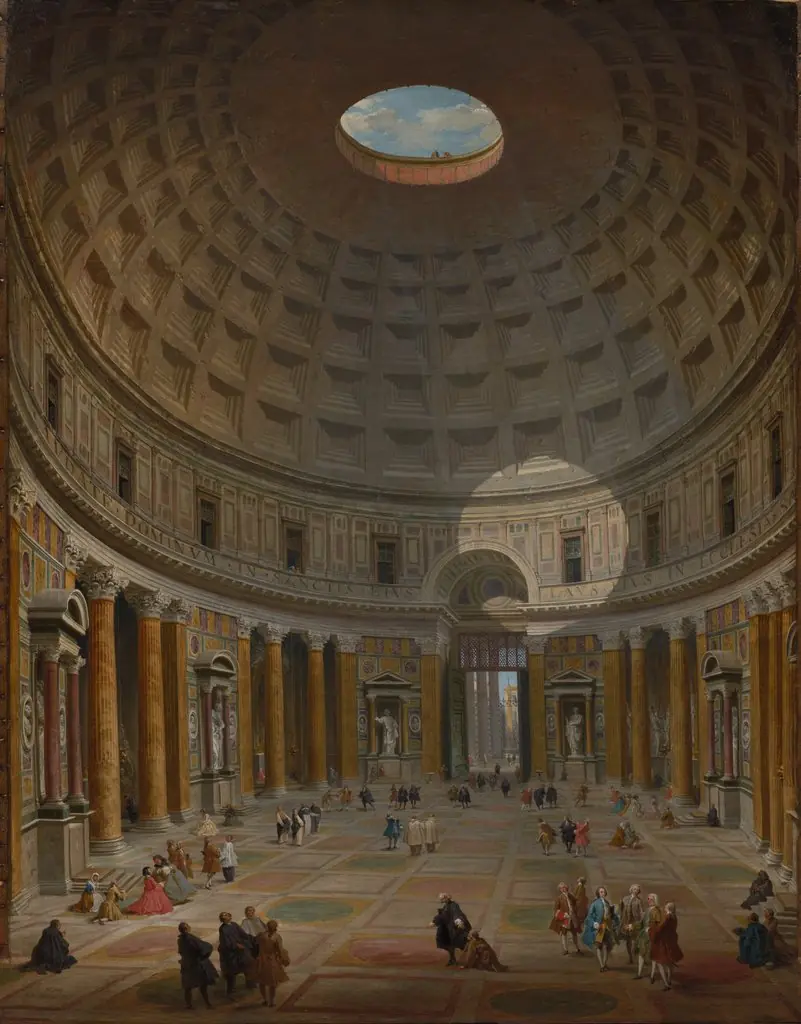
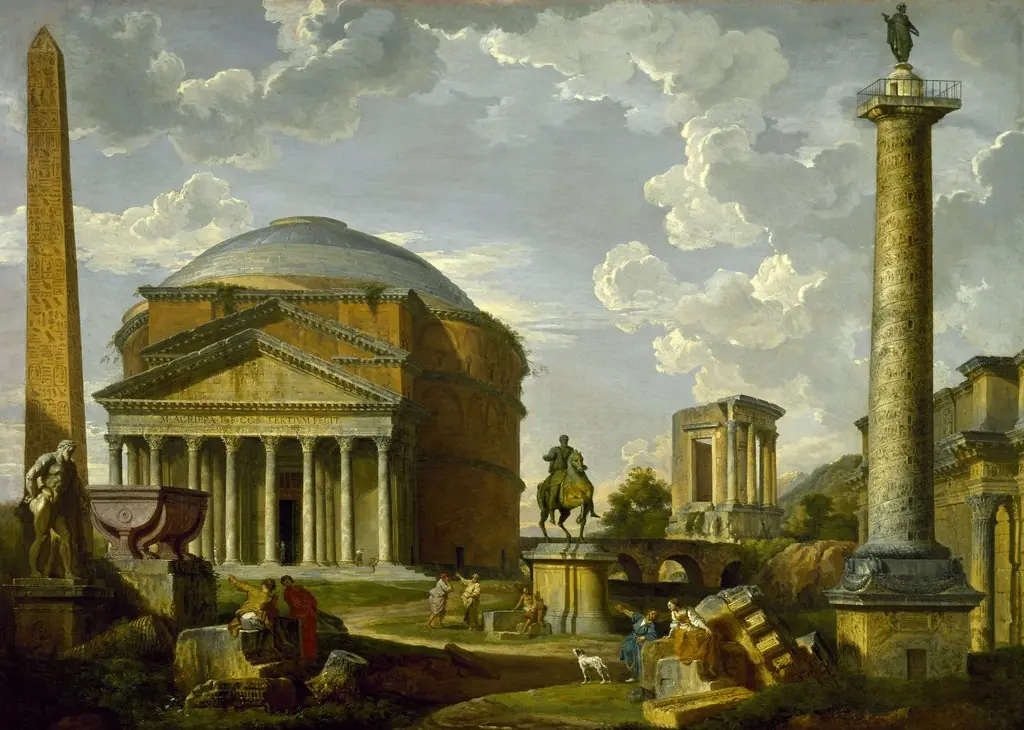
Panini’s work coincided with a surge in interest in Roman antiquity, fueled by archaeological discoveries and Enlightenment curiosity. While his style aligned with Rococo’s attention to detail and light, he avoided its ornamental excesses, favoring structural clarity. His paintings served both as topographical records and as meditations on the passage of time within urban landscapes.
Legacy
Panini’s approach influenced later vedutisti and topographical painters across Europe. His ability to merge architectural precision with human presence set a standard for depicting historical sites as living environments. Though not widely imitated in technique, his model of observing ruins with quiet realism continues to inform how cultural heritage is visually documented.
Artist & collection
Artist
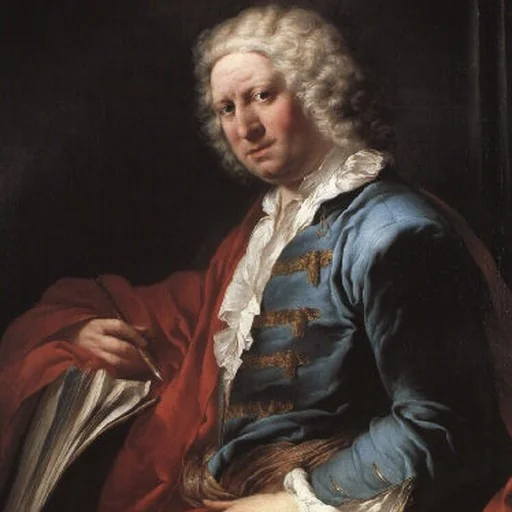
Giovanni Paolo, also known as Gian Paolo Panini or Pannini (17 June 1691 – 21 October 1765), was an Italian Baroque painter and architect who worked in Rome and is primarily known as one of the vedutisti ("view painters").