Artwork
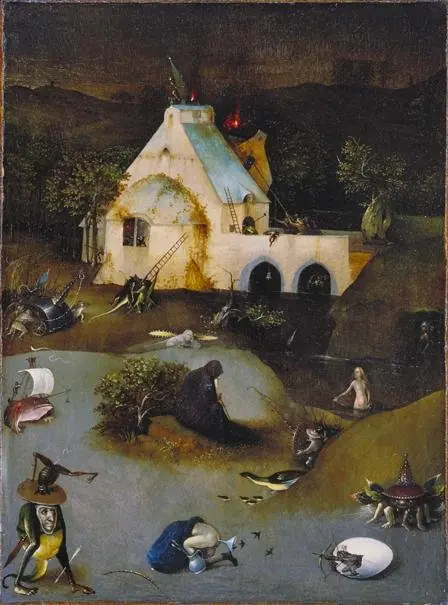
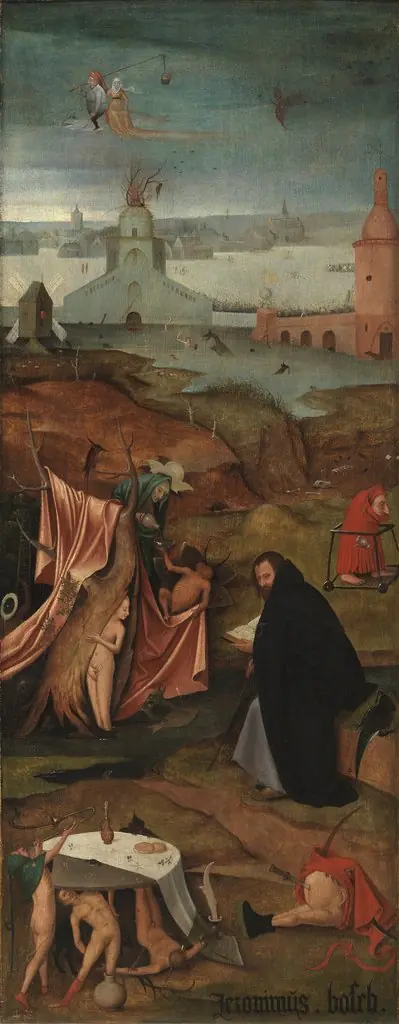
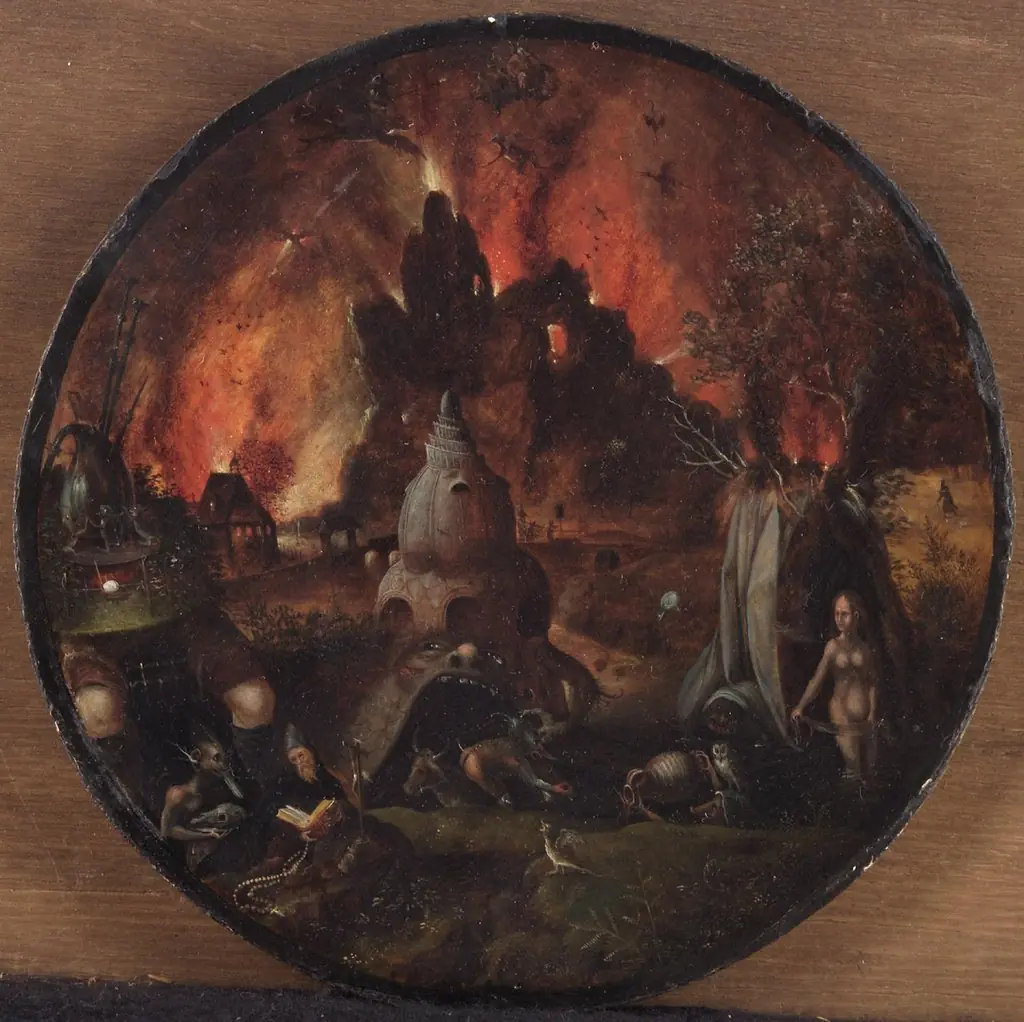
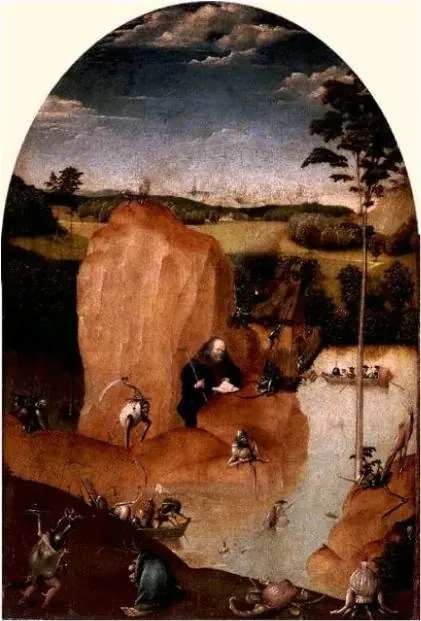
The Temptation of St Anthony
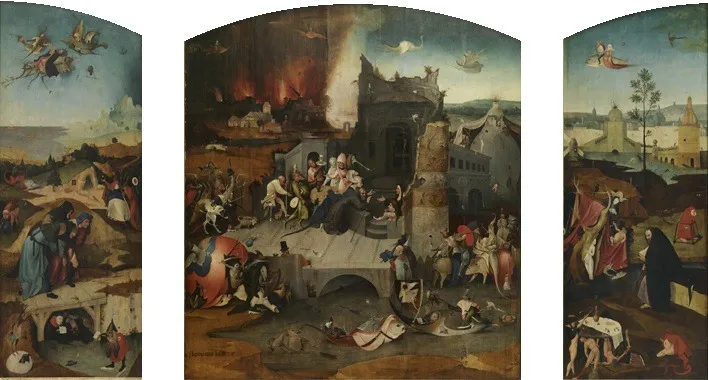
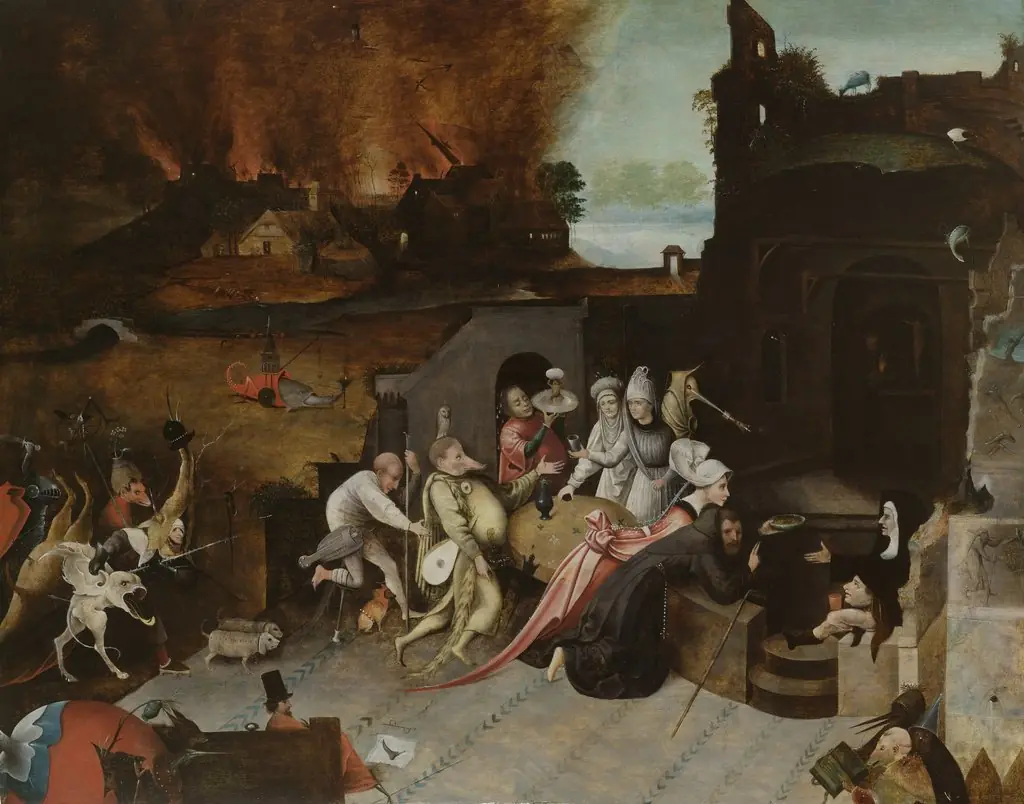
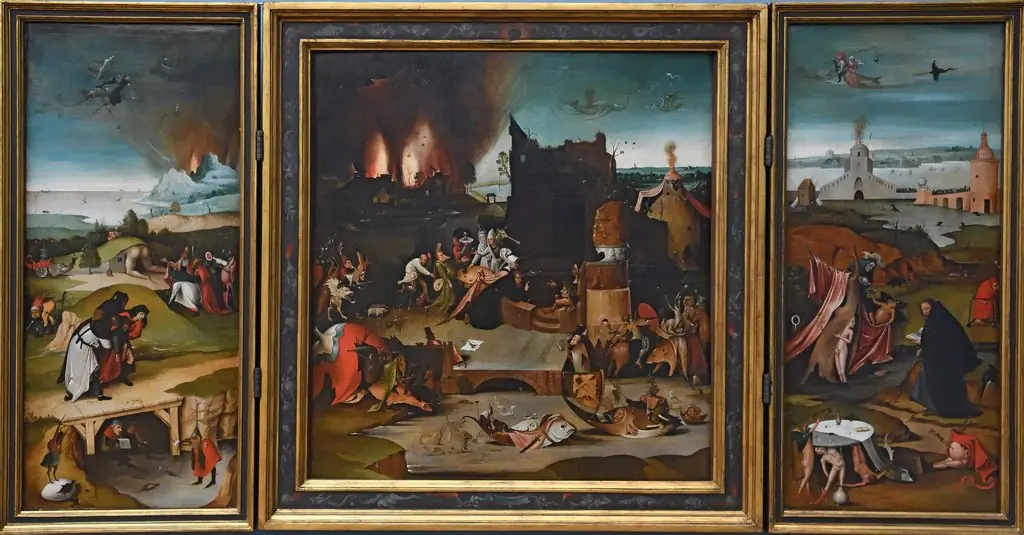
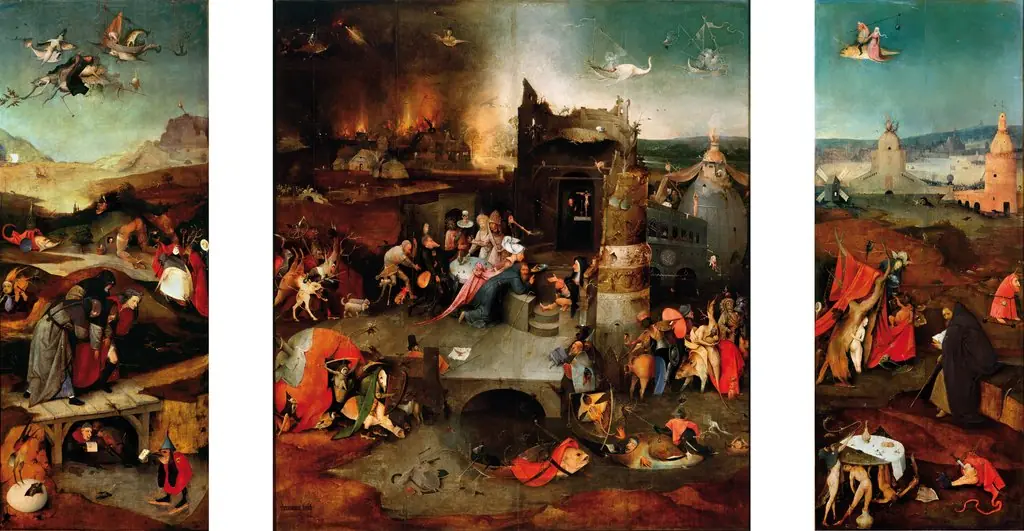
The Temptation of St Anthony is an oil painting by the Northern Renaissance artist Hieronymus Bosch. It is held in the collection of the Royal Museums of Fine Arts of Belgium.
About this work
Overview
Created in 1520, *The Temptation of St Anthony* is an oil painting by the Brabant‑born artist Hieronymus Bosch.
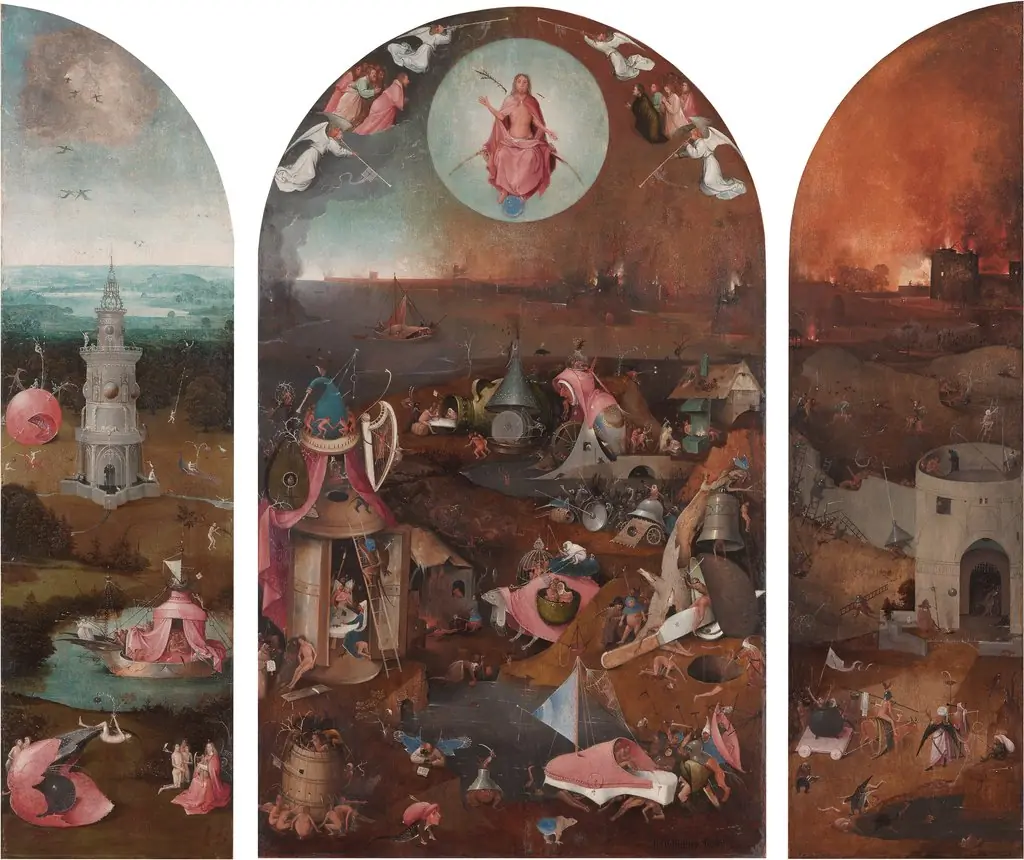
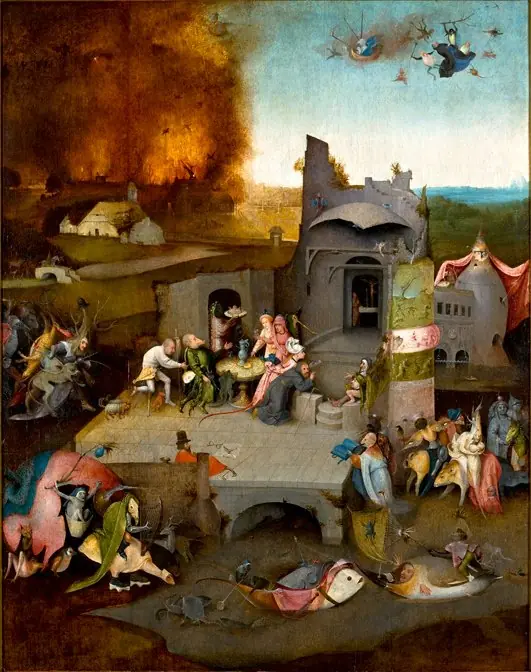
Created in 1520, *The Temptation of St Anthony* is an oil painting by the Brabant‑born artist Hieronymus Bosch. Executed as a triptych, the work presents a central chaotic landscape flanked by contrasting side scenes. The central panel teems with distressed figures and animals, while the left panel offers a tranquil vista and the right panel conveys a foreboding atmosphere under a dark sky. The composition reflects Bosch’s characteristic blend of the fantastical and the religious.
Subject & Meaning
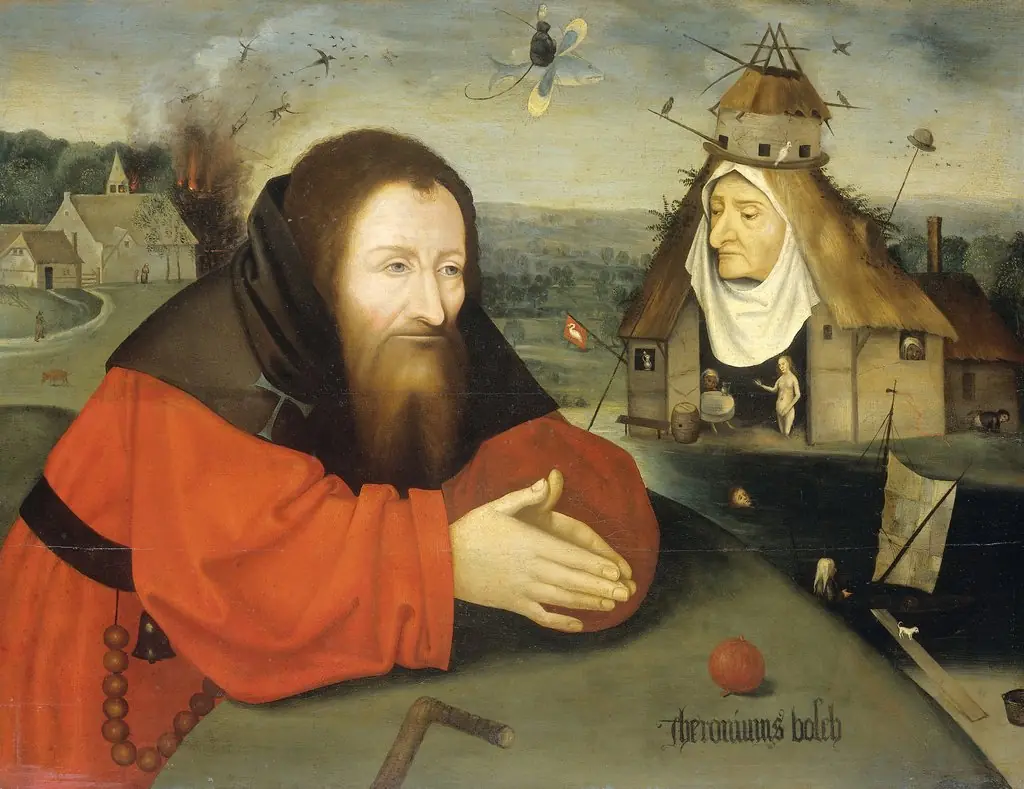
The central figure of the work is Anthony the Great, the early Christian hermit whose legendary resistance to demonic temptations became a popular devotional theme. Bosch populates the scene with grotesque creatures and frantic humans, visualizing the spiritual battle between piety and vice. The juxtaposition of serene and ominous side panels underscores the duality of inner peace versus external chaos that the saint is said to have endured.
Technique & Style
Bosch employs oil on panel, a medium that allows for fine detail and luminous colour typical of Northern Renaissance painting. His brushwork renders intricate textures—from the fur of beasts to the ragged clothing of fleeing figures—while the layered composition creates depth across the three panels. The vivid, sometimes macabre imagery aligns with his broader oeuvre, marked by imaginative, allegorical scenes that merge natural observation with fantastical invention.
History & Provenance
The triptych entered the collection of the Royal Museums of Fine Arts of Belgium, where it remains on display. Bosch’s works were collected during his lifetime and continued to attract interest in subsequent centuries, reflecting the enduring appeal of his complex visual narratives. Documentation traces the painting’s movement through private and institutional hands before its acquisition by the Belgian national museums.
Context
Produced during the early 16th‑century Northern Renaissance, the painting reflects contemporary religious concerns about monastic discipline and the moral perils of the age. Bosch’s Brabantian background placed him within the Early Netherlandish tradition, where detailed observation and symbolic content were prized. The work’s emphasis on temptation aligns with a broader European fascination with saintly martyrdom and the visual representation of spiritual trials.
Artist & collection
Artist
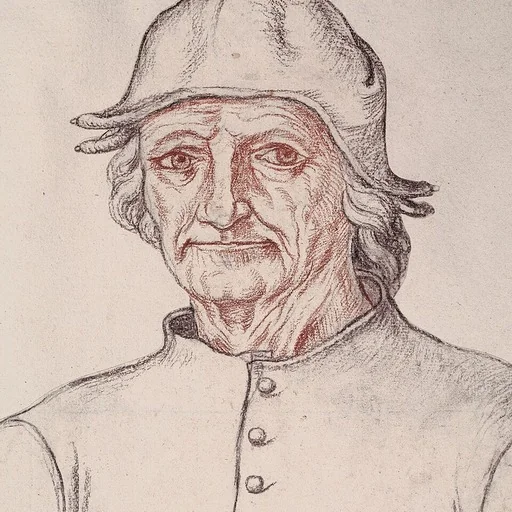
Hieronymus Bosch (; Dutch: ; born Jheronimus van Aken ; c. 1450 – 9 August 1516) was a Dutch painter from Brabant. He is one of the most notable representatives of the Early Netherlandish painting school. His work,…

Museum
Royal Museums of Fine Arts of Belgium
Continue through works from the same source collection.