Artwork
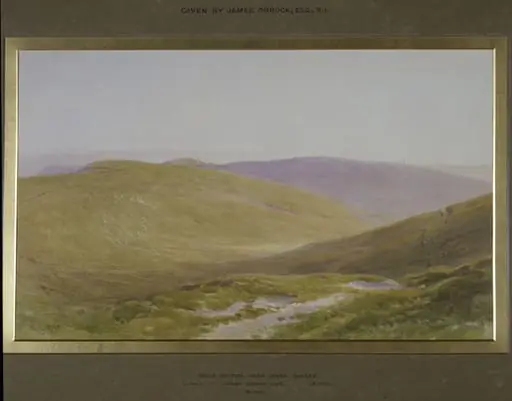
Bible Bottom, near Lewes
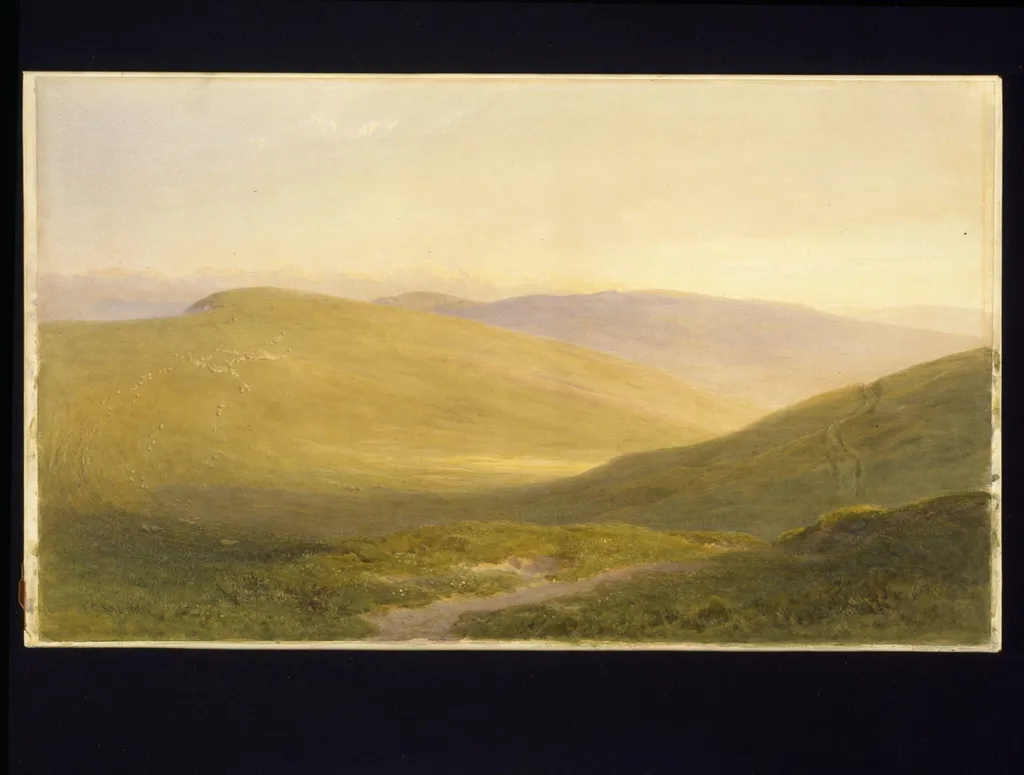
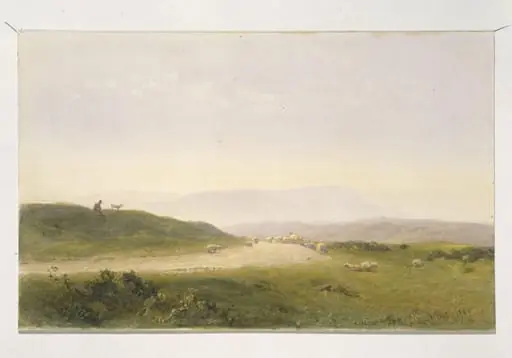
Bible Bottom, near Lewes is a watercolor work on paper by the Impressionist artist Hine Taizan. It is held in the collection of the Victoria and Albert Museum. Painted in 1881, this watercolour by Hine captures Bible Bottom, a quiet valley in the South Downs near Lewes, Sussex.
About this work
Overview
Painted in 1881, this watercolour by Hine captures Bible Bottom, a quiet valley in the South Downs near Lewes, Sussex.
Painted in 1881, this watercolour by Hine captures Bible Bottom, a quiet valley in the South Downs near Lewes, Sussex. The work is signed, dated, and annotated by the artist with its location, confirming its direct observation. Executed in transparent washes, the piece reflects a quiet attentiveness to natural form and atmospheric conditions, typical of late 19th-century British landscape watercolours.
Subject & Meaning
The scene presents an unremarkable stretch of rural Sussex, devoid of human figures or architectural elements. The winding path suggests quiet passage rather than destination, reinforcing a contemplative mood. The valley’s gentle contours and muted tones convey stillness, evoking a sense of place rooted in daily observation rather than romantic idealization.
Technique & Style
Hine employed thin, layered watercolour washes to build subtle tonal shifts across the hills. The sky, softly graded between pale yellow and gray, merges seamlessly with the land. Light is suggested through delicate highlights rather than sharp contrast, creating a hazy, diffused effect. The technique prioritizes atmosphere over detail, aligning with contemporary watercolour practices that favored immediacy and tonal harmony.
History & Provenance
The work remains in private hands since its creation, with no record of public exhibition or institutional acquisition. Its inscription confirms the artist’s direct engagement with the site, suggesting it was made on-site during a period of active sketching in the South Downs. No significant alterations or later additions are evident.
Context
Created during a time when British artists increasingly turned to local landscapes for subject matter, this piece reflects a broader shift away from grand historical or picturesque themes. Hine’s approach aligns with regional watercolourists who valued quiet observation over dramatic composition, contributing to a quieter, more personal tradition in English landscape art.
Legacy
Though not widely reproduced or exhibited, the painting stands as a representative example of provincial watercolour practice in late Victorian England. Its modest scale and unadorned subject reflect a commitment to truthful depiction, preserving a specific moment in the English countryside without embellishment.
Own this work as a print
Artist & collection

 South Downs
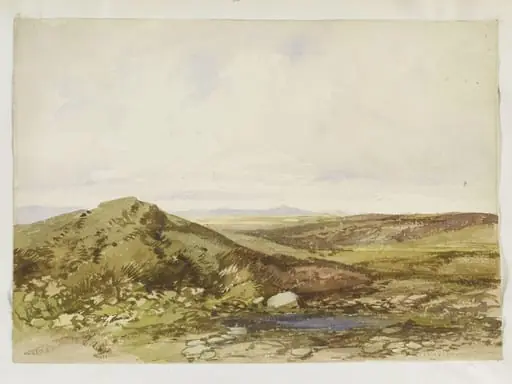 Watercolour in album of 51 drawings and watercolours by James Duffield Harding
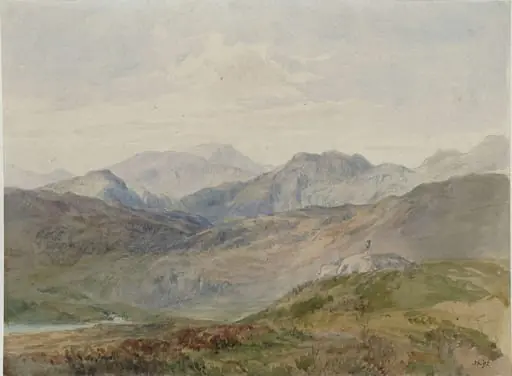 Llanrhychwyn, near Trefriw, North Wales
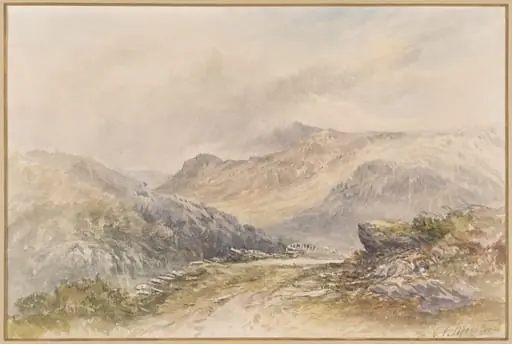 View on the Conway
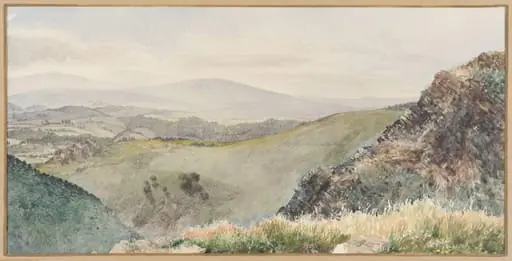 Untitled
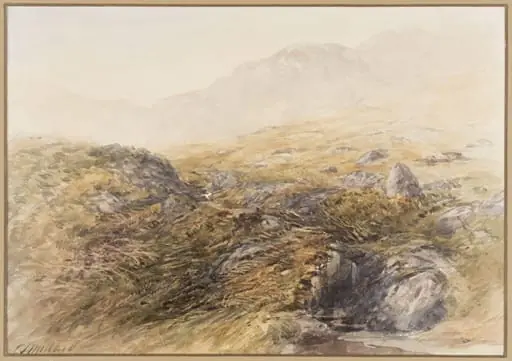 View Near Bettws-y-Coed
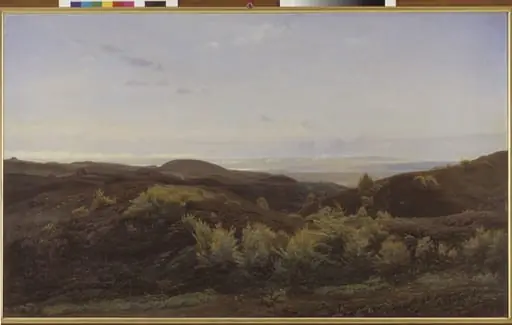 Heather Hills near Rye, Jutland
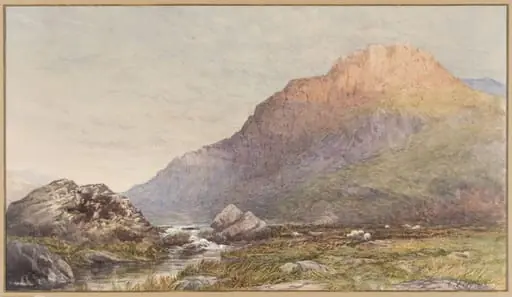 The Trifaen, Llyn Ogwen
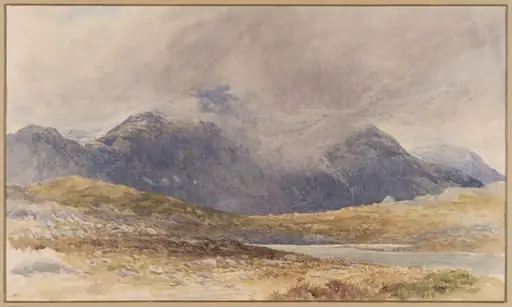 Crib-Goch, Pen-Y-Gwryd, North Wales
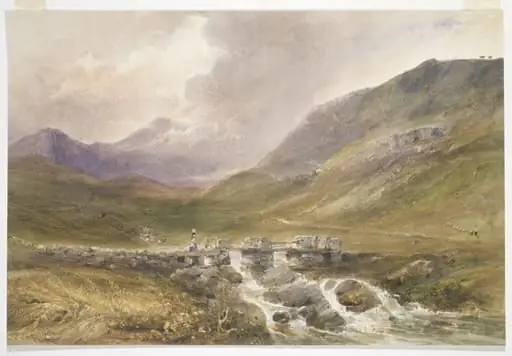 Welsh mountain scene
 Welsh landscape
 Bible Bottom in the Malling Hills, near Lewes