Artwork
Bible Bottom in the Malling Hills, near Lewes
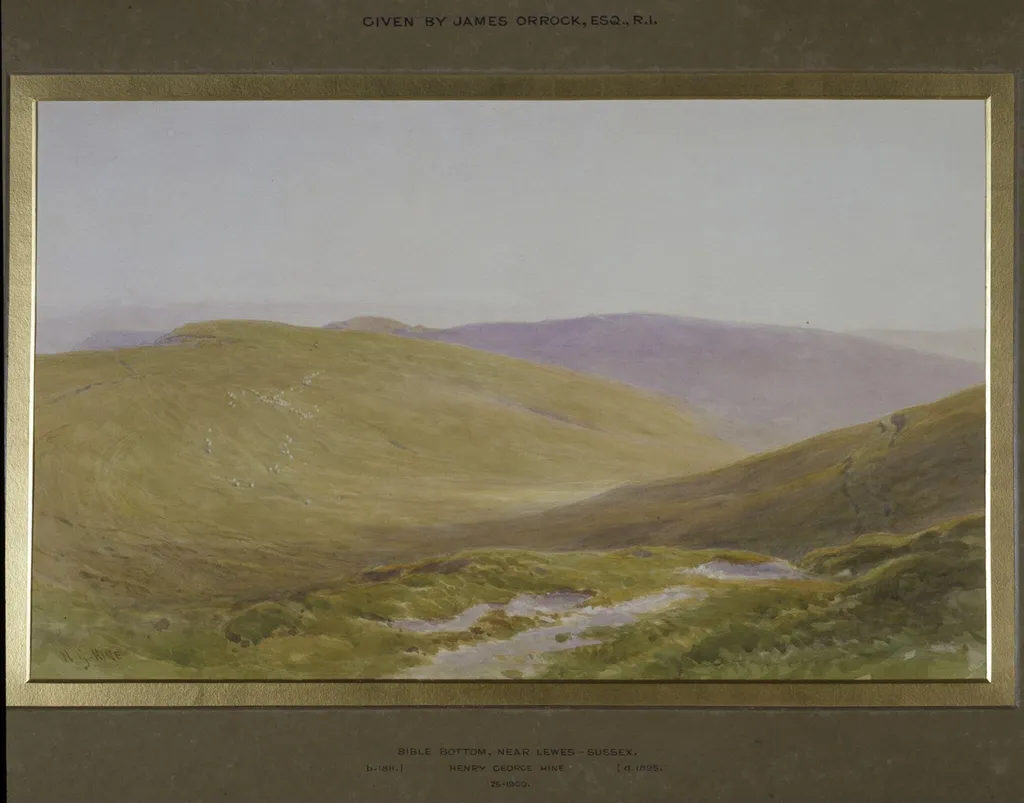
Bible Bottom in the Malling Hills, near Lewes is a watercolor work on paper by the Impressionist artist Henry George Hine. It dates from 1880 and is held in the collection of the Victoria and Albert Museum.
About this work
Overview
A watercolour landscape depicting Bible Bottom, a valley within the Malling Hills near Lewes, captures the quiet contours of the Sussex countryside. The composition emphasizes gentle undulations of land, rendered with soft washes and minimal detail. Light gray tones suggest a subdued sky, while the earth is composed of muted greens and browns, evoking a calm, overcast day.
Subject & Meaning
The scene presents a pastoral stretch of land, unpopulated and undisturbed. Small white marks scattered across the slopes may indicate grazing sheep or natural rock formations, but their ambiguity reinforces the painting’s focus on atmosphere rather than narrative. There is no human presence, allowing the land itself to serve as the sole subject.
Technique & Style
Executed in watercolour, the work employs delicate, translucent layers to build subtle tonal shifts. Brushwork is restrained and fluid, avoiding sharp edges or bold contrasts. The soft blending of hues and the absence of strong definition contribute to a hushed, meditative quality consistent with 19th-century British landscape conventions.
History & Provenance
The painting’s origin is tied to the local topography of East Sussex, likely created during a period of heightened interest in regional scenery. No documented owner or exhibition history is recorded, suggesting it may have been a personal study or private commission rather than a public work.
Context
This piece aligns with a broader tradition of English watercolour landscape painting in the 1800s, where artists turned to rural Sussex and Kent for their quiet, unidealized beauty. It reflects a shift away from dramatic vistas toward intimate, everyday terrain, valued for its stillness and subtle variation in light and texture.
Legacy
Though not widely exhibited or reproduced, the work contributes to a regional archive of topographical watercolours that document the English countryside before industrial change. Its quiet execution offers a quiet counterpoint to more celebrated landscapes of the era, preserving a sense of place through restraint.
Own this work as a print
Artist & collection


 Watercolour in album of 51 drawings and watercolours by James Duffield Harding
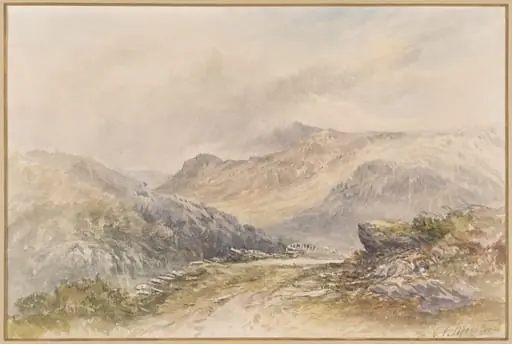 View on the Conway
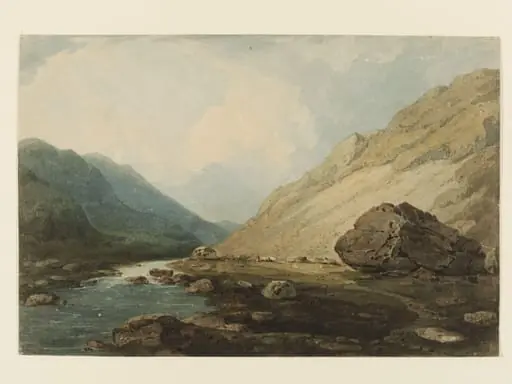 View in the Pass of Llanberis, Wales
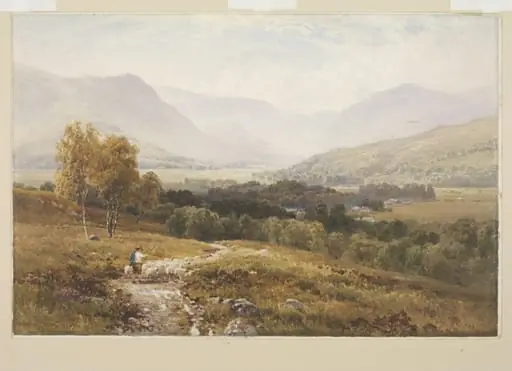 Landscape with distant mountains
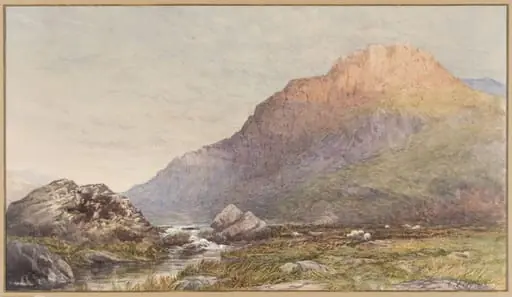 The Trifaen, Llyn Ogwen
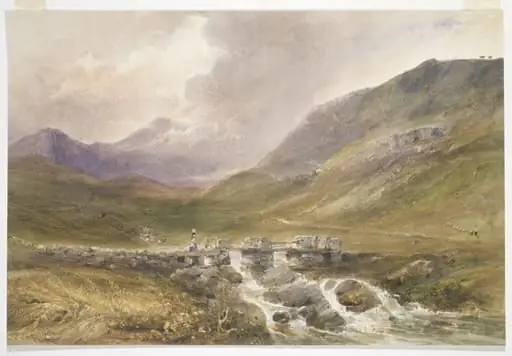 Welsh mountain scene
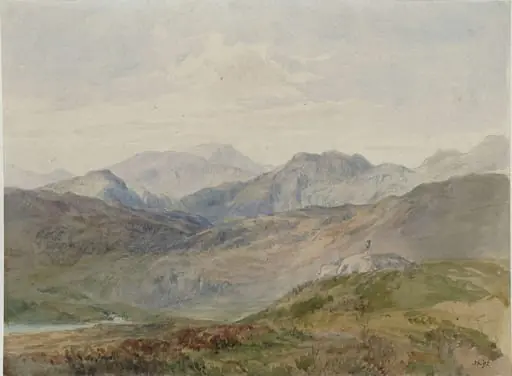 Llanrhychwyn, near Trefriw, North Wales
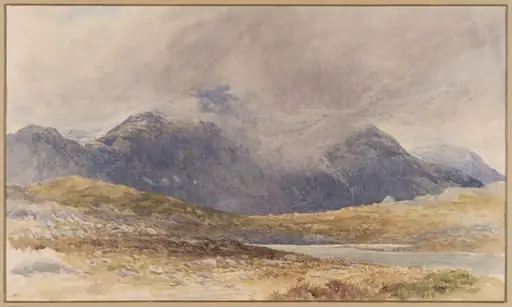 Crib-Goch, Pen-Y-Gwryd, North Wales
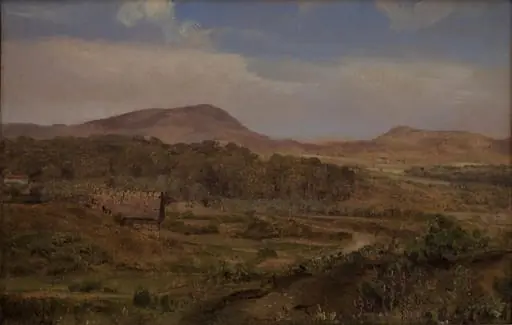 Landscape near Blokhus, Jutland
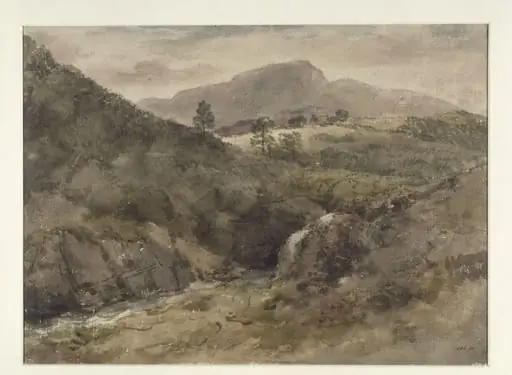 View in the Lake District
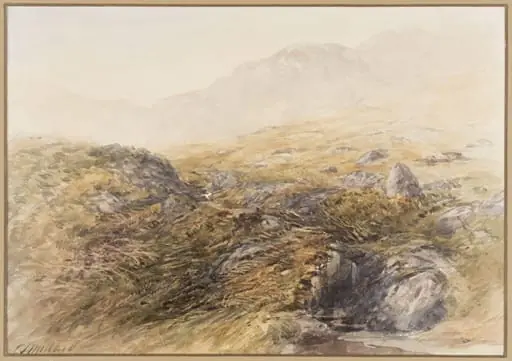 View Near Bettws-y-Coed
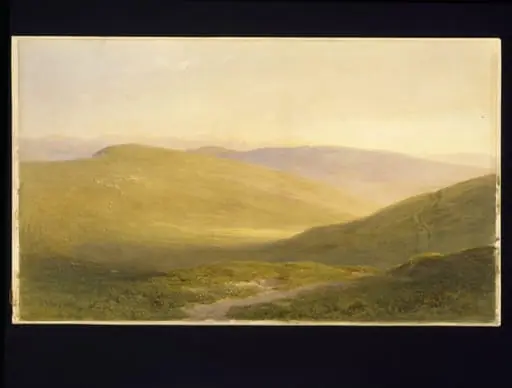 Bible Bottom, near Lewes