Artwork
View of Évreux
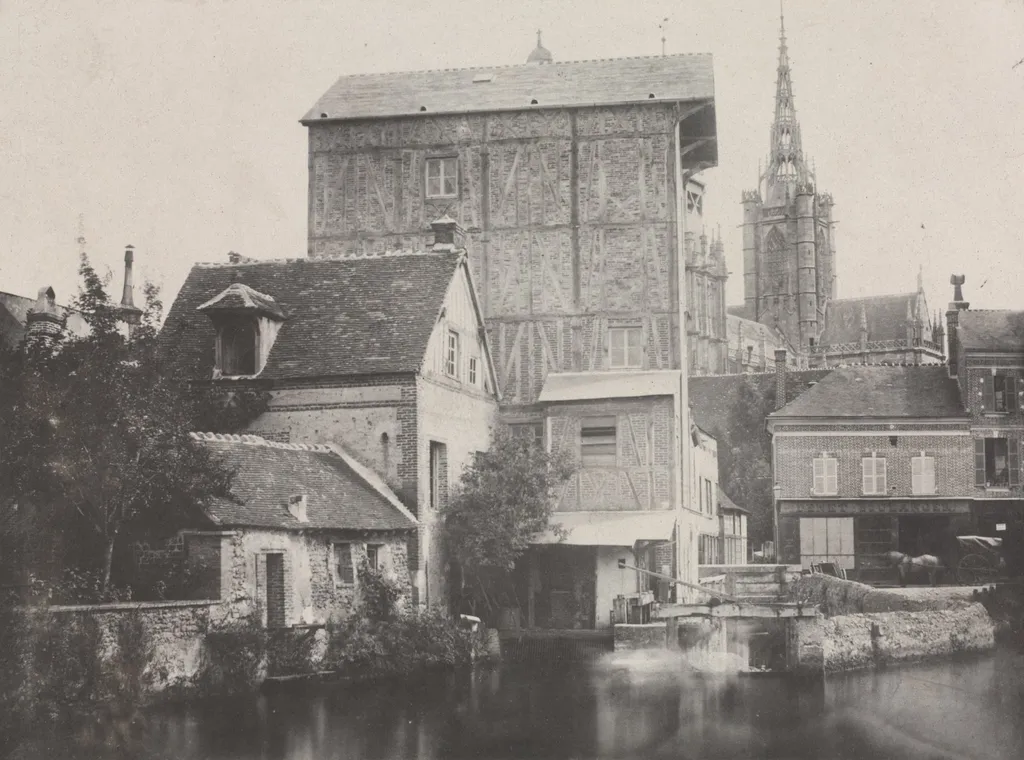
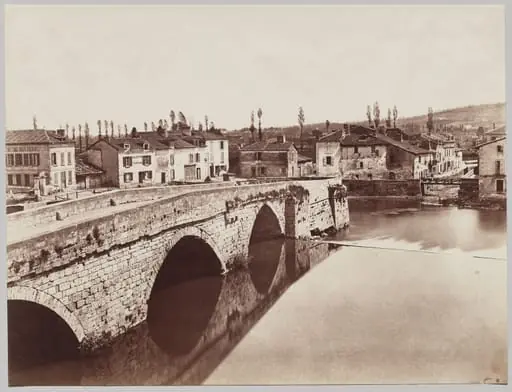
View of Évreux is a photography by the Impressionist artist Hippolyte Bayard. It dates from 1850 and is held in the collection of the Cleveland Museum of Art.
About this work
Overview
View of Évreux is a photographic work by Hippolyte Bayard, dated 1850, depicting the French town of Évreux.
View of Évreux is a photographic work by Hippolyte Bayard, dated 1850, depicting the French town of Évreux. It is one of the earliest known landscape photographs produced in France. The image captures a quiet urban vista, centered on a prominent ecclesiastical structure with a tall spire. The photograph is part of the collection at The Cleveland Museum of Art, representing an early experiment in using the camera to record architectural environments with documentary intent.
Subject & Meaning
The photograph focuses on a single monumental building, likely Évreux Cathedral, standing amid a still, unpopulated streetscape. The absence of people and movement suggests a contemplative tone, emphasizing permanence over activity. Bayard’s choice to isolate the structure conveys a sense of historical weight, presenting the building not as a backdrop but as the subject of quiet reverence. The composition invites observation of architectural form rather than narrative or social context.
Technique & Style
Bayard employed the direct positive process, a photographic method he developed independently, producing a unique image without a negative. The tonal range is subtle, with soft gradations between light and shadow that model the building’s surface. The lack of sharp contrast gives the image a muted, atmospheric quality. Details such as the spire and rooflines emerge through careful exposure, revealing texture without dramatic chiaroscuro, reflecting the technical limitations and aesthetic priorities of early photography.
History & Provenance
Created in 1850, the photograph was made during a period when Bayard was refining his photographic process after being overlooked in the official announcement of the daguerreotype. This work is among his few surviving cityscapes. It entered The Cleveland Museum of Art’s collection through documented acquisition, preserving its place as a rare example of early French photographic practice. Its survival is notable given the fragility of early photographic materials.
Context
In 1850, photography was still a nascent medium, primarily used for portraiture and scientific documentation. Bayard’s choice to photograph an architectural landscape was unconventional. His work stood apart from the more common focus on people or events, aligning instead with emerging interests in topographical recording. This image reflects a quiet shift toward using the camera to capture place as a subject worthy of sustained attention.
Legacy
View of Évreux contributes to the historical record of photography’s expansion beyond portraiture into landscape and architecture. Bayard’s technical innovation and compositional restraint influenced later photographers who sought to document the built environment with neutrality. Though not widely exhibited in his lifetime, the photograph now serves as an important artifact in understanding the medium’s early artistic potential.
Artist & collection

 View from the Pont de la Concorde
 Church at Auvers
 Amiens
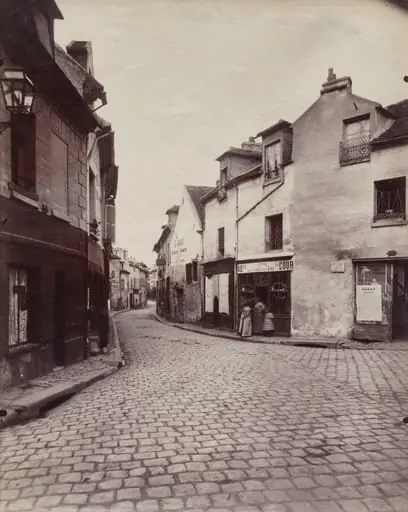 Clamart (Vielle Rue)
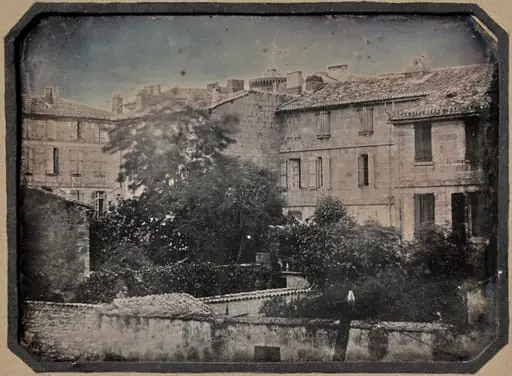 View of Angoulême
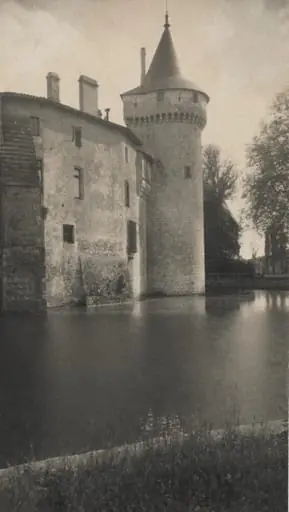 Chateau Montesquieu
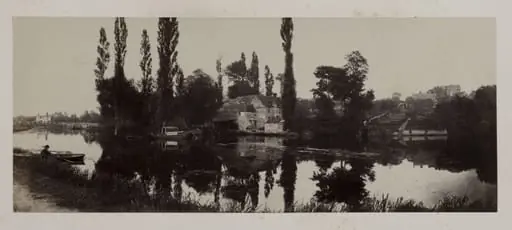 Iffley Mill
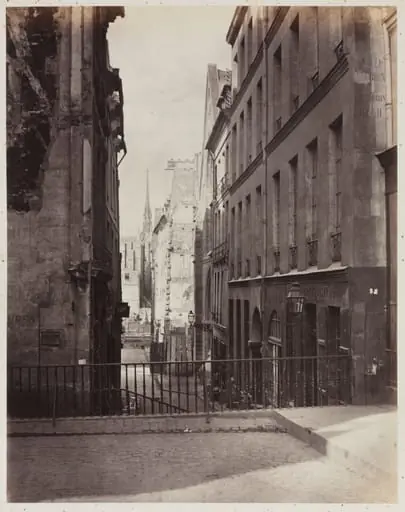 Rue Jean-de-Beauvais. Vue prise de la rue des Écoles vers la boulevard Saint-Germain, en travaux
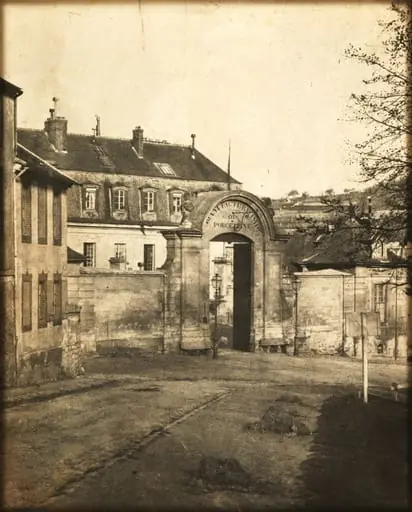 Doorway to Sèvres Factory
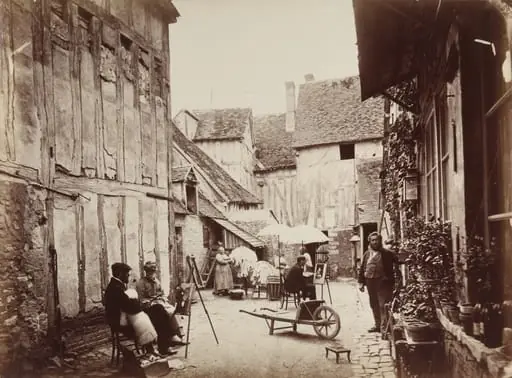 Courtyard with Painters
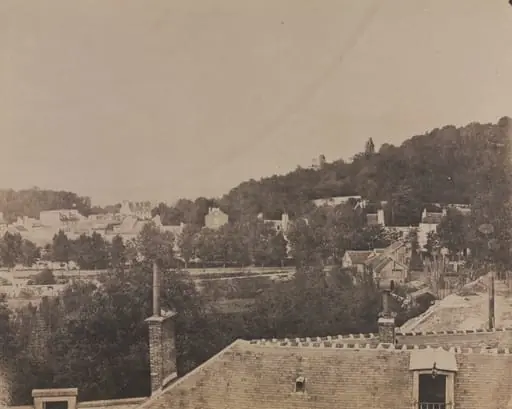 The Royal Porcelain Factory at Sèvres
 Périgueux. The Tournepiche Bridge, upstream side