Artwork
Plate 10: Brown Hairstreak, Silver-Washed Fritillary, and Clouded Yellow Butterflies on a Four-o'-Clock Flower
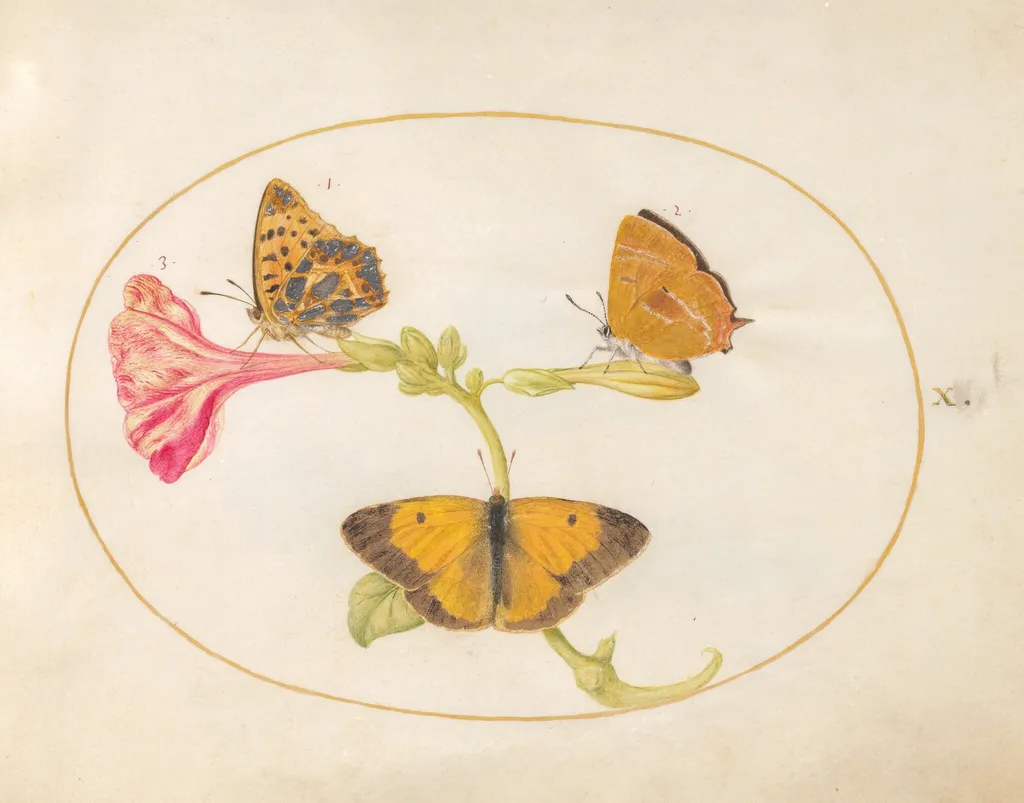
Plate 10: Brown Hairstreak, Silver-Washed Fritillary, and Clouded Yellow Butterflies on a Four-o'-Clock Flower is a gouache drawing by the Renaissance artist Joris Hoefnagel. It dates from 1594 and is held in the collection of the National Gallery of Art.
About this work
Overview
Created around 1594 by Joris Hoefnagel, this watercolor and gold-painted drawing on parchment depicts three butterfly species resting on a four-o'-clock flower.
Created around 1594 by Joris Hoefnagel, this watercolor and gold-painted drawing on parchment depicts three butterfly species resting on a four-o'-clock flower. The work combines naturalistic observation with decorative elements, including a circular gold border. Hoefnagel employed lepidochromy—a technique involving actual butterfly wing fragments—to achieve a luminous, iridescent effect, reflecting both scientific curiosity and artisanal innovation in late 16th-century manuscript culture.
Subject & Meaning
The painting presents the Brown Hairstreak, Silver-Washed Fritillary, and Clouded Yellow butterflies alongside a pink-flowered four-o'-clock plant, rendered with precise anatomical accuracy. The selection of species and their placement suggest an interest in biodiversity and seasonal botany. The absence of a landscape or narrative context shifts focus to the organisms themselves, signaling a growing emphasis on nature as a subject worthy of study in its own right, rather than as symbolic or decorative filler.
Technique & Style
Hoefnagel layered translucent watercolor glazes to model the butterflies' wings and flower petals, creating subtle gradations of color and depth. The use of real butterfly wings—ground and mixed into pigment—produced a natural shimmer, a rare practice known as lepidochromy. Gold paint outlines the composition within a circular frame, echoing medieval illumination traditions while the detailed rendering aligns with emerging empirical approaches to natural history illustration.
History & Provenance
This plate was part of a larger manuscript project commissioned by the Habsburg court, likely intended as a cabinet of curiosities in visual form. Hoefnagel’s work was circulated among scholars and collectors in Central Europe, influencing later naturalists and artists. Though the full manuscript is now dispersed, surviving folios like this one remain key examples of how artistic craftsmanship and scientific inquiry converged in the late Renaissance.
Context
In the late 1500s, northern Europe saw a rise in the study of flora and fauna, fueled by exploration and the printing of herbals. Hoefnagel’s drawings emerged at the intersection of manuscript tradition and emerging natural science. His work bridged the ornamental aesthetics of illuminated texts with the observational rigor of emerging biology, helping to establish the visual language of natural history illustration beyond religious or allegorical frameworks.
Legacy
Hoefnagel’s meticulous approach influenced subsequent generations of naturalists and artists, including those who produced illustrated botanical and entomological texts in the 17th century. The integration of real biological materials into pigment and the focus on individual species as subjects marked a shift toward empirical representation. His plates remain among the earliest examples of nature studied not for symbolism, but for its intrinsic structure and beauty.
Artist & collection

Artist
Joris Hoefnagel or Georg Hoefnagel (1542 – 24 July 1601) was a Flemish painter, printmaker, miniaturist, draftsman and merchant.

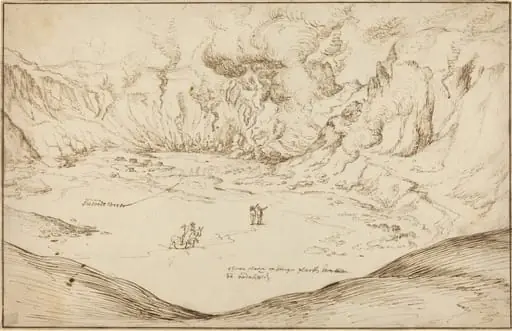 Forum Vulcani: The Hot Springs at Pozzuoli
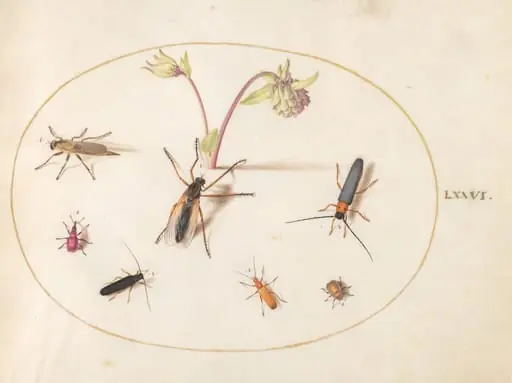 Plate 76: Insects with a Pink and Cream Columbine
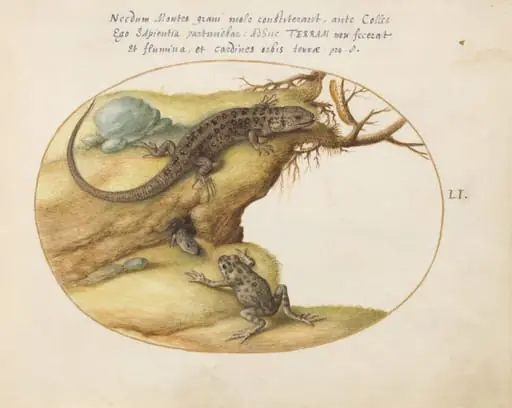 Plate 51: Two Sand Lizards, a Common Parsley Frog(?), and a Caterpillar
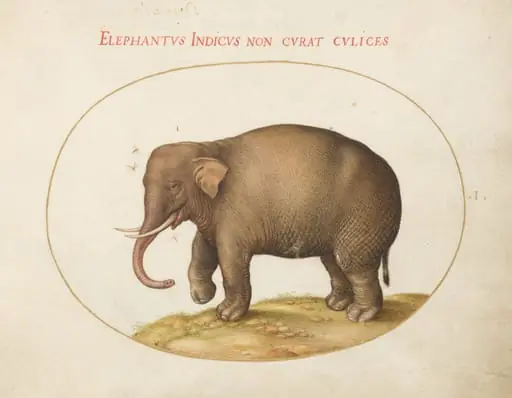 Plate 1: Elephant with Insects
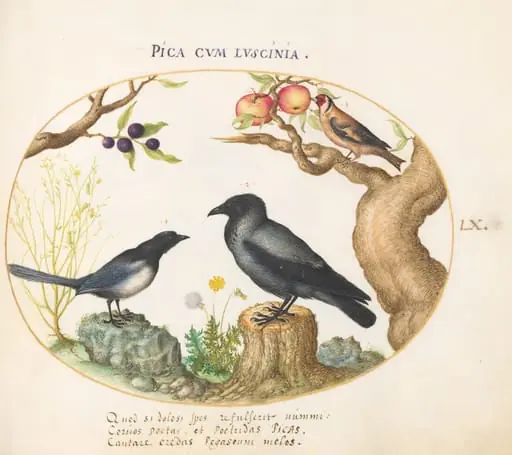 Plate 60: Magpie, Crow, and Goldfinch
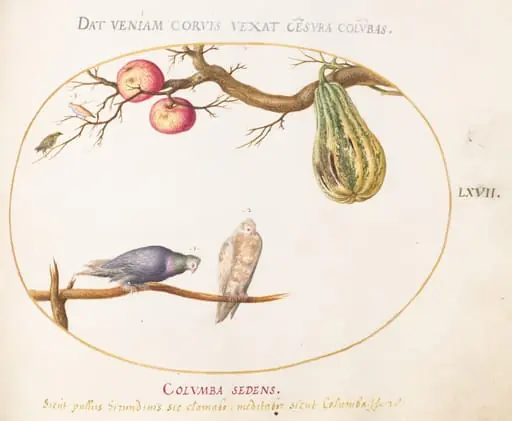 Plate 67: Two Doves beneath a Gourd and Apples
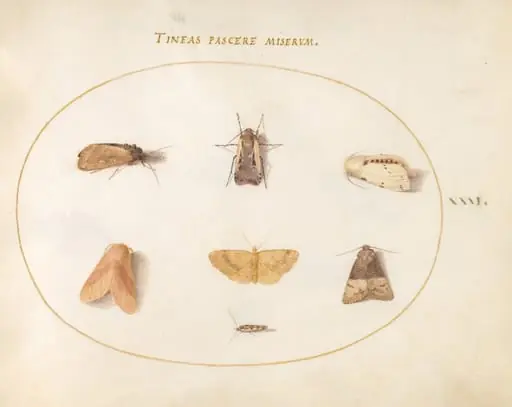 Plate 31: Seven Moths
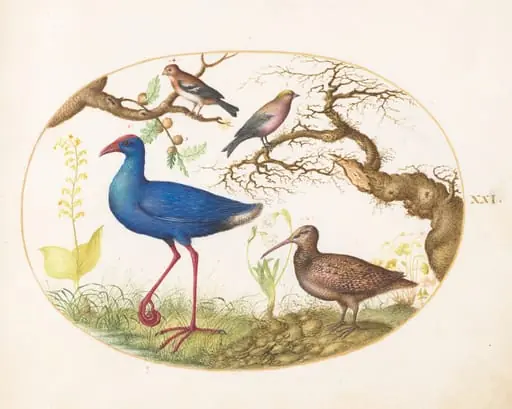 Plate 21: Swamp Hen and Woodcock with a Streaked Rosefinch, a Finch, and Oak Galls
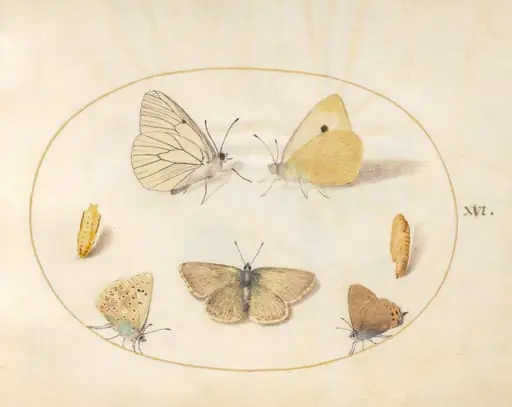 Plate 16: Black-Veined White, Clouded Yellow, Black Hairstreak(?), Geranium Argus(?), and Common Blue Butterflies with Two Chrysalides
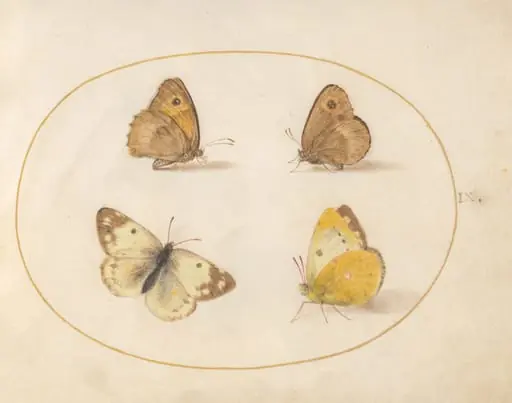 Plate 9: Meadow Brown, Gatekeeper, Clouded Yellow, and Bath White Butterflies
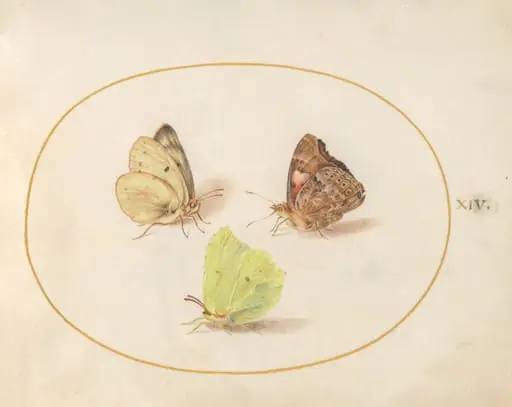 Plate 14: Common Brimstone, Painted Lady, and Clouded Yellow Butterflies
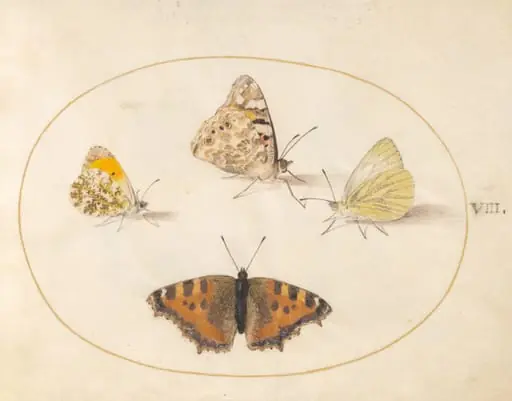 Plate 8: Orange Tip, Painted Lady, Southern Small White, and Small Tortoiseshell Butterflies
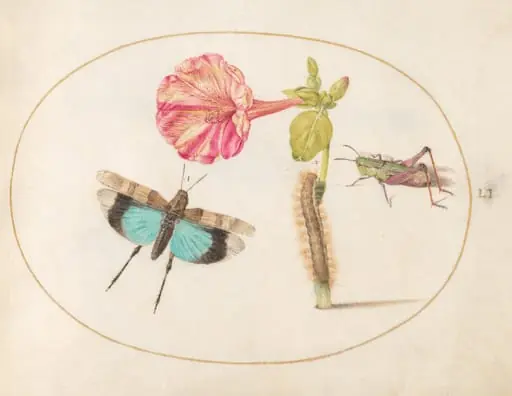 Plate 51: Grasshoppers and a Caterpillar with a Four O'Clock Flower
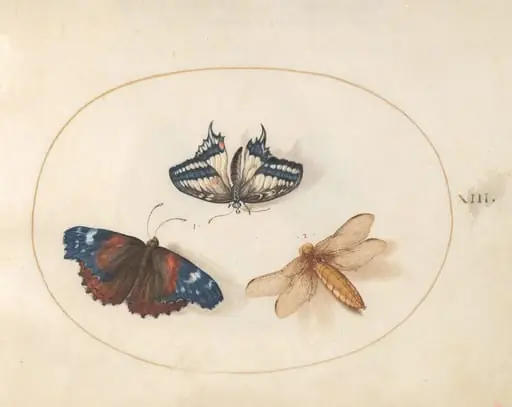 Plate 13: Yellow Swallowtail and Red Admiral Butterflies with a Dragonfly (Broad-Bodied Chaser?)
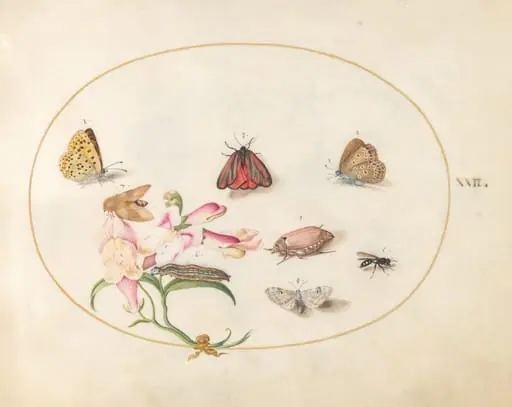 Plate 22: A Cinnabar Moth and a Cockchafer with Butterflies, other Insects, and a Snapdragon
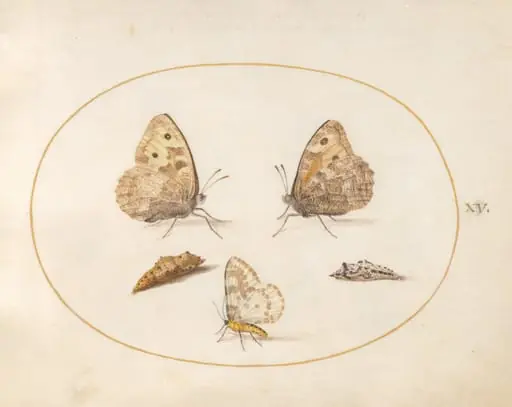 Plate 15: Grayling Butterfly, Magpie Moth, and Two Chrysalides
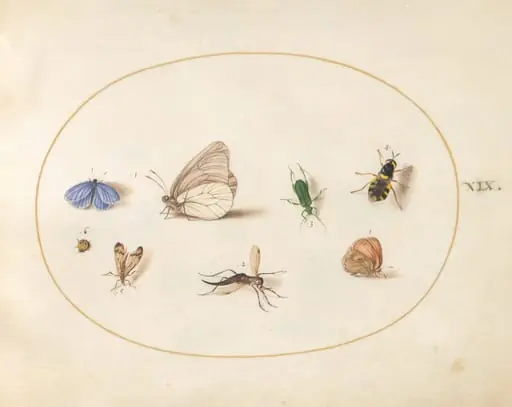 Plate 19: Two Butterflies with Five Other Insects
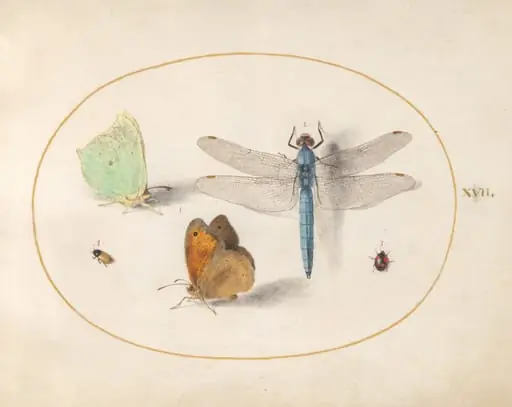 Plate 17: Brimstone and Meadow Brown(?) Butterflies, a Blue Chaser, and Two Small Insects
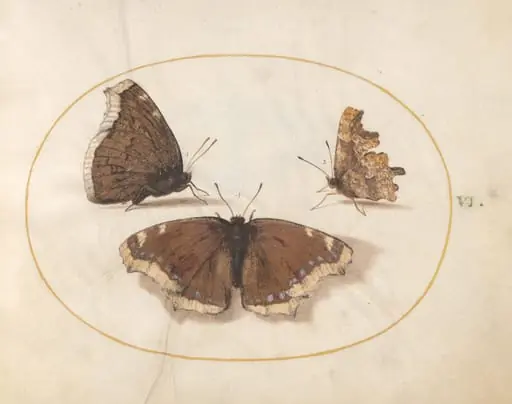 Plate 6: Two Views of a Mourning Cloak (Camberwell Beauty) Butterfly with a Comma Butterfly
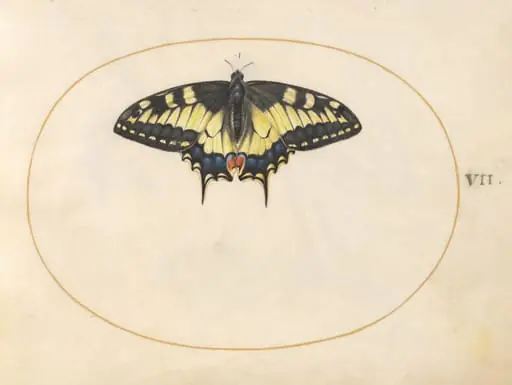 Plate 7: Swallowtail Butterfly