Artwork
Plate 24: Pink Rose
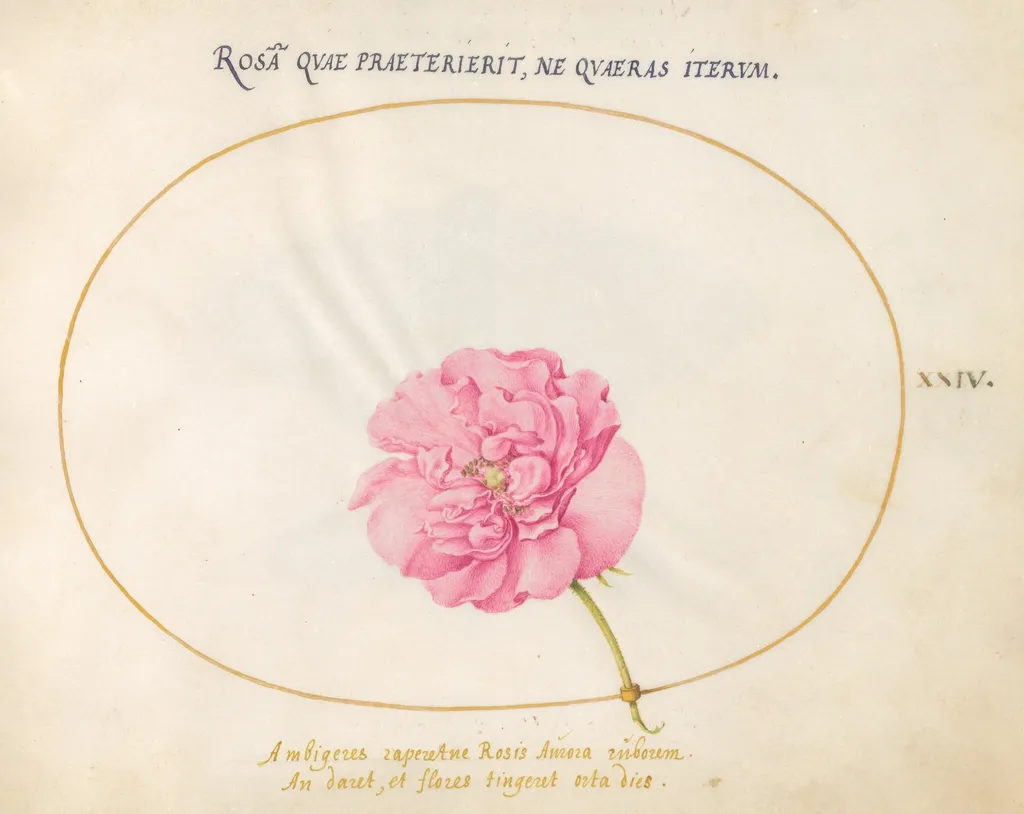
Plate 24: Pink Rose is a gouache drawing by the Renaissance artist Joris Hoefnagel. It dates from 1594 and is held in the collection of the National Gallery of Art.
About this work
Overview
Created around 1594, Plate 24: Pink Rose is a small watercolor and gold paint drawing on parchment by Joris Hoefnagel.
Created around 1594, Plate 24: Pink Rose is a small watercolor and gold paint drawing on parchment by Joris Hoefnagel. It belongs to a series of botanical studies that reflect the transition from medieval manuscript illumination to naturalistic observation in late Renaissance art. The work exemplifies the precision and decorative sensibility characteristic of Hoefnagel’s late career, bridging scientific documentation and artistic refinement.
Subject & Meaning
The central subject is a single pink rose, rendered with meticulous attention to petal structure and natural variation in hue. Positioned within a circular gold border, the flower is isolated from its surroundings, emphasizing its form and fragility. The gold ball at the stem’s end and the faint inscriptions suggest symbolic or devotional intent, possibly referencing purity or transience, common themes in Northern European botanical imagery of the period.
Technique & Style
Hoefnagel employed fine watercolor washes to capture the subtle gradations of the rose’s petals, while gold leaf was used selectively for highlights and the circular frame. The parchment surface enhances the luminosity of the pigments. His technique combines the precision of manuscript illumination with the observational rigor of emerging natural history illustration, avoiding idealization in favor of anatomical accuracy and tactile detail.
History & Provenance
This plate is part of a larger collection of botanical studies commissioned during Hoefnagel’s time in Prague, where he worked for Emperor Rudolf II. The series was intended as a visual record of flora, reflecting the imperial court’s interest in natural science. Though the full manuscript’s later history is fragmented, individual plates like this one survived in private and institutional collections, valued for their artistic and scientific merit.
Context
In late 16th-century Northern Europe, detailed botanical illustration gained prominence alongside the rise of herbals and curiosity cabinets. Hoefnagel’s work emerged at the intersection of art, science, and courtly collecting. His drawings, though decorative, contributed to a growing empirical approach to nature, influencing later artists and naturalists who sought to document plant life with increasing fidelity.
Legacy
Hoefnagel’s botanical studies, including Plate 24, helped shape the conventions of floral still-life painting in the Low Countries. His fusion of decorative elements with naturalistic detail became a model for subsequent generations of artists. Though his role as a manuscript illuminator faded with the rise of printed books, his drawings preserved a unique moment when art and science converged in intimate, hand-crafted form.
Artist & collection

Artist
Joris Hoefnagel or Georg Hoefnagel (1542 – 24 July 1601) was a Flemish painter, printmaker, miniaturist, draftsman and merchant.

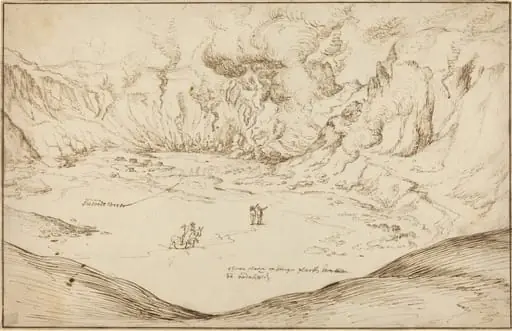 Forum Vulcani: The Hot Springs at Pozzuoli
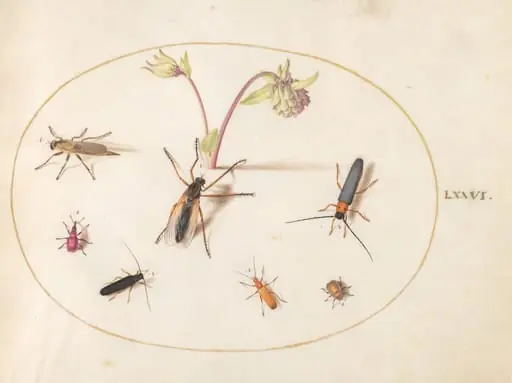 Plate 76: Insects with a Pink and Cream Columbine
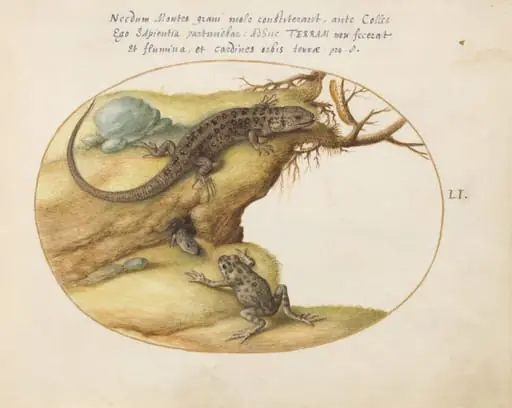 Plate 51: Two Sand Lizards, a Common Parsley Frog(?), and a Caterpillar
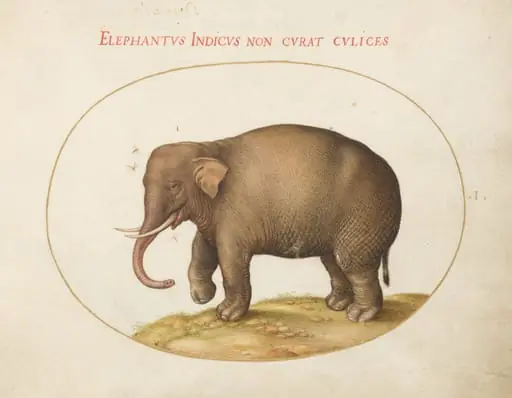 Plate 1: Elephant with Insects
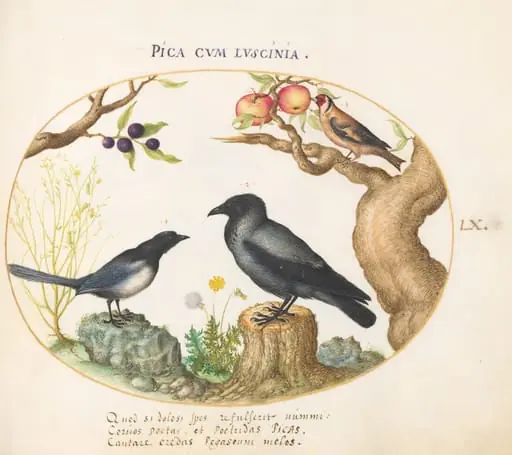 Plate 60: Magpie, Crow, and Goldfinch
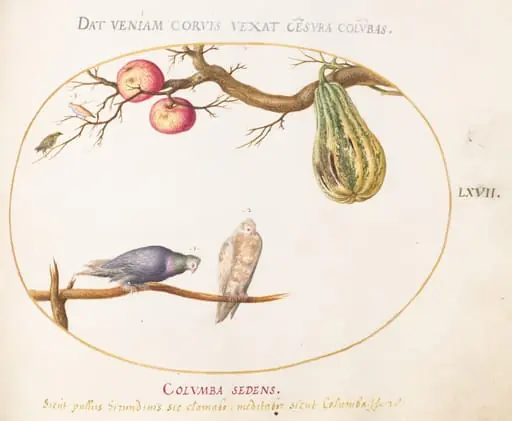 Plate 67: Two Doves beneath a Gourd and Apples
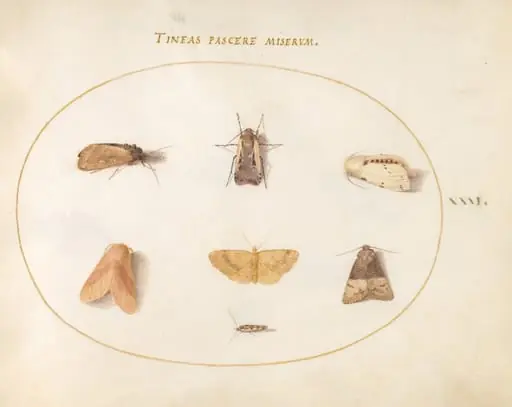 Plate 31: Seven Moths
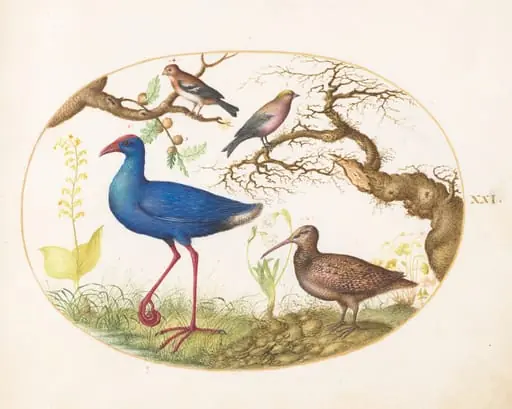 Plate 21: Swamp Hen and Woodcock with a Streaked Rosefinch, a Finch, and Oak Galls
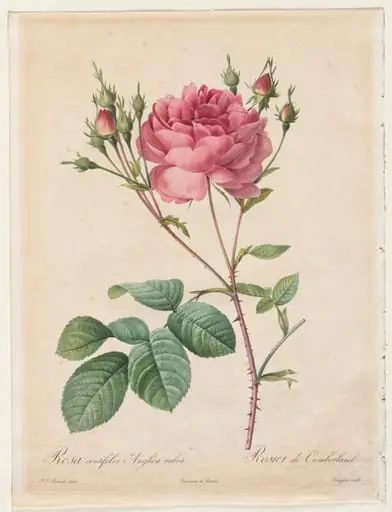 Rosa Centifolia Anglica Rubra
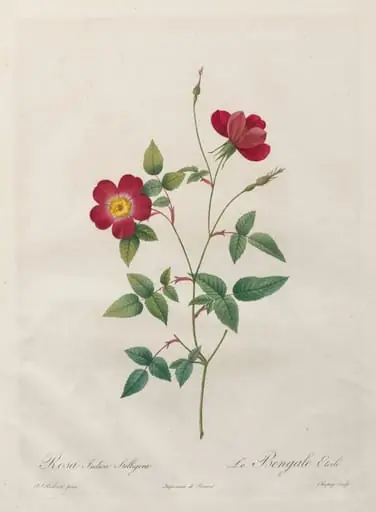 Rosa Indica Stelligera
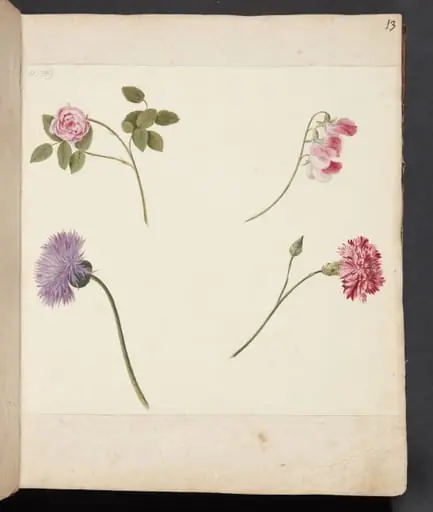 Studie af blomster
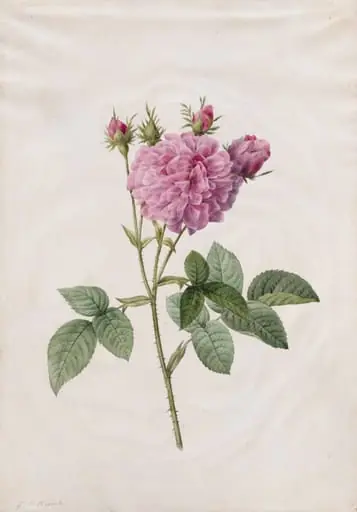 Agatha Rose (Rosa Gallica Agatha)
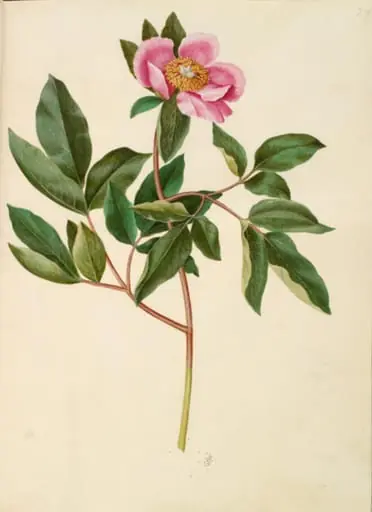 Paeonia mascula (storbladet pæon)
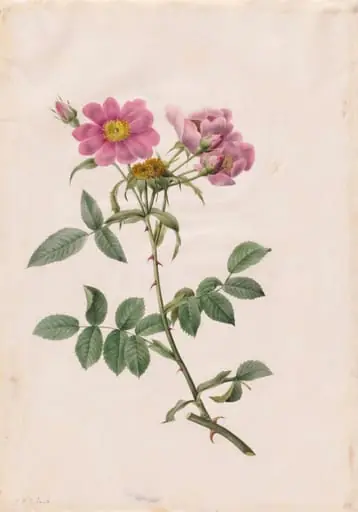 Rosa Collina Monsoniana
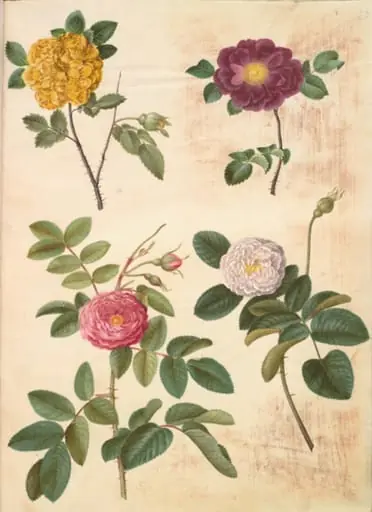 Rosa hemisphaerica (svovlgul rose); Rosa gallica (fløjls-rose); Rosa ×damascena (damascener-rose)
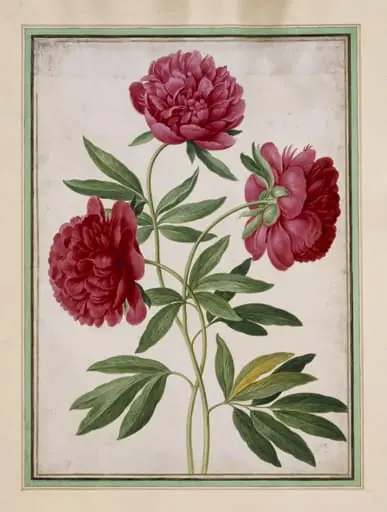 Paeonies (Paeonia officinalis)
 Simulacrum Scenographicum Celeberrimi Horti Itzsteinensis