Artwork
Plate 27: An Eyed Hawk-Moth, Two Chyrsalides, and Other Insects
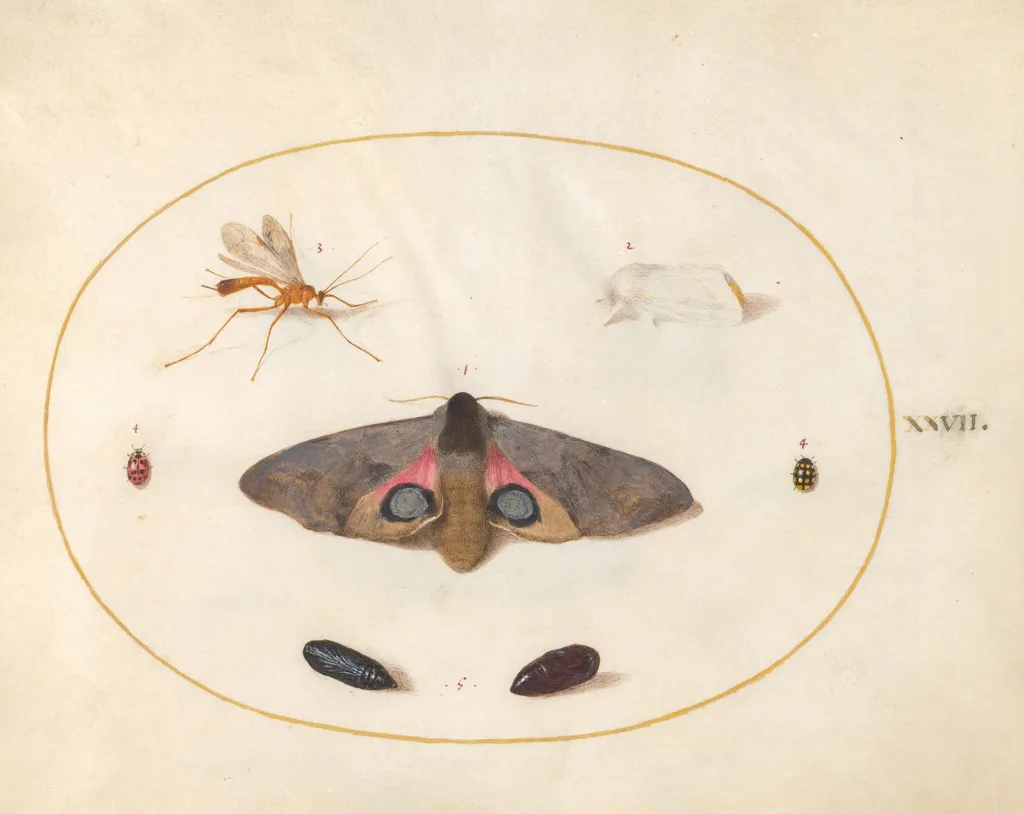
Plate 27: An Eyed Hawk-Moth, Two Chyrsalides, and Other Insects is a gouache drawing by the Renaissance artist Joris Hoefnagel. It dates from 1594 and is held in the collection of the National Gallery of Art.
About this work
Overview
Created circa 1594, this small-scale work by the Flemish artist Joris Hoefnagel depicts an eyed hawk‑moth surrounded by two chrysalides and assorted insects.
Created circa 1594, this small-scale work by the Flemish artist Joris Hoefnagel depicts an eyed hawk‑moth surrounded by two chrysalides and assorted insects. Executed in watercolor with touches of gold on parchment, the image combines delicate natural observation with a decorative finish typical of late‑sixteenth‑century manuscript illumination. The composition serves both as a visual study of entomology and as a decorative object for a learned audience.
Subject & Meaning
The central figure is an eyed hawk‑moth, rendered with precise wing patterning, flanked by two chrysalides that illustrate stages of metamorphosis. Additional insects—beetles, flies and other small critters—populate the border, emphasizing the diversity of the natural world. By presenting multiple life stages together, Hoefnagel highlights the scientific curiosity of his era, aligning artistic representation with emerging natural‑history inquiry.
Technique & Style
Hoefnagel employed fine watercolor washes to model the translucent bodies of the insects, while delicate gold pigment outlines and accents lend a luminous quality to the parchment surface. The meticulous brushwork reflects his training in illuminated manuscript production, where attention to minute detail and ornamental richness were paramount. The combination of scientific exactness and decorative opulence characterizes the transitional style between manuscript art and early still‑life painting in northern Europe.
History & Provenance
The drawing originates from Hoefnagel’s prolific period of natural‑history illustration, produced after his extensive travels and commercial contacts across Europe. Though the original patron is unknown, the work likely formed part of a private collection of curiosities or a codex of botanical and zoological studies. It survives today as a representative example of Hoefnagel’s contribution to the rise of detailed flora and fauna depiction in the late Renaissance.
Artist & collection

Artist
Joris Hoefnagel or Georg Hoefnagel (1542 – 24 July 1601) was a Flemish painter, printmaker, miniaturist, draftsman and merchant.

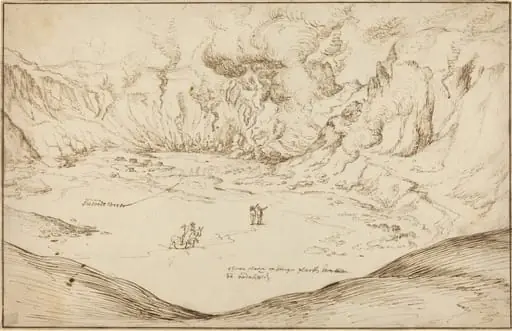 Forum Vulcani: The Hot Springs at Pozzuoli
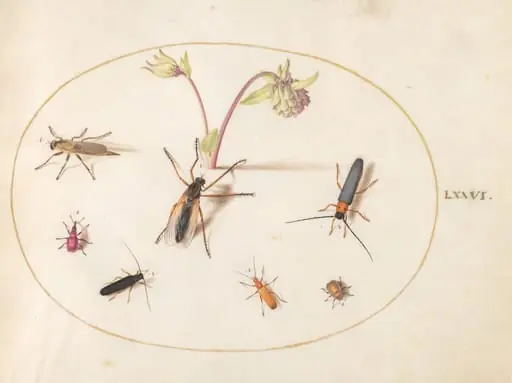 Plate 76: Insects with a Pink and Cream Columbine
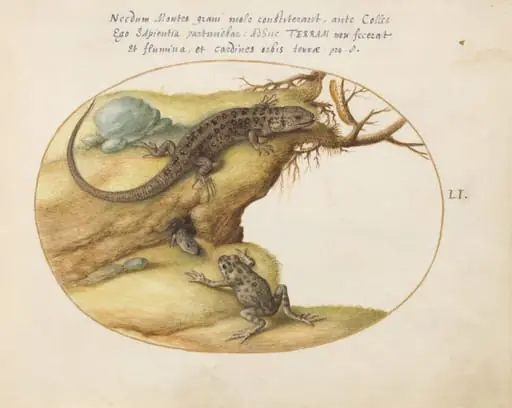 Plate 51: Two Sand Lizards, a Common Parsley Frog(?), and a Caterpillar
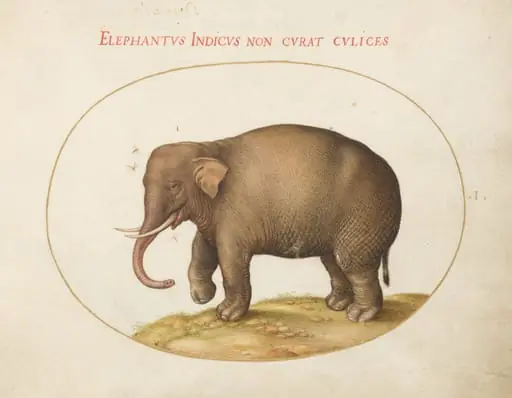 Plate 1: Elephant with Insects
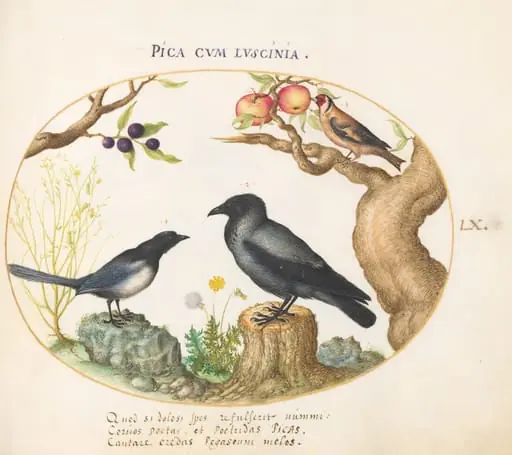 Plate 60: Magpie, Crow, and Goldfinch
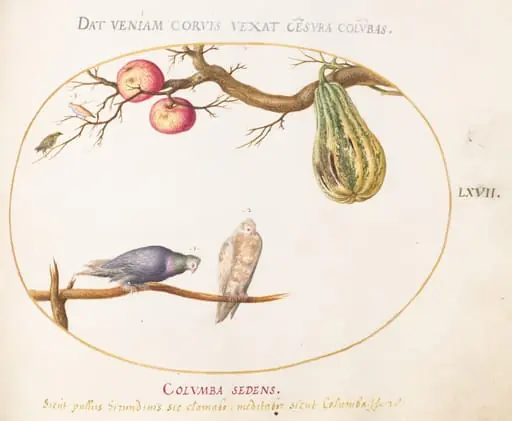 Plate 67: Two Doves beneath a Gourd and Apples
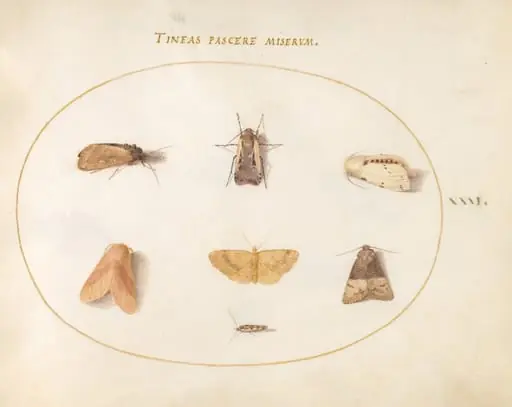 Plate 31: Seven Moths
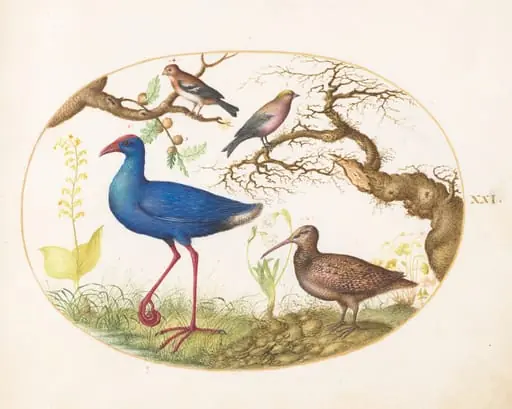 Plate 21: Swamp Hen and Woodcock with a Streaked Rosefinch, a Finch, and Oak Galls
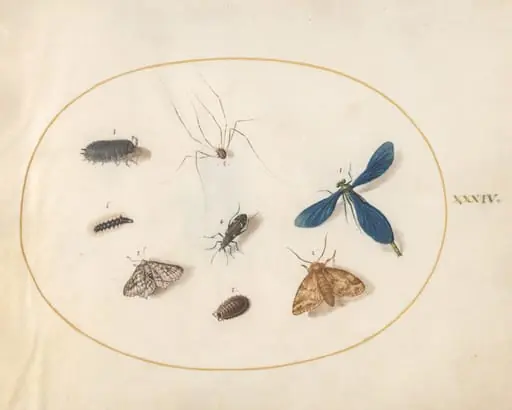 Plate 34: Two Moths with a Spider, a Caterpillar, a Damselfly, and Other Insects
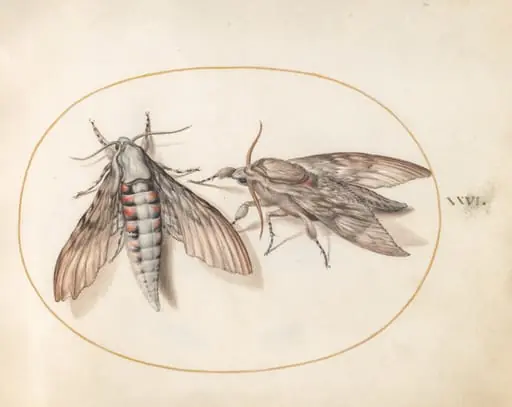 Plate 26: Two Hawk Moths
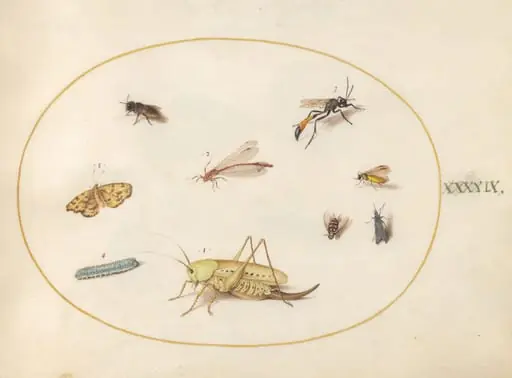 Plate 49: A Grasshopper, a Caterpillar, a Butterfly, a Moth, and Other Insects
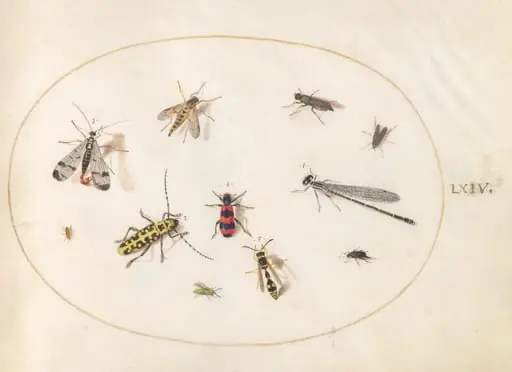 Plate 64: Eleven Insects, Including a Dragonfly and Longhorn Beetle
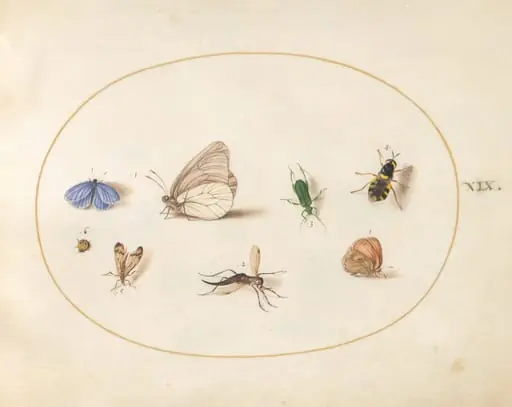 Plate 19: Two Butterflies with Five Other Insects
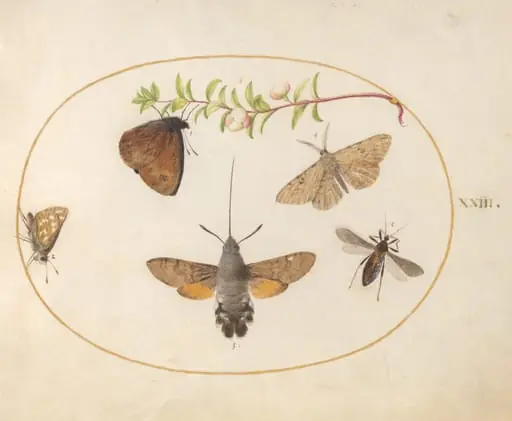 Plate 23: Hummingbird Hawk Moth, Butterflies, and Other Insects around a Snowberry Sprig
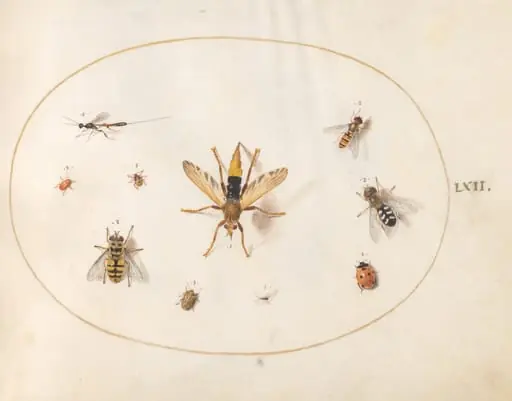 Plate 62: Ten Insects
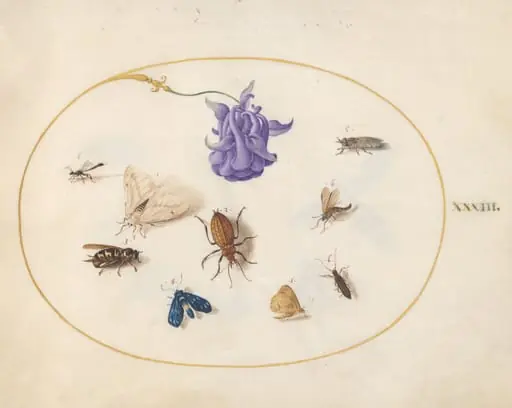 Plate 33: Moth and Butterfly with other Insects and a Columbine Flower
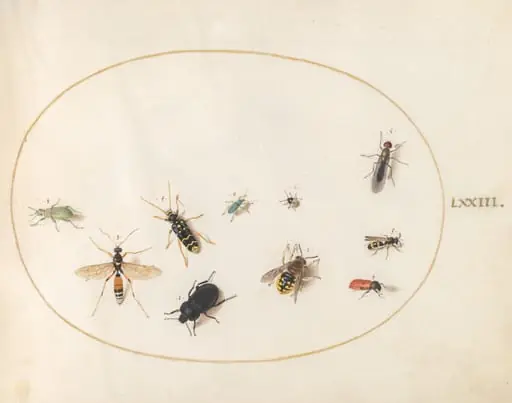 Plate 73: Ten Insects
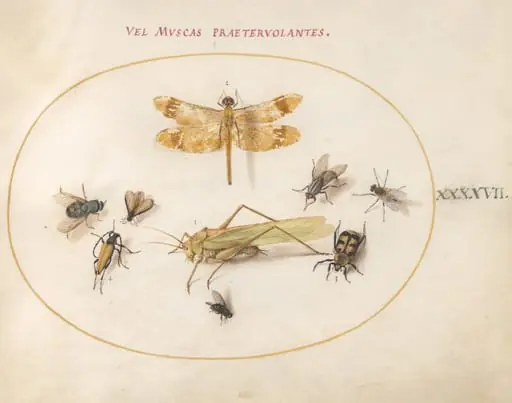 Plate 47: A Dragonfly (Banded Darter?), Grasshopper, Houseflies, a Carrion Beetle, a Flower Longhorn Beetle, and Other Insects
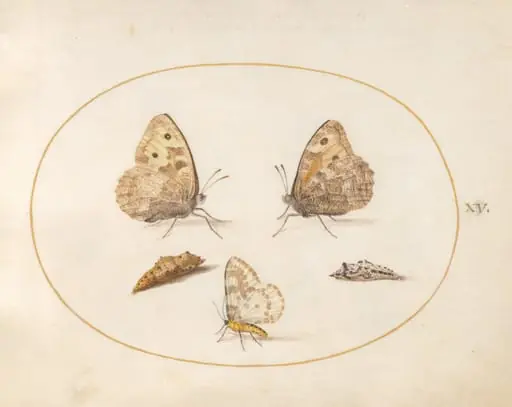 Plate 15: Grayling Butterfly, Magpie Moth, and Two Chrysalides
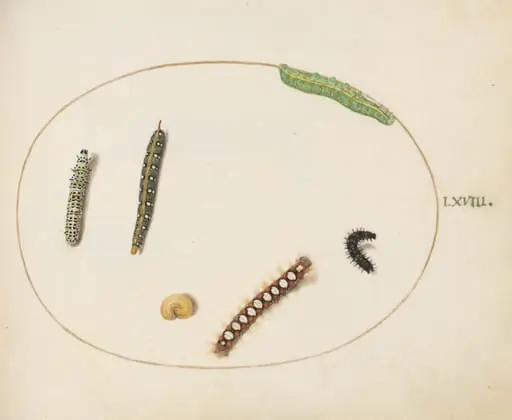 Plate 68: Leafy Spurge Hawkmoth Caterpillar, Mullein Moth Caterpillar, and Other Caterpillars